



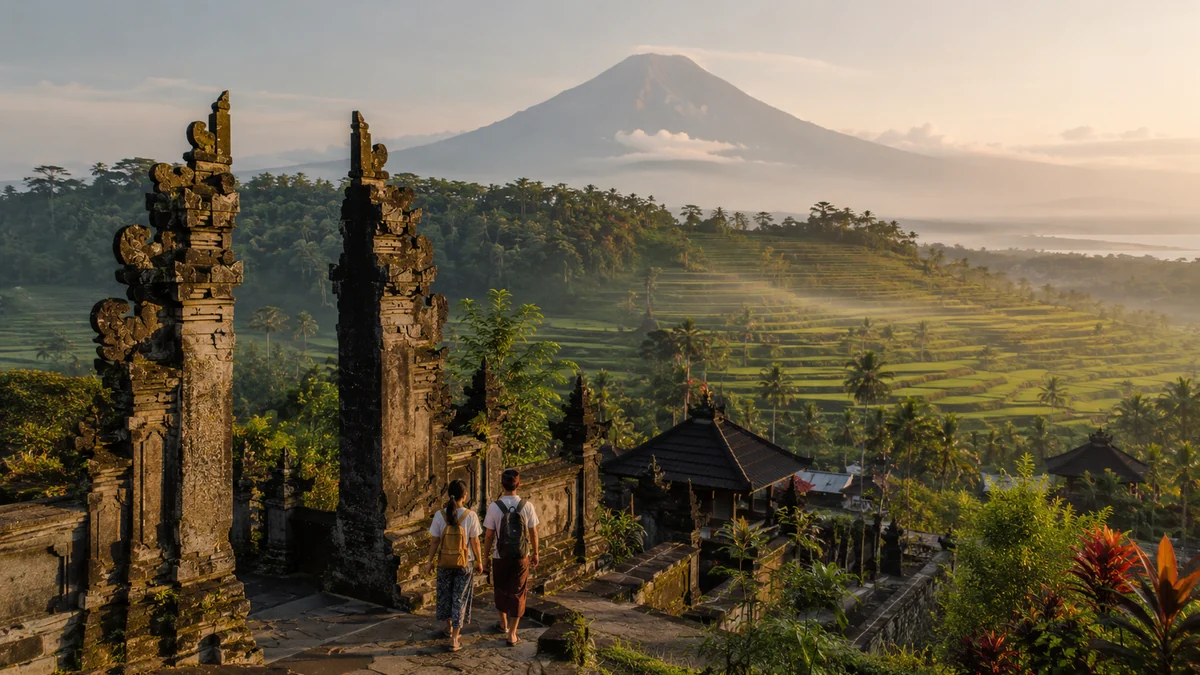
Travel Indonesia for the first time and the hardest part is not finding somewhere worth visiting. It is deciding what to leave out.
That became clear while I was moving between Java, Bali, and the islands farther east. Indonesia looked surprisingly manageable when I planned the route on a map. In reality, a short flight or boat crossing could take up most of a day once I added transfers, check-in, waiting time, traffic, and delays.
My biggest lesson was simple: Indonesia works better when you treat it as several trips rather than one enormous destination.
Java gave me temples, trains, cities, and volcanoes. Bali combined culture with the easiest tourism infrastructure. Lombok felt less developed and slower. Flores and Komodo shifted the trip toward boats, wildlife, snorkeling, and dry island landscapes. Sumatra, Sulawesi, Sumba, and Raja Ampat made more sense as destinations worth planning around rather than squeezing into an already crowded itinerary.
For a first trip of one to three weeks, choosing fewer regions usually creates a much better experience.
Where Should You Go in Indonesia?
Before choosing hotels, I found it more useful to decide what I actually wanted from the trip.
Indonesia is an archipelago, and the experience changes considerably between islands.
| Place | Best For | Realistic Time | Travel Effort | My Take |
|---|---|---|---|---|
| Bali | Culture, food, beaches, easy logistics | 5–7 days | Low | Convenient, but traffic and crowds matter |
| Java | Temples, volcanoes, cities, trains | 5–7 days | Moderate | One of the most rewarding parts of the trip |
| Lombok | Beaches, surfing, Rinjani, slower travel | 3–5 days | Moderate | Better with proper time rather than as a rushed Bali add-on |
| Gili Islands | Snorkeling, beach time, nightlife | 2–3 days | Moderate | Each island has a noticeably different atmosphere |
| Flores & Komodo | Wildlife, diving, boat trips | 3–5 days | Moderate | Worth the additional logistics |
| Sumatra | Orangutans, rainforest, Lake Toba | 5–8+ days | Higher | Best treated as a focused trip |
| Sulawesi | Diving, Tana Toraja, local culture | 7+ days | Higher | Too large to squeeze into a short itinerary |
| Sumba | Landscapes, villages, quieter travel | 4–6 days | Moderate–high | A strong alternative to adding another busy Bali stop |
| Raja Ampat | Diving and marine life | 7+ days | High | A destination to build a trip around |
The mistake I made early was asking, “How many islands can I fit in?”
The more useful question was:
Which two or three regions will give me the type of Indonesia trip I actually want?
How Many Days Do You Need in Indonesia?
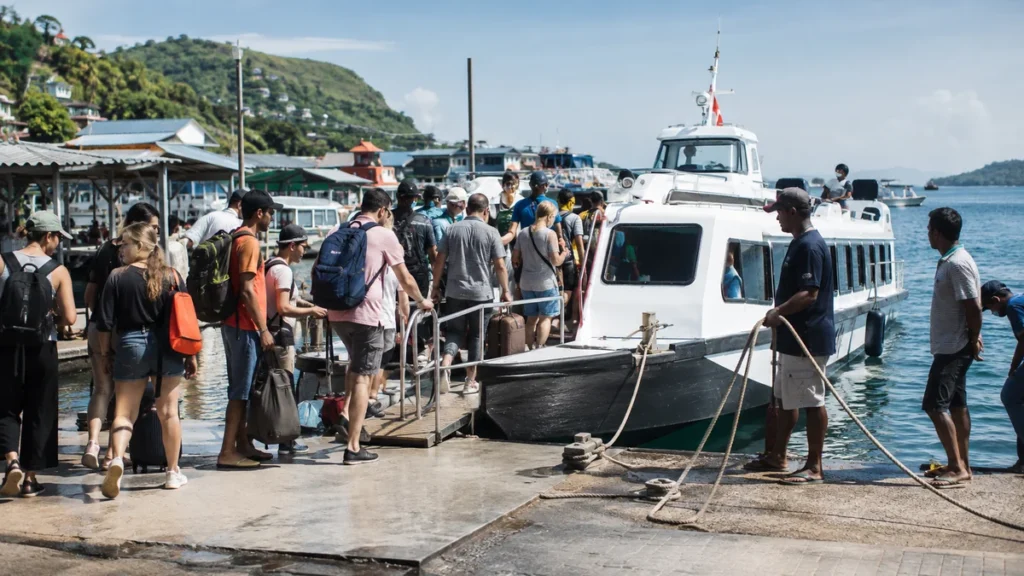
Seven days is enough for Indonesia only if you accept that you are seeing one small part of it.
Ten days gives more flexibility. Two weeks felt much more comfortable for combining contrasting regions without constantly packing and checking out of hotels.
| Trip Length | Realistic Plan | Example |
|---|---|---|
| 7 days | One main region | Bali or Java |
| 10 days | Two nearby regions | Java + Bali |
| 14 days | Two or three regions | Java + Bali + Komodo |
| 21 days | Slower multi-island trip | Java + Bali + Lombok/Flores |
Counting nights was one of my planning mistakes.
Three nights sounded generous on a spreadsheet. If I arrived after dark on the first day and left early on the fourth, however, I really had only two useful days.
That difference became especially noticeable around Labuan Bajo, Komodo, Lombok, and the Gili Islands, where boat connections and airport transfers added more friction than moving between cities on Java.
A practical first-time Indonesia route
For roughly two weeks, Java → Bali → Flores/Komodo gave me the best balance.
Java provided Yogyakarta, Borobudur, Prambanan, and volcano scenery.
Bali slowed the pace slightly and added temples, rice landscapes, cafés, beaches, and easier day trips.
Flying to Labuan Bajo then changed the trip completely. Roads and city sightseeing gave way to boats, snorkeling, open water, and Komodo National Park.
I originally tried to fit Lombok into the same route. Removing it made the trip better.
That became a recurring pattern in Indonesia: cutting one destination usually improved the places that remained.
Java Deserved More Time Than I Expected
Before traveling, Bali occupied most of my mental picture of Indonesia.
Java changed that quickly.
It felt busier, more urban, and less polished for tourism in some places, but that was part of what I enjoyed about it.
Yogyakarta, Borobudur, and Prambanan
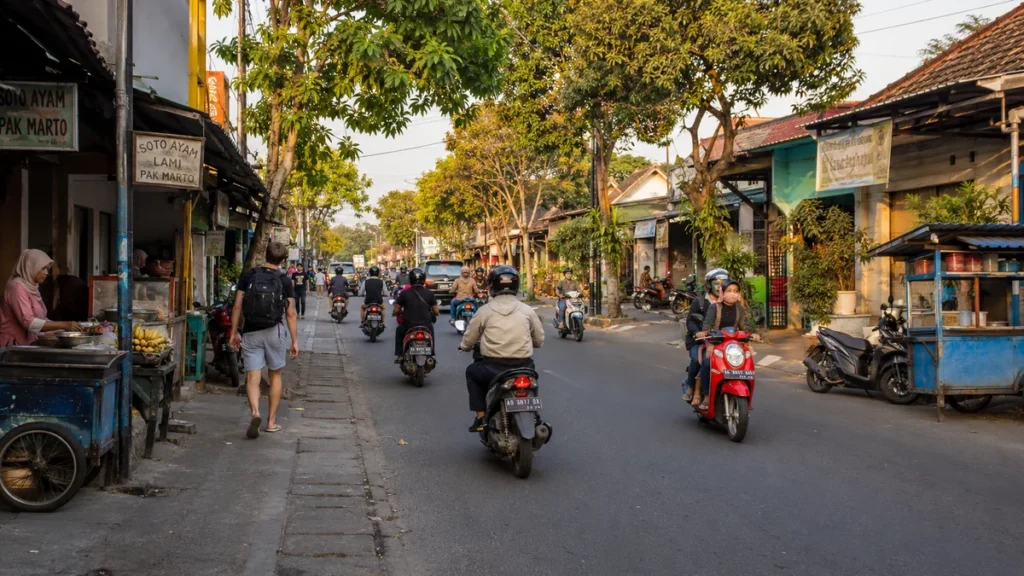
Yogyakarta became one of the places where I was glad I had not booked only one night.
The roads were busy, scooters filled gaps I did not know existed, and the city looked rougher around the edges than Bali’s popular tourist areas. Once I stopped judging it against Bali, I enjoyed it much more.
The two obvious attractions were Borobudur and Prambanan.
Borobudur was familiar from photographs, but the scale became clearer once I was walking around it. The stone terraces, stupas, reliefs, and surrounding green landscape gave the visit far more context than a quick photo stop.
Prambanan felt completely different.
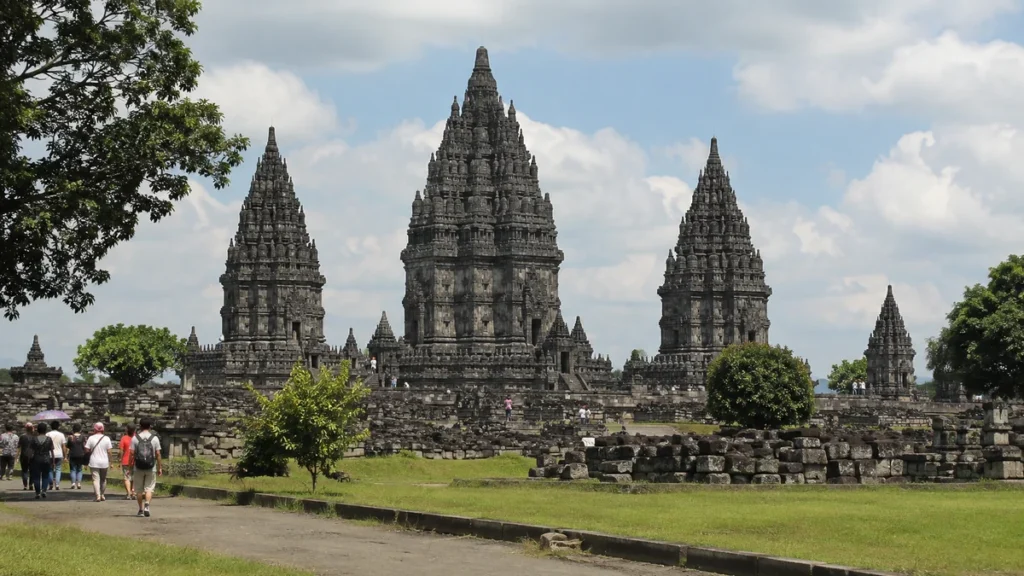
Its tall Hindu temples created a much sharper skyline, and seeing the two sites relatively close together made the religious and architectural contrast particularly interesting.
Trying to cram both temples plus several smaller attractions into one rushed day did not appeal to me. Leaving more time around Yogyakarta made the experience feel less like a checklist.
Mount Bromo and Ijen
Mount Bromo justified its painfully early start.
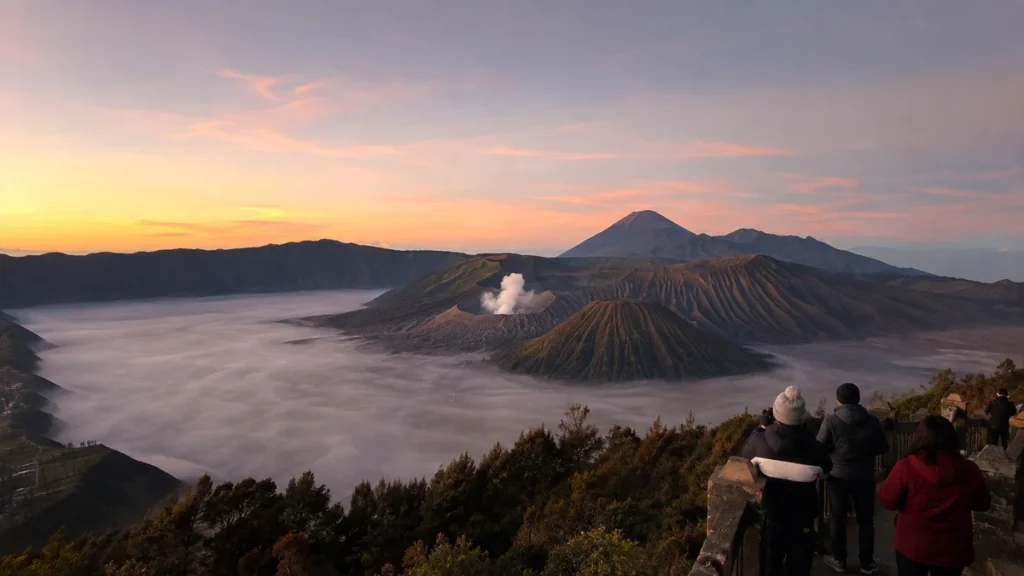
The sunrise viewpoint was popular, so this was not a quiet wilderness experience, but the landscape still worked for me. Looking across the Tengger volcanic scenery as morning light reached the peaks was one of the few famous sunrise experiences where I did not feel I had woken up early for nothing.
What caught me out was the temperature.
After days of tropical heat, standing outside before sunrise at altitude felt much colder than expected. The warm layer I had almost left behind suddenly became one of the most useful things in my bag.
Kawah Ijen required more effort and more attention to conditions.
Volcano visits are not fixed attractions with guaranteed experiences. Weather, volcanic activity, trail restrictions, and local safety rules can change. I treated Ijen and Bromo as outdoor activities rather than assuming that booking transport guaranteed access.
Train travel made Java easier
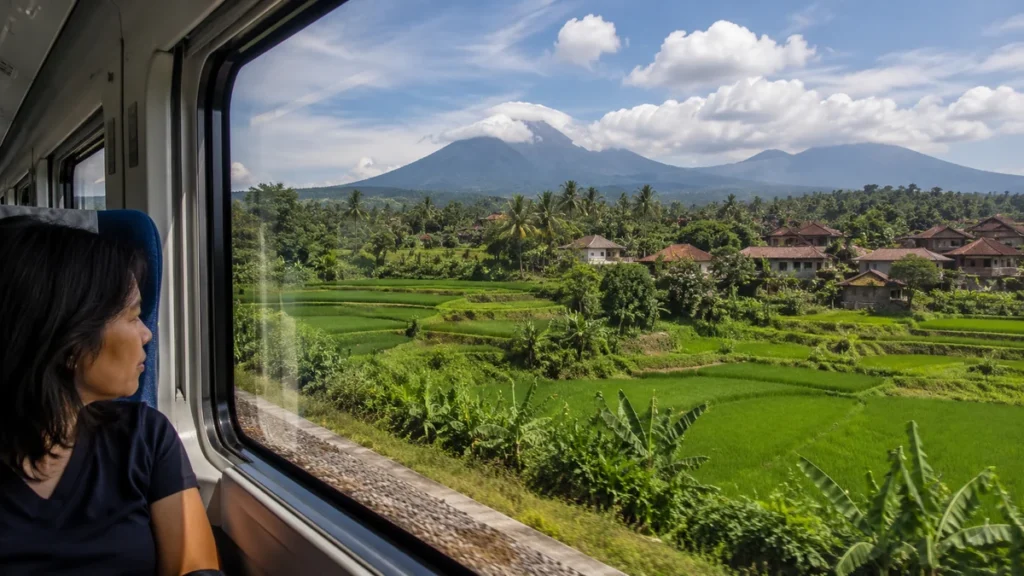
Trains became one of my favorite ways to travel around Java.
Stations were easier to deal with than airports, and the journey itself felt like part of the trip. Towns, rice fields, villages, and larger cities passed outside instead of disappearing below an aircraft.
For journeys where a practical rail connection existed, I usually preferred it to flying.
It also helped solve one of my biggest Indonesia travel problems: losing an entire day to a short domestic flight.
Bali Was Easy to Travel but Hard to Time
Bali was the simplest part of Indonesia for finding accommodation, cafés, tours, private drivers, restaurants, and English-speaking services.
It was not the simplest place for estimating journey times.
This was probably my biggest mistake on the island.
Two locations could look close on a map and still take much longer to connect than I expected once traffic built up.
Ubud felt better when I stopped chasing attractions
Ubud worked best when I reduced the sightseeing list.
The center could be very busy. Scooters, cars, tour vans, cafés, shops, and pedestrians competed for limited space, particularly at popular times of day.
A few streets away, the atmosphere could change surprisingly quickly.
Small temples, family compounds, morning offerings, incense, rice fields, and quieter roads gave me more sense of Bali than several places I had saved because they looked impressive on Instagram.
Some highly photographed attractions around Ubud felt more commercial in person than I expected.
They were not necessarily bad. I simply found that the time spent reaching them was sometimes greater than the experience itself.
Canggu was convenient but not my favorite part of Bali
Canggu was excellent for cafés, surfing, nightlife, coworking spaces, and long stays with plenty of services nearby.
It was not the Bali I enjoyed most.
Traffic became tiring, and some streets felt closer to an international beach hub than the Indonesia experience I had imagined before arriving.
Seminyak offered similar convenience, with more restaurants, hotels, shops, and beach clubs.
For culture and landscapes, I preferred spending more time around Ubud, Sidemen, and quieter inland areas.
Nusa Penida Was Better With More Than a Day
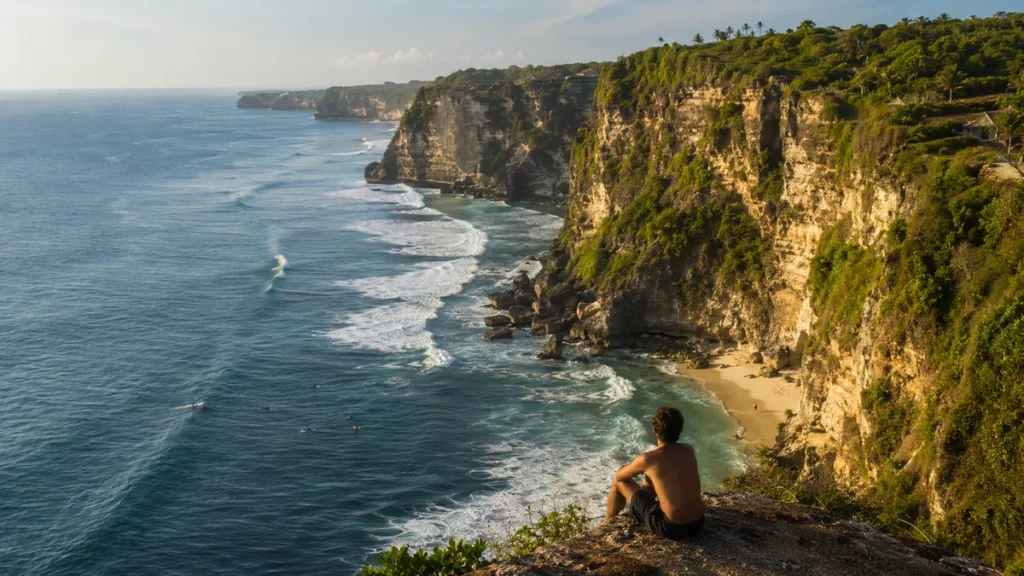
Nusa Penida was one of those places that looked easy to add to a Bali itinerary until I considered the boat schedules, port transfers, rough roads, and distances between the island’s main sights. A day trip was possible, but trying to fit Kelingking Beach, Broken Beach, Angel’s Billabong, Diamond Beach, and several viewpoints into a few hours would have turned the island into a photo checklist. Staying at least one night gave me more breathing room and made the early mornings and quieter roads feel worthwhile. The cliffs and coastal scenery were genuinely dramatic, but the biggest lesson was the same one I kept learning across Indonesia: a place becomes much more enjoyable when I stop trying to see all of it in a single day.
Uluwatu was about the coastline
The Bukit Peninsula delivered the dramatic coastal scenery I expected from southern Bali.
Cliffs, surf beaches, and sunsets were the main attraction.
What surprised me was how spread out everything felt.
A beach that looked nearby on a map could still require a proper drive. Walking between many of these places was unrealistic in the heat and traffic, so transportation mattered.
This was another part of Bali where choosing the right accommodation location saved more time than trying to optimize a sightseeing route later.
Lombok and the Gili Islands Need Proper Time
Lombok often appears in Indonesia itineraries as a quick addition to Bali.
That can work, but it still consumes real travel time.
Kuta Lombok felt noticeably looser than Bali’s busiest southern areas. Beaches were spread along the coast, transport was necessary, and development felt less continuous.
That was part of the appeal.
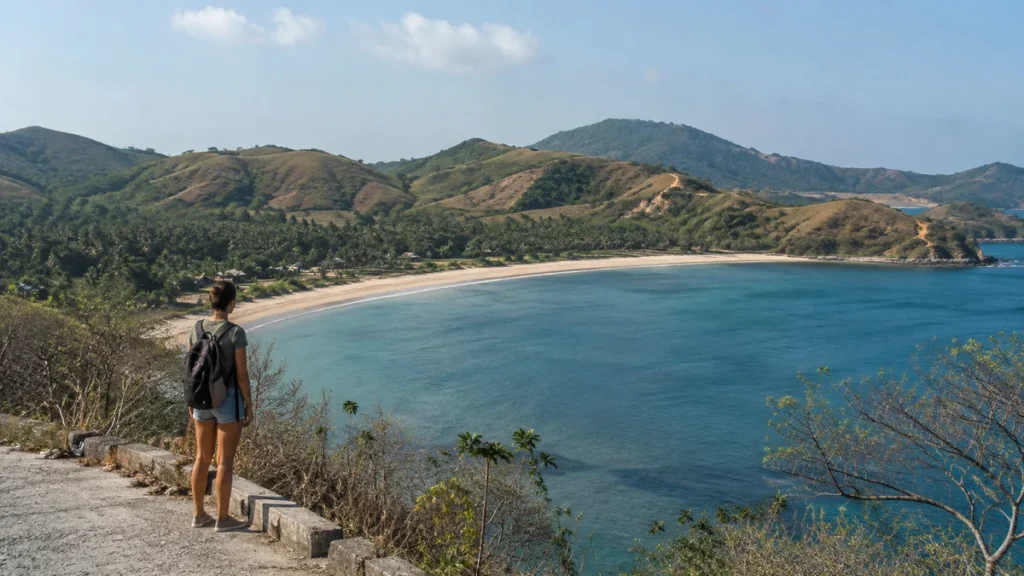
Northern Lombok is dominated by Mount Rinjani, one of Indonesia’s major trekking destinations. A proper trek requires preparation, suitable conditions, and enough time. It never made sense to me as something to squeeze between two beach days.
The nearby Gili Islands also made more sense once I stopped treating them as identical.
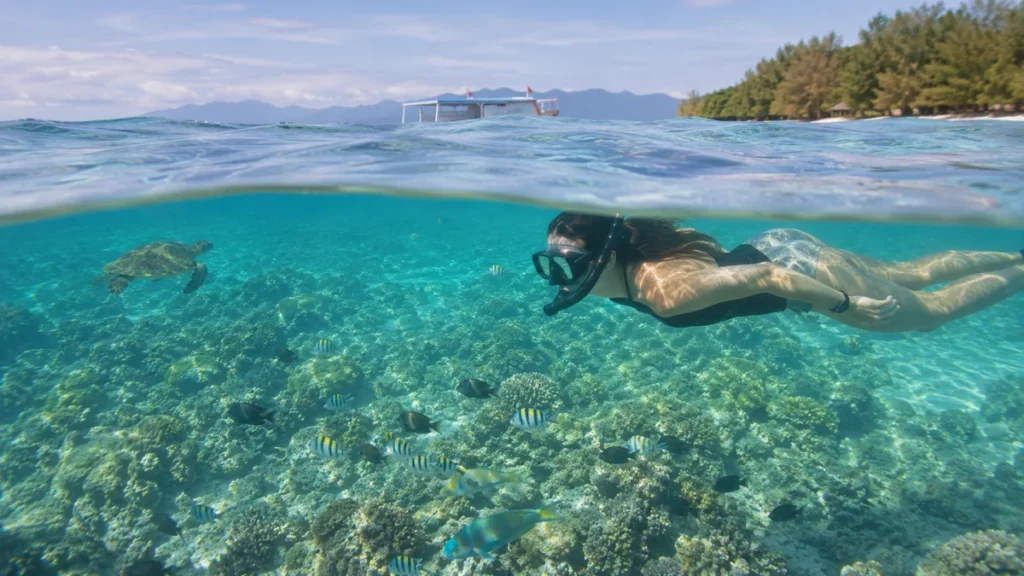
Gili Trawangan had the busiest social atmosphere.
Gili Air sat somewhere between lively and relaxed.
Gili Meno was the quieter option.
Snorkeling was the main attraction for me, but the practical lesson was more important: I stopped trusting tight connections involving boats.
Sea conditions can change plans.
I avoided putting an important international flight immediately after a boat crossing once I understood how easily a delay could turn a neat itinerary into a stressful one.
Flores and Komodo Were Worth the Extra Effort
Flying into Labuan Bajo produced one of the biggest shifts in atmosphere during the trip.
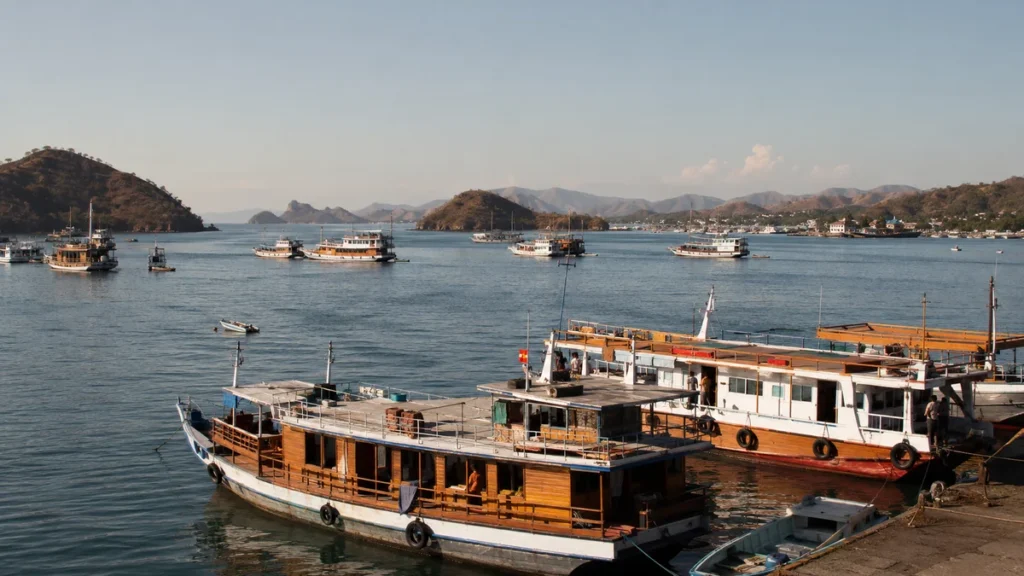
The town itself mainly worked as a gateway.
The real reason to come was Komodo National Park, along with boat trips, snorkeling, diving, islands, and the chance to see Komodo dragons.

I had initially thought of Komodo mainly as a wildlife stop.
The boat journey ended up being a bigger part of the experience than the dragons alone.
Dry hills rose sharply from the sea. Water changed from deep blue to clear turquoise above shallower reefs. Snorkeling introduced another side of the national park through coral, fish, turtles, and the possibility of seeing manta rays.
This was also where I became more careful about choosing tour operators.

I did not think saving the final few dollars was worthwhile if it meant compromising on the condition of the boat, crew experience, life jackets, sleeping arrangements, or general organization.
For multi-day boat trips, safety and operator quality were places where paying a little more made sense.
Indonesia Beyond Bali
One of the biggest planning mistakes for a first visit is assuming Bali represents the country.
It does not.
Indonesia became much more interesting once I stopped thinking of Bali as the default and everything else as an extension.
Sumatra
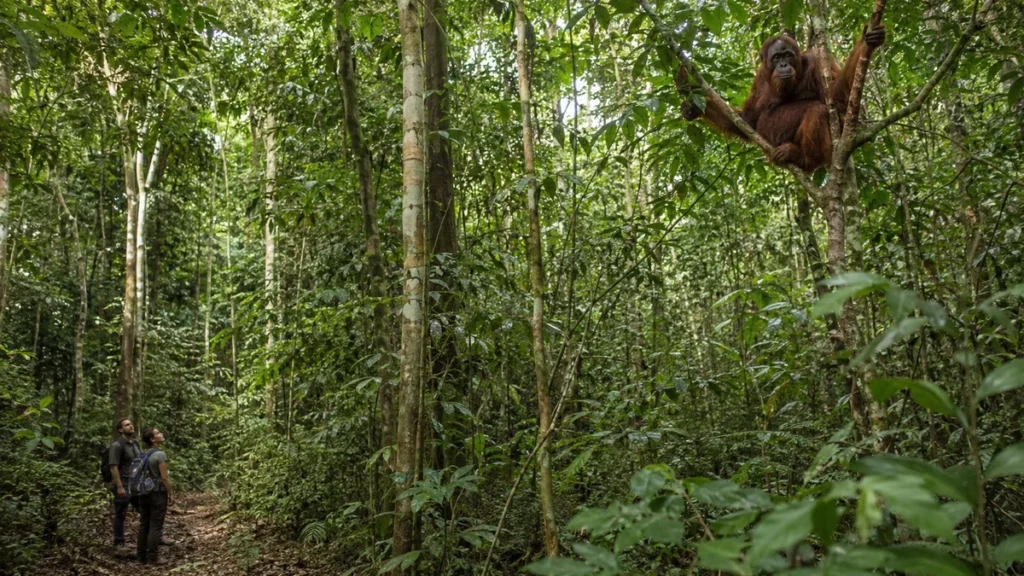
Sumatra appealed most for wildlife and landscapes.
Bukit Lawang and Gunung Leuser National Park are closely associated with orangutan trekking, while Lake Toba offers a completely different environment.
The scale of Sumatra was the problem.
It looked possible to add it to a Java-Bali itinerary when I was browsing flights. Once I considered overland journeys and the number of days I actually wanted there, it made more sense as its own trip.
Sulawesi
Sulawesi attracted me for two very different reasons: Tana Toraja and diving.
Tana Toraja brings traditional architecture and distinctive cultural practices into an Indonesia itinerary, while places such as Bunaken and the Togean Islands appeal more to divers and snorkelers.
Again, distances matter.
Sulawesi is not somewhere I would add simply because three free nights appeared at the end of an itinerary.
Sumba
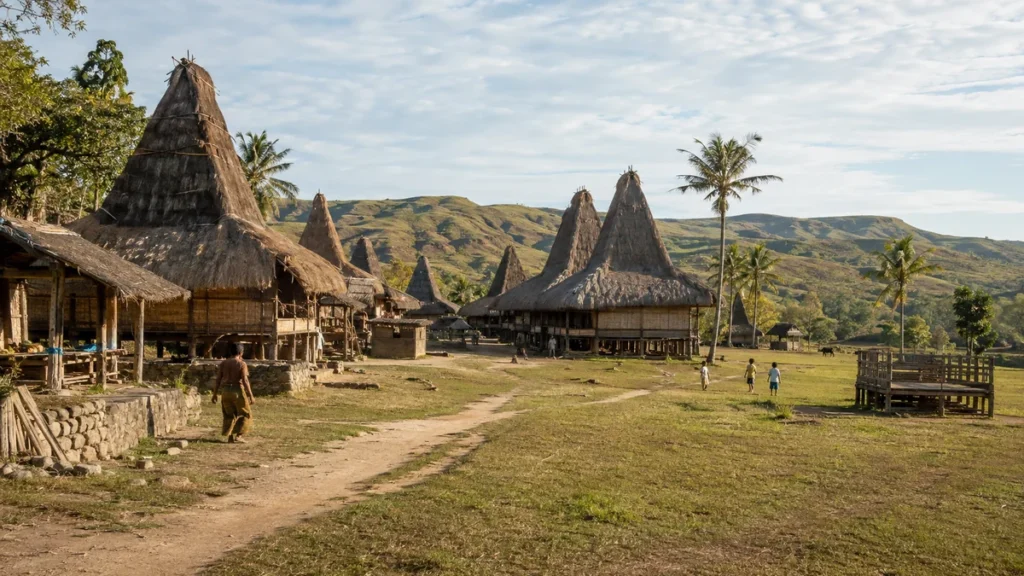
Sumba interested me because it seemed to offer exactly what I sometimes struggled to find in Bali: more space.
Traditional villages, open landscapes, beaches, and lower visitor numbers make it appealing for travelers who value quieter travel over a long list of attractions.
Less tourism infrastructure also means accepting more complicated logistics.
That trade-off is important.
Raja Ampat
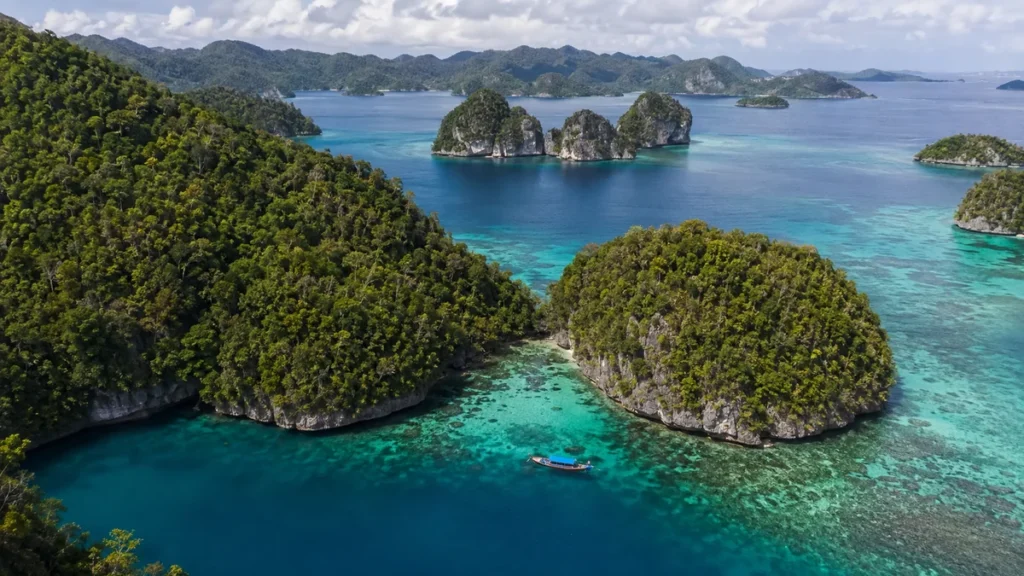
Raja Ampat belongs in a different category.
Its appeal is heavily tied to the sea: coral reefs, marine biodiversity, diving, snorkeling, manta rays, sharks, and extraordinary island scenery.
It also takes significantly more effort and money to reach than Bali or Java.
I stopped treating Raja Ampat as something that needed to fit into my first Indonesia itinerary. It made more sense as the reason for a future trip.
Getting Around Indonesia Without Losing Half the Trip
Transportation affected my itinerary more than almost anything else.
| Transport | Best Use | Main Advantage | Main Drawback |
|---|---|---|---|
| Domestic flights | Long island jumps | Covers huge distances | Airports can consume most of a day |
| Trains | Java | Comfortable and practical | Limited geographic coverage |
| Fast boats | Bali, Gilis, Lombok | Useful for nearby islands | Weather and sea conditions matter |
| Private driver | Bali and regional day trips | Flexible | Traffic still controls journey time |
| Grab/Gojek | Cities and developed areas | Convenient short trips | Availability varies |
| Scooter | Some Bali/Lombok routes | Flexible | Higher road-safety risk |
The most useful change I made was protecting transfer days.
If I flew between islands, I stopped planning a major temple, hike, or boat excursion on the same day.
A “one-hour flight” was rarely a one-hour event.
Getting to the airport, arriving early, checking bags, waiting, flying, collecting luggage, and then traveling to the next hotel could easily turn it into the main activity of the day.
Scooters were optional, not essential
Indonesia can be traveled without riding a scooter.
I used combinations of trains, drivers, ride-hailing apps, boats, and flights.
Scooters certainly provide flexibility, especially in parts of Bali and Lombok, but unfamiliar roads, heavy traffic, rain, and different driving habits increase the risk.
I did not see any value in renting one simply because it seemed like the expected thing to do in Southeast Asia.
Best Time to Travel Indonesia
Indonesia has tropical weather, but there is no single weather pattern that applies perfectly across the entire archipelago.
For much of Java, Bali, Lombok, and nearby islands, the year is broadly divided into wetter and drier periods. Conditions vary between regions, and tropical rain does not necessarily mean continuous rain all day.
The drier months are popular for beaches, volcano trips, and outdoor travel, but they can also bring higher visitor numbers in places such as Bali.
The practical lesson was to plan weather by region and activity, not simply by country.
A diver heading to Raja Ampat, a hiker planning Rinjani, and someone spending a week in Bali do not necessarily have the same ideal month.
I also kept flexibility around volcanoes and boat trips because visibility, rain, wind, and sea conditions mattered more than the date printed on my itinerary.
What Traveling Indonesia Cost Me
There is no useful single answer to the question, “Is Indonesia expensive?”
The country can be inexpensive, but the way you travel changes the budget dramatically.
Java felt relatively affordable when I used trains, local accommodation, and simple restaurants.
Bali could still be inexpensive, but it was also remarkably easy to spend far more on villas, beach clubs, Western-style cafés, private drivers, imported food, and premium restaurants.
Remote islands changed the calculation again.
Domestic flights, diving, liveaboards, Komodo boat trips, and accommodation in harder-to-reach destinations could push costs much higher.
Where I saved money
Local warungs made the biggest difference.
Meals were usually cheaper and often more memorable than trying to eat the same food I would order at home.
Train travel on Java also helped.
Staying several nights in one place saved money indirectly because I paid for fewer transfers and wasted fewer hours relocating.
Where spending more made sense
The cheapest option was not always the smartest option.
I was more comfortable spending extra on:
- reputable boat trips
- diving
- volcano guides when needed
- complicated airport transfers
- safer transport
- travel insurance
Saving money on a hotel room felt very different from saving money on something where safety was part of the purchase.
What I Actually Ate in Indonesia
Food became one of the easiest ways to notice regional differences.
Nasi goreng and mie goreng were easy starting points, but Indonesian food became much more interesting once I stopped ordering only dishes I already recognized.
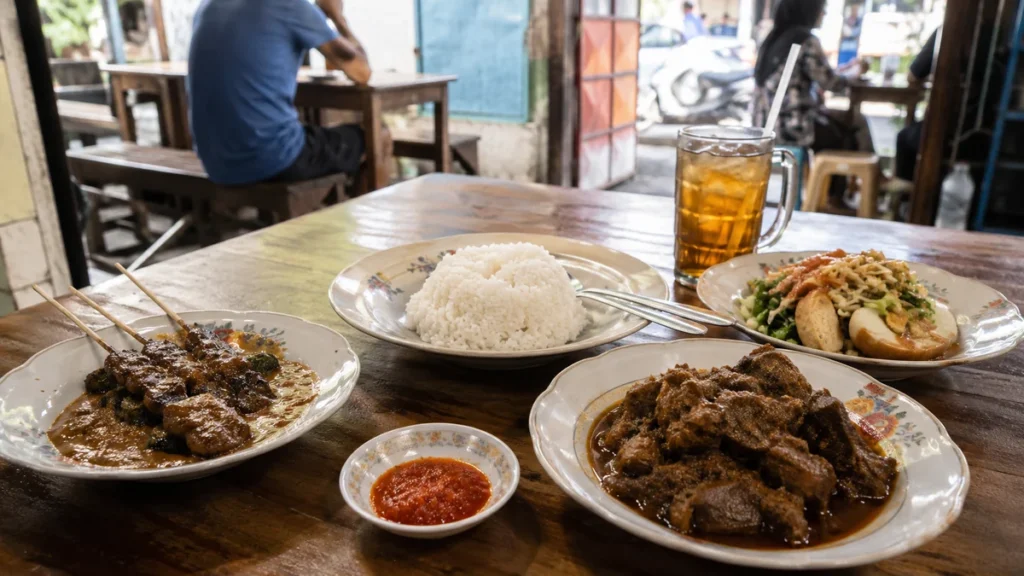
Rendang was richer than I expected.
Sate disappeared quickly whenever it arrived with peanut sauce.
Gado-gado became useful when I wanted something lighter.
Then there was sambal.
Small portions looked harmless. They were not always harmless.
Some of the simplest warung meals became more memorable than the polished restaurants I had saved before the trip.
In Bali, international food was available almost everywhere in the major tourist areas. On Java, eating local food felt less like a deliberate choice because it was simply what surrounded me.
Regional food was another reason the country never felt like one destination.
Entry Requirements to Check Before Traveling to Indonesia
This is the part of an Indonesia travel guide that becomes outdated fastest.
I checked entry requirements again shortly before departure rather than relying on information I had saved months earlier.
For eligible nationalities, Indonesia currently offers the B1 Visa on Arrival, with an initial stay of up to 30 days and the possibility of one extension. Eligibility, passport requirements, fees, and visa conditions should always be checked directly with Indonesia’s Directorate General of Immigration before flying.
Indonesia also requires international arrivals to complete the All Indonesia digital arrival declaration. The system integrates immigration, customs, health, and quarantine declarations and can be completed from three days before arrival.
Travelers going to Bali should separately check the Bali foreign tourist levy and any applicable exemptions through the official Bali Provincial Government system. The current levy is IDR 150,000 for foreign tourists who are subject to the charge.
These were the three official sources I relied on because visa rules, arrival procedures, and tourist charges can change.
Local Customs Matter More Once You Leave the Resort Areas
Indonesia is culturally diverse.
Bali is predominantly Hindu, while Indonesia as a whole has the world’s largest Muslim population.
That difference became much more noticeable once I moved away from Bali’s beach areas.
Clothes and behavior that barely attracted attention near a resort could feel less appropriate around religious sites or in more conservative communities elsewhere.
I kept something available to cover shoulders or legs when necessary and followed local instructions at temples and other religious places.
The small daily details also mattered.
Offerings placed near entrances in Bali were easy to miss when walking through crowded streets. Ceremonies could temporarily affect traffic. Mosques, temples, local markets, and village routines all made it clear that tourism was only one layer of everyday life.
Mistakes I Made While Traveling Indonesia
I tried to visit too many islands
My original route looked excellent on a map and exhausting once I calculated the transfers.
Removing destinations improved the trip.
I counted nights instead of usable days
Three nights did not always mean three days.
Arrival and departure times mattered more than the hotel booking summary.
I underestimated Bali traffic
Distance was a poor measure of travel time.
That affected where I stayed and how many places I attempted to visit in one day.
I packed only for tropical heat
Early-morning volcano trips corrected that mistake quickly.
A light warm layer earned its place in my luggage.
I assumed Bali represented Indonesia
Leaving Bali changed my understanding of the country more than adding another Bali attraction ever could.
I gave boat connections too little buffer
Once I understood how weather and sea conditions could affect departures, I became much less comfortable with tight onward connections.
I planned too much before knowing what I liked
Some places I expected to love needed less time.
Others made me want to cancel the next hotel and stay another night.
Leaving some flexibility became more valuable than having an impressive spreadsheet.
What Felt Overrated and What Was Worth the Time
Indonesia made it easier to separate places I genuinely enjoyed from places I had saved because everyone else seemed to visit them.
Some heavily photographed Bali attractions felt less impressive after accounting for the queues, traffic, staged photo setups, and time required to reach them.
Changing hotels every night or two also felt overrated.
The itinerary looked more ambitious, but much of that ambition translated into packing bags.
Several famous experiences did justify their reputation.
Borobudur was worth the planning.
Mount Bromo justified the early alarm.
Yogyakarta deserved more time than I originally allocated.
Komodo was much more interesting as a complete marine and island experience than as a quick dragon sighting.
And some of the least expensive experiences—train journeys, simple warung meals, and walks away from the busiest tourist streets—became the parts I remembered most clearly.
Practical Indonesia Travel Tips I Wish I Had Known
A few lessons made the biggest difference:
- Choose regions before individual attractions. It prevents an itinerary from becoming geographically impossible.
- Treat flight days as travel days. Anything extra is a bonus.
- Leave buffers around boat transfers. Especially before international flights.
- Check volcano conditions locally. Access and weather can change.
- Stay closer to what you want to do in Bali. Traffic can erase the savings from a cheaper hotel farther away.
- Use trains where practical on Java. They were one of the easiest parts of my transport planning.
- Carry some cash. Digital payments are widespread in developed areas, but not every small business or remote destination works the same way.
- Do not assume every island follows Bali’s tourism rhythm. Infrastructure, culture, transport, and English usage vary.
- Eat beyond tourist cafés. Warungs gave me some of my favorite meals.
- Plan less. Indonesia rewards having enough time to stay somewhere longer when it turns out better than expected.
Frequently Asked Questions About Travel in Indonesia
Is Indonesia good for first-time travelers?
Yes, particularly if you start with places such as Bali and Java, where accommodation and transport options are extensive. Remote regions require more planning, so I found it easier to add them once I understood how travel days worked.
Is two weeks enough for Indonesia?
Two weeks is enough for a very good Indonesia trip, but not for the whole country. Two or three regions felt realistic. Java, Bali, and Komodo make a varied first itinerary.
Should I visit Bali or Java?
Bali is easier for beaches, resorts, cafés, private drivers, and a highly developed tourism scene. Java gave me stronger temple, train, city, and volcano experiences. For a first visit, combining them makes more sense than treating them as substitutes.
Where should I go in Indonesia besides Bali?
Yogyakarta, Mount Bromo, Lombok, and Komodo are relatively straightforward additions to a first itinerary. Sumatra, Sulawesi, Sumba, and Raja Ampat work better when you have enough time to plan around them.
Can I travel Indonesia without a scooter?
Yes. Trains, domestic flights, ferries, fast boats, Grab, Gojek, taxis, and private drivers cover many common routes. I treated scooter rental as optional rather than essential.
Is Indonesia expensive to travel?
It can be affordable, especially when using local accommodation, trains, and warungs. Costs increase quickly with diving, domestic flights, liveaboards, premium Bali accommodation, private transfers, and remote islands.
What is the biggest mistake first-time visitors make in Indonesia?
Trying to visit too much.
Indonesia looks far easier to cross on a map than it feels when airports, ferries, traffic, and transfer days are involved.
Final Thoughts
What stayed with me after traveling Indonesia was not one beach, temple, or volcano.
It was the contrast.
One day meant watching Java pass outside a train window. Another started in cold darkness waiting for sunrise near a volcano. Bali brought temple offerings, scooters, rice fields, cafés, and traffic. Komodo replaced roads with boats and dry islands rising from clear water.
The trip became better when I stopped trying to collect destinations.
For a first visit, I found that two or three well-chosen regions were far more rewarding than five places rushed together simply because they fitted on a map.
Indonesia is too large to finish in one trip.
That turned out to be one of its best qualities.