



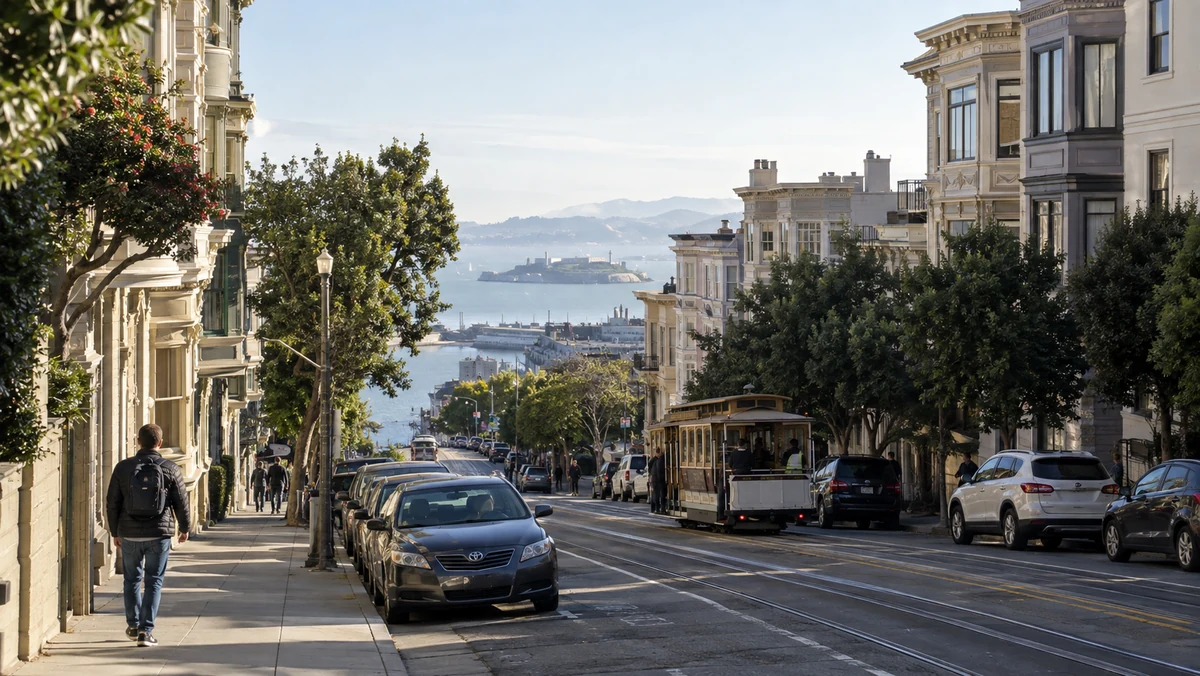
San Francisco looked compact enough on the map that I thought I could cover most of it on foot. That assumption disappeared during my first serious climb up one of the city’s hills.
I visited during a mild, clear-weather stretch that worked well for long days outside, but I still carried a light jacket almost everywhere. A sunny neighborhood could feel surprisingly different from the windy waterfront only a few miles away.
Three full days gave me enough time for the Golden Gate Bridge, Alcatraz, Chinatown, Golden Gate Park, the Mission, and several neighborhoods without turning the trip into a race.
The biggest lesson was simple: the best things to do in San Francisco are easier to enjoy when you group them geographically instead of chasing the longest attraction list possible.
Some famous stops needed only 20 minutes. Others deserved several hours. Alcatraz justified its price. Pier 39 was fun but needed less time than I expected. The Presidio deserved considerably more.
This guide covers the San Francisco attractions that earned my time, realistic visit lengths, current 2026 costs, transport, food, neighborhoods, booking advice, and the places I would shorten on a first trip.
The Best Things to Do in San Francisco at a Glance
Prices were checked in September 2026. Variable costs are shown as estimates because fares and admission prices can change.
| Place | Realistic Time | Approx. Cost | Book Ahead? | My Take |
|---|---|---|---|---|
| Golden Gate Bridge | 1–2 hours | Free | No | Essential on a first trip |
| Alcatraz Island | 2.5–3.5 hours | $47.95 adult Day Tour | Yes | Best paid experience |
| Presidio & Tunnel Tops | 1.5–3 hours | Free | No | Deserved more time than I planned |
| Palace of Fine Arts | 30–60 min | Free | No | Easy scenic stop |
| Baker Beach | 45–90 min | Free | No | Excellent bridge viewpoint |
| Cable car ride | 20–45 min plus queue | $9 single ride | No | Worth doing once |
| Fisherman’s Wharf & Pier 39 | 1.5–2 hours | Free to explore | No | Fun, but easy to overdo |
| Ferry Building & Embarcadero | 1–2 hours | Free; food extra | No | Excellent morning combination |
| Chinatown | 1.5–3 hours | Free | No | Better beyond the main tourist street |
| North Beach | 1.5–3 hours | Free | No | One of my favorite areas |
| Coit Tower | 45–75 min | $11 nonresident adult | Usually no | Worth paying for in clear weather |
| Lombard Street | 20–30 min | Free | No | Quick stop, not half a day |
| Painted Ladies | 30–45 min | Free | No | Best enjoyed from Alamo Square |
| Golden Gate Park | 2 hours–full day | Free; attractions extra | Depends | Choose a few priorities |
| Japanese Tea Garden | 45–75 min | Budget about $15–20 | Useful at busy times | Best early |
| California Academy of Sciences | 2.5–4 hours | $49–55 adult | Useful | Strong family option |
| Haight-Ashbury | 1–2 hours | Free | No | History matters more than sightseeing |
| Mission District & Dolores Park | 2–4 hours | Free; food extra | No | One of my best neighborhood afternoons |
| Twin Peaks | 45–75 min | Free | No | Weather determines its value |
| SFMOMA | 2–4 hours | $30 adult | Useful | Excellent indoor option |
1. Walk Part of the Golden Gate Bridge
The Golden Gate Bridge was one of the famous landmarks that became more impressive once I stood on it.
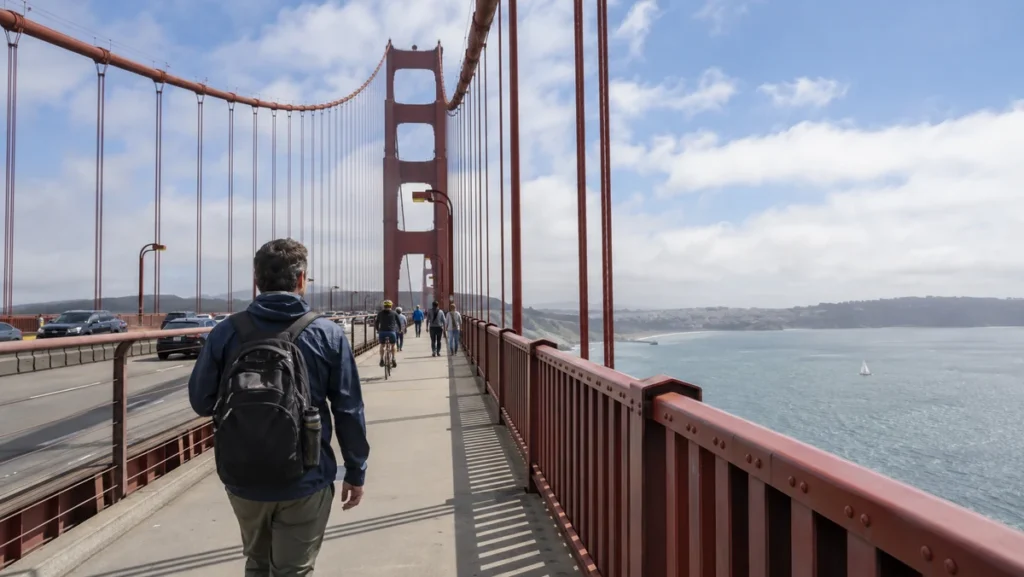
From the walkway, I noticed the scale, traffic vibration, cold wind off the bay, and how quickly the temperature dropped compared with downtown.
I originally considered walking the whole 1.7-mile span and back. For a short first trip, that was unnecessary. Walking partway gave me the bridge experience and bay views without using several hours.
Allow around 60–90 minutes for a partial walk.
Walking is free.
Golden Gate Bridge official visitor information
Time: 1–2 hours
Cost: Free on foot
Best lesson from my visit: Carry another layer even if downtown feels warm.
2. Give Alcatraz Enough Time
Alcatraz was the attraction I expected to be most overhyped.
It was not.
The experience started on the ferry. As San Francisco receded behind me, the island felt much more isolated than it appeared from the waterfront.
I also underestimated the uphill walk between the dock and cellhouse.
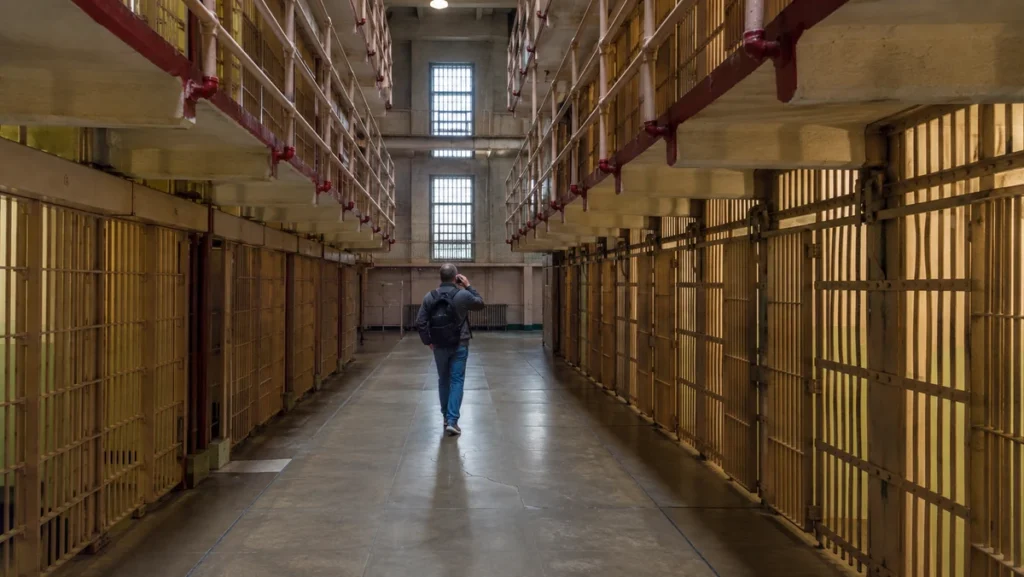
The audio tour was the strongest part for me, and rushing it would have defeated the point of coming.
The current adult Day Tour costs $47.95. Ferry transportation and the cellhouse audio experience are included. Alcatraz City Cruises is the National Park Service-authorized ferry operator, and popular departures can sell out, so this was the reservation I considered most important to make early.
National Park Service Alcatraz information
Time: About 2.5–3.5 hours
Cost: $47.95 adult Day Tour
Book ahead: Yes
My take: If I paid for only one major San Francisco attraction, this would be it.
3. Give the Presidio More Than a Quick Stop
The Presidio was one of the places I planned badly—in a good way.
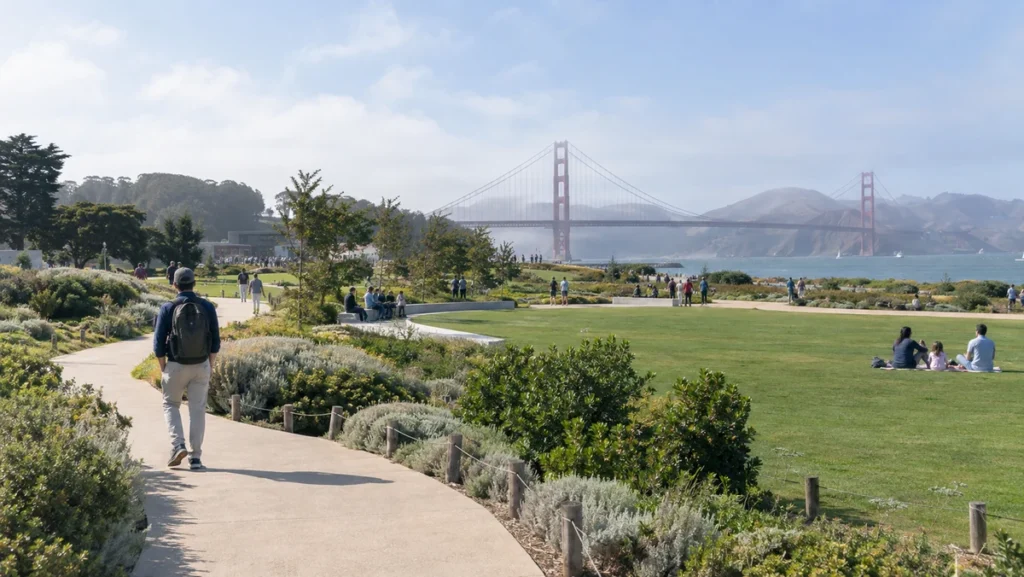
I had treated it mainly as somewhere to pass through before the Golden Gate Bridge. Once I reached Tunnel Tops and started walking toward Crissy Field, it became obvious that the park deserved its own block of time.
The open lawns, trails, bay views, picnic areas, and bridge perspectives were a welcome change after busier city streets.
The free Presidio GO Shuttle connects downtown with the Presidio in about 25 minutes. A second route serves destinations inside the park, including Baker Beach, and the shuttles are wheelchair accessible.
Official Presidio GO Shuttle information
Time: 1.5–3 hours
Cost: Free
4. Keep the Palace of Fine Arts Short
The Palace of Fine Arts looked almost unreal when I first approached it.
The huge rotunda, columns, lagoon, and surrounding greenery deserved a walk, but I did not need several hours here.
Around 30–60 minutes was enough.
Its real advantage is location. It fits naturally between the Presidio, Marina, and Golden Gate Bridge side of the city.
Cost: Free
Best combined with: Presidio, Crissy Field, or Marina.
5. Use Baker Beach as a Viewpoint
Baker Beach gave me one of my favorite Golden Gate Bridge views.
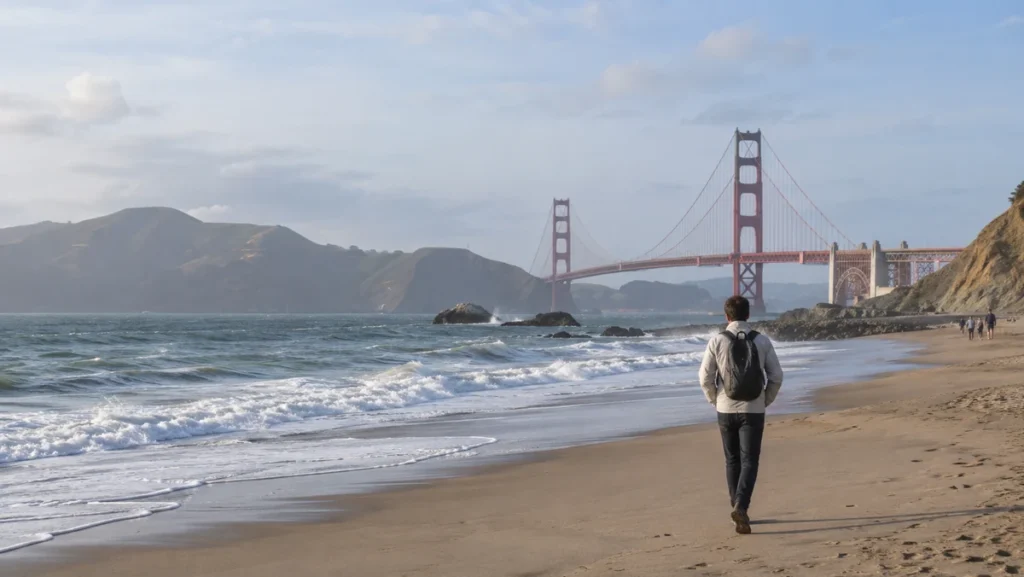
The Pacific surf, sand, cliffs, and bridge create a completely different scene from the visitor areas beside the bridge.
The beach felt colder and windier than other parts of San Francisco, which was another reminder not to judge the day’s weather from one neighborhood.
I treated it as a scenic stop rather than planning a traditional beach afternoon.
Time: 45–90 minutes
Cost: Free
Best for: Photography and clear sunsets.
6. Ride a Cable Car Once
The cable car was expensive transportation but a worthwhile San Francisco experience.
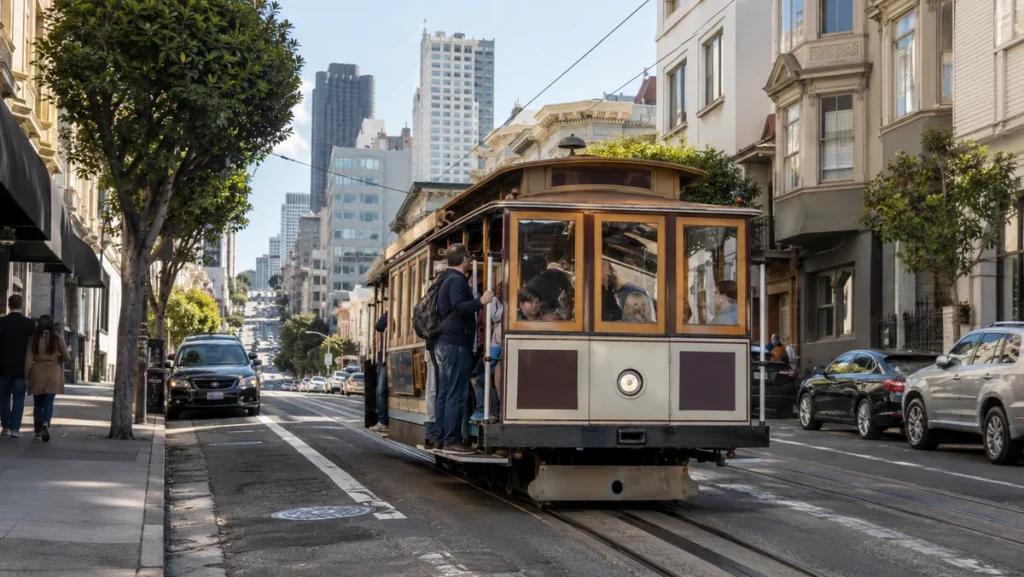
A single ride currently costs $9. A standard adult Muni ride paid with Clipper or a contactless card costs $2.85 and includes 120 minutes of travel, while a Muni Day Pass excluding cable cars costs $5.70.
That made the decision easy: I used the cable car for the experience and regular Muni for most actual transportation.
Cable car: $9
Regular Muni: $2.85
My mistake: Wasting too much time in a Powell Street cable-car queue.
7. See the Pier 39 Sea Lions, Then Move On
Fisherman’s Wharf and Pier 39 were as touristy as I expected.
I still think they belong in a first visit.
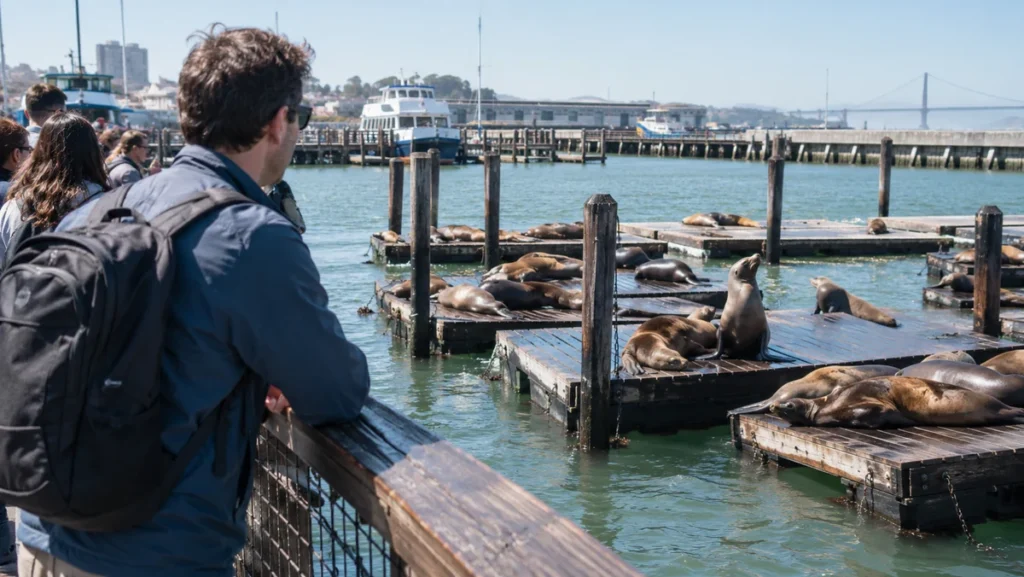
The sea lions were entertaining, and the waterfront location makes this area easy to combine with Alcatraz and the Embarcadero.
The souvenir-heavy parts became repetitive fairly quickly.
Around 90 minutes to two hours was enough for me.
A clam chowder sourdough bread bowl in this area typically costs roughly $15–22.
My take: Tourist-heavy, but still worth seeing once.
8. Start a Morning at the Ferry Building
The Ferry Building worked because it combined sightseeing with breakfast.
I picked up food and coffee, looked through the market stalls, and then continued north along the Embarcadero.
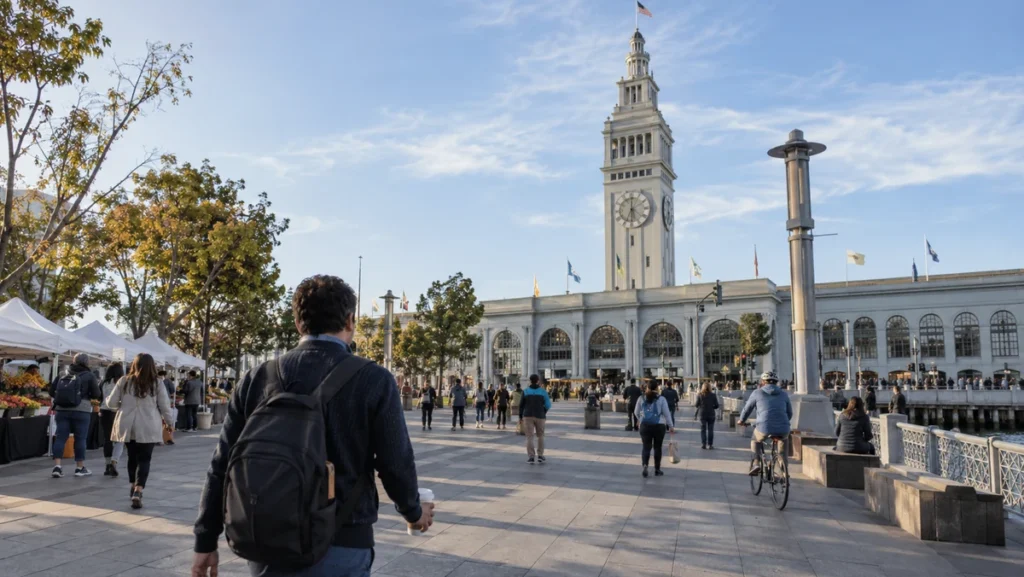
Budget roughly $12–20 for a simple breakfast or $20–35 for lunch.
This was also where geographic planning started paying off. Instead of making separate trips to the Ferry Building, waterfront, and Pier 39, I connected them on foot.
9. Go Beyond Chinatown’s Main Street
Dragon Gate and Grant Avenue are the obvious introduction to Chinatown.
The neighborhood became much more interesting after I stepped away from the main visitor flow.
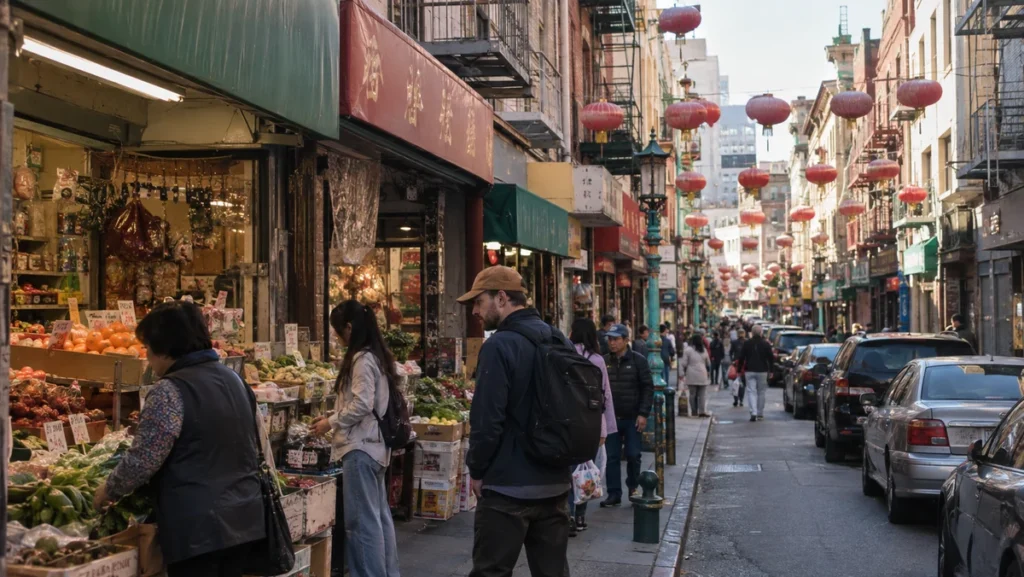
Side streets, bakeries, produce shops, restaurants, and small storefronts gave the area more character than a simple walk beneath the gate.
A casual meal cost roughly $15–30 per person.
Time: 1.5–3 hours
Lesson: Do not treat Chinatown as a 20-minute photo stop.
10. Continue into North Beach
One of my favorite San Francisco walks needed no transport at all.
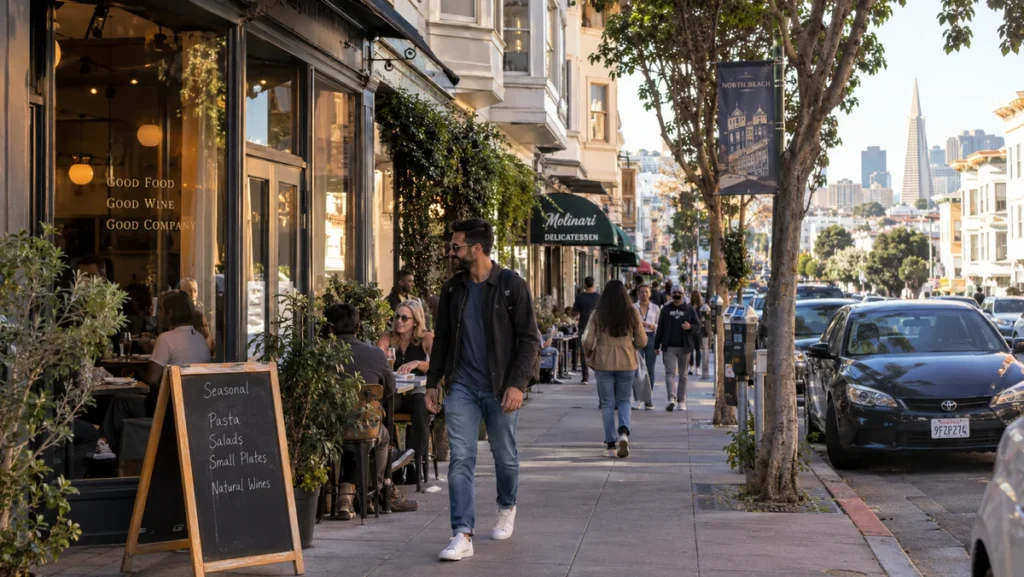
Chinatown gradually gave way to North Beach’s Italian restaurants, bakeries, cafés, bars, and bookstores.
I had planned roughly an hour here and stayed much longer.
A pizza, sandwich, or bakery stop generally costs $12–20, while a sit-down pasta dinner is more realistically $25–45 per person before drinks, tax, and tip.
For an evening after waterfront sightseeing, North Beach felt much more enjoyable to me than staying around Fisherman’s Wharf.
11. Climb to Coit Tower in Clear Weather
Coit Tower worked best as part of a Telegraph Hill walk.
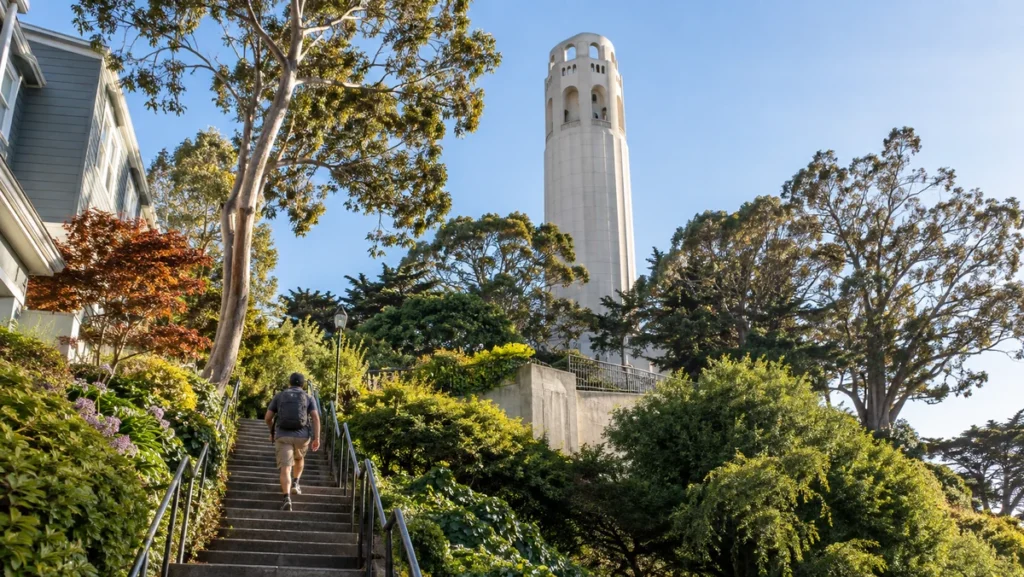
The Filbert Street and Greenwich Street steps make the journey more interesting, and the historic murals at the base are worth seeing before going higher.
For nonresidents, the current adult elevator fee is $11.
One practical limitation is easy to miss: the historic elevator can occasionally be unavailable, in which case reaching the observation level may require climbing 13 flights of stairs.
Official Coit Tower information
Time: 45–75 minutes
Cost: $11 nonresident adult
My take: Pay for the observation level when visibility is good.
12. Give Lombard Street 20 Minutes
Lombard Street was attractive, unusual, crowded, and much quicker to experience than I expected.
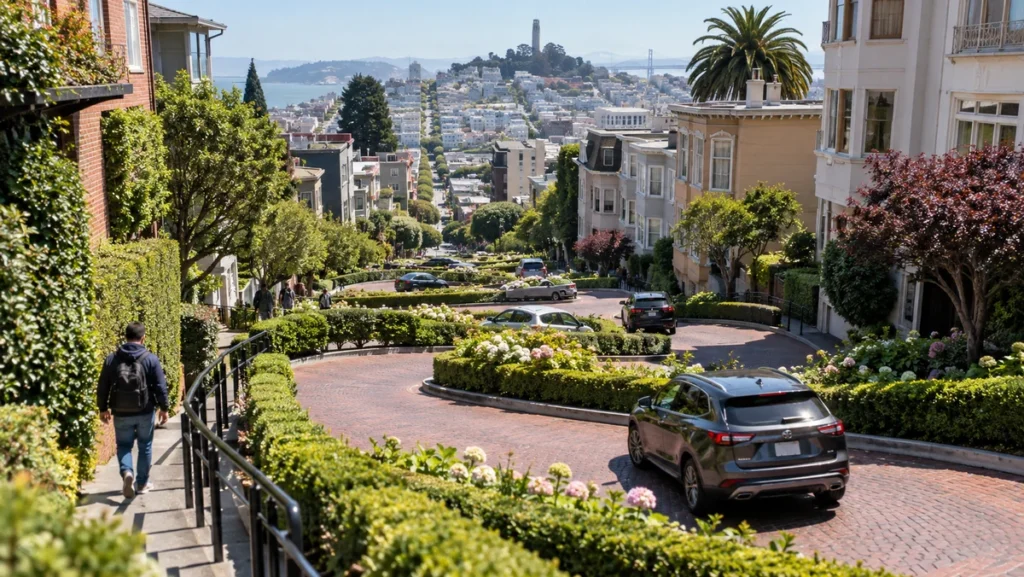
I walked the crooked section, looked back uphill, took a few photographs, and was ready to continue.
I was glad I saw it.
I was equally glad I had not built half a day around it.
Time: 20–30 minutes
Cost: Free
Best combined with: Russian Hill, cable cars, North Beach, or Fisherman’s Wharf.
13. See the Painted Ladies from Alamo Square
The Painted Ladies looked better as part of the wider Alamo Square scene than they did close up.
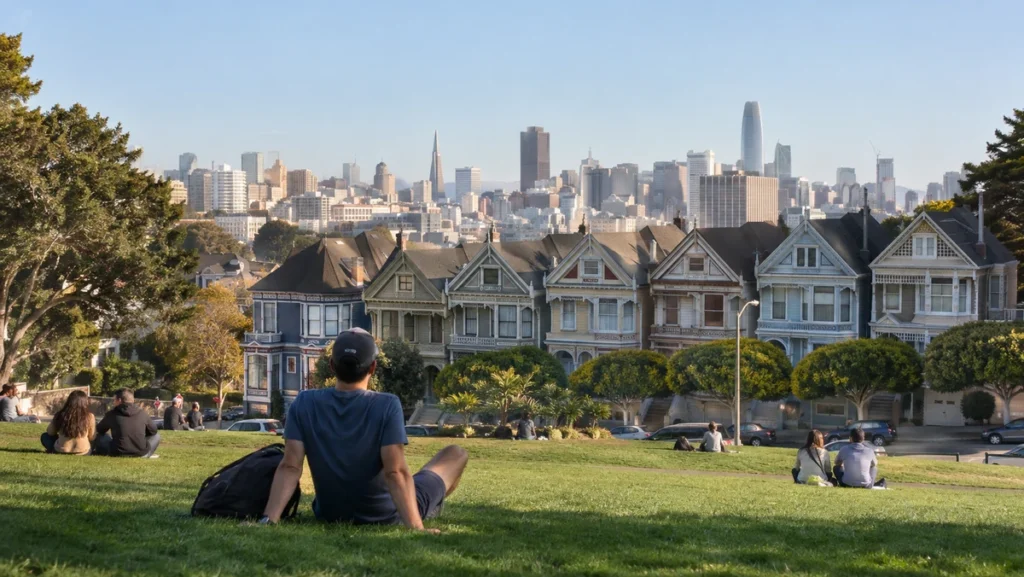
I spent more time sitting on the grass looking toward the Victorian houses and downtown skyline than walking in front of the homes.
This is a photographic stop rather than a major attraction.
Time: 30–45 minutes
Cost: Free
14. Pick a Small Part of Golden Gate Park
Golden Gate Park was where my original itinerary became unrealistic.
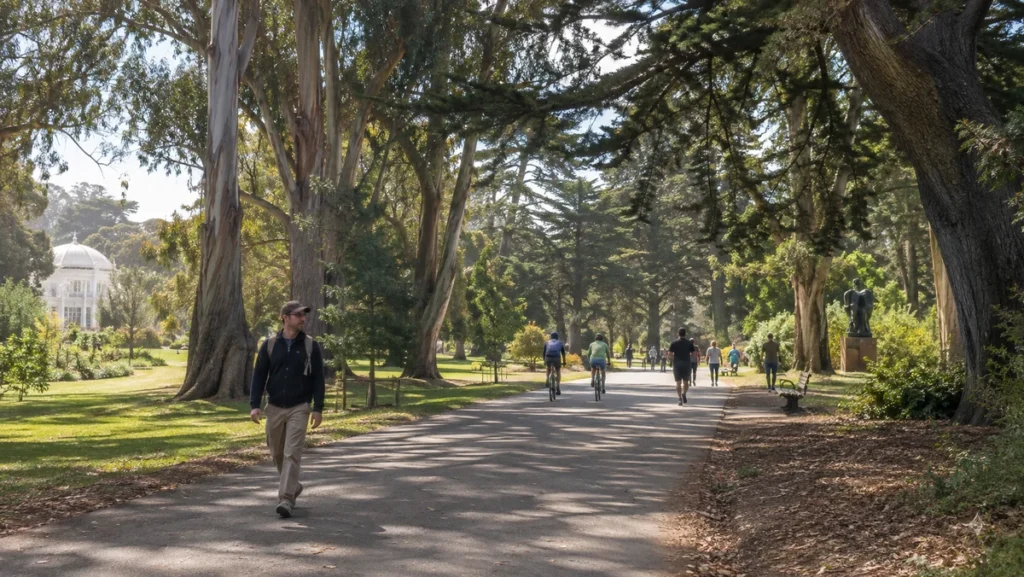
Gardens, museums, trails, lakes, and other attractions looked easy to combine on a map. Trying to do everything would have turned the visit into a race.
Choosing one paid attraction and one or two outdoor stops worked much better.
Minimum useful time: About 2 hours
Better: Half a day
Best approach: Decide your priorities before arriving.
15. Enter the Japanese Tea Garden Early
The Japanese Tea Garden felt much better before its narrow paths filled.
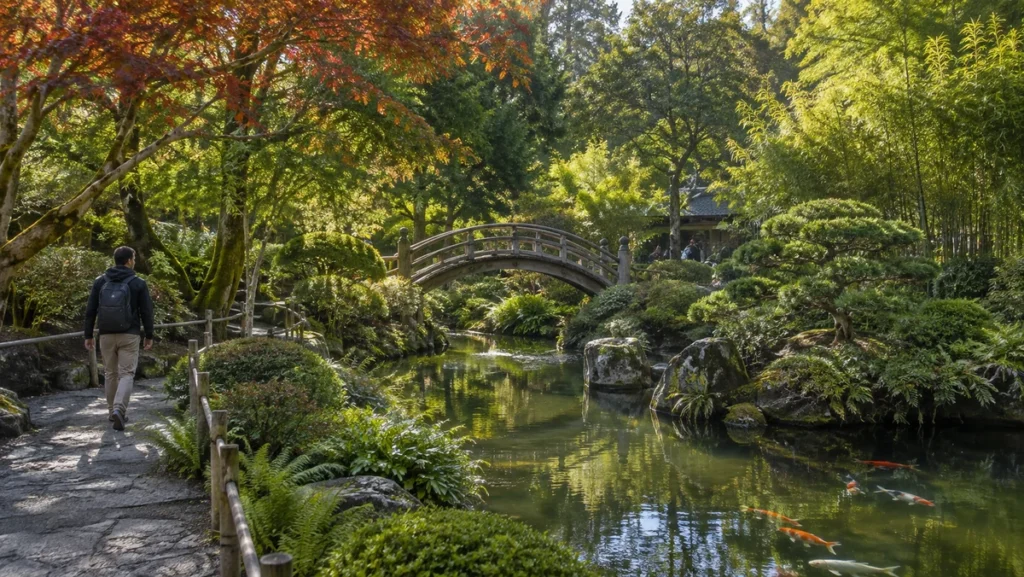
I enjoyed the bridges, stone paths, ponds, and landscaping more when I could slow down.
The garden opens daily at 9 a.m. Everyone currently receives free admission from 9–10 a.m. on Monday, Wednesday, and Friday, while San Francisco residents qualify for free general admission with proof of residency.
Nonresident adult admission uses flexible pricing, so I would budget roughly $15–20 outside the free period rather than treating one figure as permanent.
Japanese Tea Garden official hours and admission
Time: 45–75 minutes
My take: Arrive close to opening.
16. Choose One Major Golden Gate Park Museum
I resisted turning Golden Gate Park into a museum marathon.
That was the right decision.
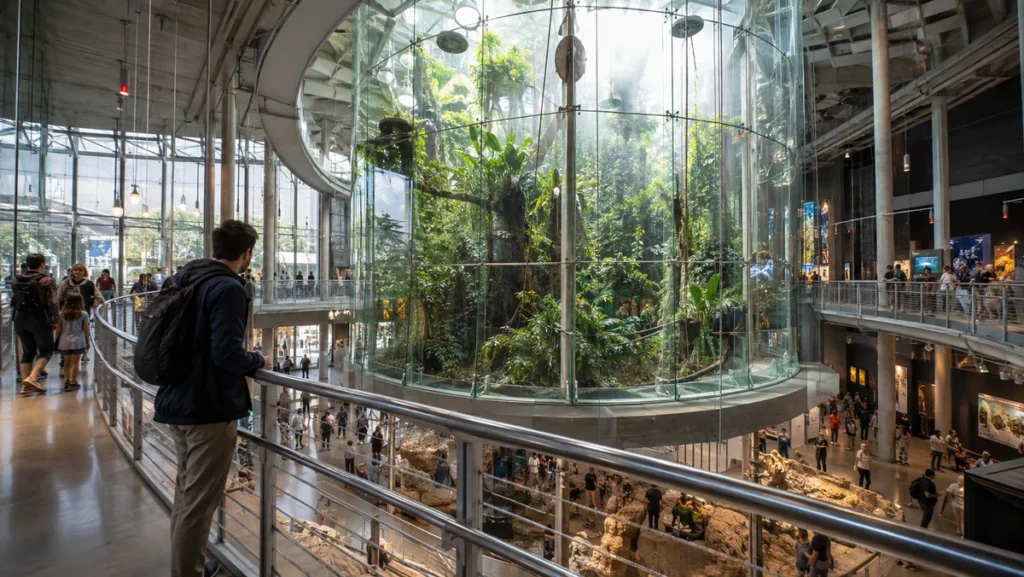
For families or travelers interested in science and natural history, the California Academy of Sciences combines an aquarium, planetarium, rainforest, and natural-history exhibits.
Current adult daytime admission is $49, rising to $55 during peak periods. Anytime Admission is $59.
Official California Academy of Sciences tickets
Allow 2.5–4 hours.
Art-focused visitors may prefer the de Young nearby.
Unless museums are the focus of your trip, pick one.
17. Walk Haight-Ashbury with Some Context
Haight-Ashbury became more interesting once I stopped expecting a neighborhood frozen in the 1960s.
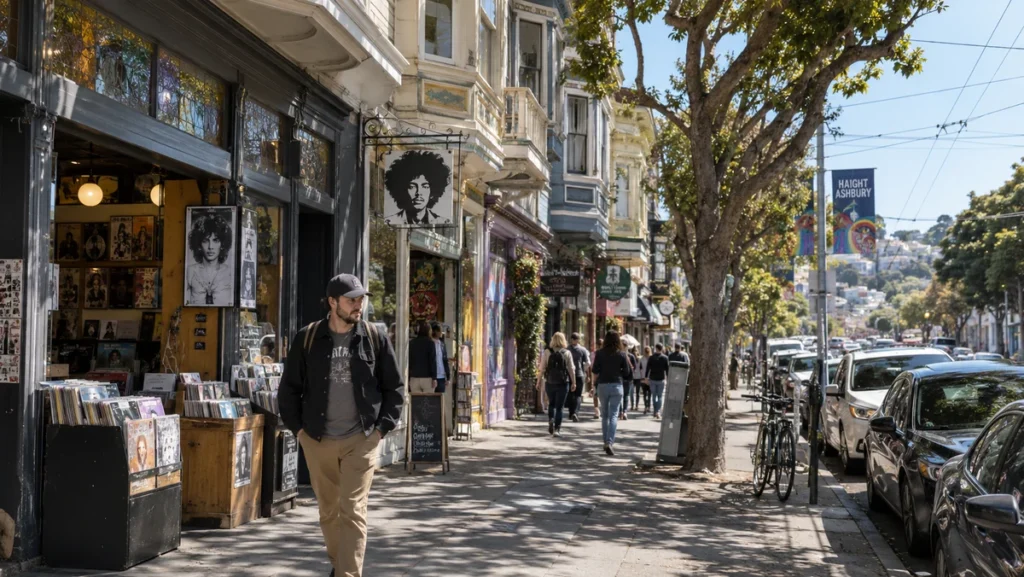
Today it is a working district with vintage shops, cafés, record stores, restaurants, and Victorian buildings alongside reminders of its counterculture history.
Knowing something about the Summer of Love, the Grateful Dead, and the area’s music history added more to the experience than simply photographing the street signs.
Time: 1–2 hours
Cost: Free unless you shop or eat.
18. Leave Several Hours for the Mission
The Mission was one of the places where I stayed longer than planned.
After several famous attractions, it felt good to spend time somewhere with more ordinary neighborhood life.
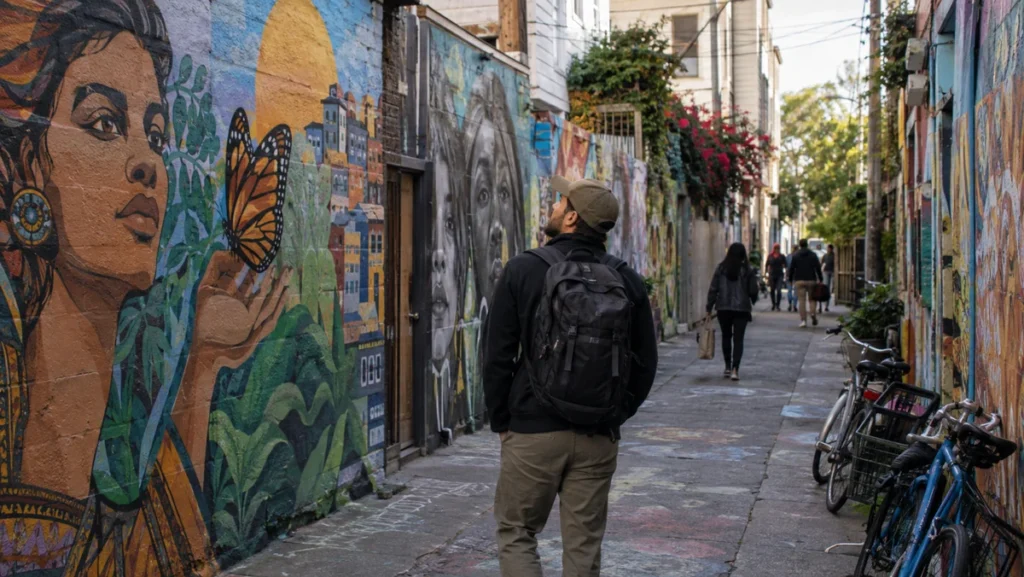
I explored mural areas, walked around Valencia and Mission streets, ate locally, and finished near Dolores Park.
A substantial burrito or taco meal generally costs around $12–22, which felt like much better value than many waterfront meals.
Time: 2–4 hours
My take: Do not squeeze the Mission into the final hour of your itinerary.
19. Keep Twin Peaks Flexible
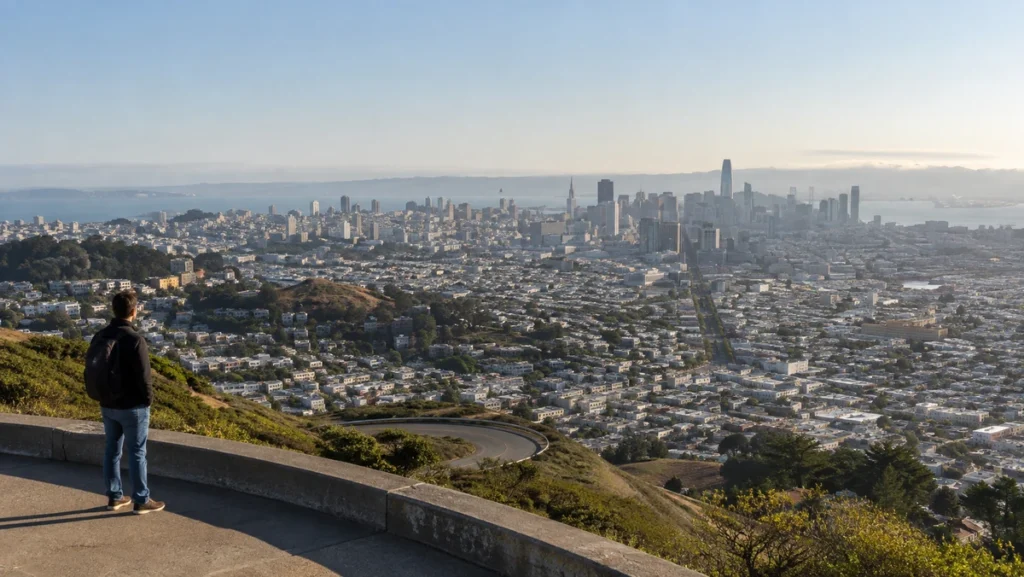
Twin Peaks can produce one of the widest views across San Francisco.
It can also produce a view of fog.
I kept this stop flexible and checked conditions before making the trip.
That was much smarter than assigning it a fixed time several days in advance.
Time: 45–75 minutes including transport
Cost: Free
Best strategy: Let the weather decide.
20. Keep SFMOMA for an Indoor Block
SFMOMA worked well when I wanted a substantial indoor activity rather than another outdoor viewpoint.
General adult admission is currently $30, while visitors aged 18 and younger enter free.
Official SFMOMA visitor information
A general visitor can comfortably spend 2–4 hours here.
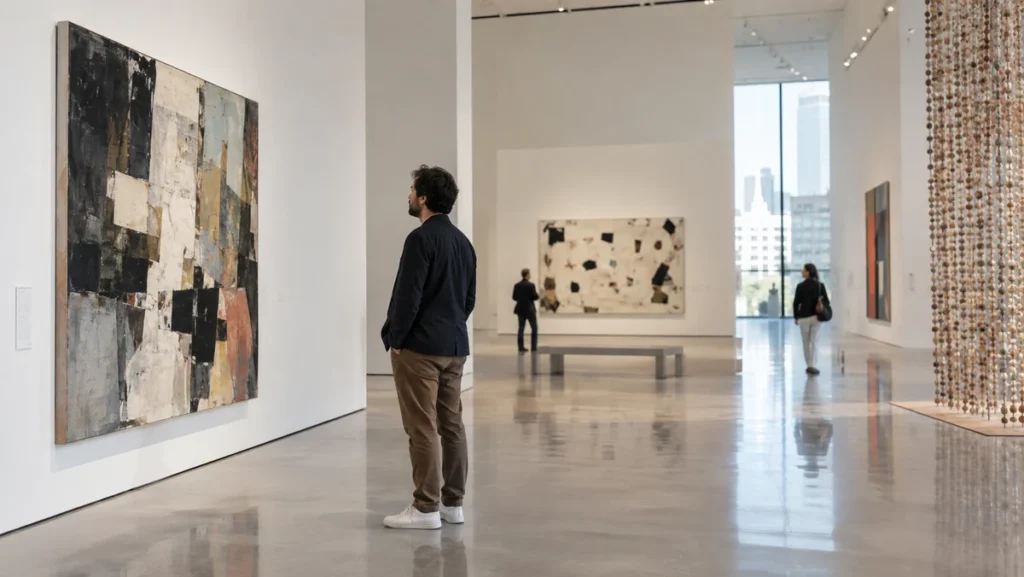
It is particularly useful when fog or rain lowers the value of Twin Peaks, Baker Beach, or a long waterfront walk.
Cost: $30 adult
Time: 2–4 hours
My 3-Day San Francisco Itinerary
Three days worked because I stopped crossing the city unnecessarily.
| Day | Morning | Afternoon | Evening | Approx. Paid Sightseeing & Transit |
|---|---|---|---|---|
| Day 1: Bay & waterfront | Ferry Building and Embarcadero | Alcatraz | Pier 39 and North Beach | About $55–70 |
| Day 2: Golden Gate side | Presidio and Golden Gate Bridge | Palace of Fine Arts and Baker Beach | Marina or North Beach dinner | About $6–20 |
| Day 3: Park & neighborhoods | Golden Gate Park | Haight-Ashbury and Mission | Dolores Park and Mission dinner | About $15–70 |
Day 1: Waterfront, Alcatraz and North Beach
Start around 8:30 a.m. at the Ferry Building with breakfast.
Walk part of the Embarcadero before taking a late-morning Alcatraz ferry. Allow roughly three hours for the island and ferry journey.
After returning, continue toward Pier 39 and Fisherman’s Wharf.
Finish in North Beach rather than spending the whole evening on the tourist waterfront.
Day 2: Presidio, Bridge and Baker Beach
Start around 9 a.m. at Presidio Tunnel Tops.
Continue toward Crissy Field and the Golden Gate Bridge, allowing roughly an hour around the bridge.
The Palace of Fine Arts fits naturally afterward.
Keep Baker Beach for later in the afternoon, but drop it if fog has completely removed the bridge view.
Day 3: Golden Gate Park, Haight and the Mission
Begin inside Golden Gate Park.
Choose the Japanese Tea Garden plus outdoor exploration or one major museum.
Continue into Haight-Ashbury, then take Muni toward the Mission.
Finish with murals, food, and Dolores Park rather than trying to fit another distant landmark into the evening.
Getting Around San Francisco Without a Car
A rental car would have added more problems than it solved during my city sightseeing.
Walking, Muni, BART, and occasional rideshares covered what I needed.
| Transport | Typical Cost | Best Use | My Experience |
|---|---|---|---|
| Walking | Free | Neighborhoods and clustered sights | Best way to notice the city, but hills matter |
| Regular Muni | $2.85 adult | Most city journeys | My everyday choice |
| Muni Day Pass | $5.70 | Several regular Muni rides | Good value; cable cars excluded |
| Cable car | $9 | Experience | Worth riding once |
| 1-Day Visitor Passport | $15 | Heavy Muni + cable-car use | Useful on a cable-car-heavy day |
| BART | Distance-based | Airport and certain city corridors | Fast where it serves |
| Rideshare | Roughly $12–30 for many city trips | Awkward routes or late evenings | Convenient but adds up |
BART connects San Francisco International Airport with downtown in about 30 minutes. The fare gates accept contactless bank cards, Apple Pay, Google Pay, and Clipper.
For travel between SFO and central San Francisco, I would budget roughly $11–13 one way, depending on the exact station.
Official BART SFO airport guide
The Hill Mistake I Made
A journey that looked short on my phone sometimes included enough climbing to make it feel twice as long.
After my first day, I stopped checking only distance and started paying attention to elevation and transit routes.
That made the rest of the trip noticeably easier.
Where to Stay on a First San Francisco Trip
For a short visit, location mattered more to me than chasing the cheapest room.
Hotel prices move sharply with conventions, weekends, holidays, room type, and booking dates, so these are realistic planning ranges rather than fixed rates.
| Area | Best For | Typical Double-Room Range | Main Trade-Off |
|---|---|---|---|
| Union Square | Transit and first-trip convenience | About $160–300/night | Less neighborhood character |
| Fisherman’s Wharf | Families and waterfront attractions | About $190–330/night | Very tourist-heavy |
| North Beach | Food and evening atmosphere | About $180–320/night | Fewer large hotels |
| Marina/Cow Hollow | Golden Gate side and quieter evenings | About $180–320/night | No direct BART |
| Mission District | Food and nightlife | About $150–280/night | Farther from Golden Gate sights |
For three days, saving daily travel time mattered more than saving a small amount on a hotel far from the areas I wanted to explore.
What a San Francisco Trip Can Cost
San Francisco can become expensive quickly, but many of its strongest experiences are free.
The Golden Gate Bridge, Chinatown, North Beach, Presidio, Baker Beach, Painted Ladies, Dolores Park, Lombard Street, and neighborhood walks cost nothing to enter.
| Travel Style | Accommodation | Food | Transport & Attractions | Estimated Daily Total |
|---|---|---|---|---|
| Budget | $70–140 | $35–55 | $20–50 | About $125–245 |
| Mid-range | $180–280 | $60–100 | $45–90 | About $285–470 |
| Comfortable | $320–500 | $110–180 | $70–150 | About $500–830 |
Accommodation assumes roughly one room per night. Two people sharing a room can reduce the per-person total considerably.
My easiest savings came from walking neighborhoods, using Muni instead of repeated rideshares, choosing one major museum, and balancing paid attractions with free parks and viewpoints.
Alcatraz was where paying extra felt justified.
Food Stops That Fit Naturally into Sightseeing
The easiest food plan was simply eating in the neighborhood I was already exploring.
| Stop | Area | Good For | Estimated Spend | My Take |
|---|---|---|---|---|
| Ferry Building Marketplace | Embarcadero | Coffee, breakfast, lunch | $12–35 | Ideal waterfront start |
| Chinatown | Chinatown | Dim sum, dumplings, bakery snacks | $10–30 | Better beyond Grant Avenue |
| North Beach | North Beach | Pizza, pasta, cafés | $15–45 | My preferred evening area |
| Mission taquerias | Mission | Burritos and tacos | $12–22 | Excellent value |
| Fisherman’s Wharf | Waterfront | Chowder and sourdough | $15–30 | Tourist-priced but fun once |
I stopped trying to cross town for individual viral restaurants. Pairing meals with sightseeing saved time and usually made the day flow better.
San Francisco Weather Changed the Way I Planned
San Francisco’s reputation for microclimates made much more sense once I experienced it.
I could be comfortable in sunshine in one neighborhood and want my jacket again near the water.
San Francisco Travel identifies August through October as the warmest period, while summer mornings and evenings can still bring fog. Conditions can change noticeably within only a few blocks.
Official San Francisco Travel weather and packing advice
A light windbreaker or sweater stayed useful throughout the trip.
| Period | Typical Conditions | Crowds | Practical Take |
|---|---|---|---|
| March–May | Mild with some spring rain | Moderate | Good walking conditions |
| June–August | Cool mornings, wind and fog | High | Do not expect Southern California heat |
| September–October | Often warmer and clearer | Moderate-high | Excellent for outdoor sightseeing |
| November–February | Cooler with wetter periods | Lower | Better if lower crowds matter more than weather |
Comfortable walking shoes mattered almost as much as the jacket.
What I Would Shorten on a First Trip
I would not automatically skip famous places just because they are touristy.
The better strategy is controlling how much time they get.
Pier 39: See the sea lions and waterfront, then continue.
Lombard Street: Twenty to thirty minutes was enough.
Union Square: Useful for hotels and transport, but not where I would spend a major sightseeing block.
Multiple Golden Gate Park museums: Choose one unless museums are central to your trip.
Driving between city attractions: Parking and traffic usually create more work.
Too many viewpoints: Golden Gate Bridge, Baker Beach, Twin Peaks, Coit Tower, and Alamo Square are all different, but a three-day itinerary does not need every one.
The biggest mistake I almost made was treating San Francisco as a checklist.
The neighborhoods often stayed with me longer than the individual landmarks.
Save Day Trips for Day Four
Muir Woods, Sausalito, Napa Valley, and Sonoma regularly appear in lists of San Francisco activities, but they take you outside the city.
For a two- or three-day first trip, I would stay in San Francisco.
With four or five days, Muir Woods and Sausalito make a logical addition.
Wine country deserves enough time to enjoy rather than being squeezed into a rushed half-day.
Final Thoughts
After three days, my favorite version of San Francisco was not the one where I collected the most landmarks.
It was the version where I left enough time to walk.
Alcatraz was worth the money, and the Golden Gate Bridge deserved its reputation. But I remember just as clearly walking from Chinatown into North Beach, eating in the Mission, sitting in Alamo Square, getting caught by cold wind near the bridge after being warm elsewhere, and realizing how badly I had underestimated the Presidio.
If I planned the same trip again, three decisions would stay unchanged:
Book Alcatraz early, skip the rental car, and organize each day by neighborhood rather than by attraction ranking.
That was what stopped San Francisco from becoming a rushed checklist.