



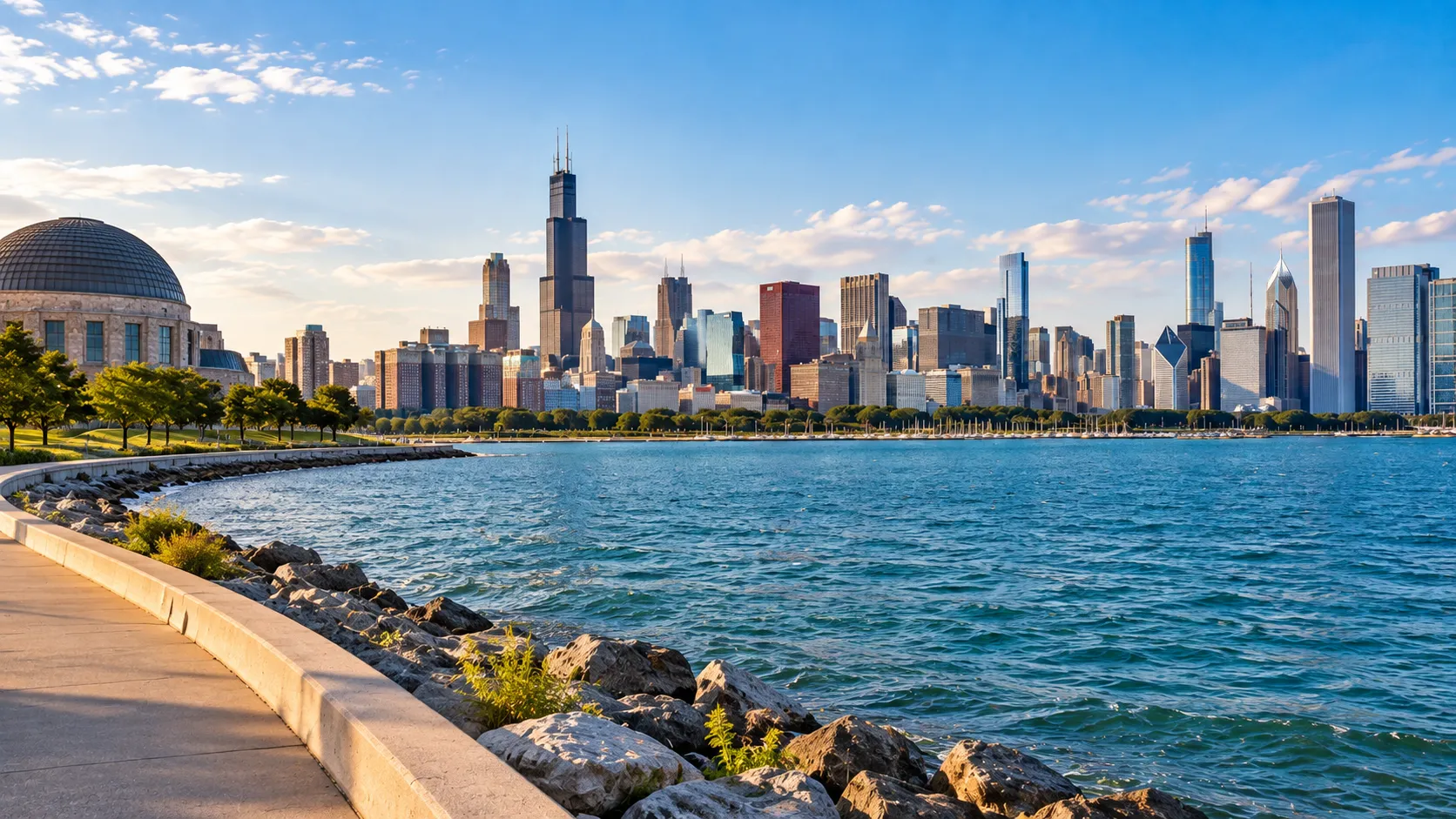
I visited Chicago in September 2026, when the days were still comfortable enough for long walks along the river and Lake Michigan but the city felt easier to explore than I expected from peak-summer photos.
My biggest planning mistake was assuming most famous Chicago attractions could be packed into the same day. They look close on a map, but museums take hours, neighborhood trips add transit time, and attractions such as the architecture cruise are much better when you are not rushing to the next reservation.
For a first visit, I’d give Chicago at least three full days. The architecture river cruise was the paid experience I valued most, while Millennium Park, the Riverwalk, Lake Michigan, and exploring neighborhoods beyond downtown delivered some of the best parts of the trip for free.
These are the 20 best things to do in Chicago I’d prioritize after visiting, including what deserves your time, realistic costs, booking needs, and a three-day itinerary that avoids unnecessary backtracking.
Chicago attractions at a glance
| Experience | Area | Time I’d Allow | Approx. Adult Cost | Booking | My Take |
|---|---|---|---|---|---|
| Architecture river cruise | Chicago River | 1.5–2 hrs | From $57 | Book ahead | My top paid experience |
| Millennium Park | The Loop | 45–90 min | Free | No | Essential first stop |
| Art Institute | The Loop | 2.5–4 hrs | About $30–35 | Useful | Worth giving real time |
| Chicago Riverwalk | Downtown | 1–2 hrs | Free | No | Excellent free walk |
| Skydeck Chicago | The Loop | 1–2 hrs | From $32 | Book ahead | Best for The Ledge |
| 360 Chicago | Magnificent Mile | 1–1.5 hrs | From $30 | Useful | Better lake views |
| Navy Pier | Streeterville | 1–2 hrs | Free entry | Usually no | Don’t overschedule it |
| Field Museum | Museum Campus | 3–4 hrs | About $30+ | Useful | Natural-history pick |
| Shedd Aquarium | Museum Campus | 3–4 hrs | About $35–45+ | Yes | Strong family option |
| Lincoln Park Zoo | Lincoln Park | 2–3 hrs | Free | No | Excellent value |
| Lakefront Trail | Lakefront | 1–3 hrs | Free | No | One of my favorite breaks |
| Wrigley Field | Lakeview | 3–4 hrs | About $20–150+ | Yes | Best for baseball fans |
| Chicago Cultural Center | The Loop | 30–60 min | Free | No | Easy free addition |
| Obama Presidential Center | Jackson Park | 2–3 hrs | Campus free; museum $30 | Yes | Major new 2026 attraction |
| Griffin MSI | Hyde Park | 3–5 hrs | $25.95 | Useful | Needs half a day |
| Pilsen | Lower West Side | 2–4 hrs | Mostly free | No | Art, murals, food |
| The 606 & Wicker Park | Northwest Side | 2–3 hrs | Free | No | Neighborhood experience |
| Second City | Old Town | 2–3 hrs | About $35–70+ | Yes | Good evening choice |
| Blues or jazz | Various | 2–3 hrs | About $15–40+ | Useful | Distinctly Chicago |
| Chicago food stops | Various | 2–4 hrs | About $25–60 | Usually no | Go beyond deep dish |
Prices are practical 2026 planning figures. Dynamic tickets, special exhibitions, events, and high-demand dates can cost more.
1. Take an architecture river cruise
If I paid for only one major Chicago experience again, it would be the architecture river cruise.
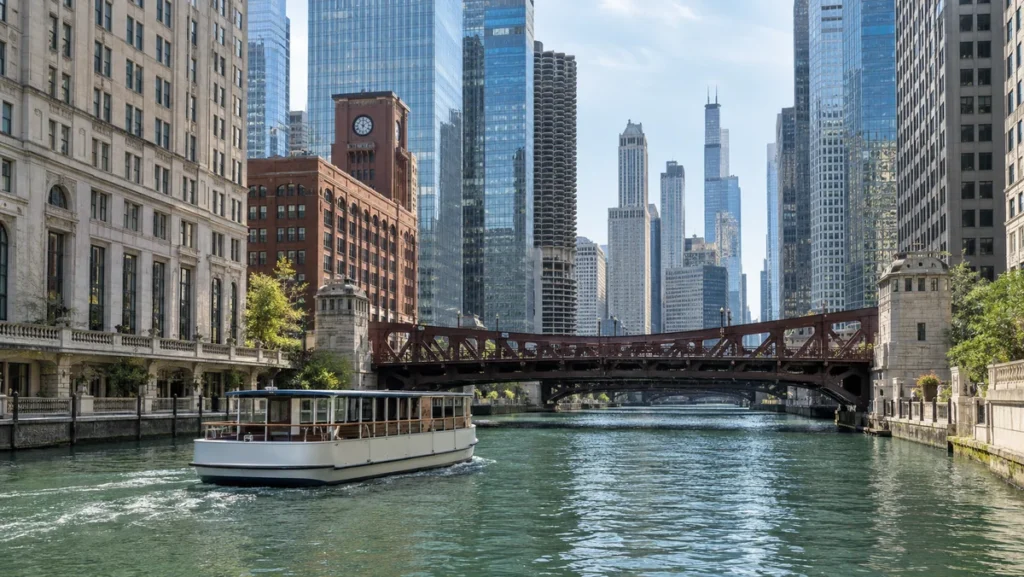
From street level, downtown can feel like one continuous wall of skyscrapers. From the Chicago River, I could finally understand how the buildings fit together and how architecture shaped the city.
The official Chicago Architecture Center River Cruise aboard First Lady lasts 90 minutes, currently starts at $57, and asks passengers to arrive about 30 minutes before departure. Chicago Architecture Center River Cruise
Allow: about 2 hours including boarding
Cost: from $57
Book ahead: yes, particularly for weekends and good-weather dates
I would leave plenty of buffer before departure instead of scheduling another attraction right up against it.
2. See Cloud Gate early at Millennium Park
I expected Cloud Gate, better known as The Bean, to be a quick photo stop. I ended up spending much longer walking around it and watching Chicago’s skyline distort across the polished surface.
Early morning was noticeably easier than later in the day.
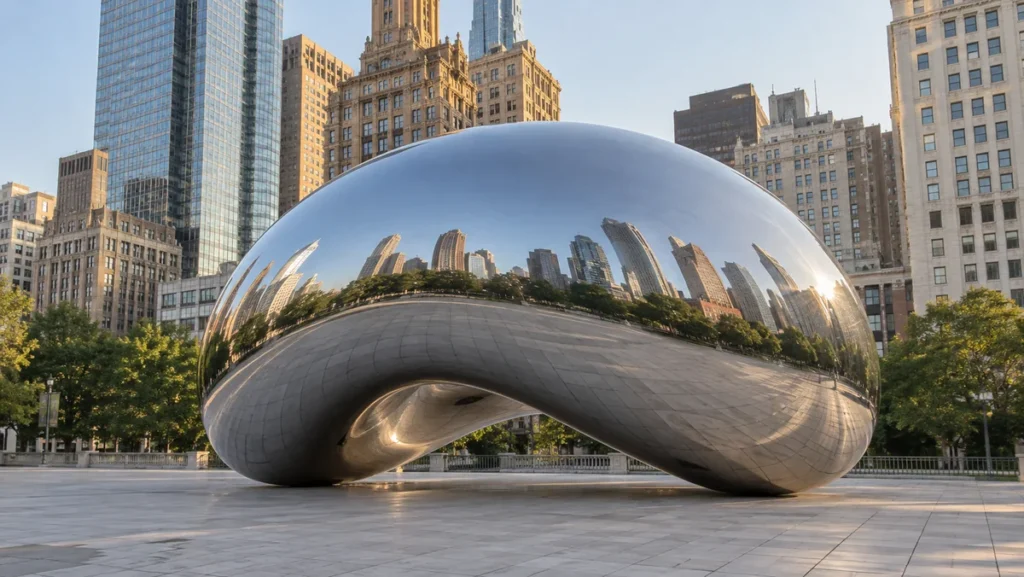
Don’t stop at The Bean. Continue through Millennium Park toward the Jay Pritzker Pavilion, Crown Fountain, and surrounding gardens.
Allow: 45–90 minutes
Cost: free
Best time: early morning
Millennium Park also combines naturally with the Art Institute and Chicago Cultural Center, making it particularly useful on your first day.
3. Give the Art Institute several hours
I initially underestimated the Art Institute of Chicago and tried to fit it between other Loop attractions.
That was unrealistic.
Its collections span Impressionism, American art, European works, Asian art, photography, design, and contemporary pieces. Even without trying to see everything, I needed several hours.
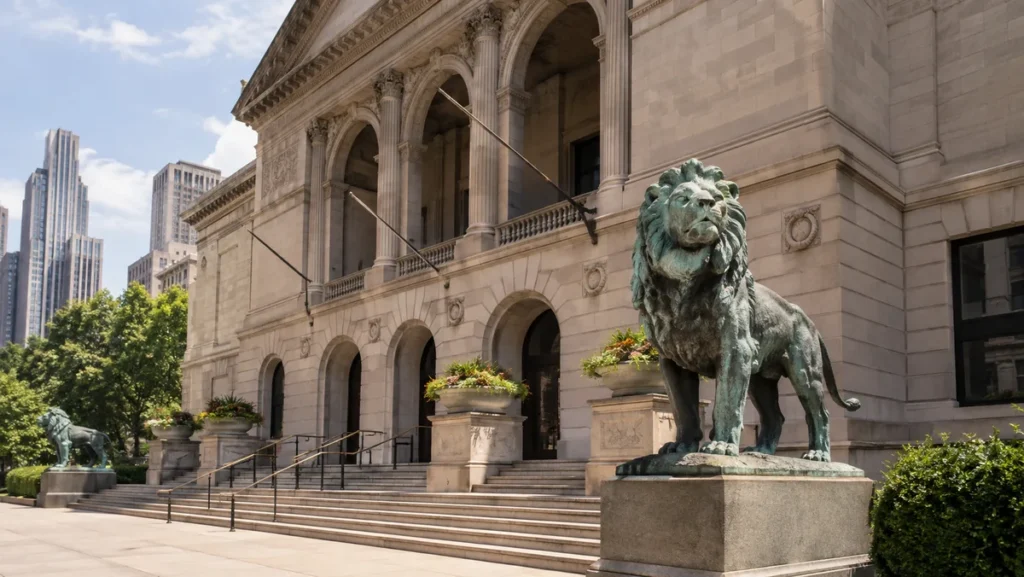
Budget roughly $30–35 for adult admission, depending on current rates and ticket type. Check the official museum information before visiting. Art Institute of Chicago visitor information
Allow: 2.5–4 hours
Best for: art lovers and bad-weather days
Skip on a very short trip if: museums are not important to you
4. Walk the Chicago Riverwalk
The Chicago Riverwalk began as a route between attractions for me and became one of the attractions itself.
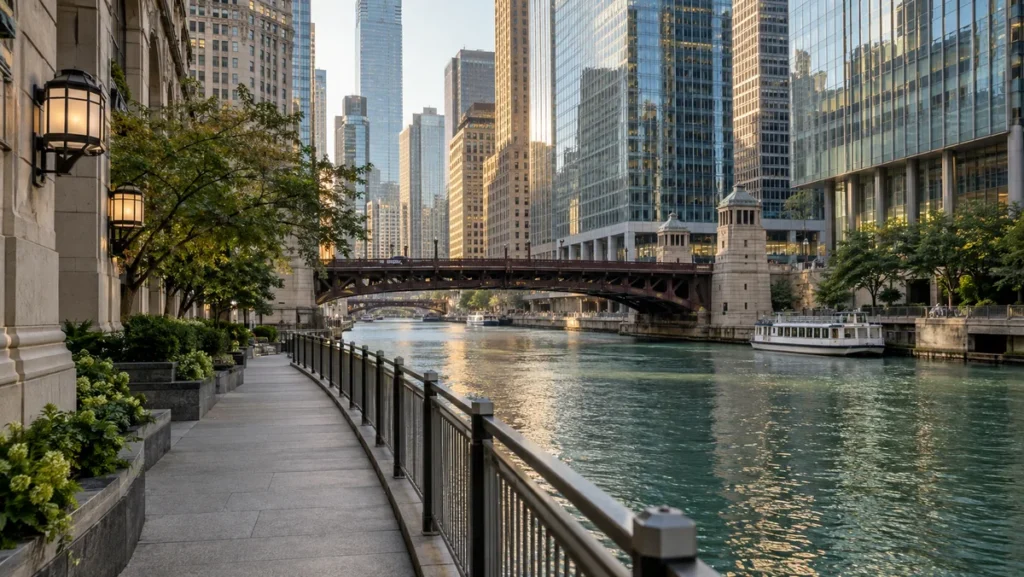
Walking beside the river gave me close views of bridges, historic façades, glass towers, sightseeing boats, and the deep architectural canyon through downtown.
Late afternoon was my favorite time, when the light softened between the buildings.
Allow: 1–2 hours
Cost: free
Combine with: architecture cruise and Magnificent Mile
If you are keeping costs down, this is one of Chicago’s strongest free experiences.
5. Choose Skydeck for The Ledge
The Skydeck sits on the 103rd floor of Willis Tower. The reason I chose it was not simply the height—it was The Ledge, where glass balconies extend outside the building.
Looking directly beneath my feet was more unsettling than I expected.
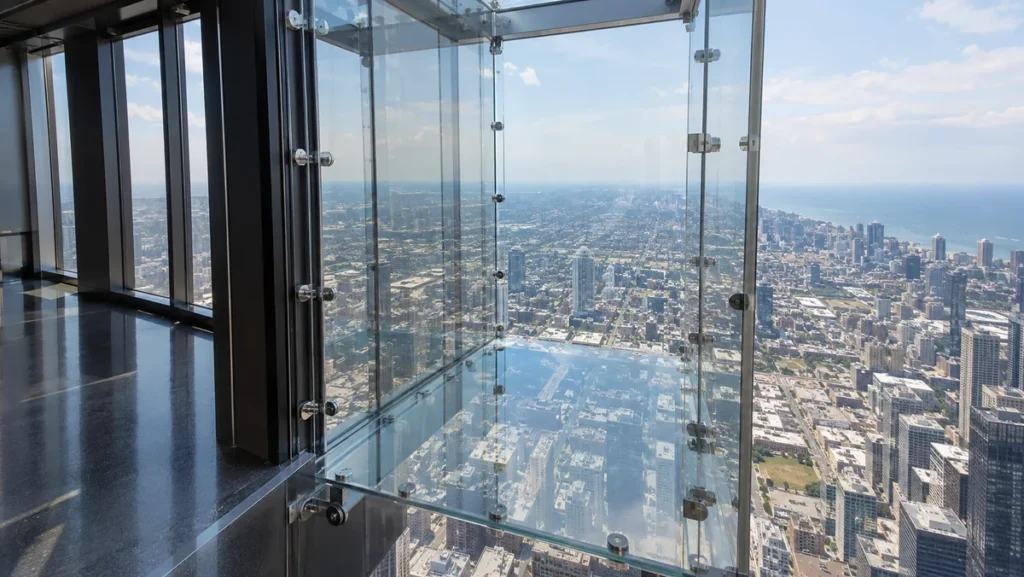
Adult general admission currently starts at $32 and includes the Skydeck observation deck and The Ledge. Skydeck Chicago tickets and visitor information
Allow: 1–2 hours
Cost: from $32
Book ahead: yes, especially around sunset
6. Pick 360 Chicago for stronger lake views
I wouldn’t normally pay for both major observation decks on a short trip.
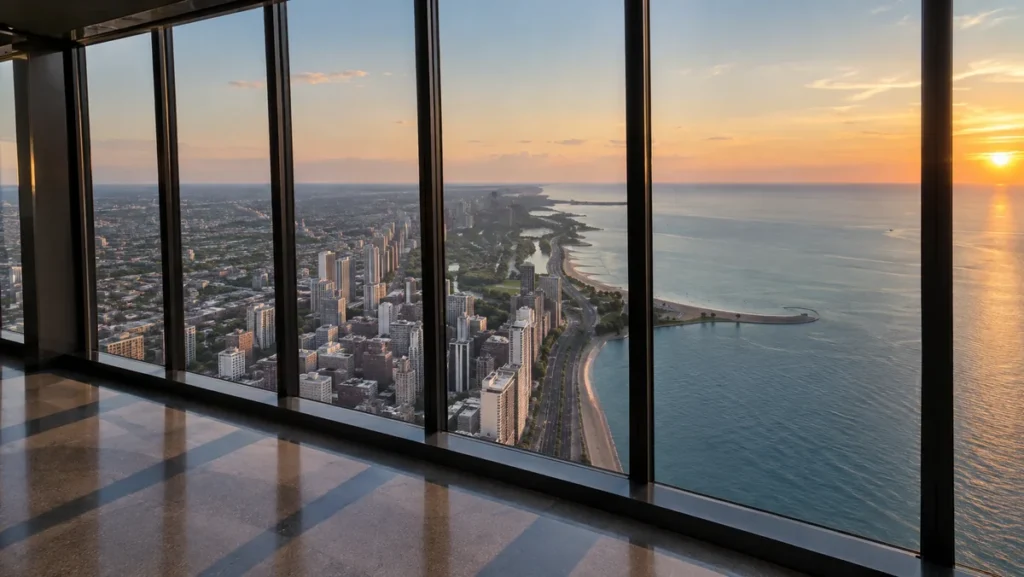
360 Chicago, on the 94th floor at 875 North Michigan Avenue, gave Lake Michigan much more prominence in the view. General admission currently starts at $30 for adults, while packages with TILT cost more.
Allow: 60–90 minutes
Cost: from $30
Best time: late afternoon or sunset
Skydeck vs 360 Chicago
Choose Skydeck if walking onto The Ledge is important.
Choose 360 Chicago if lake views and its Magnificent Mile location appeal more.
For most first trips, I think one observation deck is enough. Saving the second admission fee for the architecture cruise, museum, or dinner gives better variety.
7. Keep Navy Pier relatively short
I almost gave Navy Pier half a day simply because it appears in nearly every Chicago guide.
Unless you are visiting specific attractions there, you probably don’t need that long.
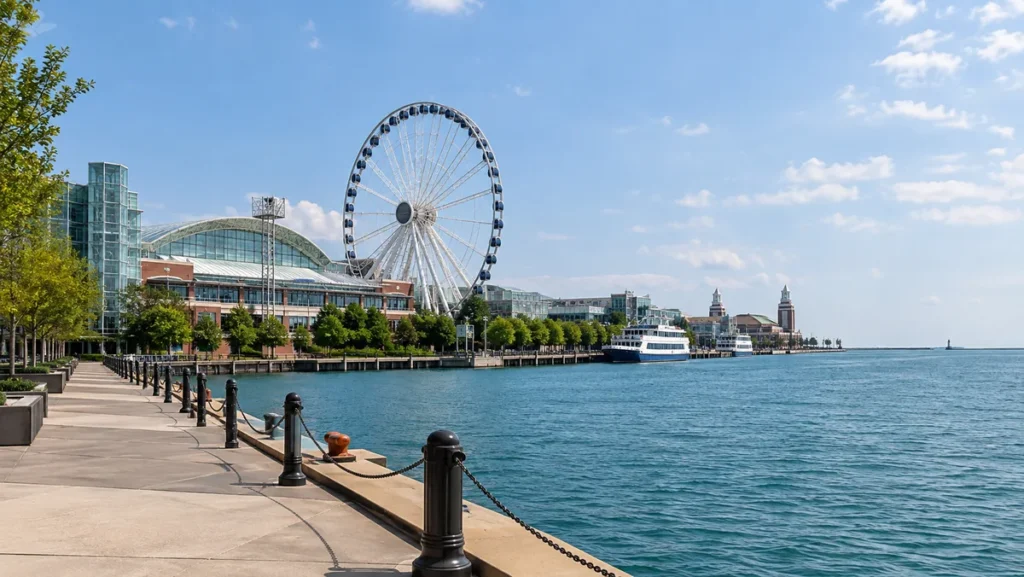
Entry to the pier itself is free. Restaurants, boat trips, the Centennial Wheel, and individual attractions cost extra.
Allow: 1–2 hours
Cost: free to enter; budget roughly $20+ if adding rides or attractions
Best for: families, lake views, and an easy waterfront walk
On a one-day Chicago trip, I would prioritize the architecture cruise and Millennium Park before spending several hours here.
8. Choose the Field Museum for natural history
The Field Museum can easily consume half a day.
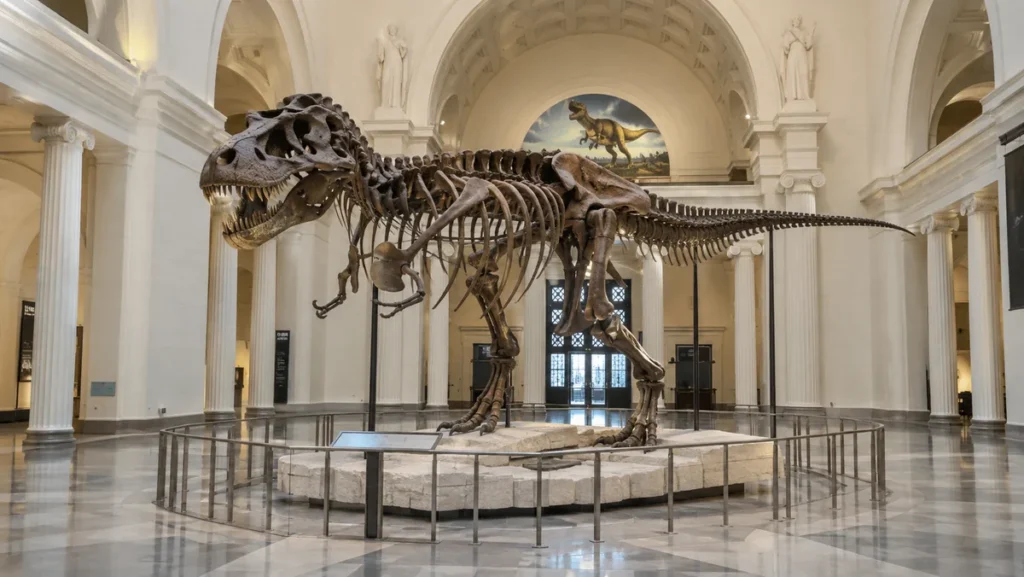
SUE the T. rex gets the headlines, but the museum also covers natural history, anthropology, fossils, ancient cultures, and extensive permanent collections.
Allow: 3–4 hours
Budget: around $30+ for basic adult admission
Best for: dinosaurs and natural history
I would not try to rush both the Field Museum and Shedd Aquarium simply because they sit next to each other.
9. Pick Shedd Aquarium for marine life
The Shedd Aquarium is geographically convenient to the Field Museum but large enough to deserve its own block of time.
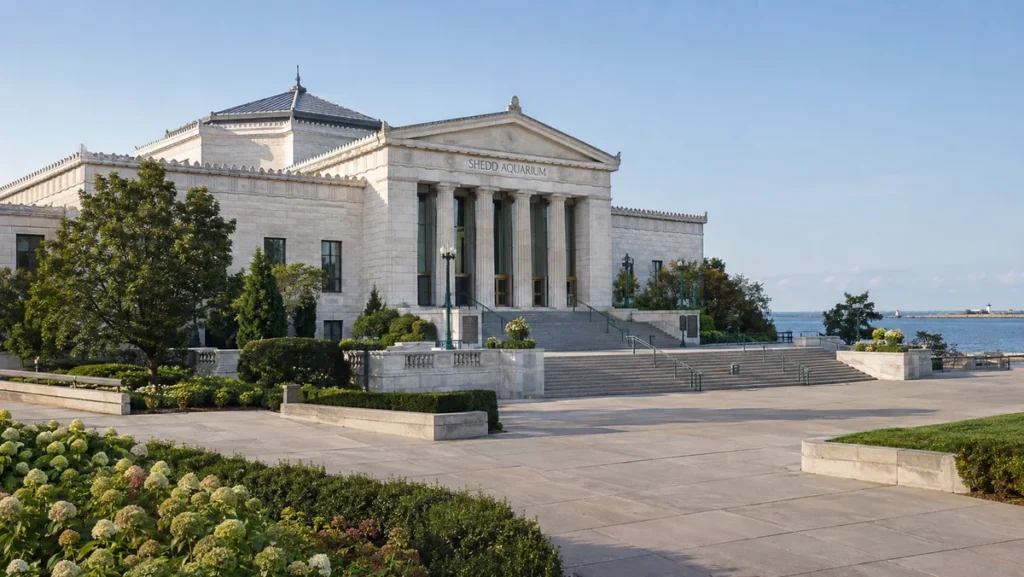
Plan-ahead pricing changes by date, but roughly $35–45+ per adult is a sensible budget.
Allow: 3–4 hours
Book ahead: yes
Best for: marine life and families
On a three-day trip, choosing Field Museum or Shedd rather than both freed enough time for Lincoln Park and the lakefront.
10. Visit Lincoln Park Zoo for free
Chicago has plenty of expensive attractions, which made Lincoln Park Zoo particularly refreshing.
General admission remains free, and standard zoo admission does not require a reservation. Lincoln Park Zoo visitor information
I liked the location almost as much as the zoo itself. From here, it was easy to continue toward South Pond, Lincoln Park, North Avenue Beach, and Lake Michigan.
Allow: 2–3 hours
Cost: free
My take: one of Chicago’s best budget-friendly attractions
11. Walk or cycle beside Lake Michigan
I knew Lake Michigan was huge before visiting, but it still surprised me how much it shaped Chicago.
Moving from traffic and skyscrapers to the lakefront changed the pace almost immediately. I walked only part of the Lakefront Trail, which made more sense than trying to cover the full route.
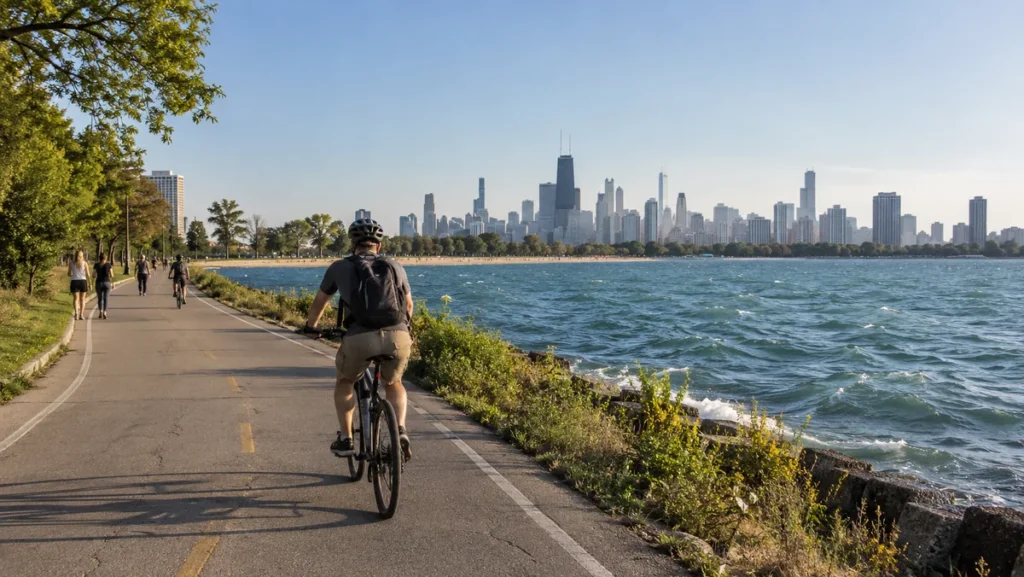
North Avenue Beach combines particularly well with Lincoln Park.
Allow: 1–3 hours
Cost: free on foot
Bike rental: roughly $15–35 depending on duration and provider
The wind off the lake can also make the shoreline cooler than downtown streets, even on a warm day.
12. Go to Wrigley Field if baseball matters to you
Wrigley Field is not something I would cross Chicago for simply to take a photo.
For baseball fans, though, a Cubs game makes the trip worthwhile.
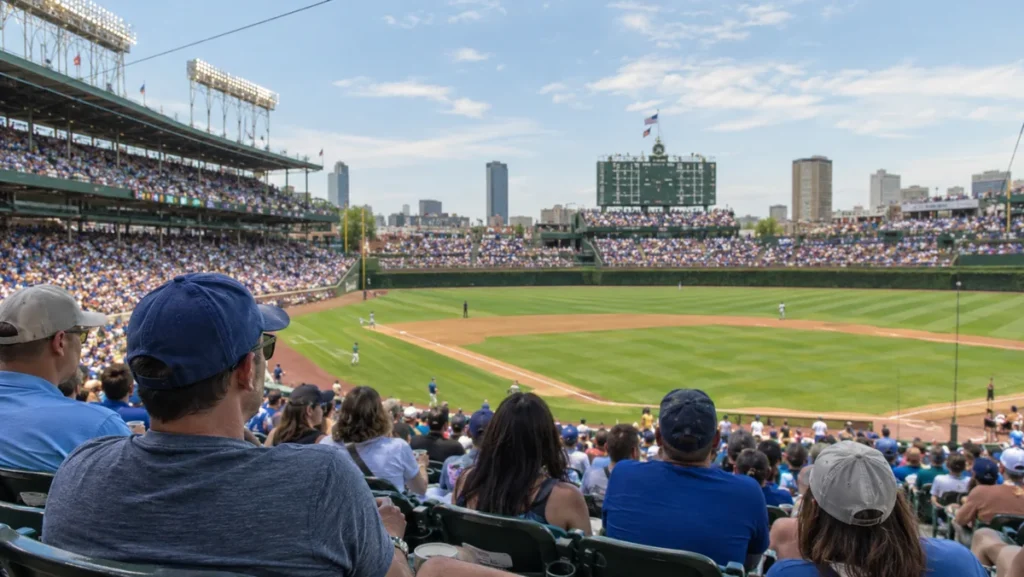
Ticket prices vary enormously by opponent, seat, day, and demand. A realistic range is about $20–150+.
Allow: 3–4 hours for a game
Best transport: CTA Red Line
Best for: baseball fans
If you are not interested in baseball, use that time for a neighborhood you genuinely want to explore.
13. Step inside the Chicago Cultural Center
The Chicago Cultural Center is close to Millennium Park, free to enter, and easy to fit into an already busy Loop day.
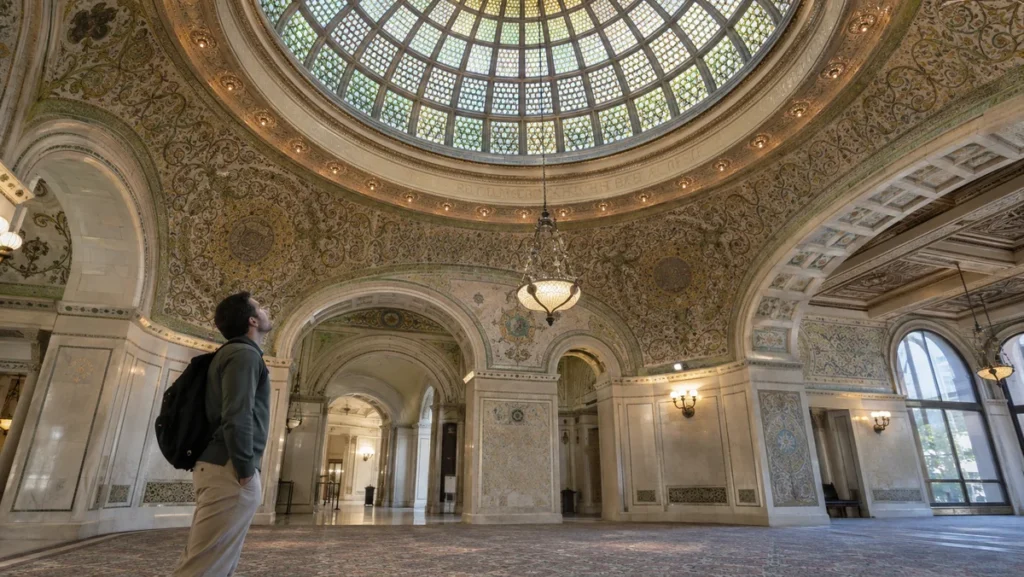
The mosaics, staircases, galleries, and enormous Tiffany glass dome made it much more memorable than I expected from the exterior.
Allow: 30–60 minutes
Cost: free
Best combination: Millennium Park
This was exactly the kind of short, free stop that helped balance Chicago’s expensive ticketed attractions.
14. Visit the new Obama Presidential Center
The Obama Presidential Center became one of Chicago’s most important new attractions when it opened to the public on June 19, 2026.
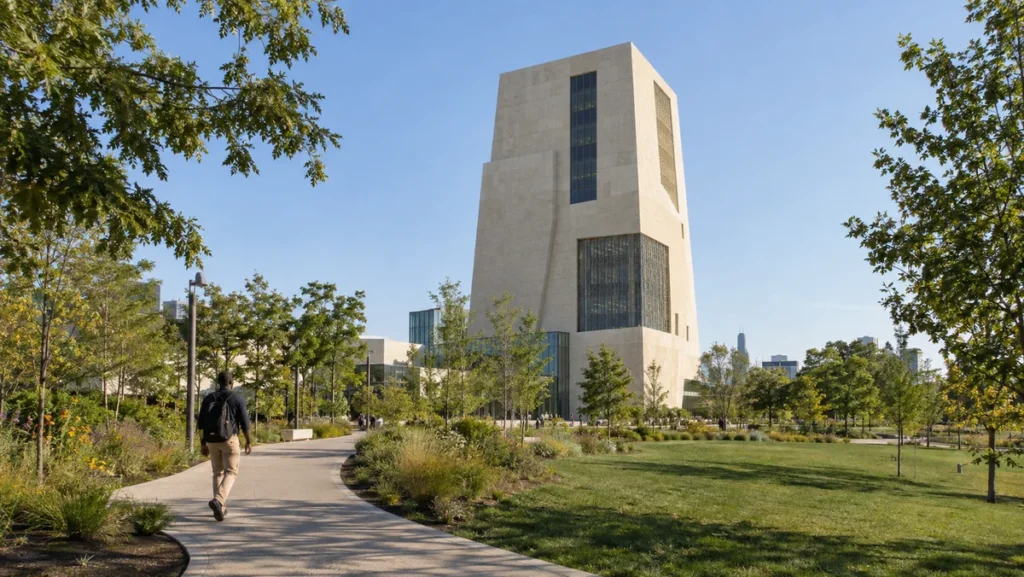
Most of the Jackson Park campus is free, while the museum requires timed admission. Adult museum tickets currently cost $30, and ticket demand can be high. Obama Presidential Center visitor information
Allow: 2–3 hours
Campus: free
Museum: $30 adult
Book ahead: yes
I would combine it with Hyde Park or another South Side attraction rather than returning downtown immediately afterward.
15. Give Griffin MSI half a day
The Griffin Museum of Science and Industry is another attraction I underestimated.
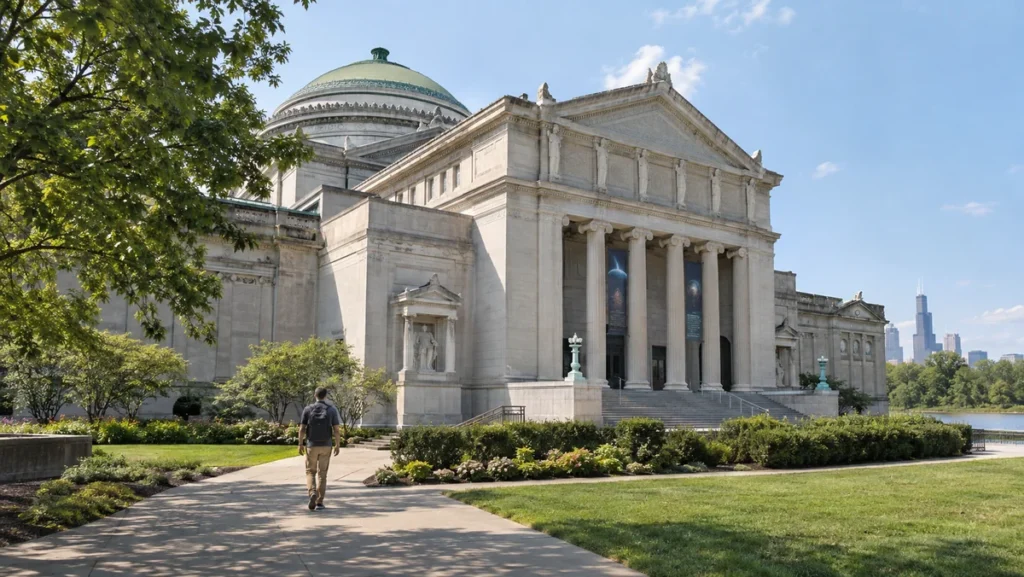
Standard retail admission is currently $25.95 for adults, while experiences such as the U-505 submarine tour cost extra.
Allow: 3–5 hours
Adult admission: $25.95
Best for: science, engineering, and families
Trying to fit it into two hours would mean skipping too much. Treat it as a major attraction rather than an add-on.
16. Explore Pilsen and Mexican art
Pilsen immediately felt different from downtown Chicago.
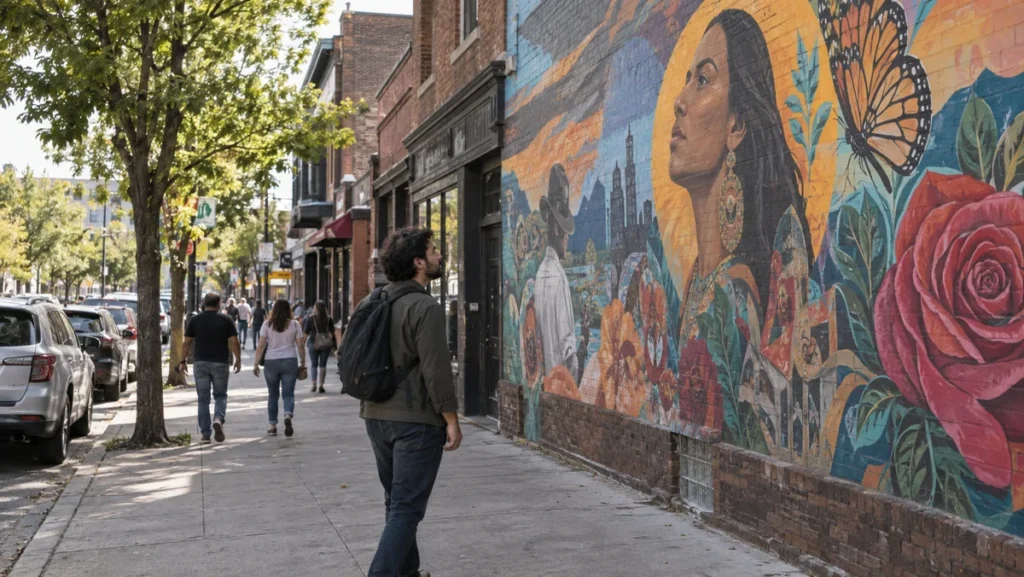
Murals, Mexican restaurants, small businesses, and low-rise streets made it one of the neighborhoods where I was happiest simply walking without a strict schedule.
The National Museum of Mexican Art is an excellent anchor and has free admission.
Allow: 2–4 hours including lunch and walking
Museum: free
Food budget: roughly $15–30 per person
I would leave time for the surrounding streets rather than visiting only the museum and leaving.
17. Walk The 606 and continue into Wicker Park
The 606, also called the Bloomingdale Trail, follows a former elevated railway through several Northwest Side neighborhoods.
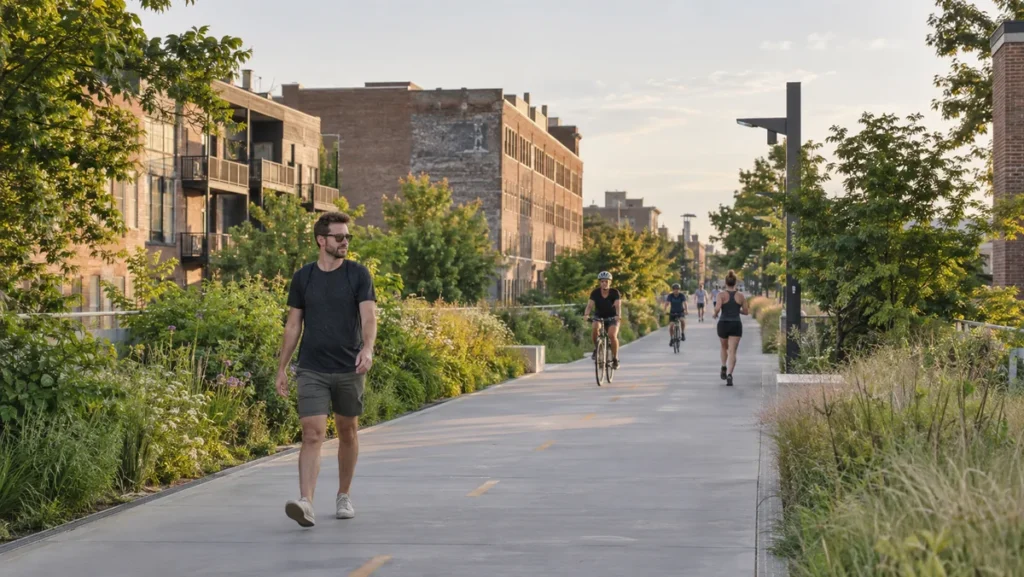
Instead of treating it as a trail I needed to finish, I used it as part of a neighborhood afternoon around Wicker Park and Bucktown.
Allow: 2–3 hours
Cost: free
Best for: walking, cycling, cafés, shops, and a break from downtown sightseeing
On a first three-day trip, this is optional. With four days, it becomes much easier to justify.
18. Save an evening for Second City
I didn’t want every evening to become dinner followed by another skyline viewpoint.
Second City gave the trip a completely different rhythm and connected with Chicago’s long improv-comedy tradition.

Ticket prices vary by show and date, but roughly $35–70+ per person is a realistic planning range.
Allow: 2–3 hours
Book ahead: especially Friday and Saturday
19. Hear Chicago blues or jazz
One evening of live music added more to my trip than another conventional tourist attraction would have.
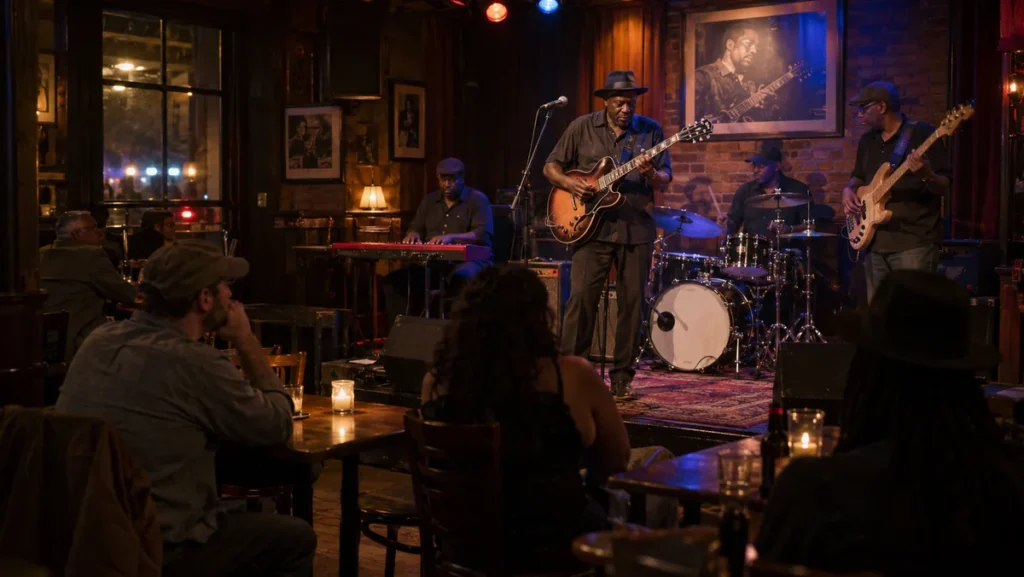
Longstanding venues around Chicago keep the city’s blues and jazz traditions visible after dark.
Cover charges commonly run around $15–40+, depending on the venue and performance, with drinks extra.
Allow: 2–3 hours
Budget: about $15–40+ plus drinks
Check performance times before building your evening around a particular club.
20. Eat more than deep-dish pizza
Deep dish deserves one meal, but Chicago food becomes more interesting when you move past it.

I also made room for a Chicago-style hot dog, Italian beef, tavern-style pizza, and Mexican food while exploring Pilsen.
| Food | Typical Budget |
|---|---|
| Chicago-style hot dog | $5–9 |
| Italian beef | $9–15 |
| Deep-dish pizza meal | $15–30 per person |
| Tavern-style pizza | $12–25 per person |
| Casual neighborhood dinner | $20–40 per person |
My small mistake was assuming deep dish would be a quick lunch. Baking takes time, and it is much heavier than an ordinary slice, so I wouldn’t schedule a timed attraction immediately afterward.
The 3-day Chicago itinerary I’d use now
Day 1: The Loop and Chicago River
8:30 a.m. — Millennium Park and Cloud Gate
10:00 a.m. — Art Institute of Chicago
1:00 p.m. — Lunch in the Loop
2:00 p.m. — Chicago Cultural Center
3:00 p.m. — Chicago Riverwalk
5:00 p.m. — Architecture river cruise
7:30 p.m. — Dinner in River North or West Loop
Almost everything flows together on foot, which keeps the first day efficient.
Day 2: Museum Campus, Lincoln Park, and the lakefront
9:00 a.m. — Field Museum or Shedd Aquarium
1:00 p.m. — Lunch
2:30 p.m. — Lincoln Park Zoo
4:30 p.m. — North Avenue Beach and Lakefront Trail
6:30 p.m. — Dinner
8:00 p.m. — Second City, blues, or jazz
Choosing one major Museum Campus attraction keeps this day enjoyable instead of exhausting.
Day 3: Chicago beyond downtown
9:30 a.m. — Hyde Park/Jackson Park
Choose the Obama Presidential Center or Griffin MSI.
1:00 p.m. — Lunch in Hyde Park
2:30 p.m. — Pilsen
Visit the National Museum of Mexican Art, see the murals, and stay for food.
A Cubs game at Wrigley Field is a good alternative if baseball is a higher priority.
Getting around Chicago
I found little reason to rent a car for this itinerary.
The Loop is easy to walk, while the CTA handles longer trips to Lincoln Park, Wrigleyville, Hyde Park, Pilsen, and Wicker Park.
Current standard fares are $2.50 for the ‘L’ train and $2.25 for buses. Unlimited passes remain $5 for one day, $15 for three days, and $20 for seven days. CTA official fare information
For a three-day sightseeing trip, the $15 three-day pass is particularly useful.
The Blue Line serves O’Hare, while the Orange Line connects Midway with downtown. I kept rideshare mainly for late evenings or awkward neighborhood-to-neighborhood trips.
Where I’d stay
| Area | Best For | Typical Nightly Range | Main Trade-Off |
|---|---|---|---|
| The Loop | First-time sightseeing | $170–300 | Quieter at night |
| River North | Central location and nightlife | $190–330 | Pricier and busier |
| West Loop | Restaurants | $200–350 | Less convenient for some landmarks |
| Lincoln Park/Lakeview | Neighborhood atmosphere | $150–270 | More transit to downtown |
Rates can rise sharply during summer weekends, conventions, festivals, and major sports events.
For a short first visit, I would pay a little more to stay centrally rather than save money farther out and lose time commuting.
The planning mistakes I’d avoid
The biggest mistake is treating every famous attraction as mandatory.
I wouldn’t pay for Skydeck and 360 Chicago on the same short trip.
I wouldn’t try to squeeze the Field Museum, Shedd Aquarium, and Griffin MSI into three days unless museums were the main reason for visiting.
I also wouldn’t spend half a day at Navy Pier without a specific activity planned.
Most importantly, I would group attractions geographically:
The Loop + Riverwalk + architecture cruise
Museum Campus
Lincoln Park + lakefront
Hyde Park + Jackson Park
Pilsen
Wicker Park + The 606
That simple change saved more time than almost any other planning decision I made.
Final thoughts
After visiting Chicago in September 2026, I came away thinking that the city’s best experiences were not necessarily the ones with the largest ticket prices.
The architecture cruise helped me understand Chicago. The Riverwalk and lakefront gave me room to slow down. Pilsen and the neighborhoods outside downtown stopped the trip from becoming nothing more than skyscrapers and museums.
For a first visit, three well-planned days are better than a four-day attraction checklist. Choose one observation deck, be selective with museums, book the architecture cruise, spend time beside Lake Michigan, and leave downtown at least once.
That was the version of Chicago I was happiest to remember.