



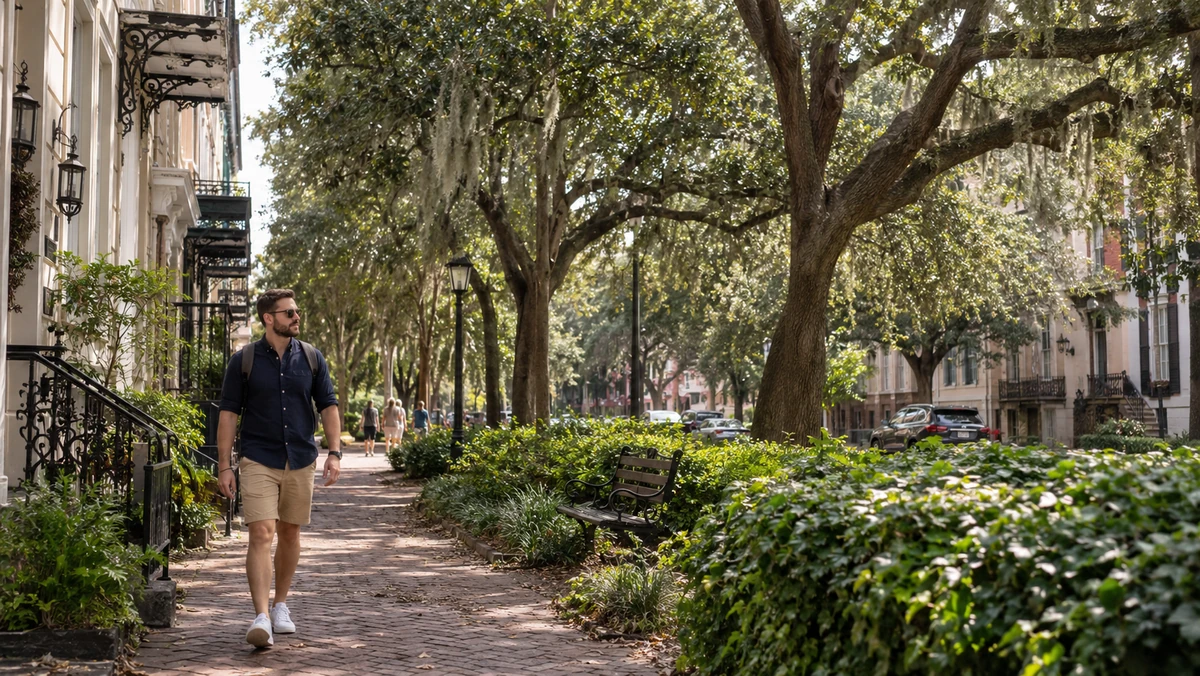
Savannah became easier to enjoy once I stopped treating it like a checklist.
Before the trip, I had saved too many historic houses, squares, museums, restaurants, and tours. Once I started walking the Historic District, I realized Savannah rewards a slower pace. A route that looked short on Google Maps could easily take twice as long once I stopped beneath the live oaks, wandered through another square, or stepped inside a church.
For a first visit, the best things to do in Savannah GA are the Historic District, Forsyth Park, one well-chosen historic house, River Street, Bonaventure Cemetery, Savannah’s Black history, good Southern food, and one evening experience. With a third day, Wormsloe, Pin Point, Fort Pulaski, and Tybee Island become much easier to add without rushing.
August 2025 fits this Savannah article best. The repeated references to heat, humidity, early-morning sightseeing, midday museum breaks, afternoon storms, and planning outdoor activities around the heat strongly point to a summer visit.
Savannah attractions at a glance
| Experience | Realistic Time | Typical Adult Cost | Booking | My Take |
|---|---|---|---|---|
| Historic District and squares | 2–4 hours | Free | No | Start here |
| Forsyth Park | 45–75 minutes | Free | No | Essential |
| Owens-Thomas House & Slave Quarters | 45–60 minutes | $30 Telfair pass | Arrive early | Best historic-house pick |
| Cathedral Basilica | 20–40 minutes | Free; donation appreciated | Usually no | Easy and worthwhile |
| River Street & Factors Walk | 1–2 hours | Free | No | Worth one good walk |
| Savannah Belles Ferry | 20–40 minutes | Free | No | Excellent free river view |
| Bonaventure Cemetery | 1–2 hours | Free | No | One of Savannah’s best |
| First African Baptist Church tour | About 1 hour | $15 | Useful | Strong historical context |
| Ralph Mark Gilbert Civil Rights Museum | 1–1.5 hours | $15 | Usually no | Under-covered and worthwhile |
| Ghost tour | 1.5–2 hours | About $30–45 | Recommended | Choose one |
| Wormsloe State Historic Site | 1.5–2 hours | About $12 | Usually no | Explore beyond the oaks |
| SCAD Museum of Art | 1–2 hours | $10 | Usually no | Best modern-art stop |
| Pin Point Heritage Museum | 1.5–2 hours | $15 | Useful | Excellent cultural context |
| Fort Pulaski | 1.5–2 hours | $10 age 16+ | No | Pair it with Tybee |
| Tybee Island | Half to full day | Beach free; parking $4/hour | No | Better with a third day |
Prices were checked against current 2026 information where possible, but attraction and tour rates can change.
1. Walk the Historic District and Savannah’s squares
My first few hours in Savannah cost nothing and ended up setting the tone for the trip.
I followed Bull Street south through the Historic District, moving between Johnson Square, Wright Square, Chippewa Square, Madison Square, and Monterey Square before reaching Forsyth Park.
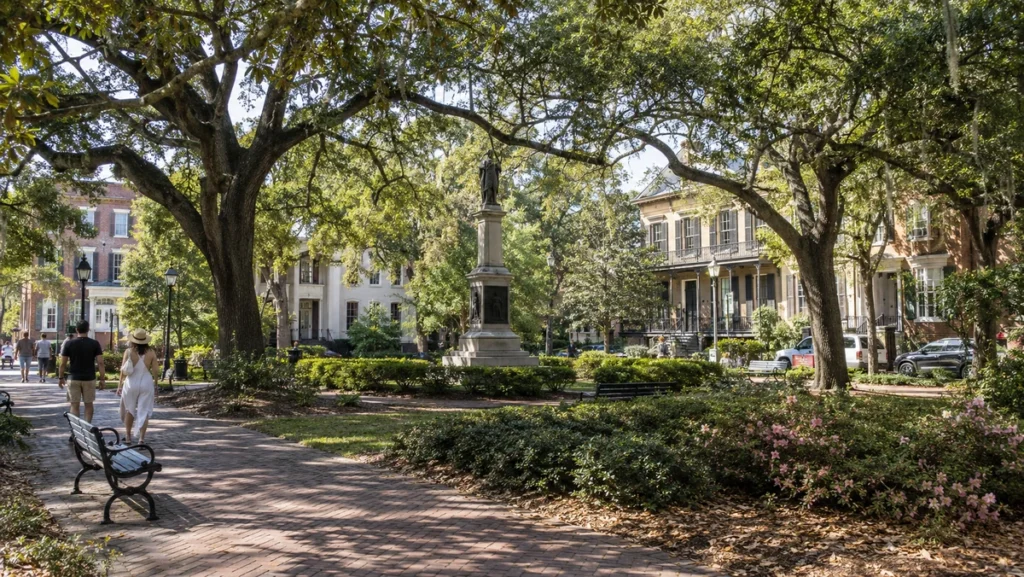
Savannah still has 22 historic squares, and this is where the city’s layout becomes much easier to understand. Live oaks, Spanish moss, brick paths, monuments, churches, and historic homes make walking itself one of Savannah’s main attractions.
Chippewa Square attracts Forrest Gump fans, while Monterey Square is closely associated with the Mercer-Williams House and Midnight in the Garden of Good and Evil. I enjoyed those connections, but some of the quieter stretches between the famous squares were better.
Allow at least two hours, or three to four if you stop for food, photographs, or a museum.
Visit Savannah has a useful self-guided walk from River Street to Forsyth Park if you prefer a defined route.
2. Slow down in Forsyth Park
I initially treated Forsyth Park as a fountain photo stop. That was a mistake.
The fountain is the landmark, but the live oaks, shaded paths, lawns, and local activity made the park a welcome break after hours on brick sidewalks.
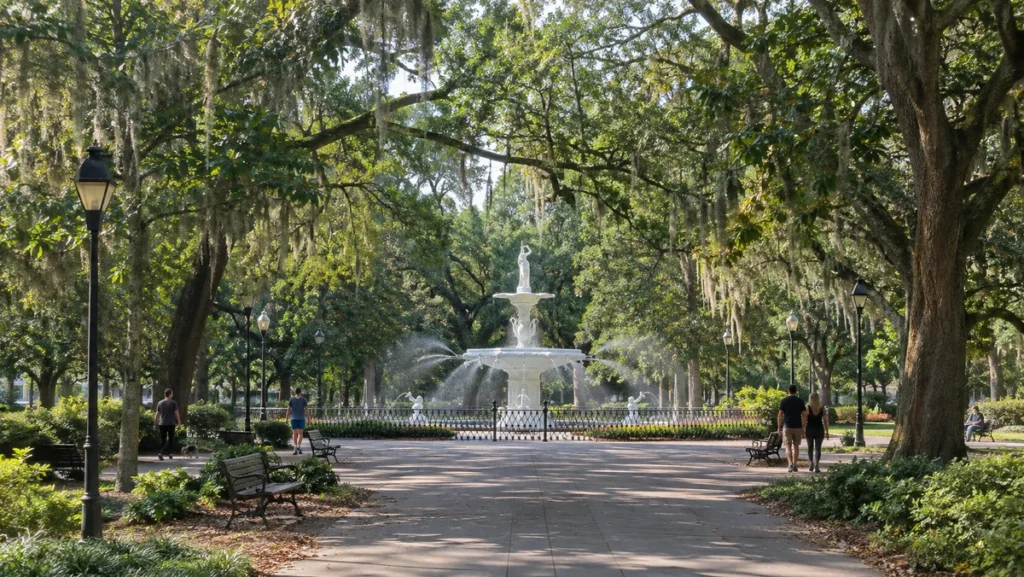
Early morning was my favorite time. Temperatures were easier, the light through the trees was softer, and fewer people clustered around the fountain.
Plan 45 minutes to an hour.
Cost: Free
Best for: Walking, photography, couples, families, and a sightseeing break
On a two-day trip, Forsyth stays on my itinerary.
3. Choose Owens-Thomas House if you tour only one historic home
Savannah has enough historic houses to consume a large part of a weekend.
If I were choosing only one, I would pick Owens-Thomas House & Slave Quarters.
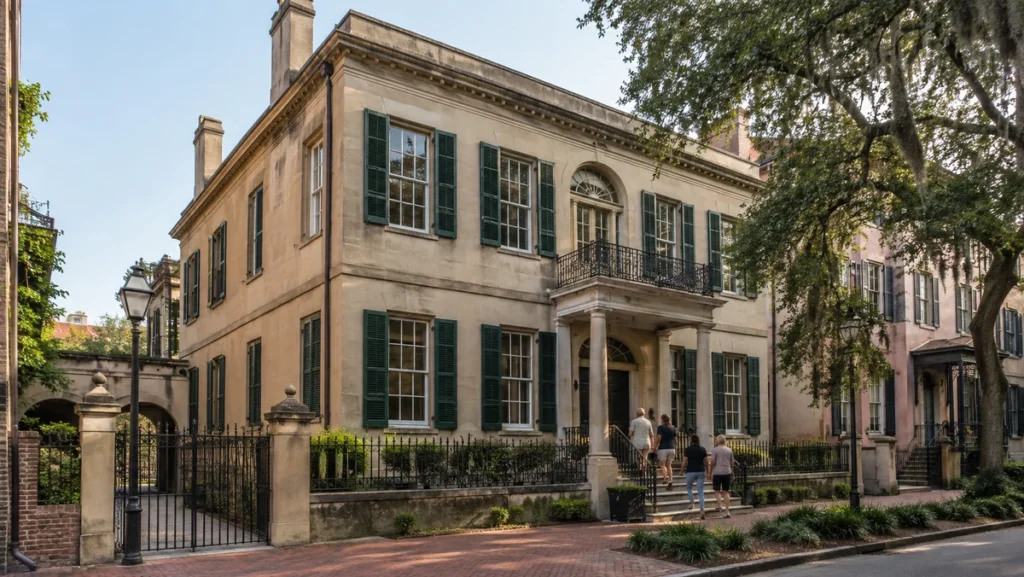
The tour covers its architecture and wealthy residents while also examining the lives and labor of enslaved people on the property. That context mattered after walking past so many grand Savannah homes.
Current Telfair Museums admission is $30 for adults, covering Owens-Thomas House, Telfair Academy, and the Jepson Center for seven days. Tours usually take 45 minutes to one hour and can fill on a first-come, first-served basis.
The historic house retains original stairs and has no elevator, an important accessibility limitation.
Check Telfair Museums’ official hours and admission before visiting.
If Midnight in the Garden of Good and Evil is a bigger interest, Mercer-Williams may appeal more. Otherwise, Owens-Thomas gave me more historical context.
4. Step inside the Cathedral Basilica
The Cathedral Basilica of St. John the Baptist was an easy stop that took far less time than a museum but still felt worthwhile.
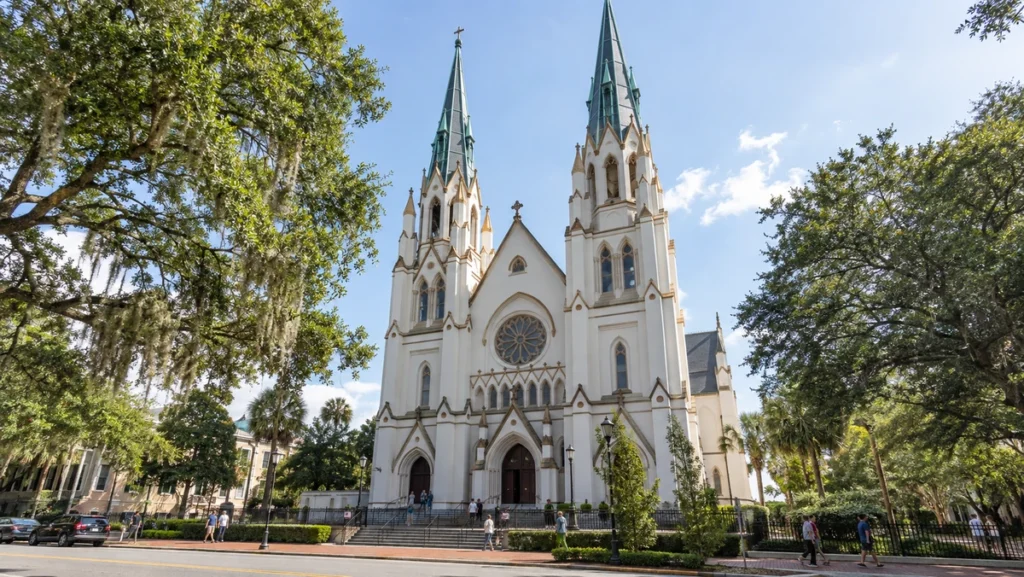
Its twin spires dominate several nearby streets, while the stained glass and ornate interior were what kept me inside longer than expected.
About 20–40 minutes is enough for most visitors. There is generally no standard admission charge, though donations are appreciated.
Because this remains an active Catholic church, services can affect visitor access. I simply worked it into my Historic District walk rather than planning a separate trip around it.
5. Walk River Street and Factors Walk
River Street was worth seeing, but it was not my favorite part of Savannah.
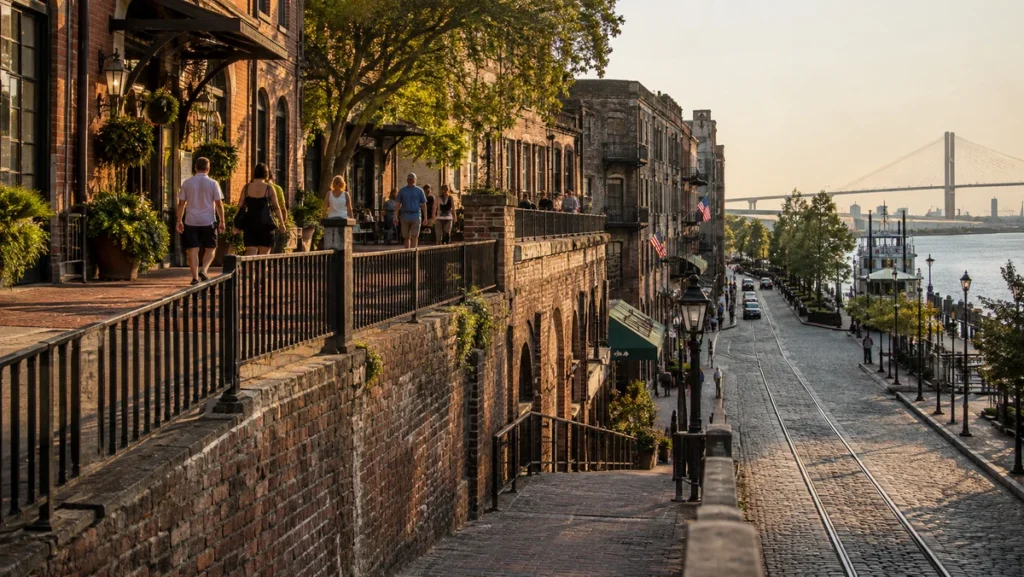
The river, converted warehouse buildings, cobblestones, boats, cargo ships, candy shops, restaurants, and bars create plenty of atmosphere. It also feels more commercial than the squares.
I found Factors Walk, between Bay Street and River Street, more interesting than expected. Its ramps, elevated walkways, old retaining walls, and former cotton warehouses reveal more of the waterfront’s trading history.
Allow one to two hours.
River Street’s cobblestones, slopes, and steep staircases can be awkward for travelers with mobility limitations. Comfortable shoes help, and elevator routes are available between Bay Street and the waterfront.
My take: see it once, preferably later in the day, but don’t give it half your trip.
6. Ride the Savannah Belles Ferry
The Savannah Belles Ferry looked like ordinary transportation. It turned out to be one of the easiest free experiences I found.
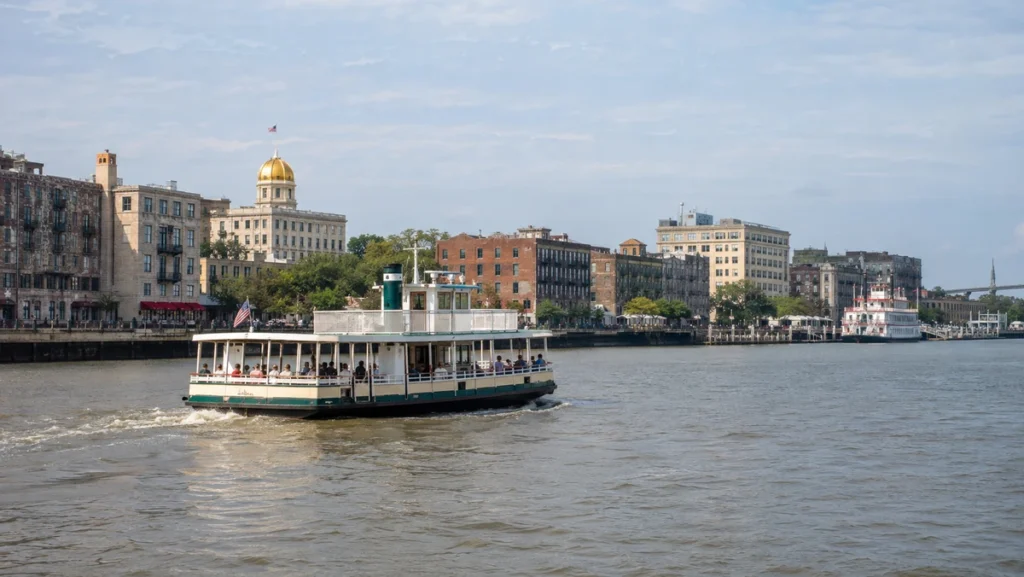
The ferries cross the Savannah River between downtown and Hutchinson Island, giving open river views without the price of a sightseeing cruise.
Cost: Free
Time: Around 20–40 minutes for a casual round trip
Service can be affected by weather and river traffic, but for budget travelers this is one of Savannah’s best-value experiences.
7. Give Bonaventure Cemetery enough time
Bonaventure Cemetery was one place where my original schedule failed.
I planned about half an hour and stayed much longer.
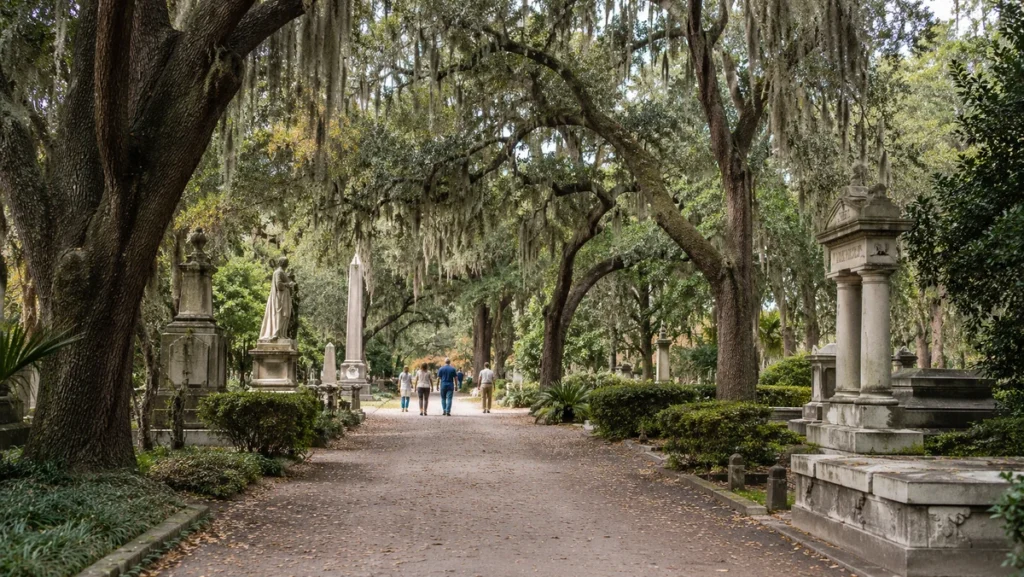
The cemetery covers more than 100 acres beside the Wilmington River, with live oaks, Spanish moss, elaborate monuments, family plots, and graves linked with Savannah figures such as Johnny Mercer and Gracie Watson.
The City of Savannah currently opens Bonaventure daily from 8 a.m. to 5 p.m., and general admission is free.
A self-guided visit works if you download a map. A guided tour is more worthwhile if you want the stories behind the graves and symbolism.
Because Bonaventure sits east of downtown, plan on a car, rideshare, or tour. Give it one to two hours.
The City of Savannah’s Bonaventure Cemetery page has current visitor information.
8. Tour First African Baptist Church
Savannah feels incomplete if you experience only its mansions, fountains, and oak-lined streets.
A tour of First African Baptist Church added a different layer to the trip.
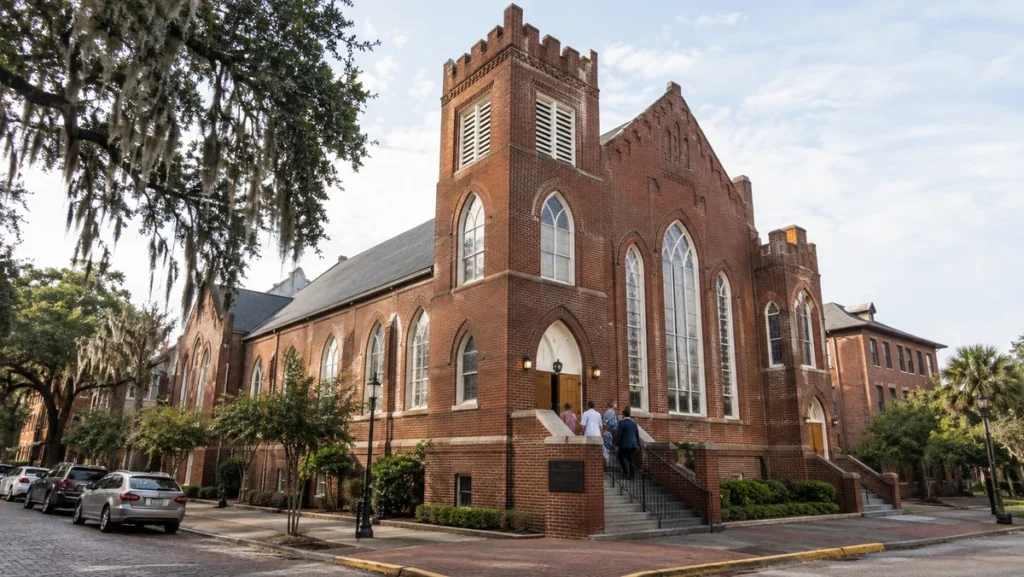
The congregation dates its constitution to 1777 and is deeply connected with Savannah’s African American religious and civic history.
For 2026, historical tours are scheduled Monday through Saturday at 1 p.m. Adult admission is $15, with discounted senior, military, and student tickets.
Church activities take priority, so confirm the official First African Baptist Church tour schedule before arranging your day around it.
This was one paid experience that added context rather than repeating what I had already seen.
9. Add the Ralph Mark Gilbert Civil Rights Museum
The Ralph Mark Gilbert Civil Rights Museum receives less attention than Savannah’s antebellum attractions, but it deserves space on a history-focused trip.
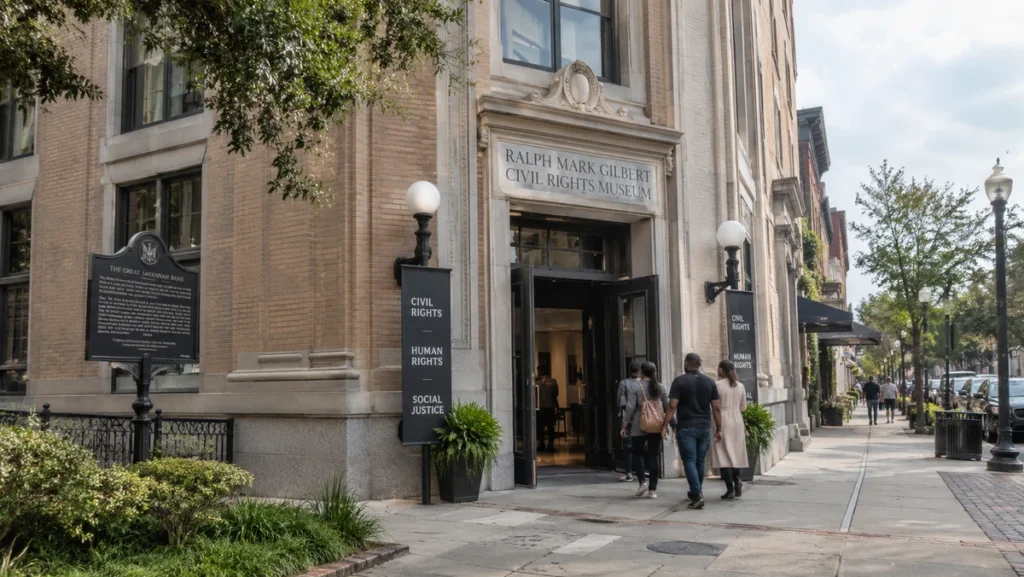
It covers Savannah’s civil rights movement, including voting-rights campaigns, protests, boycotts, and the Black business community that developed around historic West Broad Street.
The building itself dates to 1914 and formerly housed the Wage Earners Savings Bank.
Current adult admission is $15. Published hours are Tuesday through Saturday, 10 a.m.–5 p.m., with the final guided visit earlier in the afternoon.
Allow 60–90 minutes.
10. Take one ghost tour
Savannah has walking ghost tours, trolleys, hearses, haunted pub crawls, family tours, and adults-only versions.
I enjoyed mine more when I treated it as nighttime storytelling mixed with history and folklore rather than paranormal proof.
Typical walking tours last 90 minutes to two hours and usually cost roughly $30–45 per adult.
For a first trip:
- Walking tour: best atmosphere
- Trolley or hearse tour: less walking
- Adults-only tour: darker stories
- Haunted pub tour: nightlife first, history second
One good ghost tour was enough for me.
11. Explore Wormsloe beyond the oak avenue
The famous live-oak avenue at Wormsloe State Historic Site photographs beautifully, but stopping there misses much of the site.
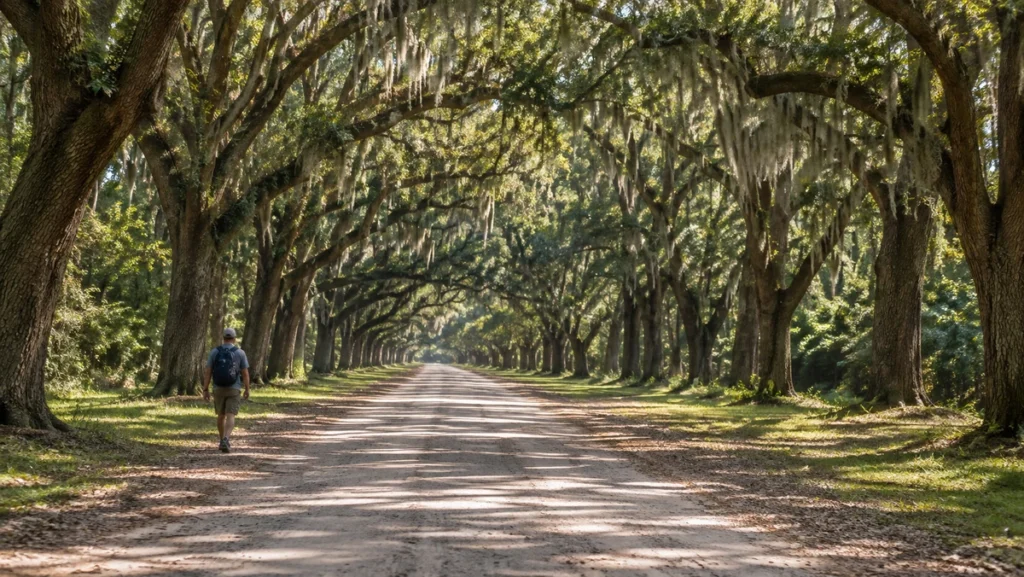
Beyond the entrance are a museum, marsh scenery, nature trails, tabby ruins associated with colonial settler Noble Jones, and interpretation covering Native American, African, and European history.
The Georgia State Parks Wormsloe page explains the museum, ruins, trails, and Colonial Life Area.
Recent adult admission has been about $12. Budget 90 minutes to two hours.
Wormsloe is outside the walkable center, so a car or rideshare makes the visit much easier.
12. Use Telfair and the Jepson Center as weather backups
Savannah’s heat changed my sightseeing pace more than distance did.
Instead of visiting every museum back-to-back, I used Telfair Academy and the Jepson Center as indoor breaks.
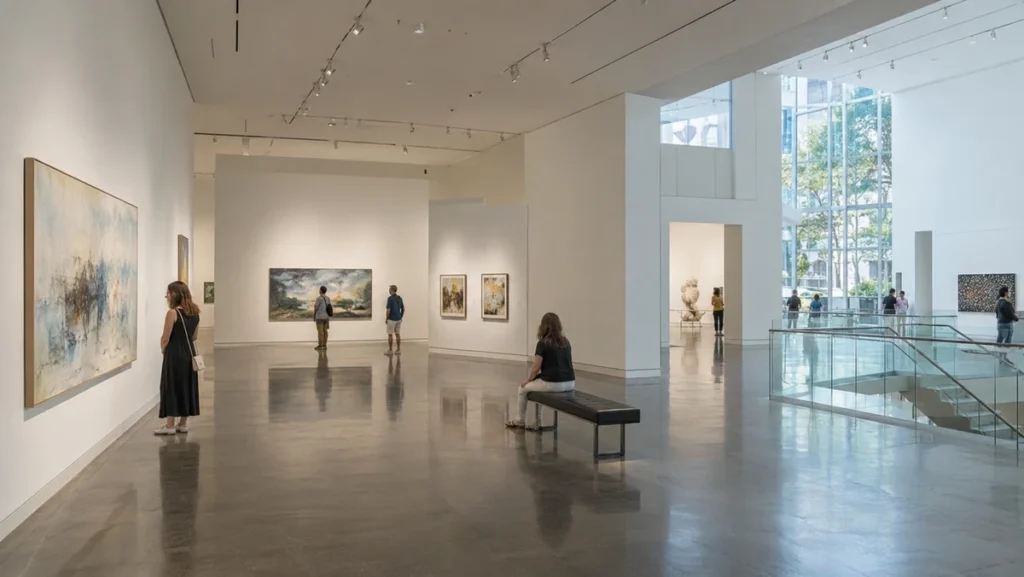
Both are included in the same $30 Telfair ticket as Owens-Thomas House, so visiting a second museum makes the pass better value.
This strategy works especially well in summer when midday heat and afternoon thunderstorms can make several straight hours outside uncomfortable.
13. See modern Savannah at the SCAD Museum of Art
After so much 18th- and 19th-century Savannah, the SCAD Museum of Art felt like a reset.
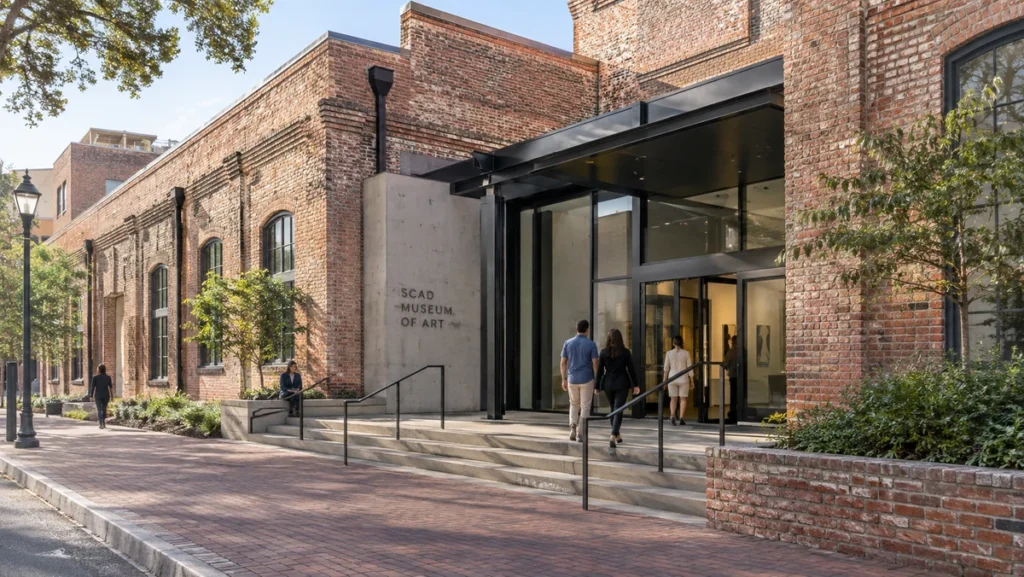
It occupies an adapted former railway complex and focuses on contemporary exhibitions rather than Savannah’s colonial past.
General admission is currently $10, with discounted tickets for seniors, military members, and college students. Children under 14 enter free.
Plan one to two hours.
If my choice were a fourth mansion tour or SCAD, I would take SCAD because it adds something different.
14. Walk Jones Street
Jones Street deserves its reputation as one of Savannah’s prettiest streets, but it does not need to become a major sightseeing mission.
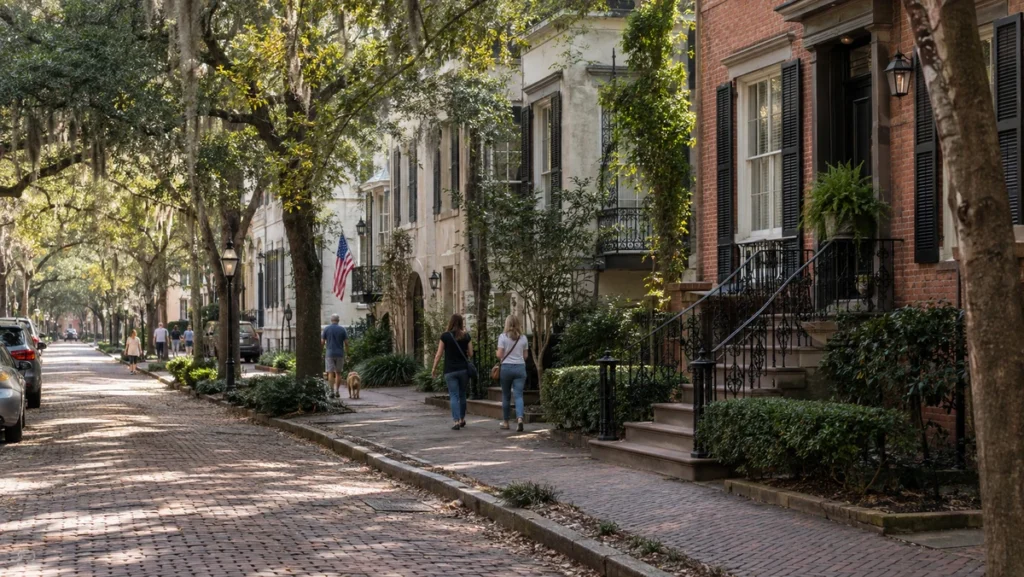
Brick paving, historic houses, stoops, mature trees, and shade create the streetscape many visitors picture before arriving.
I spent about 20–30 minutes walking part of it while moving between other attractions.
Because it is residential, I treated it as a scenic connector rather than a public photo set.
15. See another side of Savannah in Starland District
After enough time in the Historic District, Starland District felt noticeably different.
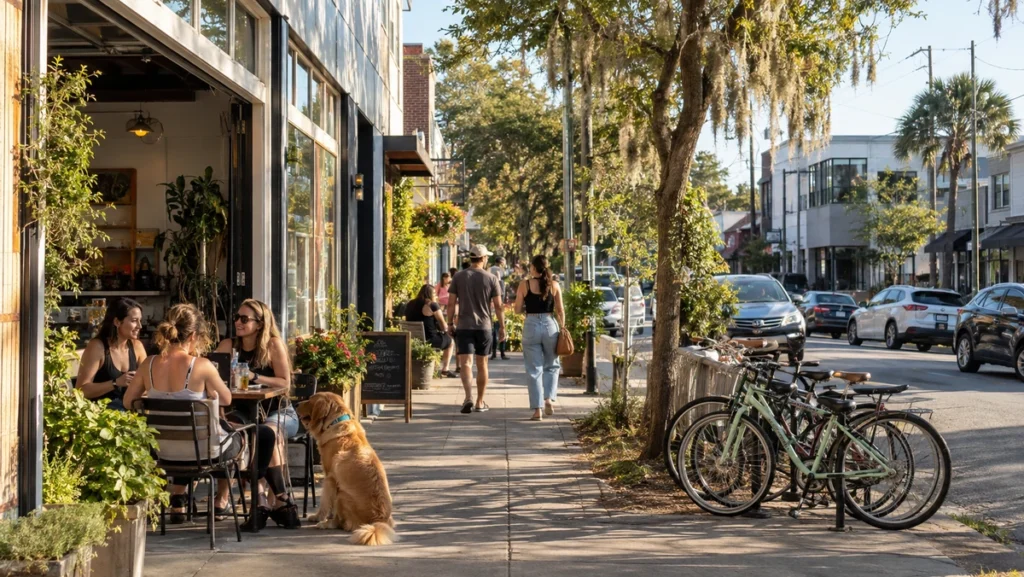
South of Forsyth Park, the neighborhood has local cafés, small businesses, vintage shops, casual restaurants, and a more contemporary creative feel.
I would not prioritize it with only one day in Savannah. With three days, it adds useful contrast.
Allow one to three hours, ideally combined with Forsyth Park.
16. Eat one proper Southern or Lowcountry meal
Food deserved more space in my Savannah itinerary than I originally gave it.
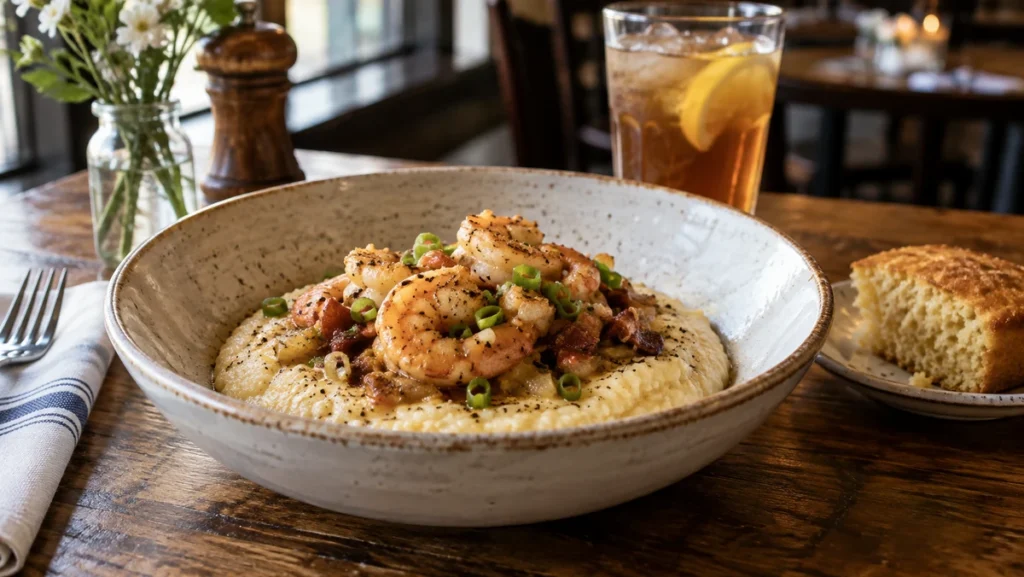
Look for shrimp and grits, fried chicken, biscuits, fried green tomatoes, collard greens, seafood, red rice, and pimento cheese rather than relying entirely on generic tourist menus.
| Restaurant | Best For | Estimated Cost per Person | Reservation | My Take |
|---|---|---|---|---|
| Mrs. Wilkes’ Dining Room | Family-style Southern lunch | About $35 | No standard reservations | Best old-school lunch |
| The Grey | Modern Southern cooking | Roughly $55–90+ | Recommended | Best splurge |
| The Olde Pink House | Southern food + historic setting | Roughly $35–70 | Recommended for dinner | Strong first-trip atmosphere |
Mrs. Wilkes is the one where timing matters because lunch service is limited and lines can build. The Grey made more sense as a full dinner than another quick stop.
I would rather spend properly on one memorable meal than pay tourist-district prices several times for average food.
17. Pass through City Market and Broughton Street
City Market and Broughton Street fit naturally into a downtown walking day.
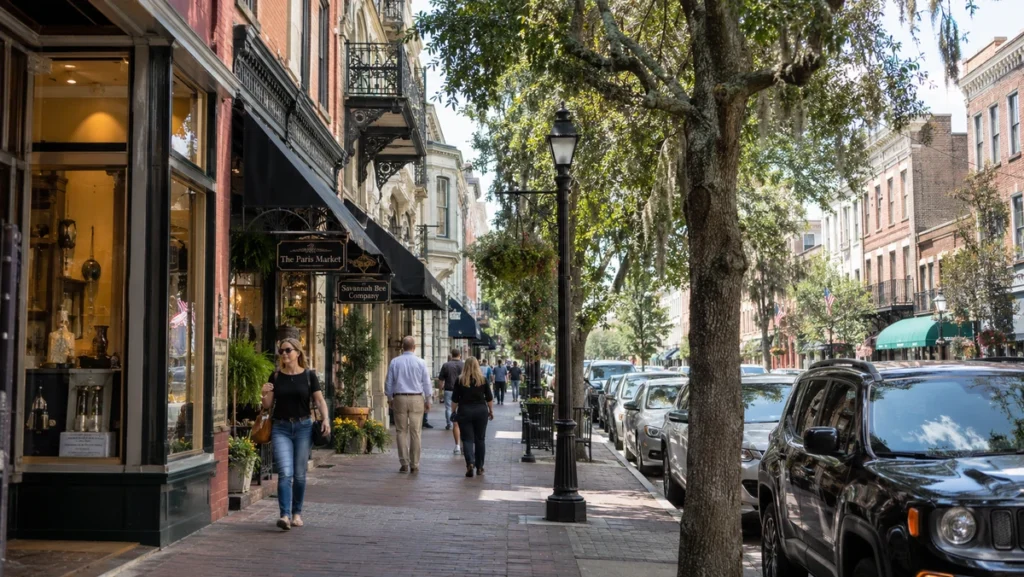
I liked Broughton more for its mix of shops, cafés, architecture, and people-watching. City Market felt more visitor-focused.
Neither needs half a day.
Leopold’s Ice Cream is a Savannah institution, but I would not spend a large chunk of sightseeing time in a long line. These areas work best as stops you pass through rather than replacements for Forsyth Park, Bonaventure, or a museum.
18. Learn about Gullah Geechee culture at Pin Point
Pin Point Heritage Museum added one of the most useful cultural layers to my Savannah research.
The museum occupies the former A.S. Varn & Son Oyster and Crab Factory in a community founded by formerly enslaved African Americans and their descendants.
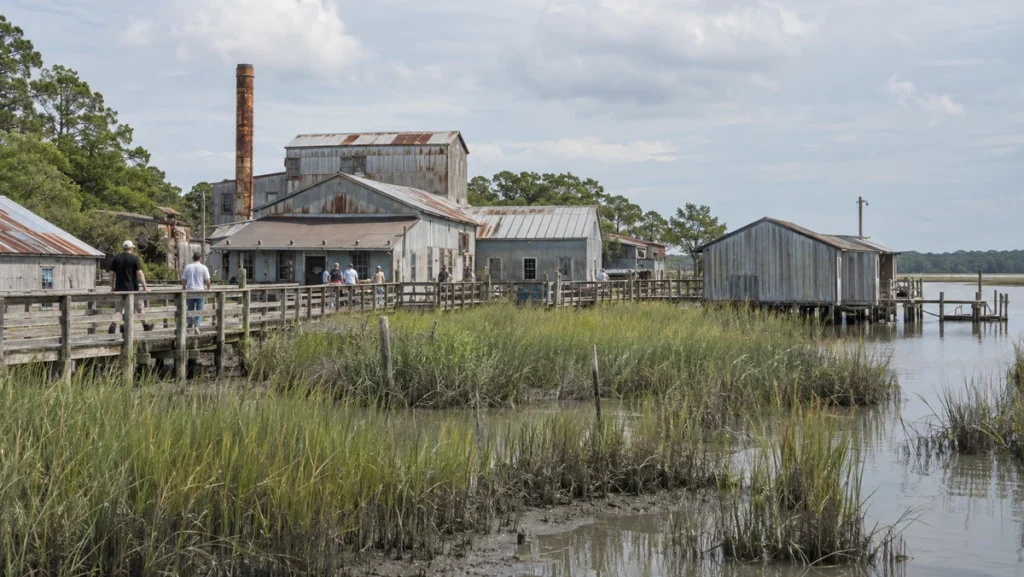
Exhibits and interpretation explore Gullah Geechee history, religion, language, food, community life, and the coastal seafood industry.
Current admission is $15 per adult and $7 for children ages 3–12. Regular public hours are limited to Thursday through Saturday, 9 a.m.–4 p.m.
Check the official Pin Point Heritage Museum page before driving out.
Allow 90 minutes to two hours, plus travel time.
19. Stop at Fort Pulaski on the way to Tybee
With a third day, the most logical route is Fort Pulaski National Monument first, then Tybee Island.
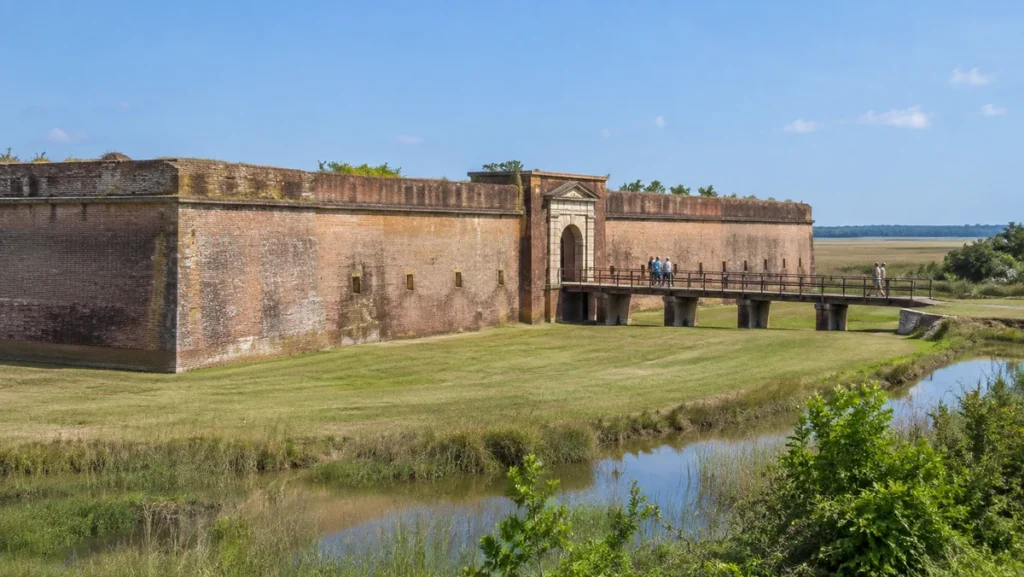
Both lie along the coastal US-80 corridor, so combining them avoids a separate out-and-back drive.
Fort Pulaski is tied to the Civil War and the development of rifled artillery, but even travelers with limited interest in military history get impressive brick architecture and open marsh scenery.
Current admission is $10 per person age 16 and older. Plan 1.5–2 hours.
Check the National Park Service Fort Pulaski page for current hours, weather alerts, and closures.
20. Give Tybee Island at least half a day
Tybee appears on almost every Savannah list, but it is important to treat it correctly:
Tybee Island is a day trip, not a downtown attraction.
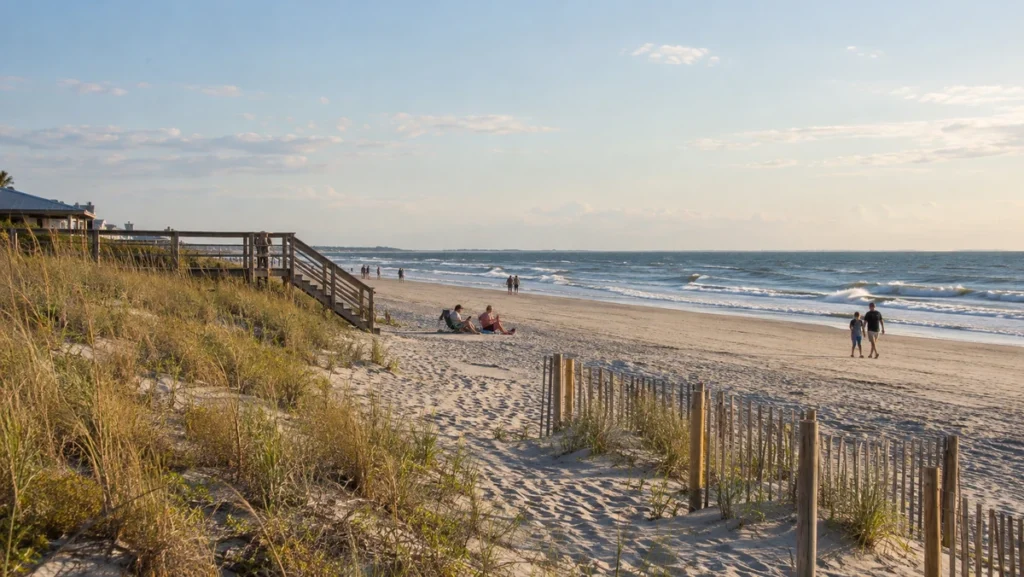
Parking, beach time, meals, and the lighthouse quickly make it a half-day or full-day outing.
The beach itself does not charge general admission, but parking is currently $4 per hour, generally enforced from 8 a.m. to 8 p.m. A city day pass is $25.
If you add Tybee Island Light Station, budget roughly another $14 per adult at recent rates.
With only two days, Tybee is one of the first things I would cut. With three days, pairing Fort Pulaski in the morning and Tybee in the afternoon works well.
A realistic 3-day Savannah itinerary
Grouping attractions by area worked much better than jumping between individual recommendations.
| Day | Morning | Afternoon | Evening | Approx. Sightseeing Cost |
|---|---|---|---|---|
| Day 1 — Historic core | Bull Street squares → Forsyth Park | Owens-Thomas → Cathedral → Broughton Street | River Street → ferry or ghost tour | About $30–75 |
| Day 2 — Deeper history | Bonaventure Cemetery | First African Baptist → Ralph Mark Gilbert Museum | Southern dinner → Historic District walk | About $30 attractions + $35–90 dinner |
| Day 3 — Coast | Fort Pulaski | Tybee Island → lighthouse/beach | Return to Savannah | About $49–65 before food and gas |
With only two days, I would remove Tybee before cutting the Historic District, Bonaventure, or Savannah’s deeper history.
Getting around Savannah
Savannah’s Historic District is genuinely walkable.
What surprised me was how much heat, brick sidewalks, cobblestones, and sightseeing stops changed my pace.
My most useful combination was walking plus the free DOT Express Shuttle, which runs through the Historic District and is ADA-accessible.
Check the official DOT Express Shuttle route for current service.
| Transport | Typical Cost | Best Use |
|---|---|---|
| Walking | Free | Historic District |
| DOT Express Shuttle | Free | Saving tired legs downtown |
| Savannah Belles Ferry | Free | River crossing and sightseeing |
| Rideshare | Roughly $10–20 for many short trips | Bonaventure and evenings |
| Rental car | Roughly $50–80/day before insurance and parking | Wormsloe, Pin Point, Fort Pulaski, Tybee |
| Downtown meters | Roughly $1.50–2.50/hour | Short parking periods |
| 24-hour visitor parking pass | $15 | Heavy downtown driving |
| 48-hour visitor parking pass | $24 | Two-day car use |
I would not rent a car solely for the Historic District.
Best time to visit Savannah
There is no perfect season. The main trade-off is comfortable walking weather versus crowds and prices.
| Period | Weather | Crowds & Prices | Best For | My Take |
|---|---|---|---|---|
| March–May | Warm and comfortable | High | Walking, gardens, patios | Beautiful but busy |
| June–September | Hot, humid, storms possible | Mixed | Indoor/outdoor sightseeing | Plan around the heat |
| October–November | Mild to warm | Moderate to high | Walking and history | Best balance |
| December–February | Cooler and usually drier | Often lower | Museums, food, quieter trips | Underrated |
In summer, I would plan outdoor sights early, museums or lunch midday, then outdoor walking again in the evening.
That one change makes Savannah much easier to enjoy.
What I’d prioritize on a short Savannah trip
With only two days, my order would be:
- Historic District and squares
- Forsyth Park
- One historic house
- Bonaventure Cemetery
- River Street and Factors Walk
- At least one Black-history experience
- One Southern or Lowcountry meal
- One evening ghost tour or river experience
After that, choose by interest:
History: Wormsloe or Fort Pulaski
Art: SCAD Museum of Art
Culture: Pin Point Heritage Museum
Beach: Tybee Island
Free sightseeing: Savannah Belles Ferry
The easiest things for me to cut were multiple mansion tours, excessive shopping, a second ghost tour, and a rushed beach trip.
Final thoughts
Savannah became more enjoyable when I stopped trying to complete it.
Some of the places I remembered most cost nothing: walking the squares early, sitting under the live oaks in Forsyth Park, staying longer than planned at Bonaventure, and seeing the river from the ferry.
The paid attractions worked best when each added something different. Owens-Thomas gave me historical context, First African Baptist Church and the civil rights museum widened the story, and Pin Point connected Savannah with Gullah Geechee culture and coastal Georgia.
For a first visit, I would spend at least two full days in Savannah itself before adding day trips. Add a third if Fort Pulaski, Tybee, Wormsloe, or Pin Point matters to you.
The biggest mistake is not missing one attraction. It is packing the schedule so tightly that Savannah becomes a race between them.