



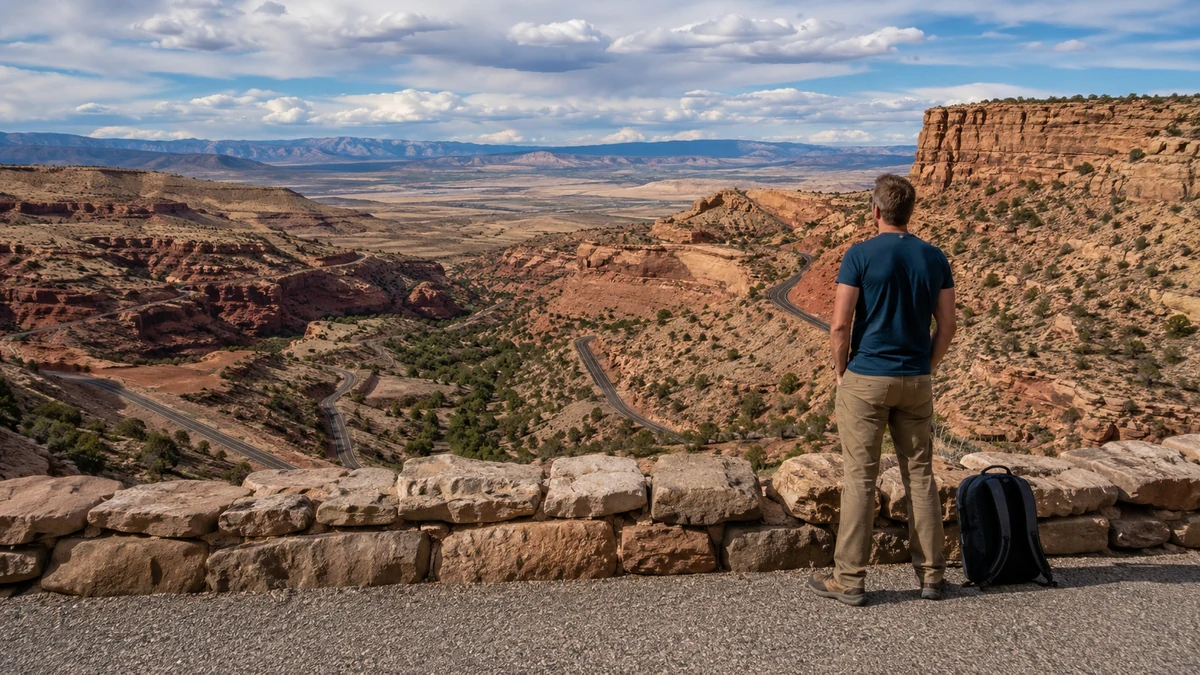
Traveling across the USA taught me one lesson faster than anything else: America is much easier to enjoy when you stop trying to see all of it in one trip.
New York, Miami, Yellowstone, Las Vegas, the Grand Canyon, Los Angeles, and San Francisco can look like a reasonable collection of stops when they are sitting together on a map. Once I started adding flights, airport transfers, rental cars, hotel changes, and real driving times, that plan quickly stopped making sense.
My trip improved when I focused on one region at a time. A week worked for a city-focused visit or compact road trip. Ten to 14 days gave me enough room to combine several stops without constantly packing and moving. Longer trips made national parks and multi-state routes much easier to enjoy at a sensible pace.
This guide is for first-time visitors trying to work out where to travel in the USA, how many days they need, how to get around, what the trip really costs, and which planning mistakes are worth avoiding.
USA Travel at a Glance
| Question | What I Found Most Practical |
|---|---|
| Ideal first-trip length | 10–14 days |
| Best planning strategy | Focus on one region |
| Do you need a car? | Not in every major city; often useful for parks and road trips |
| Best region without a car | Northeast |
| Best for road trips | Southwest, California, Rockies, Pacific Northwest |
| Best for major cities | Northeast |
| Best for national parks | Southwest and Mountain West |
| Best time to visit | Depends heavily on the region |
| Currency | U.S. dollar (USD) |
| Easy-to-miss costs | Tips, sales tax, parking, tolls, hotel fees, baggage |
| Entry requirements | Depend on nationality and travel circumstances |
For changing visitor information, I checked official sources rather than relying entirely on older travel posts. Visit The USA’s official planning information is a useful starting point for international travelers.
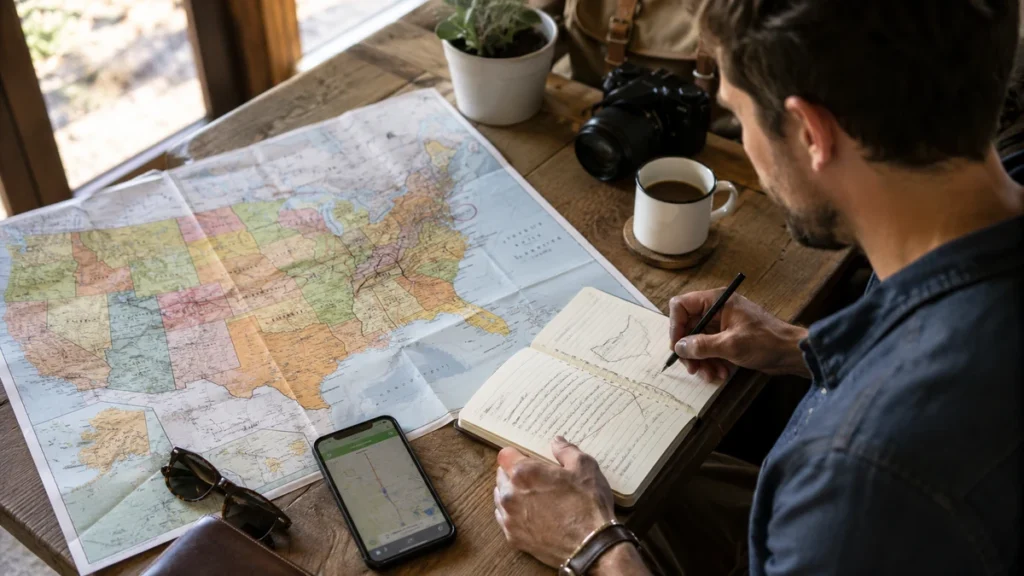
My Biggest USA Travel Mistake Was Trying to Cover Too Much
My first draft itinerary was a mess.
I had treated famous destinations as though they were neighboring stops simply because they appeared together in travel guides. New York, Las Vegas, Los Angeles, and the Grand Canyon looked manageable when I viewed the trip as a list.
They looked very different when I viewed them as days on a calendar.
A domestic flight might only spend a few hours in the air, but the real travel day included checking out, reaching the airport, security, waiting, flying, collecting bags, transferring into another city, and checking in again.
A short flight could take away most of a useful sightseeing day.
Driving created a similar problem. Distances that looked harmless on a map could mean spending several hours behind the wheel before I had actually explored anything.
Planning became easier when I stopped thinking about the United States as one destination and started treating it as several very different travel regions.
Which Part of the USA Should You Visit?
The right region depends on what you actually want from the trip.
| Region | Best For | Places to Consider | Main Trade-Off |
|---|---|---|---|
| Northeast | Cities, history, rail travel | New York, Boston, Philadelphia, Washington, D.C. | Expensive hotels in major cities |
| Southeast | Food, music, history | New Orleans, Nashville, Charleston, Savannah | Hot and humid summers |
| Florida | Beaches, theme parks, winter sun | Miami, Florida Keys, Orlando, Everglades | Long distances and seasonal weather risks |
| Midwest & Great Lakes | Cities, lakes, quieter road trips | Chicago, Michigan, Wisconsin | A car helps outside major cities |
| Southwest | National parks, deserts, road trips | Arizona, Utah, Nevada, New Mexico | Intense summer heat |
| California | Cities, coast, mountains | San Francisco, Yosemite, Los Angeles, San Diego | Traffic and high accommodation costs |
| Pacific Northwest | Forests, mountains, coast | Seattle, Olympic Peninsula, Oregon Coast | Wetter outside summer |
| Rockies | Hiking, wildlife, mountain scenery | Colorado, Wyoming, Montana | Altitude and seasonal access |
| Alaska | Wilderness and wildlife | Anchorage, Denali and surrounding regions | Expensive and strongly seasonal |
| Hawaii | Beaches, volcanic scenery, island travel | Oahu, Maui, Hawaii Island, Kauai | Flights and accommodation can add up |
For a trip centered on cities, the Northeast was especially straightforward. New York, Philadelphia, Boston, and Washington, D.C. can be combined without automatically renting a car.

The Southwest was almost the opposite. Once the route moved between national parks, scenic highways, and smaller towns, a rental car became part of the experience rather than an optional extra.
That is why I stopped asking, “What are the best places to visit in the USA?” and started asking, “Which region fits this particular trip?”
How Many Days Do You Need to Travel the USA?
There is no useful answer without first deciding how much of the country you are trying to cover.
Five days can be plenty for New York City.
Five days is not plenty for New York, Washington, Las Vegas, and Los Angeles.
That distinction sounds obvious, but it was one of the easiest mistakes to make while planning.
| Trip Length | What Made Sense to Me |
|---|---|
| 3–5 days | One major city |
| 7 days | One city plus a nearby destination, or one compact road trip |
| 10 days | One region with several stops |
| 14 days | One region properly, or two clusters linked by one flight |
| 21 days | Two regions at a comfortable pace |
| 4+ weeks | A genuine multi-region USA trip |
For a first international visit, 10 to 14 days felt like the best balance.
It gave me enough time to move around without turning every second morning into another hotel checkout.
USA Itinerary Ideas That Actually Make Geographic Sense
Regional itineraries were much more useful than trying to create one enormous route across America.
7 Days: New York, Philadelphia and Washington, D.C.
New York → Philadelphia → Washington, D.C. is one of the easiest combinations without a car.
The cities are different enough to make the trip feel varied, while rail keeps transportation from taking over the itinerary.
10 Days: California
A route such as:
San Francisco → Yosemite → California coast → Los Angeles
makes far more sense as a road trip once you leave San Francisco.
One mistake I made early in planning was assuming every scenic road would also be fast. Mountain conditions, coastal roads, traffic, sightseeing stops, and seasonal closures can all turn a seemingly short drive into most of a day.
10–14 Days: Southwest Road Trip
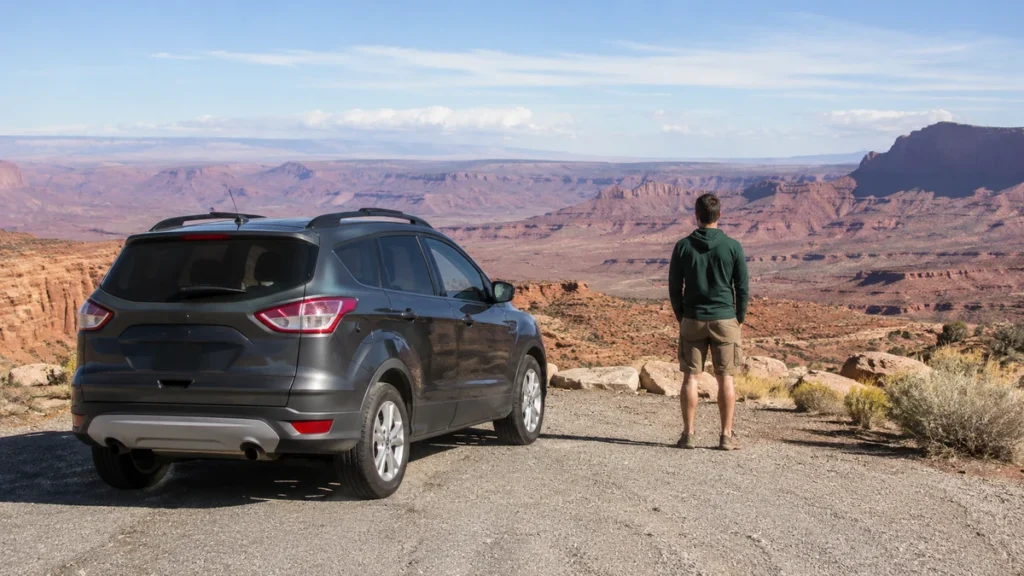
A route through:
Las Vegas → Zion → Bryce Canyon → Page → Grand Canyon
gave me the sort of open-road travel I associated with America before arriving.
Here, the scenery between destinations was part of the experience. Driving did not feel like dead time in the same way that an airport transfer did.
The temptation was still to add another park because it looked close enough on the map. Resisting that usually produced a better day.
14 Days: East Coast Plus the Southwest
Travelers determined to experience two very different sides of the country can make it work by limiting long transfers.
For example:
New York → Washington, D.C. → fly west → Las Vegas → Southwest national parks.
One carefully chosen domestic flight makes much more sense than repeatedly jumping between distant regions.
Getting Around the USA: Car, Train or Plane?

There was no single best way to travel around the USA.
The right choice changed dramatically depending on where I was.
| Transport | Where It Worked Best | Main Drawback | My Experience |
|---|---|---|---|
| Walking/public transit | NYC, Boston, Washington, Chicago | Quality varies by city | Best where networks are strong |
| Train | Northeast | Limited usefulness for many western itineraries | Convenient between major eastern cities |
| Rental car | National parks and road trips | Parking, fuel, insurance and tolls | Often worth the extra cost |
| Domestic flight | Long-distance regional changes | Airport time and baggage charges | Useful for crossing large distances |
| Rideshare/taxi | Airports and short urban trips | Becomes expensive quickly | Best as a supplement |
Where I Skipped the Rental Car
New York was an easy decision.
Paying to rent a vehicle only to sit in traffic and then pay again to park it made little sense. Boston and Washington, D.C. were also easier when I relied on walking and public transportation.
Rail became particularly useful in the Northeast. Amtrak connects cities including Boston, New York, Philadelphia, Baltimore, and Washington, D.C. along its Northeast network. Amtrak’s official Northeast information is worth checking for current routes and schedules.
Where Renting a Car Was Worth It
The situation changed once the trip reached national parks and rural areas.
Utah, Arizona, Wyoming, and parts of California and the Pacific Northwest became much easier with a car.
Early trail starts were simpler. Scenic stops did not have to fit a tour schedule. Accommodation outside town centers became practical.
Parking was the part I consistently underestimated.
A hotel that appeared cheaper online could lose much of that advantage once daily parking and additional driving were included.
How Much Does a USA Trip Really Cost?

The USA is too varied for one believable nationwide daily budget.
A Manhattan hotel room, a Utah roadside motel, a national park campground, and a Hawaiian beach resort cannot sensibly sit in the same cost estimate.
What surprised me more were the expenses around the advertised price.
| Expense | What Can Increase the Real Cost |
|---|---|
| Hotel | Taxes, parking and property fees where applicable |
| Restaurant | Sales tax and tip |
| Rental car | Fuel, insurance choices, tolls, parking and possible one-way charges |
| Domestic flight | Baggage, seat options and airport transfers |
| National parks | Entrance fees, passes and some reservations |
| Attractions | Ticket or booking fees |
| Road trip | Fuel and city parking |
Sales Tax and Tipping Changed My Daily Budget
Restaurant menu prices did not always tell me what the meal would finally cost.
Sales tax is generally added separately rather than included in displayed prices, while tipping is a normal part of table-service restaurant culture.
Neither expense felt dramatic on its own. The difference became noticeable after several meals, hotel nights, and purchases.
I learned to leave some margin in the daily budget instead of calculating everything from the number printed on a menu or booking screen.
Location Sometimes Saved More Than a Cheap Hotel
Accommodation was another place where the lowest nightly price was not always the cheapest option.
A hotel far from the places I wanted to visit could mean extra train journeys, rideshares, parking, or an hour of travel each morning and evening.
On a short trip, location often mattered more than room size.
That was especially noticeable in big cities. The same principle applied near national parks, where a place that looked close on a map could still involve a substantial drive to the trail or viewpoint I actually wanted.
Visiting US National Parks Needed More Planning Than I Expected
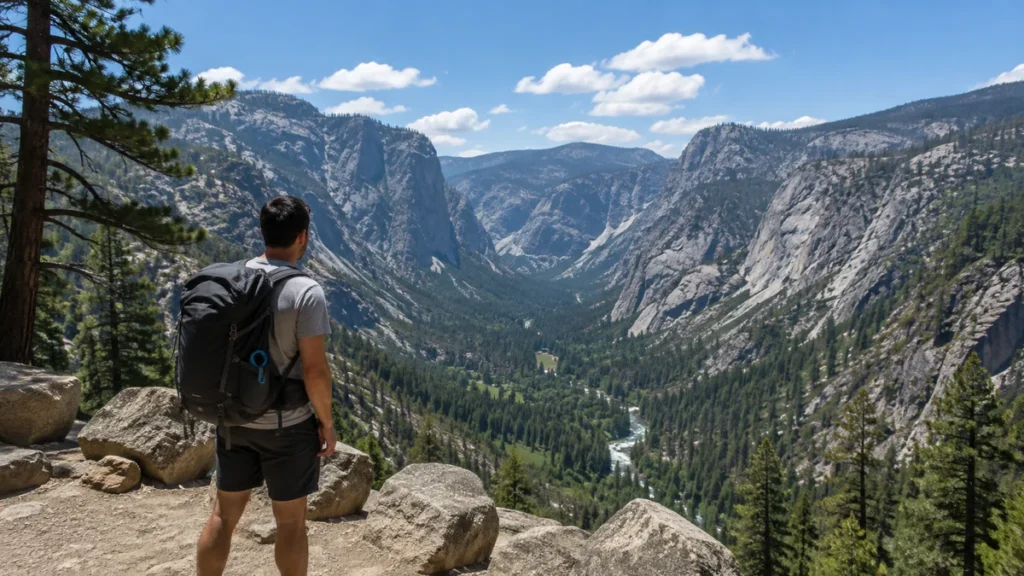
The national parks were among the strongest reasons I had for traveling beyond American cities.
They were also among the easiest places to plan badly.
Yellowstone, Yosemite, Zion, the Grand Canyon, Rocky Mountain, Olympic, Acadia, and other popular parks can involve busy parking areas, limited nearby accommodation, seasonal roads, permits, reservations, or timed-entry systems depending on the park, date, and activity.
I stopped assuming that arriving at a park entrance meant I was five minutes from everything.
Some parks are enormous.
A trailhead, viewpoint, or visitor center can involve significant additional driving after entering the park.
The National Park Service’s official pass and planning information is one page I would check again shortly before a park trip because reservation systems and fees can change.
There is a particularly important change for international travelers in 2026. The National Park Service currently lists the America the Beautiful Non-Resident Annual Pass at $250. Non-U.S. residents aged 16 or older who do not have an applicable annual pass also currently pay an additional $100 nonresident fee at 11 parks: Acadia, Bryce Canyon, Everglades, Glacier, Grand Canyon, Grand Teton, Rocky Mountain, Sequoia & Kings Canyon, Yellowstone, Yosemite, and Zion.
That can materially change the budget for a national-park-heavy USA itinerary, so I would not rely on older posts quoting pre-2026 pass prices.
The practical lesson was simpler than the fee rules: treat a major national park as a destination, not a quick roadside attraction.
The Best Time to Travel USA Depends on the Region
Trying to choose one “best month to visit the USA” stopped making sense once I looked at the climate differences.
Florida and Alaska do not belong in the same weather advice. Neither do New England and Arizona.
| Region | Useful Travel Period | Main Issue to Watch |
|---|---|---|
| Northeast | Spring and fall | Cold winters and humid summers |
| Southeast | Spring and fall | Heat and humidity in summer |
| Florida | Winter and spring are popular | Heat, humidity and hurricane risk later in the year |
| Southwest | Spring and fall | Potentially dangerous summer heat |
| California coast | Much of the year | Inland and mountain conditions vary greatly |
| Rockies | Summer to early fall | Snow and high-elevation weather |
| Pacific Northwest | Summer | Wetter conditions outside summer |
| Alaska | Summer | Strong seasonality and access limitations |
| Hawaii | Year-round | Seasonal crowd and price differences |
Heat affected my plans more than I expected.
A walk that looked short on my phone felt considerably longer under the desert sun. On those days, water, shade, and an early start mattered more than fitting in another viewpoint.
Weather can also disrupt a USA itinerary in more serious ways. Different regions can face hurricanes, wildfires, extreme heat, flooding, winter storms, and other hazards. I checked current government information close to departure rather than relying on seasonal advice written months earlier. The Government of Canada’s United States travel advisory is a useful current reference for international travelers.
What I Ate Around the USA

American food became much more interesting when I stopped treating it as one national cuisine.
New York meant pizza and bagels.
New England pulled me toward seafood. In the South, barbecue became part of the road trip rather than simply another dinner. Louisiana felt different again, with Cajun and Creole influences giving meals their own identity.
Chicago, Texas, New Mexico, California, Hawaii, and the Pacific Northwest each brought different regional food traditions.
Some of the meals I remembered most were not elaborate.
A diner breakfast before a long drive, a casual barbecue plate, or a regional dish eaten somewhere unpretentious often suited the trip better than chasing another famous restaurant.
Later in the journey, I stopped searching only for “best restaurants near me” and started looking for what that particular region was known for eating.
That simple change led to better meals.
Where I Stayed Made a Bigger Difference Than I Expected
Accommodation strategy changed with the destination.

In Major Cities
Walkability and public transportation mattered most.
A cheaper hotel far outside the center could cost me time every morning and evening. For a short city stay, that trade-off rarely felt worthwhile.
On Road Trips
Simple motels made much more sense.
For a one-night stop, convenient parking, cleanliness, and being close to the next day’s route mattered more than an impressive lobby.
Near National Parks
Distance from the park became more important than the star rating.
Paying slightly more for a useful location could give me an earlier start and save a long drive before breakfast.
At Resorts and Expensive City Hotels
I checked the final booking total rather than comparing only the advertised nightly price.
Parking, taxes, and mandatory property fees can change the value of a room significantly.
Entry Requirements for Traveling to the USA
This was one area where I deliberately avoided treating travel blogs as the final authority.
Entry requirements depend on nationality, passport status, travel history, and the purpose of the trip.
Eligible citizens or nationals of countries participating in the Visa Waiver Program can generally travel to the United States for tourism or business for stays of up to 90 days without obtaining a visitor visa, provided they meet the program requirements and have approved Electronic System for Travel Authorization (ESTA) authorization before travel.
Other travelers may need a visitor visa.
An approved ESTA allows an eligible traveler to seek entry under the Visa Waiver Program; it does not itself guarantee admission to the United States.
Because entry requirements can change and individual circumstances matter, I checked the U.S. Department of State’s official Visa Waiver Program guidance before making non-refundable plans.
Safety and Travel Insurance
I used the same basic precautions in American cities that I normally used elsewhere.
Leaving luggage, a passport, or electronics visible inside a rental car was an unnecessary risk. In unfamiliar cities, I checked the neighborhood as carefully as I checked hotel reviews.
The bigger issue for an international visitor was medical cost.
Travel insurance was not somewhere I wanted to save a small amount of money. I checked that the policy covered the type of trip I was taking, especially when driving, hiking, and spending time in national parks.
Policy limits and exclusions matter more than the cheapest headline premium.
Things That Surprised Me About Traveling in the USA
The distances were the biggest surprise, but they were not the only one.
American cities felt much less interchangeable than I had expected.
New York rewarded walking. Los Angeles required a completely different approach. National park mornings revolved around parking, weather, trail conditions, and getting started early.
A plain roadside motel could turn out to be exactly what I needed during a road trip, while an attractive city hotel could become frustrating simply because it was in the wrong location.
The landscapes changed my pace too.
The Grand Canyon did not become better because I tried to squeeze it between two long drives. Yosemite deserved more than a rushed stop. Some famous city landmarks took less time than expected, while ordinary neighborhoods, parks, food stops, and streets kept me around much longer.
I started leaving deliberate gaps in the itinerary.
Those gaps were rarely wasted.
They became the time I used when somewhere was better than expected.
USA Travel Mistakes I Learned From
Packing Too Many Regions Into One Trip
This caused the biggest problem.
Changing regions repeatedly meant losing time to airports, highways, and hotels instead of experiencing the places I had traveled so far to see.
Renting a Car Everywhere
America has a strong road-trip culture, but that does not mean a rental car improves every trip.
In New York it would have been an unnecessary burden.
In Utah it gave me freedom I would not have wanted to lose.
Choosing Hotels Only by Price
The cheapest room was not always the cheapest stay.
Transport, parking, and lost time could erase the saving quickly.
Underestimating Weather

Desert heat changed walking plans.
Mountain conditions affected roads.
Wildfire smoke and severe weather could alter outdoor itineraries.
Weather became something I checked throughout the trip rather than once while packing.
Trying to See Every Famous Attraction
Not every landmark deserved half a day.
Some were worth seeing briefly. Others justified rearranging the itinerary.
Giving myself permission to skip something popular made the overall trip better.
Frequently Asked Questions About Travel in the USA
How many days are enough for a USA trip?
Seven days works for one city or a compact region. For a first international trip, 10–14 days gives a better balance between sightseeing and transportation.
Can you travel around the USA without a car?
Yes, especially in parts of the Northeast. New York, Boston, Philadelphia, Washington, D.C., and some other major cities work well with trains and public transportation. A car becomes much more useful around national parks, rural areas, and many western road-trip routes.
Is two weeks enough for the USA?
Yes, for one substantial region or two carefully chosen areas. Two weeks is not enough to explore the entire country comfortably.
Should I visit the East Coast or West Coast first?
The East Coast suited my city-focused trips better because major destinations can be connected by rail and public transportation. The West made more sense when I wanted road trips, national parks, mountain scenery, desert landscapes, and more time outdoors.
Is Amtrak useful for tourists?
Yes, on the right routes. Rail was particularly useful in the Northeast. For many western and rural itineraries, driving or flying is more practical.
What is the best month to visit the USA?
There is no single best month for the whole country. Alaska, Florida, Hawaii, New England, the Rockies, and the Southwest all have very different travel seasons, so I chose dates after deciding on the region.
How far ahead should I plan national park visits?
I checked individual park pages as soon as my dates were reasonably firm. Popular accommodation, campsites, permits, and certain timed-entry reservations can require advance planning, while requirements vary by park and season.
Do I need cash in the USA?
Cards are accepted widely, but I still carried a small amount of U.S. dollars. I also checked foreign transaction fees before relying heavily on an international card.
Final Thoughts on Traveling the USA
My USA trips improved when I stopped asking:
“How much of America can I fit into this vacation?”
The better question became:
“Which part of America do I actually want enough time to experience?”
That change reduced unnecessary flights, made transportation decisions easier, gave national parks the time they deserved, and stopped hotel changes from controlling the trip.
It also left space for the parts I had not planned: a neighborhood where I kept walking, a roadside stop that lasted longer than expected, a meal that became one of the best memories of the trip, or a viewpoint where leaving after ten minutes suddenly felt ridiculous.
For a first trip, I learned that one well-planned region was far more rewarding than a rushed checklist of the entire USA.