



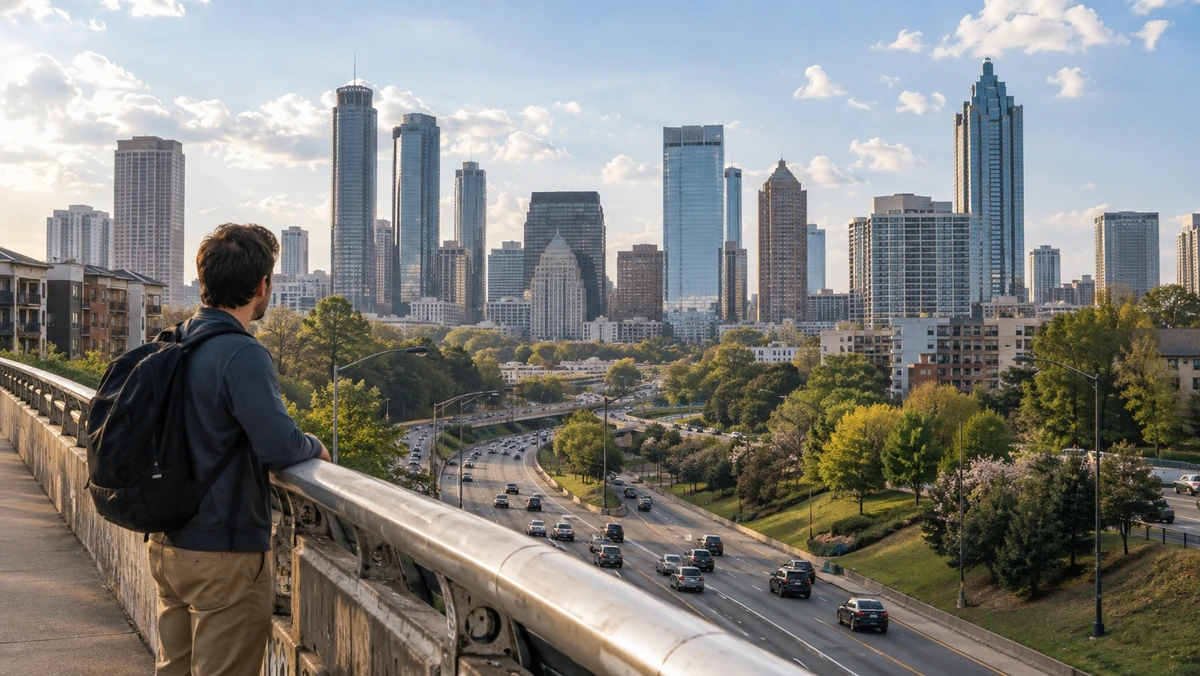
Atlanta became much easier to enjoy once I stopped treating it like one giant sightseeing district.
I visited Atlanta in April 2026, when spring weather made long stretches outside comfortable enough for walking through Midtown and along the BeltLine. My first planning mistake was choosing attractions one by one instead of looking at where they were in relation to each other.
That matters more in Atlanta than I expected.
Georgia Aquarium and World of Coca-Cola fit naturally into the same Downtown day. Piedmont Park and Atlanta Botanical Garden belong together in Midtown. On the Eastside, the Atlanta BeltLine connects Old Fourth Ward, Ponce City Market, Inman Park, public art and Krog Street without repeatedly getting back into a car.
For a first visit, three days felt like the sweet spot. Two days can cover the essentials if you stay focused. Four gives you enough room for more museums, neighborhoods, a game or concert, and meals that do not feel squeezed between reservations.
These are the things to do in Atlanta that made the most sense for a first trip, including realistic visit times, current or estimated costs, booking advice and the places that are practical to combine.
Ticket prices and opening hours can change, so I rechecked the main changeable details in September 2026 and linked to official sources where they are most useful.
Atlanta Attractions at a Glance
| Experience | Area | Realistic Time | Approx. Adult Cost | Book Ahead? | Best For |
|---|---|---|---|---|---|
| Georgia Aquarium | Downtown | 3–4 hours | Variable; budget roughly $50–70 | Yes | First trips, families, marine life |
| World of Coca-Cola | Downtown | 1.5–2 hours | About $28 | Useful on busy days | Coca-Cola fans, families |
| Centennial Olympic Park | Downtown | 30–60 min | Free | No | Downtown break |
| National Center for Civil and Human Rights | Downtown | 2–3 hours | From $26 + tax | Recommended | History, culture |
| Martin Luther King Jr. National Historical Park | Sweet Auburn | 2–3 hours | Free | Same-day access for limited Birth Home programs | Civil Rights history |
| Atlanta BeltLine Eastside Trail | Eastside | 2–4 hours | Free | No | Walking, food, public art |
| Ponce City Market | Old Fourth Ward | 1.5–3 hours | Free entry; about $15–35 for food | No | Food, shopping |
| Krog Street area | Eastside | 1–2 hours | Tunnel free; about $15–30 for a meal | No | Street art, casual food |
| Piedmont Park | Midtown | 1–2 hours | Free | No | Walking, skyline, downtime |
| Atlanta Botanical Garden | Midtown | 2–3 hours | Roughly $29–33 standard admission | Online ticket useful | Gardens, couples |
| High Museum of Art | Midtown | 2–3 hours | $23.50 + applicable fees | Usually optional | Art, rainy days |
| Fox Theatre | Midtown | About 1 hour for a tour | Budget roughly $25–35 for tours; shows vary | Yes | Architecture, performances |
| Historic Oakland Cemetery | Eastside | 1–2 hours | Grounds free; tours extra | Tour only | History, architecture |
| Zoo Atlanta | Grant Park | 3–4 hours | Roughly $30–40 | Useful | Families, animals |
| Fernbank Museum | Eastside | 2.5–4 hours | $25.95–27.95 | Useful on weekends | Dinosaurs, families |
| Atlanta History Center | Buckhead | 3–4 hours | $31 weekday / $35 weekend | Useful | Atlanta history |
| Little Five Points | Eastside | 1–2 hours | Free to explore | No | Shops, music, alternative culture |
| Mercedes-Benz Stadium event | Downtown | 3–4+ hours | Often $30–150+, event dependent | Yes | Sports, concerts |
Plan Atlanta by Neighborhood, Not by Attraction
This was the change that improved my itinerary most.
Downtown is straightforward because several major attractions sit close together. Problems started when I tried to mix Downtown, Midtown and the Eastside into the same day simply because individual places looked close enough on a map.
They were not always convenient in practice.
For a first visit, this grouping works much better:
Downtown: Georgia Aquarium, World of Coca-Cola, Centennial Olympic Park, National Center for Civil and Human Rights and major sports venues.
Midtown: High Museum of Art, Piedmont Park, Atlanta Botanical Garden and Fox Theatre.
Eastside and Sweet Auburn: Martin Luther King Jr. sites, Old Fourth Ward, Atlanta BeltLine, Ponce City Market, Inman Park, Krog Street and Little Five Points.
Once I started planning this way, there was less time spent deciding which ride to order next and more time actually seeing Atlanta.
1. Give Georgia Aquarium More Time Than You Think
Georgia Aquarium was one of the attractions I had initially budgeted too little time for.
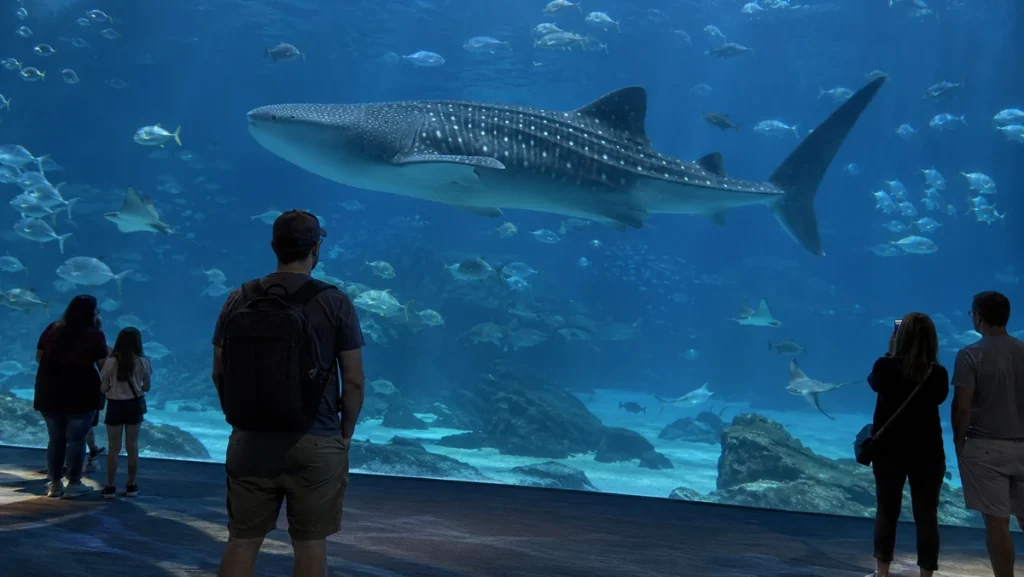
Two hours looks reasonable when building an itinerary. In reality, three to four hours is a much better allowance for a first visit. The aquarium itself recommends roughly that amount of time.
General admission uses variable pricing based on the date, booking time and demand, so I would budget roughly $50–70 per adult rather than relying on a single ticket figure. Buying ahead and choosing an off-peak period can reduce the cost.
Admission includes the main galleries as well as dolphin and sea lion presentations, although presentation reservations are limited and handled on the day.
I would avoid putting another strict timed reservation immediately after the aquarium. That is an easy way to turn an enjoyable morning into a race through the final galleries.
Check current prices, hours and presentation schedules on the official Georgia Aquarium visitor page.
Best pairing: World of Coca-Cola and Centennial Olympic Park.
Consider skipping it if: marine life is not a priority and you would rather divide the admission cost among several smaller experiences.
2. Visit World of Coca-Cola With the Right Expectations
World of Coca-Cola was more entertaining than I expected, but it helps to understand exactly what it is.
This is very much a Coca-Cola experience rather than a general Atlanta history museum.

Inside, the visit combines Coca-Cola history, brand memorabilia, the Vault of the Secret Formula, the Coca-Cola Polar Bear and interactive exhibits. The part I found most memorable was Taste It!, where drinks from different parts of the world can be sampled.
Some disappeared after one sip. Others were much better than I expected.
Plan approximately 1.5–2 hours and budget around $28 for adult admission, with final pricing worth checking for your dates.
If you have little interest in Coca-Cola history or branding, those two hours may be more valuable on the BeltLine or in another neighborhood.
Best pairing: Georgia Aquarium, which is next door.
3. Give the MLK Historic District the Time It Deserves
The Martin Luther King Jr. National Historical Park was one part of Atlanta where rushing felt particularly inappropriate.
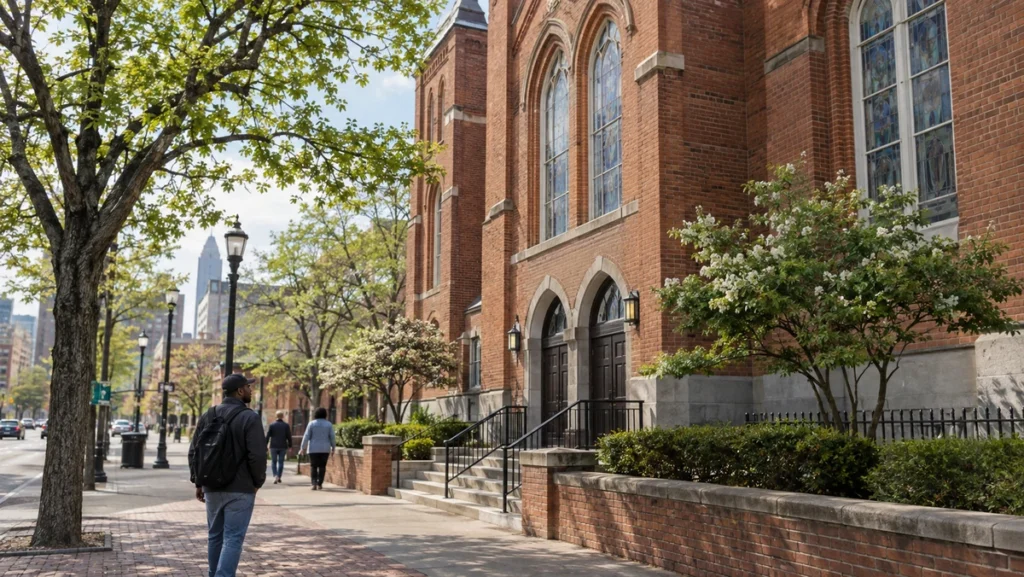
The area around Auburn Avenue connects Dr. King’s childhood, ministry and Civil Rights legacy through sites including Historic Ebenezer Baptist Church, the Birth Home block and other preserved locations.
General park access is free, and the main park facilities generally operate from 9 a.m. to 5 p.m.
Birth Home access has changed during restoration work. The National Park Service currently lists free same-day ranger-led Birth Home access with limited capacity, with registration handled at Historic Fire Station No. 6. Because restoration-related arrangements can change, this is one detail I would check shortly before visiting.
I allowed roughly two to three hours for the district rather than squeezing it between unrelated attractions.
Someone with a strong interest in Civil Rights history could easily spend longer.
Check the latest access information directly with the National Park Service.
Worth knowing: if seeing inside the Birth Home matters to you, arrive earlier in the day because spaces are limited.
4. Walk the Atlanta BeltLine Instead of Only Driving Through Atlanta
The BeltLine was where Atlanta started to feel less like a series of disconnected attractions.

The wider project follows a planned 22-mile loop around the city. New trail sections opened in 2026, creating nearly 17 continuous miles through neighborhoods including Piedmont Park, Old Fourth Ward, Grant Park and areas on the Westside.
For a first visit, there is no need to chase mileage.
I concentrated on the Eastside Trail, where walking naturally connects Old Fourth Ward, Ponce City Market, Inman Park, restaurants, parks and public art.
The trail itself is free.
Allow around two to four hours, depending on how often you stop for food, photographs or side streets. Trying to turn it into another attraction to “complete” misses much of the point.
Current trail connections and construction updates are available from the official Atlanta BeltLine.
5. Use Ponce City Market as Part of an Eastside Day
Ponce City Market made more sense when I stopped treating it as a destination that needed half a day by itself.
Its location beside the BeltLine in Old Fourth Ward makes it ideal for lunch, coffee or an early evening stop.

Entry is free. For a casual meal, expect roughly $15–35 per person before alcohol or shopping.
I spent longer here than planned because it was easy to eat, look around for a while and then return directly to the trail instead of reorganizing the rest of the day.
Allow around 90 minutes to three hours.
Weekend crowds can make the food hall much less relaxed, so eating slightly before or after the usual lunch rush helps.
6. Leave Space for Piedmont Park
One of the easiest ways to make an Atlanta itinerary unnecessarily expensive is to fill every available hour with a paid attraction.
Piedmont Park fixed that for me.
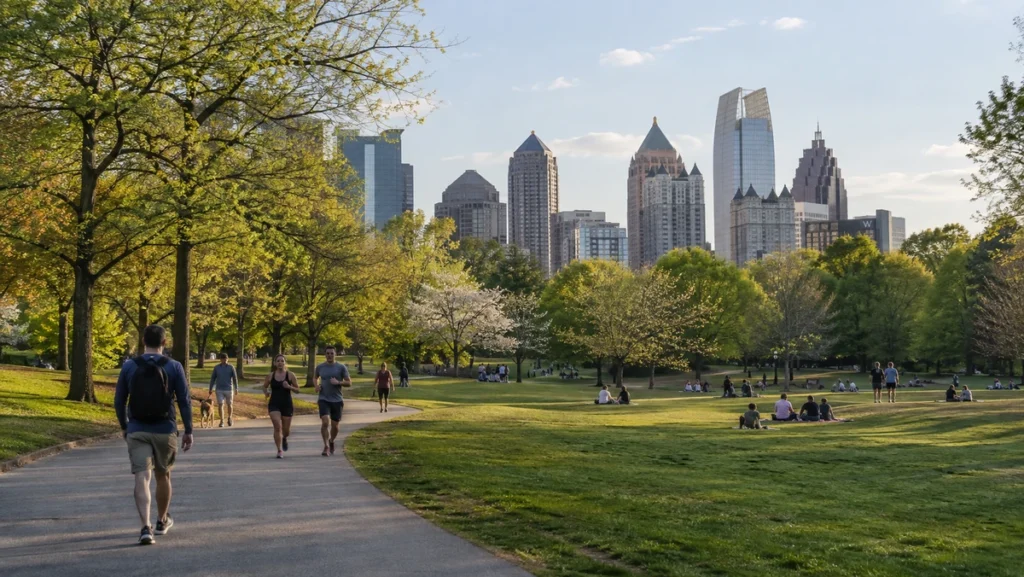
The park is free, sits beside Atlanta Botanical Garden and connects well with other Midtown and BeltLine plans.
For a straightforward walk, one to two hours is enough. More time makes sense if you want a picnic, run or slower afternoon.
After several indoor attractions, the open lawns, trees and skyline views gave the day some breathing room.
7. Spend a Proper Afternoon at Atlanta Botanical Garden
Atlanta Botanical Garden is another place that works best when you avoid rushing it.
Its Midtown location beside Piedmont Park makes the two an obvious pairing.
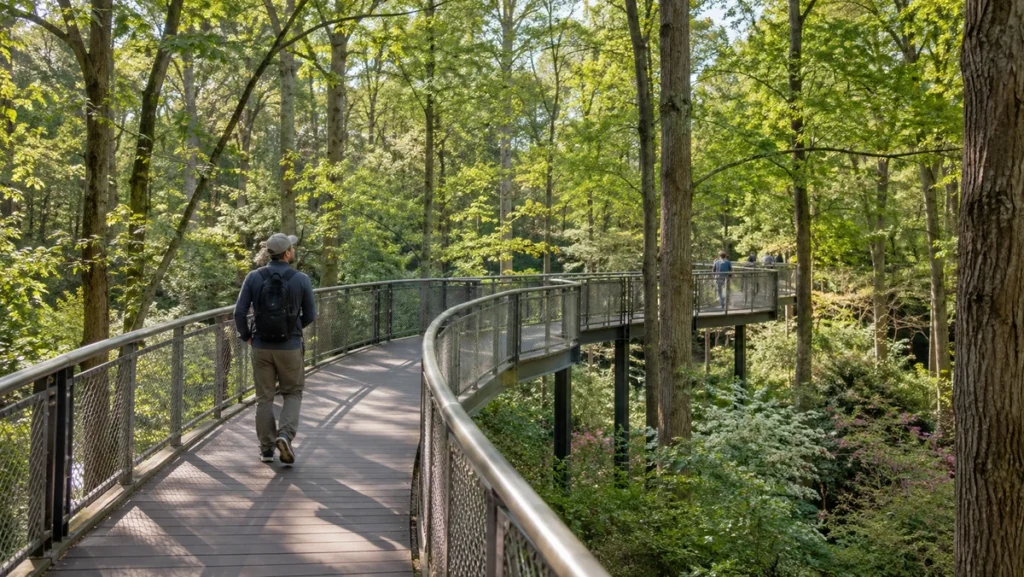
Standard adult admission generally falls around $29–33, depending on the date and ticket type. Special exhibitions and seasonal evening events can cost more.
The Canopy Walk, wooded areas, conservatory spaces, orchid displays and outdoor gardens created far more variety than I expected from a botanical garden.
Plan two to three hours.
April suited my visit particularly well because spending long periods outside was comfortable. During Atlanta’s hotter, more humid months, an earlier visit would make more sense.
Check current tickets and seasonal events with the Atlanta Botanical Garden.
8. Make Time for the National Center for Civil and Human Rights
The National Center for Civil and Human Rights added context that I would not have wanted to miss on a first Atlanta trip.

It sits conveniently near the major Downtown attractions, but it deserves more attention than a quick gap between the aquarium and lunch.
Adult admission currently starts at around $26 plus tax, with more flexible ticket options costing slightly more.
Allow two to three hours.
Travelers primarily interested in Atlanta’s history should consider this and the MLK historic district higher priorities than trying to visit every entertainment attraction Downtown.
Current ticket information is available from the National Center for Civil and Human Rights.
9. Keep the High Museum for an Art or Rainy Day
The High Museum of Art was one of the easier Midtown attractions to fit into an itinerary because it did not demand the whole day.

Current general admission is $23.50 plus applicable fees, with most of the permanent collection and many exhibitions included.
Plan two to three hours.
The museum makes particular sense for art lovers, architecture fans or anyone needing a reliable indoor plan when Atlanta’s heat or rain changes the day.
With only two days in Atlanta and little interest in art, I would save it for another trip.
10. See More Than the Marquee at Fox Theatre

The Fox Theatre looks impressive from Peachtree Street, but the interior is the real reason to spend time there.
The theater dates to 1929 and has an ornate design that feels dramatically different from Atlanta’s modern Downtown skyline.
Tours generally last about one hour. Because tour formats change seasonally, I would budget roughly $25–35 rather than treating that as a fixed ticket price.
If your dates line up with a performance you actually want to see, attending a show makes more sense than visiting only for photographs.
11. Continue Toward Krog Street Instead of Making a Separate Trip
Krog Street worked best for me as part of a longer Eastside route.

The Krog Street Tunnel is covered in constantly changing graffiti and street art, while nearby Krog Street Market provides an easy food stop.
Walking through the tunnel is free.
For a casual meal nearby, budget roughly $15–30 per person before drinks.
Reaching the area on foot after time on the BeltLine made the experience much more satisfying than driving over only for a quick photograph.
Allow one to two hours, or longer if this becomes your dinner stop.
12. Walk Through Historic Oakland Cemetery
Historic Oakland Cemetery was one of the quieter stops on the trip.
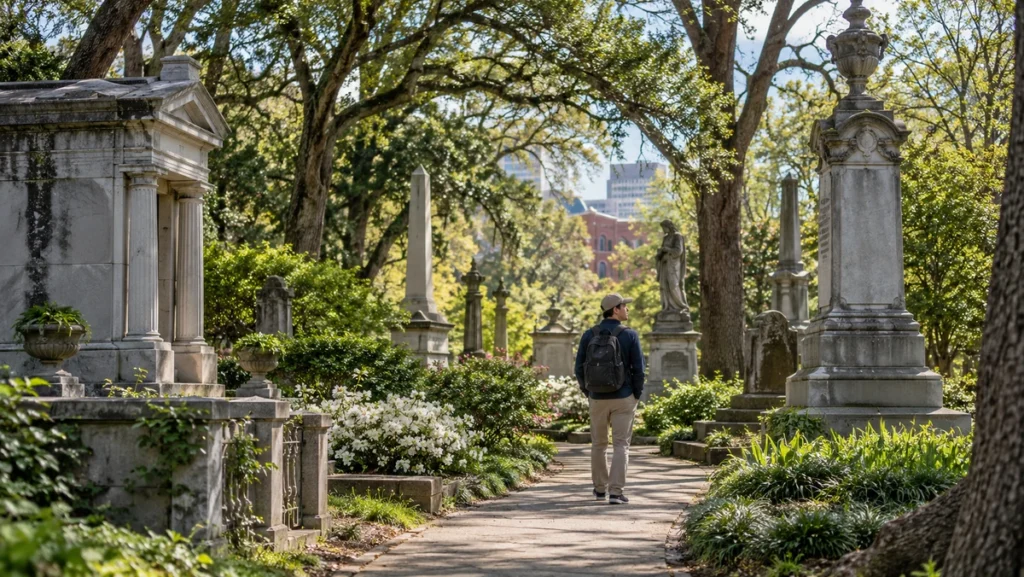
The grounds are free to enter, while guided tours cost extra and commonly fall around the low teens per adult depending on the program.
Plan one to two hours.
The mature trees, monuments and Atlanta history made it feel more like an outdoor historical site than a conventional cemetery visit.
Historic paths and surfaces can be uneven in places, so travelers with limited mobility should check accessible routes before arriving.
For someone more interested in local history than another commercial attraction, Oakland is a strong addition.
13. Pick Zoo Atlanta When Animals Are a Real Priority

Zoo Atlanta deserves three to four hours, which is why I would not casually add it to an already full day.
Adult admission uses date-dependent pricing, so roughly $30–40 per adult is a sensible planning figure.
Families can easily justify including both Zoo Atlanta and Georgia Aquarium during a longer trip.
Without children, I would think harder about doing both on a two- or three-day visit. Choosing one leaves considerably more time for Atlanta’s neighborhoods, Civil Rights history and food.
14. Use Fernbank for Dinosaurs, Forest Trails or Bad Weather
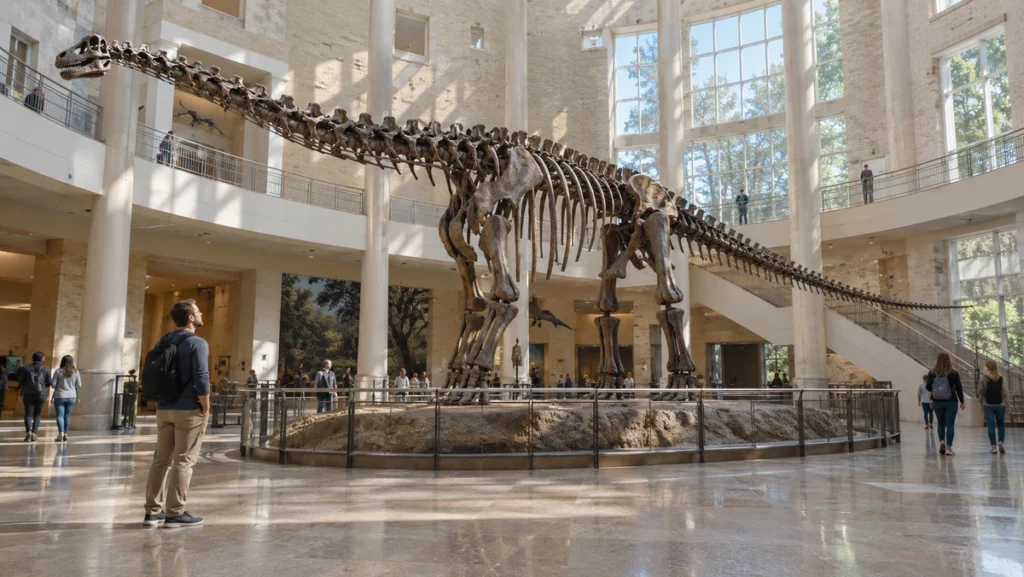
Fernbank Museum of Natural History surprised me because it was not limited to indoor exhibition halls.
General admission also includes outdoor experiences and a Giant Screen film.
Current adult admission is $25.95 during value-priced periods and $27.95 during standard higher-demand periods.
Allow 2.5–4 hours.
Fernbank makes particular sense for families, dinosaur fans or a day when rain ruins a mostly outdoor plan.
15. Save Atlanta History Center for a Longer Trip

Atlanta History Center is in Buckhead, which immediately makes it less efficient than Downtown or Eastside attractions for someone with only a weekend.
That is its main drawback.
Once there, however, the 33-acre campus contains exhibitions, historic houses and gardens that can easily fill three to four hours.
Current adult admission is $31 on weekdays and $35 on weekends, and onsite parking is free.
For someone genuinely interested in Atlanta’s history, it is worth the extra travel.
On a very short first trip, though, I would protect time for the MLK historic district first because it fits more naturally into the rest of an Eastside itinerary.
16. Leave Little Five Points Unscheduled
Little Five Points worked because I arrived without a checklist.

The Eastside neighborhood mixes record stores, vintage clothing, independent shops, casual food and a more alternative atmosphere than Downtown.
Walking around costs nothing apart from whatever you eat or buy.
An hour or two was enough for me, but having one stretch of the trip without timed admission was refreshing.
Pair it with other Eastside stops rather than crossing the city solely for a short visit.
17. Treat a Stadium Event as the Evening Plan
Mercedes-Benz Stadium hosts Atlanta Falcons football, Atlanta United soccer, major concerts and other events.

Prices vary enormously, but $30–150+ per person is a reasonable planning range for many events. Premium seats and major concerts can cost substantially more.
The larger issue is time.
Once arrival, security, the event and post-event crowds are included, allow at least three to four hours.
I would not book a tight dinner reservation across town immediately afterward. Traffic, rideshare prices and transit demand can change quickly when a full stadium empties.
18. Use Centennial Olympic Park to Connect Downtown Attractions
Centennial Olympic Park was most useful as connective space rather than a destination requiring a separate journey.
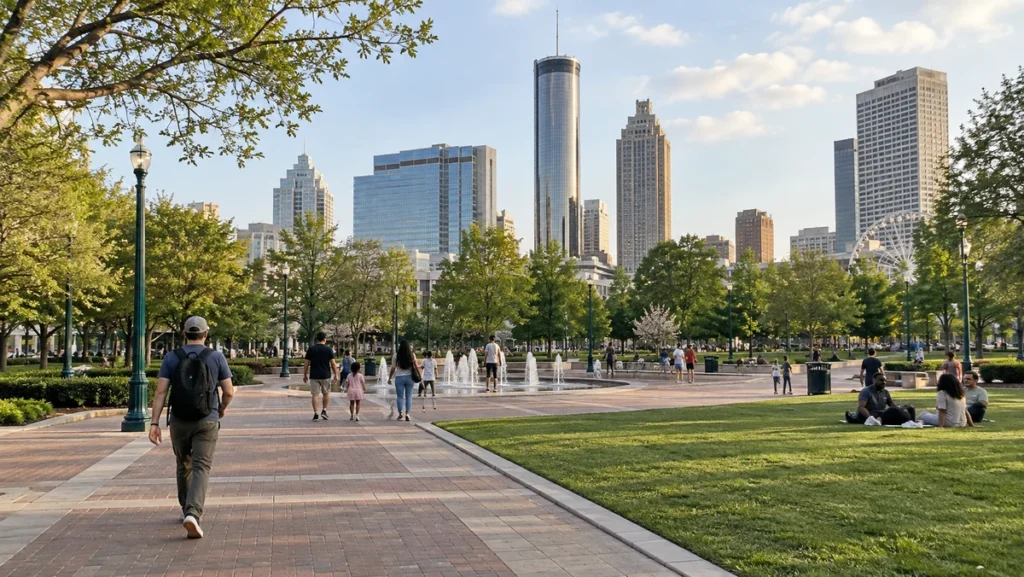
Georgia Aquarium, World of Coca-Cola, the National Center for Civil and Human Rights and other Downtown sights all sit nearby.
The park is free.
Unless an event is taking place, 30–60 minutes is enough for most first-time visitors.
I would not cross Atlanta purely to see the park. Its value comes from how naturally it fits between the attractions around it.
Atlanta CityPASS: When It Actually Saves Money
Atlanta is one city where an attraction pass can make financial sense because several expensive sights appear on typical first-time itineraries.
For the 2026–27 period, Atlanta CityPASS costs $106 plus tax for adults and $86 plus tax for children ages 3–12. It covers five attractions from the participating list and remains valid for nine consecutive days after activation.
Participating attractions include:
- Georgia Aquarium
- World of Coca-Cola
- Zoo Atlanta
- Fernbank Museum of Natural History
- Chick-fil-A College Football Hall of Fame
- National Center for Civil and Human Rights
The pass can save money, but only if several of those attractions were already part of your plans.
Buying the pass first and then forcing yourself into attractions simply to recover the cost is the wrong way around.
Compare the current inclusions on the official Atlanta CityPASS page.
Getting Around Atlanta Without Wasting Half the Day
I did not find a rental car necessary for every sightseeing day.
For visitors staying Downtown or in Midtown, MARTA + walking + occasional rideshare can cover much of a short first trip.
A standard MARTA bus or rail ride currently costs $2.50, with eligible transfers included under MARTA’s transfer rules. Rail also serves Hartsfield-Jackson Atlanta International Airport directly.
That made MARTA particularly useful for the airport, Downtown, Midtown and Buckhead.
For awkward gaps between neighborhoods, rideshare sometimes made more sense than forcing every journey onto public transport. A short central ride might cost approximately $10–20, although traffic, major events and surge pricing can push the price much higher.
Driving becomes more attractive for groups splitting costs or attractions farther from rail, but parking charges can quickly reduce the savings.
Current fares and payment options are listed on the official MARTA fares page.
The biggest transport improvement came from changing the itinerary, not changing the vehicle. Once I stopped putting distant neighborhoods into the same day, getting around became much easier.
A 3-Day Atlanta Itinerary That Does Not Feel Rushed
Day 1: Downtown Atlanta
Start at Georgia Aquarium near opening and allow around three to four hours.
After lunch, choose between World of Coca-Cola and the National Center for Civil and Human Rights based on your interests.
Doing the aquarium plus both attractions in one day is technically possible, but it leaves little room for delays or simply slowing down.
Finish with a walk through Centennial Olympic Park.
Estimated attraction spend: roughly $80–105 per adult if you visit the aquarium plus one additional paid attraction.
Day 2: Civil Rights History and the Eastside
Begin around 9 a.m. at Martin Luther King Jr. National Historical Park.
Give the area two to three hours, especially if you hope to secure limited same-day Birth Home access.
Continue toward Old Fourth Ward for lunch at Ponce City Market, then spend the afternoon walking the Atlanta BeltLine Eastside Trail toward Inman Park and Krog Street.
Finish around Krog Street Market if you want to keep dinner nearby.
Estimated sightseeing and food spend: approximately $35–70 per person, with most of the cost coming from meals and drinks.
This was the day that felt least like moving between attractions and most like actually experiencing Atlanta.
Day 3: Midtown
Start at the High Museum of Art.
After lunch, continue toward Atlanta Botanical Garden, then leave some unstructured time for Piedmont Park.
If a performance fits your dates, finish the evening at the Fox Theatre.
Without a show, budget around $60–90 per person for admissions, food and basic local transportation.
What I Would Skip on a Short First Trip
Atlanta gets tiring when every famous attraction is treated as compulsory.
With only two days, I would not try to fit Georgia Aquarium, Zoo Atlanta, Fernbank Museum and Atlanta History Center into the same trip. Each deserves enough time that combining them would crowd out most of the city itself.
World of Coca-Cola is another place I would choose based on genuine interest. It is polished and entertaining, but someone with no attachment to the brand could spend those two hours somewhere more specific to their interests.
Atlanta History Center is worth visiting, but Buckhead adds extra travel compared with the dense Downtown and Eastside clusters. I would keep it for a three- or four-day trip.
The experiences I would protect first are the ones that helped Atlanta make sense: the MLK historic district, a long BeltLine walk, one major Downtown attraction and enough time in at least one neighborhood outside Downtown.
How Much to Budget for Atlanta Sightseeing
Atlanta can become expensive quickly once several headline attractions are added to the same day.
| Travel Style | Attractions | Food | Local Transport | Estimated Daily Total |
|---|---|---|---|---|
| Low-cost | $0–30 | $35–55 | $5–20 | About $40–105 |
| Mid-range | $50–90 | $50–80 | $10–30 | About $110–200 |
| Attraction-heavy | $90–140 | $70–110 | $20–50 | About $180–300 |
These estimates are per person and exclude accommodation, flights, shopping and major event tickets.
The easiest way I found to control spending was not chasing small discounts. It was alternating expensive attractions with Piedmont Park, the BeltLine, Oakland Cemetery, Centennial Olympic Park and neighborhood walks.
That also made the trip less tiring.
Two Days vs. Three Days in Atlanta
Two days is enough for Atlanta’s main highlights. Three days is much better.
With two days, I would spend one around Downtown and another combining Civil Rights history with the Eastside.
Three days gives Midtown enough space and stops the whole trip from feeling like a race.
Four days becomes useful if Zoo Atlanta, Fernbank, Atlanta History Center, a major sporting event or slower neighborhood exploration matters to you.
Can You Visit Atlanta Without a Car?
Yes, especially on a short first visit.
Staying near MARTA in Downtown or Midtown makes the airport and several central areas straightforward. Walking works well inside individual sightseeing clusters, while occasional rideshare trips fill the awkward gaps.
The city became easier once I stopped asking, “Can I reach everything without a car?” and started asking, “Why am I trying to visit these two distant areas on the same day?”
That planning change helped more than any transportation trick.
The Planning Choice That Made Atlanta Better
Atlanta was at its best when I stopped counting how many attractions I had completed.
The days that worked best had a natural sequence: Civil Rights history in the morning, lunch in Old Fourth Ward and a long BeltLine walk afterward; or an art museum followed by the Botanical Garden and time in Piedmont Park.
For a first visit, I would protect time for one major Downtown attraction, the Martin Luther King Jr. historic district, the BeltLine and Old Fourth Ward, plus at least half a day in Midtown.
That gave me the famous Atlanta sights without spending the entire trip inside ticketed buildings or moving between neighborhoods in traffic.