



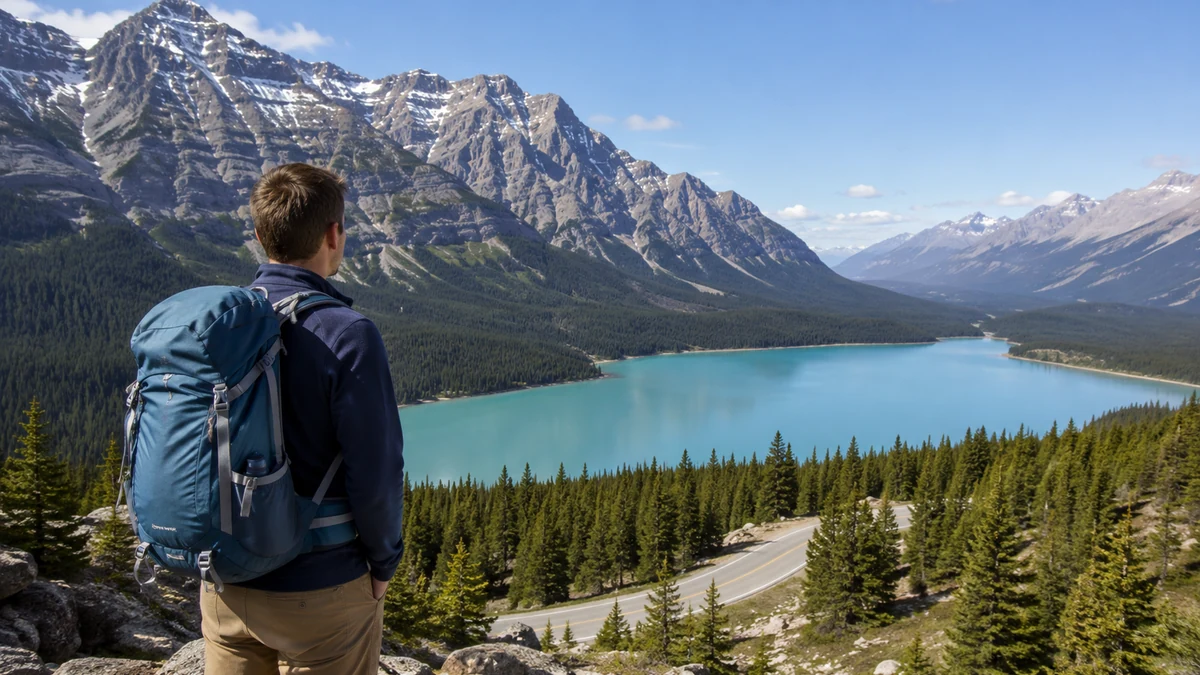
Canada looked surprisingly easy to plan when I first opened a map and started saving places. Vancouver, Banff, Toronto, Niagara Falls, Montréal, and Québec City all went onto my list.
Then I started looking at the actual distances.
That was the first lesson of my trip: travel in Canada works much better when you plan by region instead of by famous attractions. Trying to squeeze eastern Canada, the Canadian Rockies, and the Pacific coast into one short vacation usually means spending too much time in airports, cars, or trains.
I visited Canada in September 2025, when the cooler early-fall weather worked especially well for combining city sightseeing with time in the Canadian Rockies. For a first Canada trip of 7–14 days, I found it far more enjoyable to choose either western Canada or Ontario and Québec and explore that area properly.
These are the Canada travel tips that mattered most once I started moving around the country: where to go first, East versus West, realistic itineraries, transportation, costs, seasons, national park logistics, food, entry requirements, and the mistakes that can quietly waste valuable vacation days.
Is Canada Worth Visiting?
Yes, especially if you like combining cities with outdoor travel.
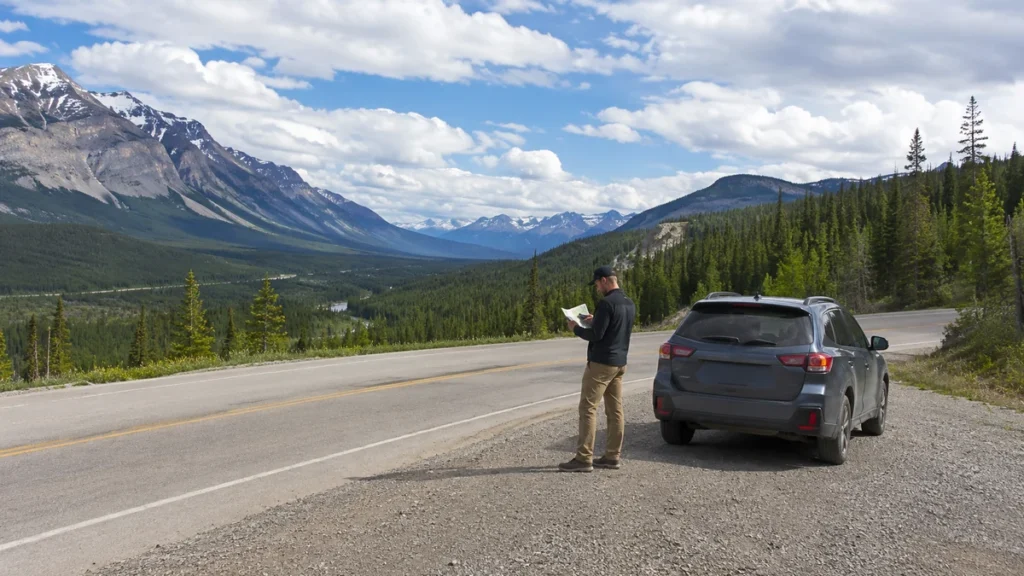
What surprised me most was how different one part of Canada felt from another. Vancouver gave me ocean, forest, mountains, and city life in the same day. The Canadian Rockies were about early mornings, scenic roads, sudden weather changes, and long hours outdoors. Montréal felt completely different again, with busy neighborhoods, cafés, markets, and a stronger French influence. Québec City was slower and more historic than I had expected.
That variety became one of the best parts of the trip.
It was also the reason my original itinerary did not work.
The biggest planning question is not simply, “What are the best places to visit in Canada?”
It is:
“Which part of Canada fits the kind of trip I actually want?”
Once I answered that, the rest became much easier.
Which Part of Canada Should You Visit First?
Canada is easier to understand when you divide it into travel regions.
| If you mainly want… | Start with… | Places that work well together |
|---|---|---|
| Mountains, lakes, hiking | Alberta | Banff, Lake Louise, Jasper |
| City + ocean + mountains | British Columbia | Vancouver, Whistler, Vancouver Island |
| Cities + easier transport | Ontario + Québec | Toronto, Niagara Falls, Montréal, Québec City |
| Food, history + French culture | Québec | Montréal, Québec City |
| Coastal drives + seafood | Atlantic Canada | Nova Scotia, PEI, New Brunswick, Newfoundland |
| Wildlife + remote landscapes | Northern/central Canada | Churchill, Yukon, Northwest Territories |
For many first-time visitors, the main decision is western Canada versus eastern Canada.
Western Canada worked better for scenery
The Canadian Rockies delivered the version of Canada I had pictured before the trip: huge peaks, glacier-fed lakes, forested roads, wildlife warnings, and weather that changed surprisingly quickly.
Banff, Lake Louise, and Jasper naturally fit together. Vancouver can also be added when the trip is long enough.
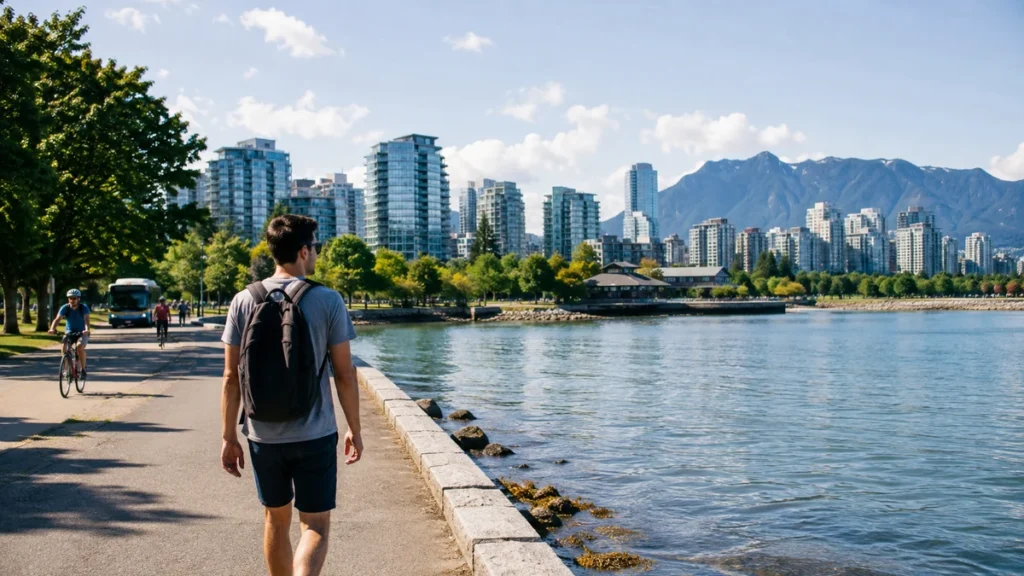
A western itinerary makes the most sense for travelers interested in:
- hiking
- mountains
- lakes
- wildlife
- scenic drives
- national parks
- outdoor photography
The trade-off is that this version of Canada requires more logistical planning.
Accommodation, parking, shuttle reservations, road conditions, and driving distances mattered much more than they did during my city days.
Eastern Canada felt easier to connect
Toronto, Montréal, and Québec City created a much simpler city-based trip.
I did not have to think about mountain roads or national park parking every morning. Public transportation was useful, the cities were walkable once I stayed in the right areas, and moving between major stops was easier.
Toronto and Montréal, for example, are connected by VIA Rail. The current published average journey is about 5 hours 13 minutes, although schedules can change.
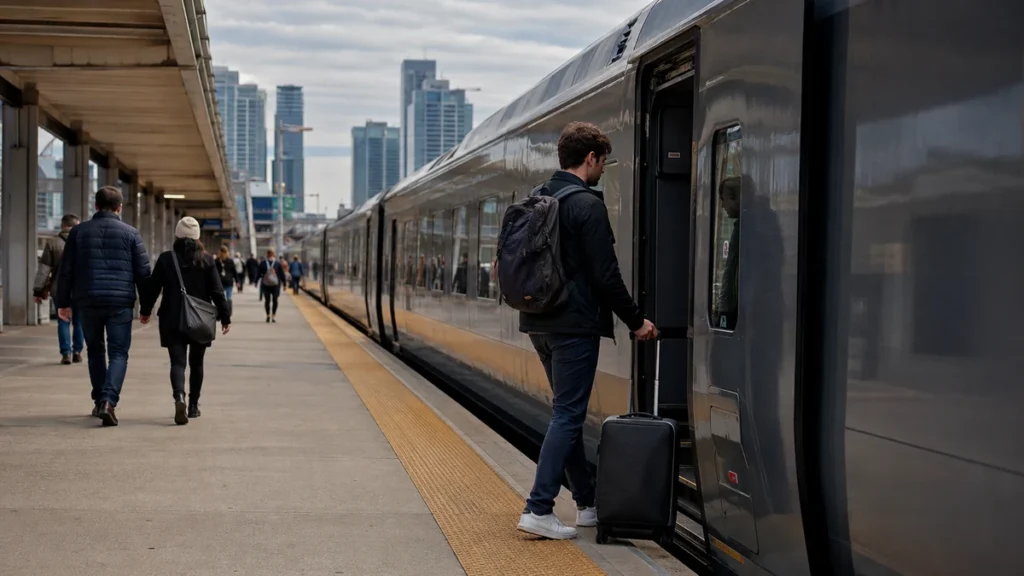
Check current Toronto–Montréal schedules with VIA Rail
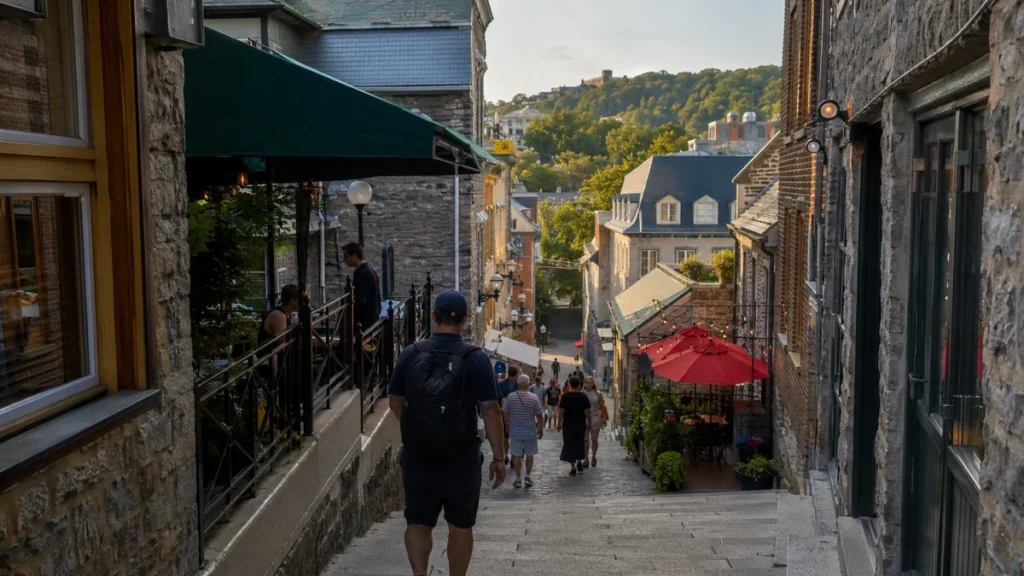
Québec City was also one of the places where I spent longer than expected. On a map, Old Québec looked compact enough to rush through. In person, the steep streets, terraces, cafés, and lower town made me slow down.
East Canada vs West Canada: Which Is Better?
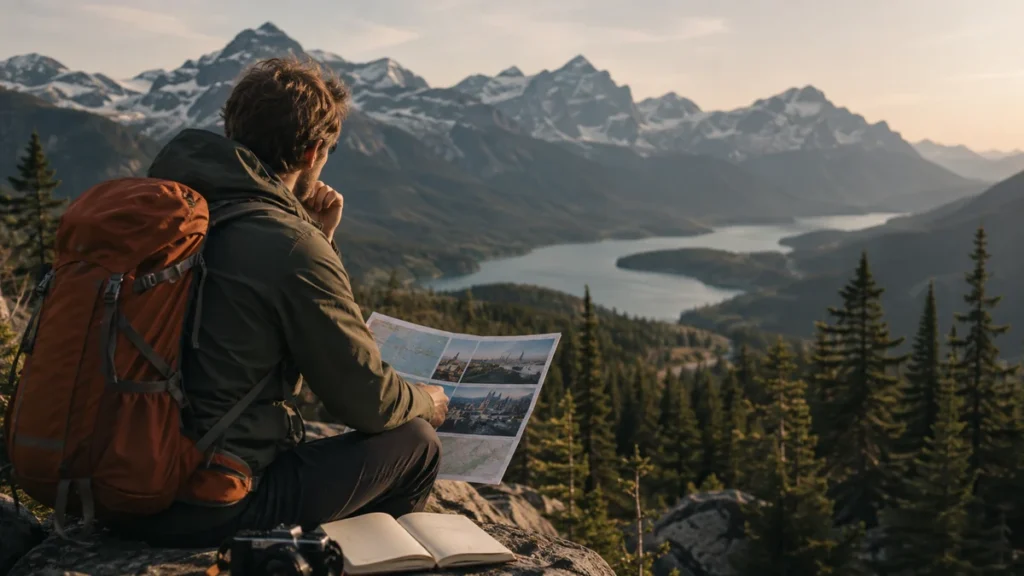
Neither is better overall. They offer very different trips.
| Western Canada | Eastern Canada |
|---|---|
| Better for mountains and outdoor travel | Better for cities and culture |
| Banff, Jasper, Vancouver | Toronto, Montréal, Québec City |
| A rental car is often more useful | Trains and public transit are more useful |
| Longer distances between major stops | Easier city-to-city combinations |
| Hiking and road trips | Food, history, museums, neighborhoods |
| More national park logistics | More flexibility for spontaneous days |
For a seven-day trip, choosing one area makes far more sense.
With 10–14 days, one region can be explored properly without turning every second day into a transfer day.
Trying to combine Toronto, Banff, and Vancouver looked exciting on my first draft itinerary. Once I calculated the transfers, it became obvious that I was planning a transportation challenge rather than a vacation.
How Many Days Do You Need in Canada?
The answer depends entirely on the region.
Canada is too large for a meaningful nationwide seven-day itinerary.
These time frames felt much more realistic:
| Time Available | A Sensible First Canada Trip |
|---|---|
| 5 days | One major city plus a nearby day trip |
| 7 days | Toronto + Niagara Falls OR Vancouver + nearby BC |
| 10 days | Ontario + Québec OR a focused Rockies trip |
| 14 days | Vancouver + Rockies OR Toronto + Montréal + Québec City |
| 3 weeks | Two regions with carefully planned domestic flights |
| 4+ weeks | A broader multi-region trip |
A realistic 7-day Canada trip
For an eastern Canada trip, a simple route is:
Days 1–3: Toronto
Day 4: Niagara Falls
Days 5–7: Montréal
For western Canada:
Days 1–3: Vancouver
Days 4–7: Banff area
Even that western route moves quickly once airport transfers are included.
Staying entirely within British Columbia or Alberta can make seven days feel much less rushed.
A realistic 10-day trip
A first eastern Canada itinerary could look like:
3 days in Toronto
1 day at Niagara Falls
3 days in Montréal
3 days in Québec City
This route gives each place enough time to feel different instead of turning the trip into a sequence of hotel check-ins.
A realistic 14-day western Canada itinerary
Two weeks gives the Rockies much more breathing room:
3 days in Vancouver
3–4 days around Banff and Lake Louise
2–3 days around Jasper
remaining days for Calgary, transfers, weather changes, or slower stops
Leaving some flexibility mattered more in the mountains than I expected.
Weather, trail conditions, road restrictions, and simple tiredness after long driving days can all change the plan.
The Biggest Mistake I Made: Underestimating Distance
Canada does not look particularly difficult when everything is reduced to pins on a map.
The problem becomes obvious when you start calculating the journey between those pins.
Toronto and Vancouver are not two convenient stops on a normal one-week road trip. Banff is not an easy side trip from Montréal. Newfoundland is not a quick extension from Toronto.
My early plan included too many famous names and not enough geography.
A simple rule fixed most of the problem:
Whenever two places were in different major regions, I treated the transfer as part of the itinerary rather than empty space between attractions.
That immediately removed several rushed combinations.
It also gave me more time in the places I had already traveled so far to see.
Getting Around Canada: Car, Train, or Plane?
There is no single best way to travel around Canada.
It depends on where you are.
Trains worked best for parts of eastern Canada
Rail made the most sense during city-to-city travel in Ontario and Québec.
Toronto, Ottawa, Montréal, and Québec City can be linked much more naturally by rail than many western destinations.
I also preferred arriving closer to the city center instead of repeating another airport journey.
Schedules and fares change, so I checked VIA Rail directly rather than relying on journey times copied from older travel articles.
A rental car made more sense outside the major cities
A car became much more useful in:
- Alberta
- the Canadian Rockies
- rural British Columbia
- Vancouver Island outside Victoria
- Atlantic Canada
- rural parts of Québec
Inside central Toronto or Montréal, I often preferred walking and public transportation.
Paying for a rental car only to leave it in a parking garage did not make much sense.
Flying saved time between distant regions
Domestic flights become practical when a trip includes both eastern and western Canada.
At first, crossing large parts of Canada overland sounded like part of the adventure. On a short vacation, that idea became much less appealing once I saw how many sightseeing days it would consume.
Sometimes the faster connection gives you the better trip.
Can You Travel Canada Without a Car?
Yes, as long as you choose the right destinations.
I had little need for a car while exploring central areas of:
- Toronto
- Montréal
- Québec City
- Vancouver
Walking and public transit handled much of what I wanted to do.
The situation changes once the trip becomes more rural.
A car becomes far more useful for Atlantic Canada road trips, rural Québec, much of Vancouver Island, and many outdoor itineraries.
Even then, having a rental car does not guarantee access to every famous attraction.
Moraine Lake is the clearest example.
Banff, Lake Louise, and Moraine Lake Need Advance Planning
Before researching the details, I had pictured Moraine Lake as another scenic stop where I could drive up, park, and start exploring.
That is not how access works.
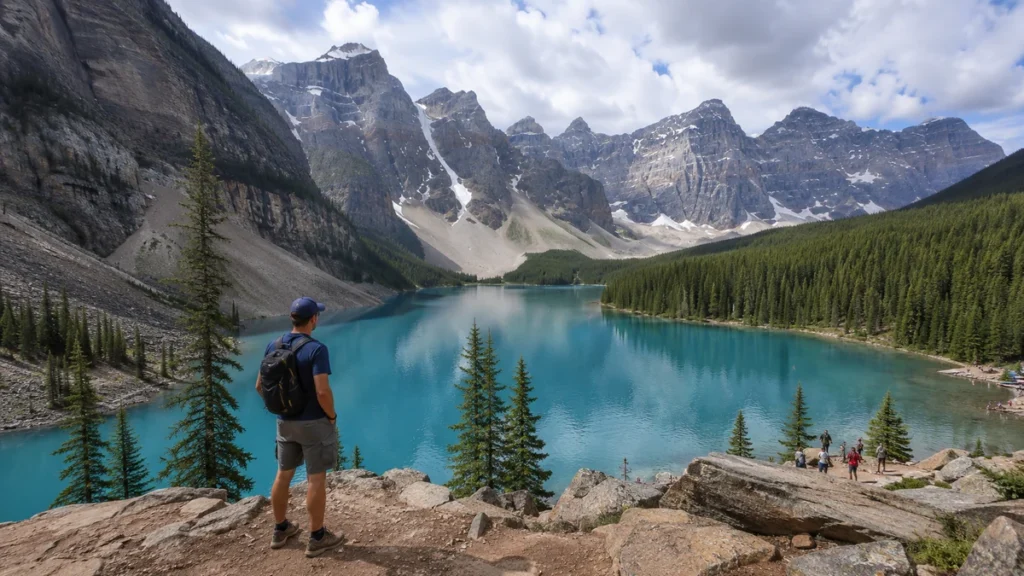
Personal vehicles are not permitted on Moraine Lake Road. Visitors need a shuttle, public transit, or an eligible commercial operator. Parks Canada also uses reservations for its Lake Louise and Moraine Lake shuttle network.
Check current Lake Louise and Moraine Lake access with Parks Canada
This was one of the most useful details I learned before reaching Banff.
The landscape feels wild, but some of the most popular places in the Canadian Rockies require surprisingly careful logistics.
I stopped treating transportation as something to decide on the morning of the visit.
For Lake Louise and Moraine Lake, getting there became part of the planning process.
Best Time to Travel Canada
There is no single best month to visit the whole country.
A better question is:
What do I want to do once I get there?
| Experience | Period Worth Considering |
|---|---|
| Rockies hiking | Summer to early fall |
| Alpine lake scenery | Summer |
| City sightseeing | Spring through fall |
| Fall foliage | Fall, depending on region |
| Skiing | Winter |
| Québec winter atmosphere | Winter |
| Atlantic Canada road trip | Late spring through early fall |
| Northern lights | Darker months, depending on location |
| Lower visitor numbers | Shoulder seasons |
Summer is the easiest season for many first-time outdoor trips, but it is also when famous destinations can become busiest and accommodation can cost more.
Shoulder seasons appealed to me more than expected.
The trade-off is that mountain weather and seasonal services become less predictable.
One habit I changed was checking conditions again just before a long drive rather than assuming the forecast I had seen days earlier was still useful.
In Alberta, the official 511 service reports road conditions, closures, visibility, weather information, and other travel alerts.
Check current Alberta road conditions on 511 Alberta
That information mattered more than squeezing one more viewpoint into an already full day.
What Does a Canada Trip Cost?
Canada was not equally expensive everywhere, but several costs added up faster than I expected.
My main budget categories were:
- accommodation
- rental cars
- fuel
- parking
- restaurants
- domestic flights
- park-related expenses
- ferries
- activities
- tours
Mountain accommodation was one area where waiting for a last-minute bargain could easily backfire.
Cities gave me more ways to control the budget.
Walking through neighborhoods, waterfronts, public markets, and parks could fill much of a day without constantly paying admission fees.
Where I saved money
Walking instead of relying on taxis or ride-hailing services helped in Toronto and Montréal.
I also became more selective with paid attractions. A place did not automatically become worth paying for simply because it appeared on every “best things to do in Canada” list.
Where spending more made sense
Location mattered.
On a short city trip, a cheaper hotel far outside the area I wanted to explore could mean losing time and money commuting every day.
I was also less aggressive about cutting transportation costs in the Rockies. Losing half a day because of poor logistics felt more expensive than paying for the option that actually worked.
Parks Canada admission, passes, and other service fees can change, and temporary programs can affect what visitors pay. I checked the official fee information close to the travel date instead of relying on an old price in a blog post.
Check current Parks Canada passes and fees
Where to Stay on a First Canada Trip
I paid more attention to location than hotel category.
In Toronto, being near useful transit made exploring much easier.
In Montréal, staying somewhere I could step outside and walk to cafés, restaurants, and lively streets improved the trip more than having a larger room farther away.
Québec City rewarded the same approach. Staying within easy walking distance of Old Québec meant I could see the streets early and return in the evening after some of the day visitors had gone.
Vancouver also worked well from a central base because I could combine neighborhoods, waterfront areas, Stanley Park, and public transportation without driving every day.
Banff required a different mindset.
There, accommodation availability can shape the whole itinerary, so I did not treat the hotel as the last thing to book.
What I Ate in Canada
Poutine was easy to find, but it did not end up defining Canadian food for me.
Food changed noticeably from one region to another.
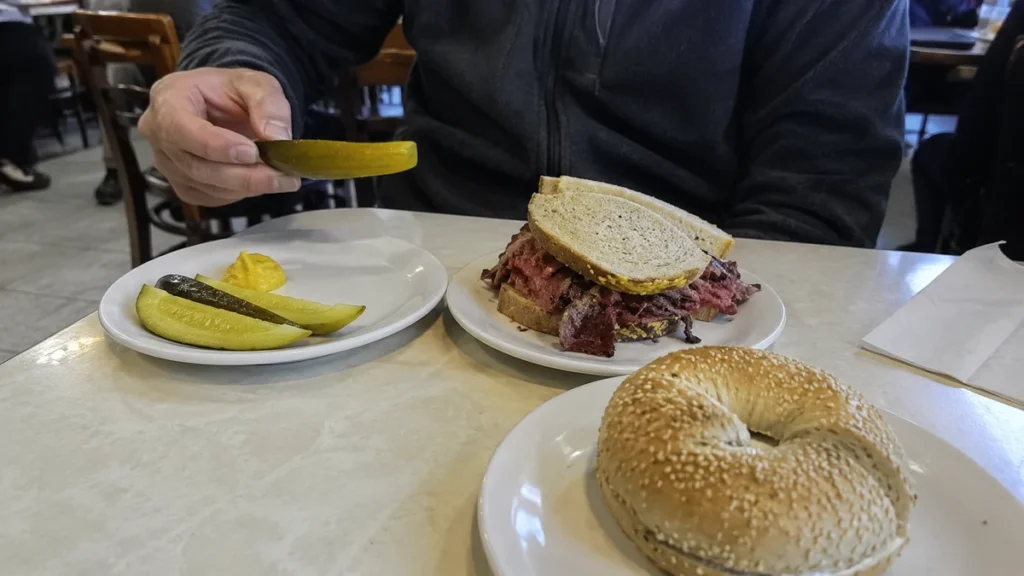
In Montréal, smoked meat and bagels were more memorable than I expected. The bagel debate made more sense after eating one warm rather than buying a packaged version later.
Québec gave me more opportunities to try French-Canadian food, including tourtière and local cheeses.
On the west coast, salmon and seafood felt much more connected to where I was than chasing a checklist of stereotypically Canadian dishes.
Other foods I kept an eye out for included:
- butter tarts
- Nanaimo bars
- PEI mussels
- Atlantic lobster
- maple products
- regional craft beer
The main lesson was simple:
Canadian food is regional.
Eating the same famous dishes everywhere misses much of the point.
Indigenous Tourism Deserves More Than a Token Mention
One part of my planning changed as I researched the destinations more carefully.
I stopped treating First Nations, Inuit, and Métis history as something to encounter only through a museum display and started looking for Indigenous-led experiences.
The Indigenous Tourism Association of Canada publishes itineraries featuring Indigenous cultural, culinary, arts, wildlife, and wilderness experiences across every province and territory.
Explore Indigenous-led travel experiences through ITAC
That gave me a better way to research experiences while keeping the communities telling their own stories at the center of the visit.
What Felt Overrated and What Was Actually Worth My Time
Niagara Falls was worth seeing, but I did not need everything around it
The falls themselves impressed me more than expected.
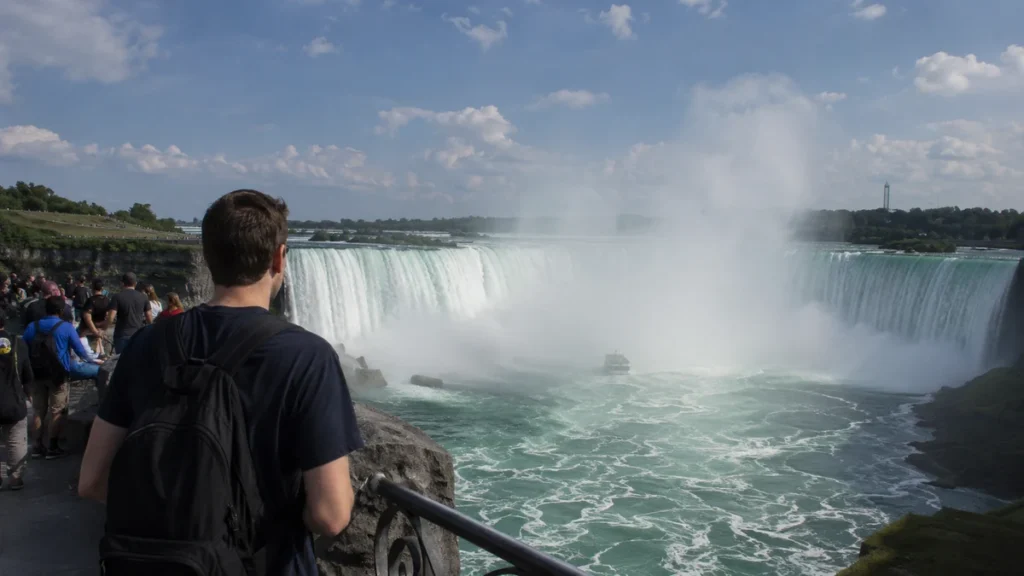
The sound and sheer volume of the water did not translate properly through photographs.
What interested me much less was trying to turn every nearby commercial attraction into part of the experience.
For me, the falls were worth the journey.
The surrounding entertainment was optional.
Banff lived up to the scenery, but crowds changed the experience
Banff was one of those famous destinations where the landscape genuinely lived up to the photographs.
The frustrating part was the concentration of visitors around the same few viewpoints.
Some of my better moments came when I stopped chasing famous photo spots and gave more time to quieter trails and slower stops.
Toronto became better when I stopped treating it like a checklist
I enjoyed Toronto more after I stopped moving directly from landmark to landmark.
Walking through Kensington Market and spending time around the waterfront gave the city more personality.
Those slower hours gave me a better sense of Toronto than trying to collect every major attraction.
Québec City deserved more than a rushed stop
I originally treated Québec City as a pretty extension to Montréal.
That was a mistake.
The city was compact enough to explore on foot but interesting enough that I did not want to leave after only a few hours.
Walking between upper and lower town, stopping for food, and seeing the streets later in the day gave me more than simply checking off the main landmarks.
Canada Travel Requirements for U.S. Citizens
For American travelers, the entry rules are relatively straightforward, but this is one part of the trip where I never rely on an old travel article.
Current Government of Canada guidance says U.S. citizens are exempt from the eTA requirement and should carry proper identification such as a valid U.S. passport. U.S. lawful permanent residents are also exempt from the eTA requirement but have separate documentation requirements.
Check current Canada entry and eTA requirements
Entry requirements can change, so I checked the official Canadian government information again before departure.
First-Time Canada Travel Mistakes I Learned to Avoid
A few mistakes can make a Canada trip unnecessarily difficult.
Trying to see too much.
Canada became much easier once I chose a region and stopped treating the country like a checklist.
Ignoring transfer time.
A short flight can still consume much of a day once airport travel, security, baggage, and hotel transfers are included.
Assuming a rental car solves everything.
Cars are useful in many regions, but some popular destinations have access restrictions or shuttle systems.
Booking the Rockies too casually.
Accommodation and transportation around Banff and Lake Louise deserve early attention.
Planning only famous attractions.
Some of my better hours came from neighborhoods, markets, waterfronts, and quieter outdoor stops.
Packing for one temperature.
Mountain mornings, warmer afternoons, rain, wind, and sudden changes made layers much more useful than planning around one forecast number.
Skipping current road and park information.
Conditions on the ground mattered more than an itinerary I had created months earlier.
Final Thoughts on Traveling Canada
The best change I made to my Canada trip happened before I reached the airport.
I stopped asking how many famous Canadian destinations I could fit into one vacation and started choosing places that actually belonged together.
That made the trip slower, easier, and much more enjoyable.
For mountains and outdoor time, western Canada needs enough days to justify the distances. For cities, food, and culture, Ontario and Québec create a much cleaner first itinerary.
Canada did not reward me for covering the most ground.
It rewarded me for choosing the right region and giving it enough time.