



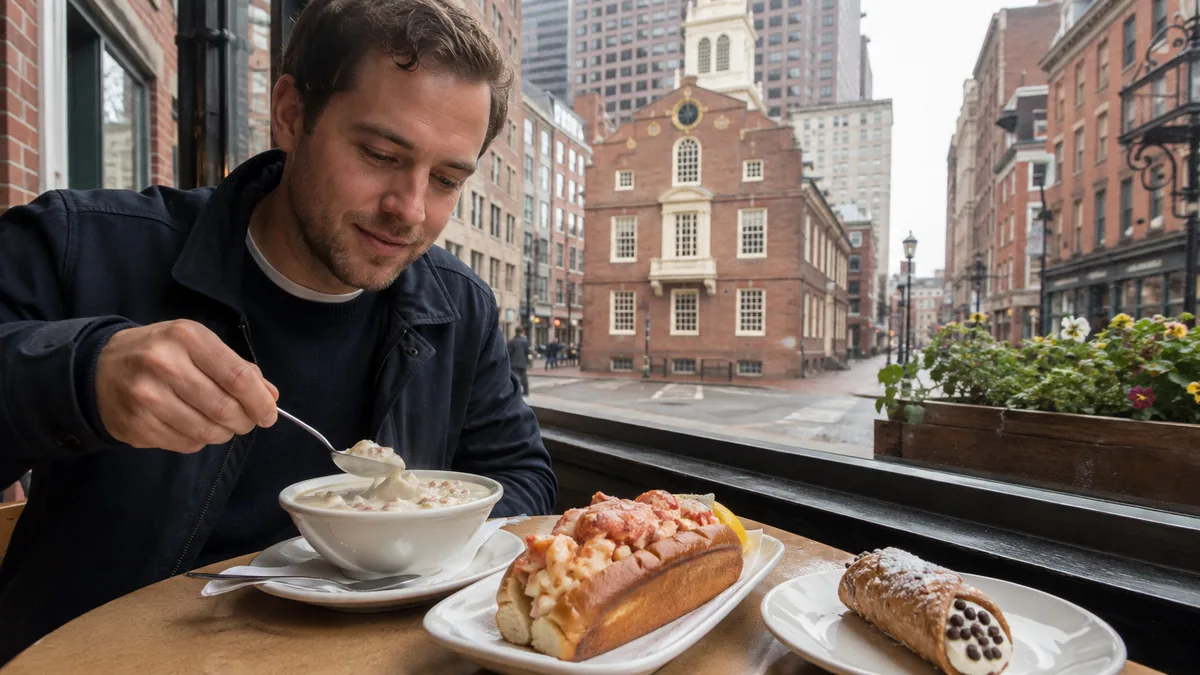
Boston food turned out to be much broader than the chowder-and-lobster picture I had before visiting. Those classics mattered, but some of the meals I remembered best came from the North End, old New England traditions, neighborhood pizza shops, and regional foods I had barely heard of before the trip.
For a first visit, trying everything isn’t necessary. My priorities became clear after a few meals: eat New England clam chowder, splurge on one good lobster roll, try Boston cream pie, walk the North End with a cannoli in hand, and leave room for at least one food beyond the standard tourist checklist.
The other lesson was geographical. Not everything described online as “Boston food” comes from Boston proper. North Shore roast beef, South Shore bar pizza, fried clams, and several other favorites belong to the wider Greater Boston and New England food culture. That distinction matters when you only have a few days.
What Food Is Boston Known For?
Boston is most closely associated with New England clam chowder, lobster rolls, Boston cream pie, oysters, Boston baked beans, cannoli, seafood, and Italian-American food in the North End.
Massachusetts’ official food and agriculture information also connects the state with Boston cream pie, baked beans, cod, lobster, oysters, mussels, and other coastal foods. Massachusetts food and agriculture guide
For a short trip, this is how I’d prioritize the foods below.
| Boston food | Where it fits | Cost | My take |
|---|---|---|---|
| New England clam chowder | Boston/New England | $$ | Essential once |
| Lobster roll | Boston/New England | $$$ | Expensive but worth one |
| Boston cream pie | Downtown Boston | $$ | Worth it |
| Cannoli | North End | $ | One of my favorites |
| Oysters | Seafood restaurants | $$–$$$ | Great for shellfish fans |
| Parker House rolls | Downtown | $$ | Historic but optional |
| Fried clams | New England | $$ | Worth trying |
| Boston baked beans | Boston tradition | $–$$ | More interesting than essential |
| Boston scrod | Boston/New England | $$–$$$ | Old-school local choice |
| North End pizza | North End | $–$$ | Good budget break |
| North Shore roast beef | North Shore | $–$$ | Worth it when nearby |
| South Shore bar pizza | South Shore | $–$$ | Great for pizza fans |
| Steak tips | Greater Boston/New England | $$ | Underrated |
| Peking ravioli | Boston area/Chinatown | $–$$ | Interesting local connection |
| Fluffernutter | Massachusetts | $ | Fun, not essential |
1. New England Clam Chowder
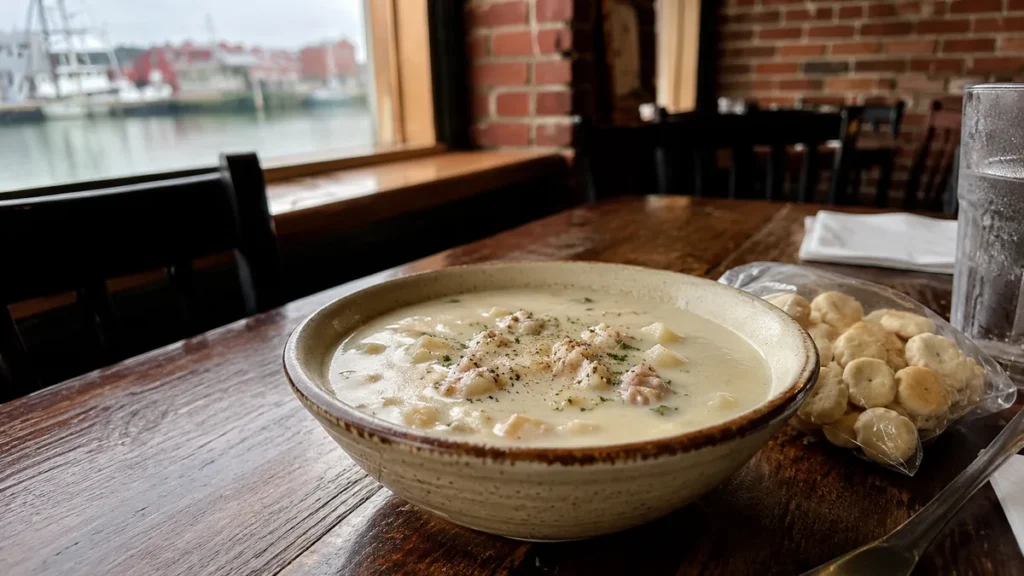
Clam chowder was the Boston food I felt most obligated to try. That usually makes me cautious because famous dishes can become more about checking a box than eating something genuinely good.
This one deserved its reputation.
New England clam chowder is creamy and substantial, usually built around clams, potatoes, and a rich broth. The version I enjoyed most tasted distinctly briny without becoming aggressively fishy.
My mistake was ordering a large bowl before another seafood dish. Chowder gets heavy quickly. A cup worked much better when I planned to eat anything substantial afterward.
It also tasted more appropriate on a cool Boston day than I imagine it would in humid summer weather.
Verdict: If you try only one traditional Boston-area dish, chowder belongs near the top.
2. Lobster Roll
The lobster roll was where my Boston food budget started disappearing.
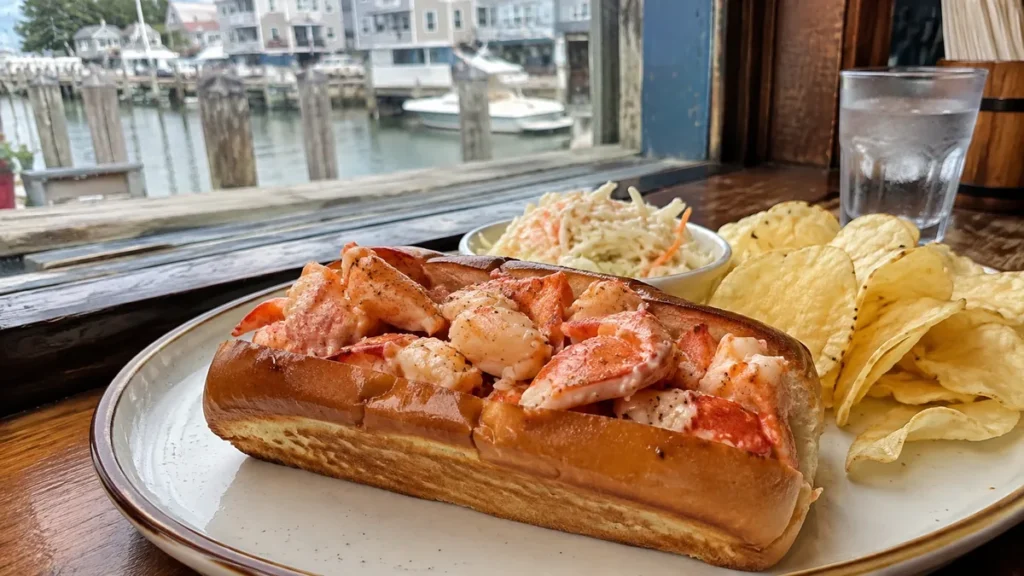
At its best, it was remarkably simple: a split bun packed with lobster meat and very little distraction. You’ll commonly see cold versions dressed lightly with mayonnaise and warm versions served with butter.
I preferred the preparation that interfered least with the sweetness of the lobster.
The price was harder to accept. Lobster prices fluctuate, and an expensive roll can still look surprisingly small when it arrives.
After the first one, I stopped treating lobster rolls as ordinary lunches. One good roll made more sense than chasing several famous versions around the city.
Verdict: Expensive, but still worth doing once on a first Boston trip.
3. Boston Cream Pie
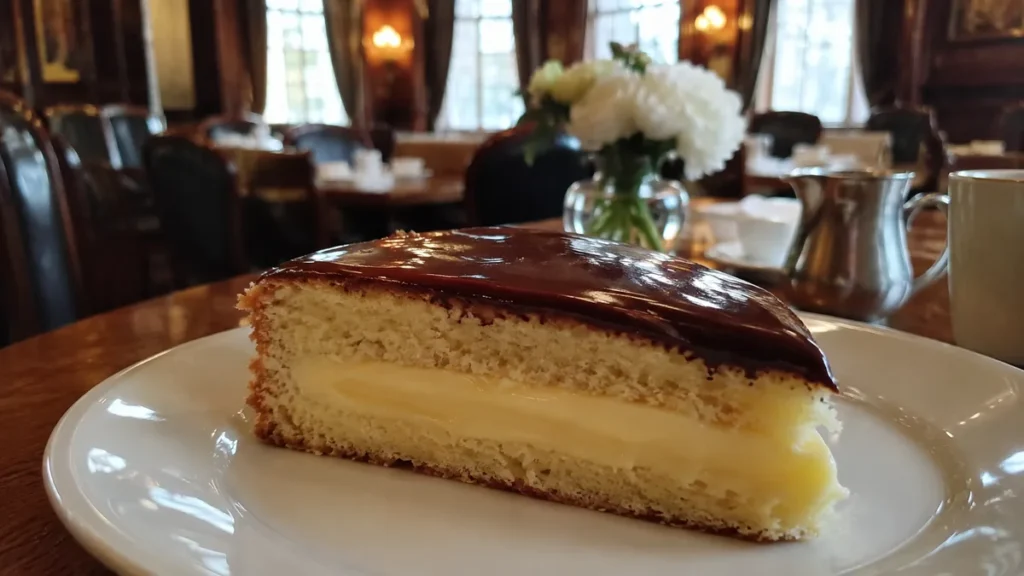
Boston cream pie had one of the strongest genuine Boston connections of anything I tried.
Despite the name, it’s a cake: sponge cake layered with vanilla custard and topped with chocolate.
The historic Parker House, now the Omni Parker House, credits its nineteenth-century kitchen with creating Boston cream pie. The hotel also traces Parker House rolls to its kitchens, giving one downtown address an unusually important place in Boston’s culinary history. Omni Parker House culinary history
I expected the pie to be dense and excessively sweet. The balance was better than expected: soft cake, smooth custard, and enough chocolate to make it rich without overwhelming everything else.
Trying it where the story began also felt more worthwhile than buying a random Boston-cream-flavored dessert elsewhere.
Verdict: One of the famous Boston foods I’d happily make room for.
4. Cannoli in the North End
Cannoli became one of my favorite Boston food experiences because eating one also meant spending time in the North End.
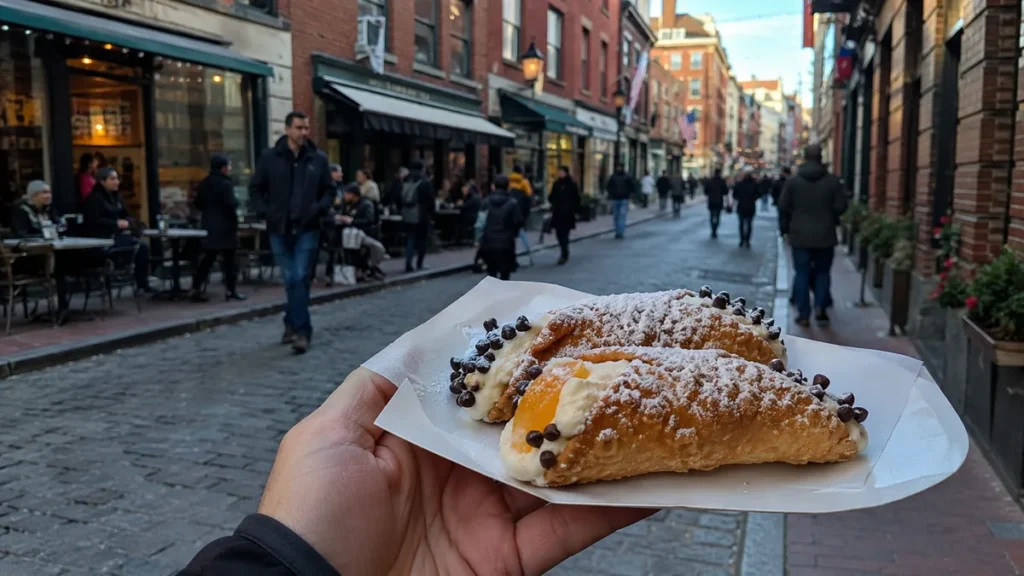
The neighborhood remains one of Boston’s major Italian dining areas, packed with trattorias, bakeries, cafés, pizza shops, and pastry counters. Meet Boston’s current North End coverage still centers heavily on its Italian food scene. Meet Boston’s North End dining guide
The famous pastry names include Mike’s Pastry, Modern Pastry, and Bova’s Bakery, which creates the inevitable debate over who makes the best cannoli.
I initially paid too much attention to that rivalry.
A crisp shell and creamy ricotta filling mattered more than proving one bakery objectively superior. The North End became more enjoyable once I stopped checking queues and spent more time wandering around Hanover, Salem, and the smaller surrounding streets.
Verdict: Definitely eat a cannoli. Don’t sacrifice an hour simply because one bakery has the longest line.
5. Oysters
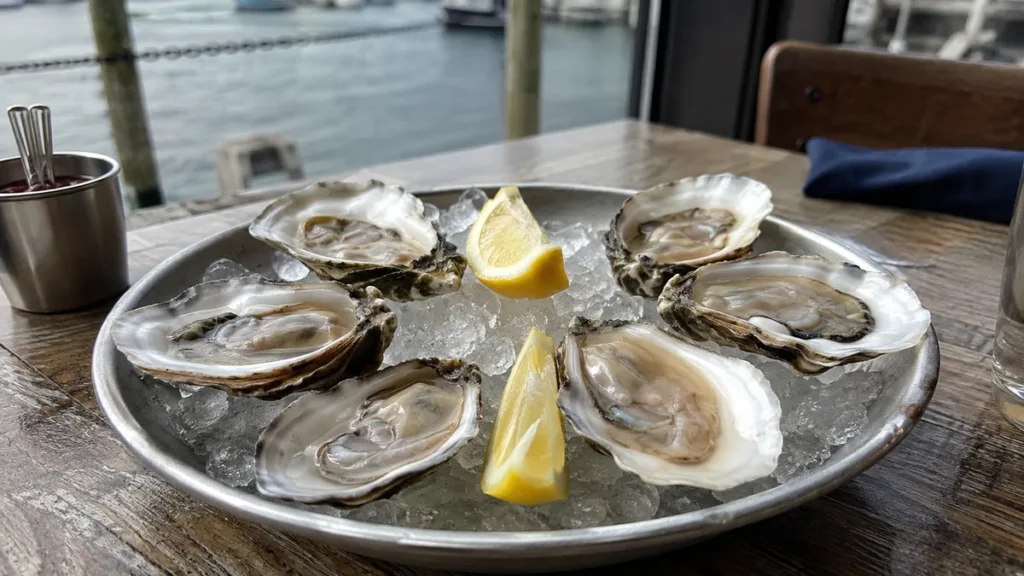
Boston’s seafood reputation made more sense once I looked beyond chowder and lobster.
Massachusetts’ coastal food culture includes oysters, mussels, cod, lobster, and other seafood, so a plate of oysters felt less like another tourist recommendation and more like part of the wider New England food story.
They also provided a welcome break from heavier dishes. Cold oysters with lemon felt considerably lighter after several meals involving cream, butter, fried seafood, and bread.
That doesn’t make them essential for everyone. If raw shellfish has never appealed to you, Boston isn’t a reason to force it.
Verdict: Excellent for oyster lovers; easy to skip otherwise.
6. Parker House Rolls
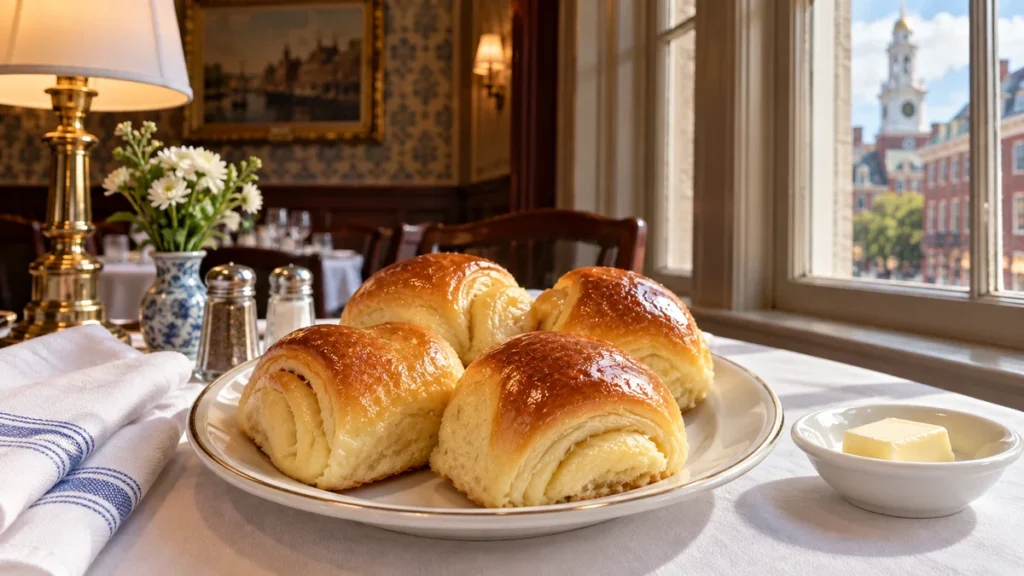
Parker House rolls were easy to overlook.
They’re soft, buttery dinner rolls tied to the same historic hotel as Boston cream pie. The Parker House traces the rolls to its nineteenth-century kitchens.
There’s nothing dramatic about them. They’re bread.
That was part of the appeal. After several foods carrying enormous reputations, something so simple felt refreshingly understated.
Verdict: Try them when the Parker House already fits your plans. They aren’t worth crossing Boston solely for.
7. Fried Clams
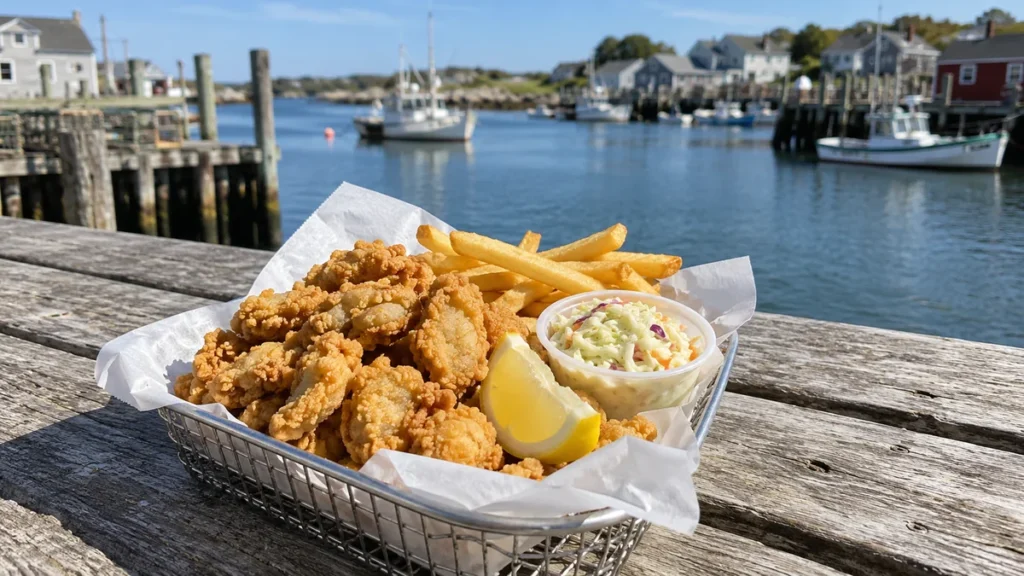
Fried clams sounded ordinary until I started understanding how deeply they fit into New England seafood culture.
A good serving was crisp without burying the clam beneath grease and breading. They also worked well for sharing, especially after I realized how quickly several heavy Boston specialties could fill an entire day.
The geographic distinction matters here. Fried clams belong to the broader New England food tradition, not exclusively to Boston.
Verdict: A strong second seafood choice after you’ve covered chowder or lobster.
8. Boston Baked Beans
Boston baked beans were the famous food I cared least about eating twice.
Their association with Boston is strong enough that Massachusetts includes Boston baked beans among the foods identified with the state.
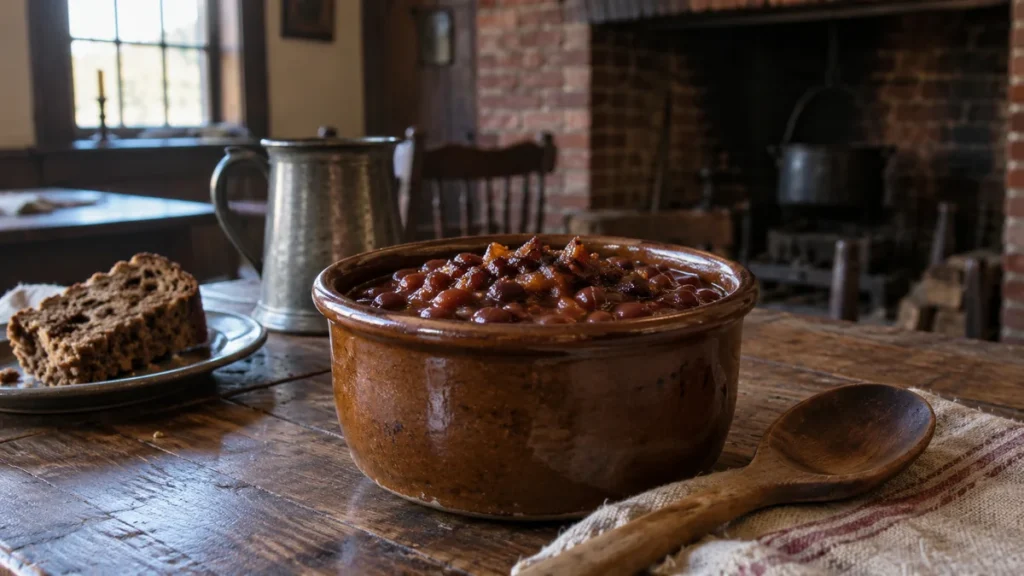
The familiar preparation combines slow-cooked beans with a sweet component such as molasses. I found the history and “Beantown” connection more memorable than the actual plate.
With only six or seven meals in Boston, beans don’t outrank chowder, lobster, cannoli, or a proper neighborhood dinner for me.
Verdict: Try them if Boston food history interests you. Missing them won’t ruin the trip.
9. Boston Scrod
Scrod was an old Boston menu term I nearly ignored.
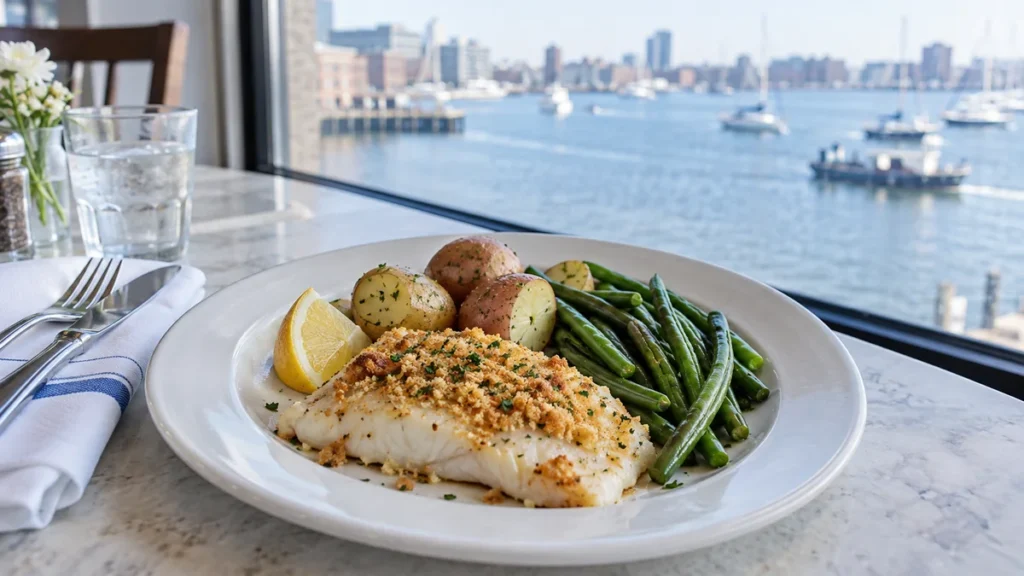
Around New England, the word has traditionally been used for prepared white fish, commonly cod or haddock. Compared with lobster rolls and enormous seafood platters, it felt almost unfashionably simple.
That made it useful.
Not every seafood meal needs to turn into an expensive event. A straightforward piece of fish showed another side of old-school New England dining that gets lost when every Boston food guide concentrates on lobster.
Verdict: More interesting for travelers curious about traditional Boston dining than for someone chasing only the famous dishes.
10. North End Pizza
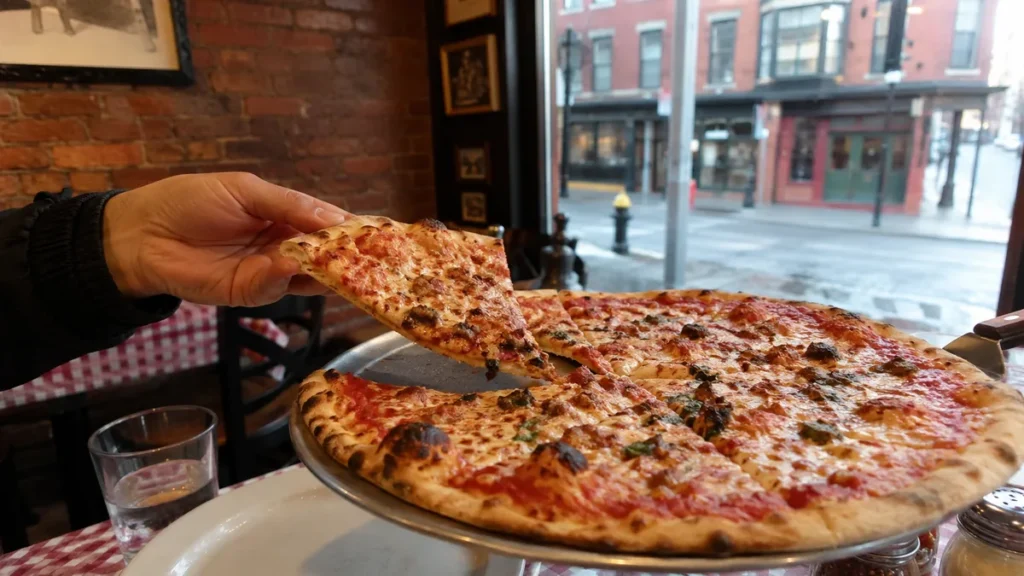
Boston isn’t the first American city I associate with pizza, so I gave it very little attention before arriving.
That changed in the North End.
Pizza made sense as part of the neighborhood’s Italian-American food culture, but it also gave my budget a break after several seafood meals.
Another thing I learned was not to treat “Boston pizza” as one style. North End Italian pizza and South Shore bar pizza are different traditions, and lumping them together misses much of what makes the regional food scene interesting.
Verdict: Don’t travel to Boston purely for pizza, but don’t overlook a good slice while you’re already in the North End.
11. North Shore Roast Beef
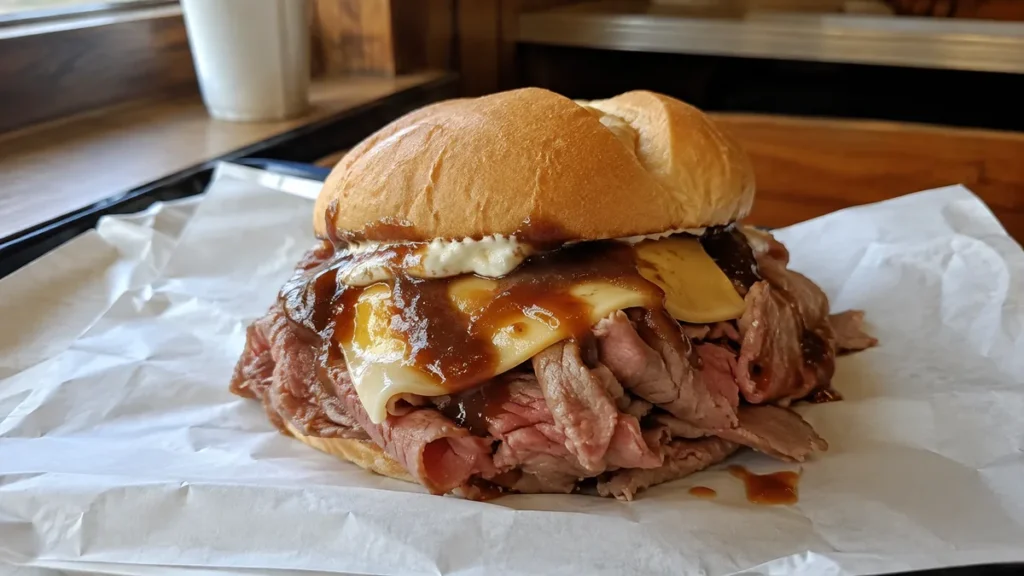
North Shore roast beef was where the food list started becoming more local and less predictable.
A classic roast beef “three-way” typically combines thinly sliced beef with American cheese, mayonnaise, and barbecue sauce.
It isn’t refined. That’s the attraction.
The catch is geography. The North Shore sits outside central Boston, so a restaurant casually described online as serving “Boston food” may require a real detour.
For a two-day city trip built around Beacon Hill, Downtown, Back Bay, and the North End, I wouldn’t sacrifice several hours chasing one sandwich. On a longer trip or while already heading north, it makes much more sense.
Verdict: One of the most interesting regional foods, provided the location fits your route.
12. South Shore Bar Pizza
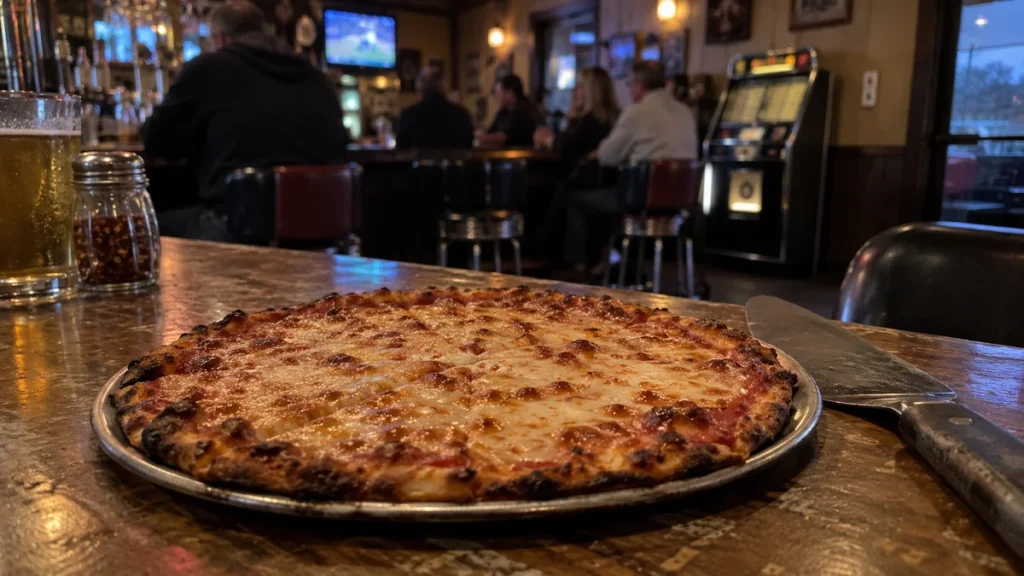
South Shore bar pizza reinforces the same lesson.
This regional style is associated with communities south of Boston and generally comes as a small pan pizza with a crisp crust and cheese running close to the edge.
It felt completely removed from the Italian restaurant experience in the North End.
For a first-time visitor with two days in central Boston, it sits below the essential foods. For someone who plans trips around regional pizza styles, it’s much more compelling.
Verdict: Worth seeking out for pizza-focused travelers or longer Greater Boston trips.
13. Steak Tips
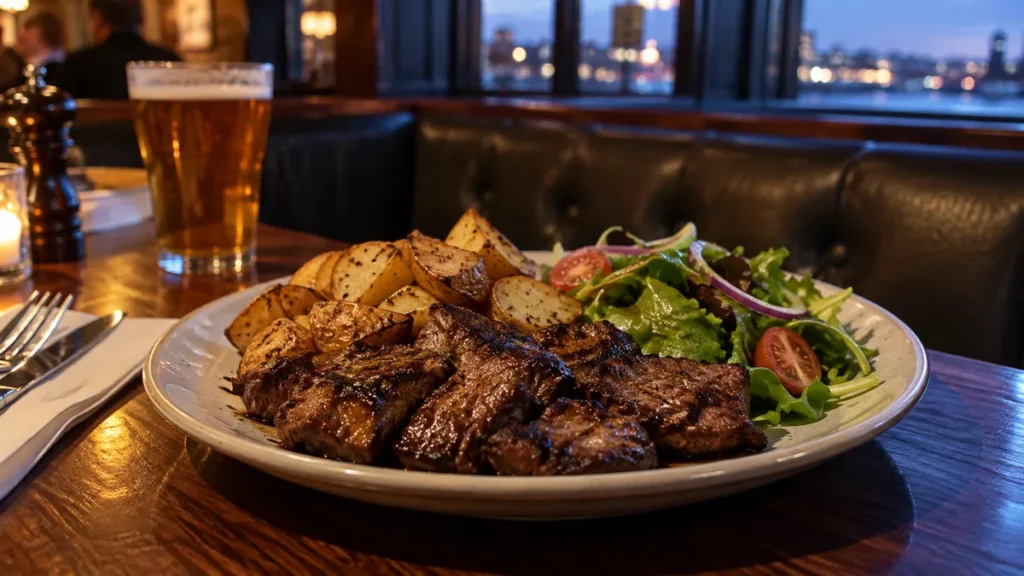
Steak tips were one of the biggest surprises.
I hadn’t associated them with New England before researching the trip. They turned up as a straightforward pub and casual-restaurant meal: pieces of beef, often marinated and grilled.
After chowder, lobster, pastries, and historically famous foods, steak tips were satisfyingly uncomplicated.
They also arrived at exactly the point when another seafood dinner sounded more exhausting than exciting.
Verdict: An underrated choice when you’ve reached your seafood limit.
14. Peking Ravioli
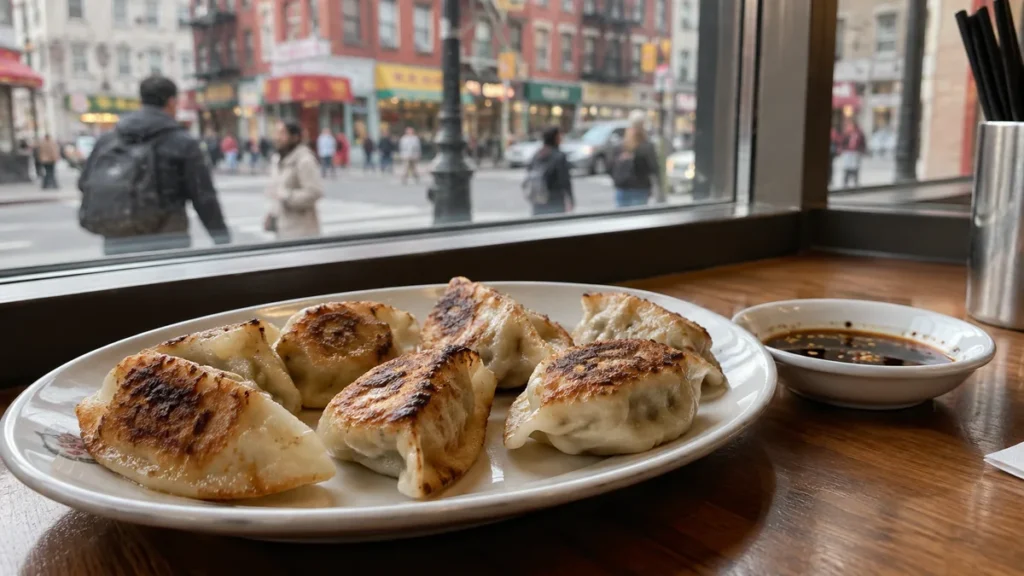
The name caught my attention before the food did.
Around Greater Boston, Peking ravioli is a local term used for Chinese-style dumplings. The dumplings themselves aren’t uniquely Boston; the regional name is the interesting part.
It also led me toward a side of Boston food that the stereotypical chowder-lobster-cannoli itinerary misses.
Chinatown was a welcome reset after several rich meals. Dumplings and noodles gave me a completely different dinner without taking me far from central Boston.
Verdict: More interesting for its local cultural connection than as an iconic Boston dish.
15. Fluffernutter
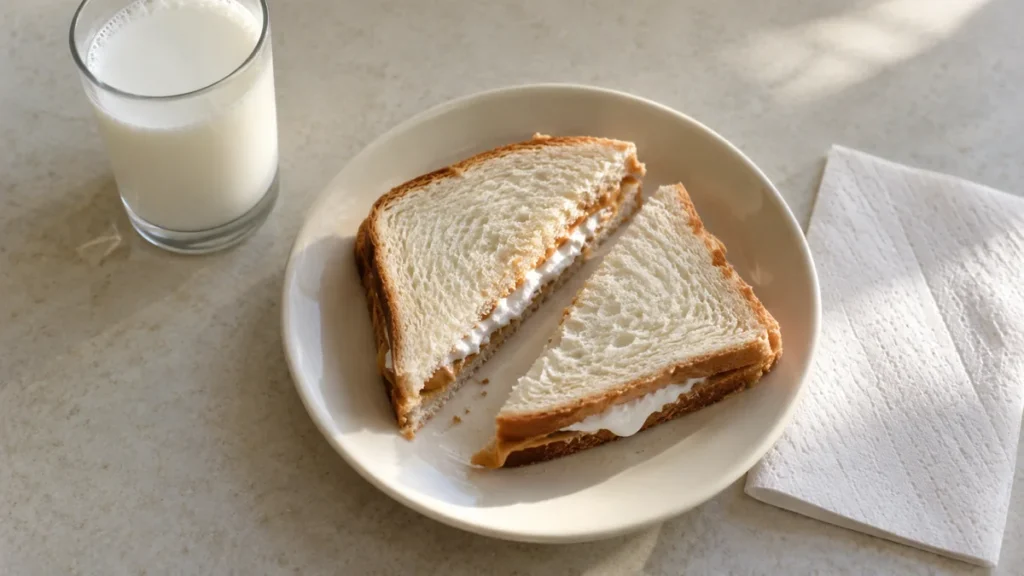
The Fluffernutter sits at the edge of what I’d call Boston food.
It’s better understood as Massachusetts and New England nostalgia: peanut butter and marshmallow creme between slices of bread.
I treated it as a curiosity rather than a destination meal, which was the right expectation.
It’s sweet, simple, and memorable largely because of its regional identity.
Verdict: Fun if you encounter one. Don’t rearrange a Boston itinerary around it.
Boston Food Goes Beyond These Famous Dishes
One mistake many first-time visitors make is reducing Boston’s food scene to seafood and Italian food.
Both matter, but the city eats far more broadly.
Chinatown gave me the clearest break from the famous-food circuit. On a longer trip, it also makes sense to look beyond central tourist areas toward Boston and Greater Boston’s Vietnamese, Korean, Latin American, Chinese, Italian-American, and contemporary restaurant scenes.
That distinction changed how I thought about the city.
The classics explain part of Boston’s culinary history. Its neighborhoods show what the food scene looks like now.
Boston Public Market or Quincy Market?
Before visiting, I treated these as nearly interchangeable food stops.
They aren’t.
| Market | Best for | Main drawback | My take |
|---|---|---|---|
| Boston Public Market | Regional producers and local food | Individual vendors vary | Better food-focused stop |
| Quincy Market | Sightseeing and convenient choice | Busy and tourist-oriented | Useful, not where I’d plan my best meal |
Boston Public Market
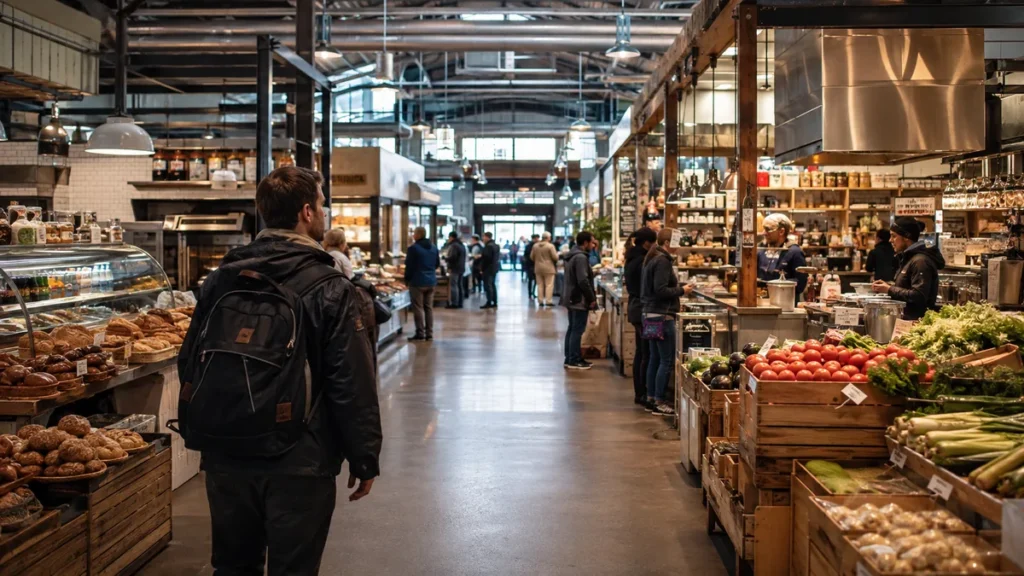
Boston Public Market is an indoor, year-round marketplace at 100 Hanover Street with more than 30 New England artisans and food producers. It sells seafood, baked goods, produce, prepared meals, and other regional products. Check Boston Public Market visitor information
This was the better choice when I wanted to browse several local foods without committing to another sit-down meal.
Quincy Market
Quincy Market worked better as part of a sightseeing day around Faneuil Hall and the Freedom Trail.
I enjoyed walking through it, and the concentration of food made it undeniably convenient.
But convenience and “best food in Boston” aren’t the same thing. I wouldn’t build a food itinerary around eating every meal there.
Boston Proper vs. Greater Boston Food
This was probably my most useful planning lesson.
Easy to fit into a central Boston trip
- clam chowder
- lobster roll
- Boston cream pie
- North End cannoli
- North End pizza
- Chinatown
- Boston Public Market
- central seafood restaurants
Better suited to a wider Massachusetts itinerary
- North Shore roast beef
- South Shore bar pizza
- some steak-tip traditions
- fried clams
- Fluffernutter
- other regional New England specialties
With two or three days, I kept most meals inside Boston proper.
A longer stay, road trip, or rental car makes Greater Boston specialties far easier to justify.
An interesting sandwich shouldn’t become a transportation problem.
How Expensive Is Food in Boston?
Boston wasn’t cheap, especially once lobster and sit-down seafood entered the plan.
Exact restaurant prices change too often to make fixed numbers useful, so these categories are a better planning tool.
| Meal | Cost level |
|---|---|
| Pastry or simple breakfast | $ |
| Pizza or casual sandwich | $–$$ |
| Market lunch | $–$$ |
| Chowder or casual seafood | $$ |
| Lobster roll | $$–$$$ |
| North End sit-down dinner | $$–$$$ |
| Upscale seafood dinner | $$$+ |
My early mistake was treating too many meals as special occasions.
The budget worked better once I alternated seafood splurges with pizza, bakeries, market food, and casual lunches.
The places where spending extra felt worthwhile were simple: one good lobster roll, one memorable seafood meal, and a proper North End dinner.
Breakfast and casual lunches were where I saved.
If I Had Only One Day to Eat in Boston
Trying all 15 foods in one day sounds better on a spreadsheet than it feels in reality.
I’d keep the route compact.
Morning: Boston Public Market or a bakery
Start light with coffee and something baked.
Lunch: chowder and one seafood splurge
A cup of clam chowder plus a lobster roll makes more sense than a huge bowl followed by another heavy seafood plate. I learned that after turning one lunch into an endurance test.
Afternoon: walk the North End
Don’t arrive only for the pastry.
Spend some time around Hanover Street and the smaller surrounding streets, then get a cannoli.
Dinner: North End or Chinatown
After seafood at lunch, Italian food works well. If the day already feels too rich, Chinatown provides a useful change of pace.
Dessert: Boston cream pie
If there is still room, finish with the city’s namesake dessert.
That day covers New England seafood, Boston culinary history, the North End, Italian-American food, and a classic dessert without wasting hours crossing Greater Boston.
Mistakes I Made Eating Around Boston
Trying too many classics too quickly
Chowder, lobster, fried clams, cannoli, and cream pie look manageable when they’re bullet points.
They feel different when eaten in the same afternoon.
Spacing the richer dishes across several days made them much easier to enjoy.
Giving famous restaurant names too much importance
This was especially noticeable in the North End.
A queue doesn’t prove that you’ve found the only good cannoli or pasta in Boston. Once I stopped treating famous businesses as mandatory checkpoints, the neighborhood became more enjoyable.
Forgetting that “Boston food” can mean Greater Boston
North Shore and South Shore specialties need actual travel time.
Checking the location before committing to a restaurant prevented a food stop from consuming half a sightseeing day.
Spending too much on seafood early
The first few meals made it look as though lobster might eat the entire trip budget.
Pizza, bakeries, market lunches, and casual neighborhood meals brought the costs back under control without making the food experience feel compromised.
What Was Actually Worth Eating?
On another Boston trip, my priorities are clear.
Clam chowder stays near the top. It tasted connected to New England rather than famous simply because guidebooks repeat it.
One good lobster roll was enough, but the splurge still felt justified.
Cannoli and a proper North End meal mattered more than comparing every famous pastry shop.
Boston cream pie earned its place because the history and dessert worked together.
Boston baked beans fell toward the bottom. I’m glad they made it onto my plate once, but they don’t need to return.
And North Shore roast beef and South Shore bar pizza are exactly the kind of regional foods that make Boston more interesting—provided chasing them doesn’t wreck the rest of the itinerary.
Final Thoughts on Boston Food
The Boston foods I remembered best weren’t always the ones with the biggest reputations.
Clam chowder lived up to the hype. The lobster roll hurt the budget but still felt worth doing once. Cannoli tasted better after I stopped rushing through the North End. Boston cream pie became more meaningful once I understood its Parker House connection.
The less obvious foods changed the trip in a different way. North Shore roast beef, South Shore bar pizza, steak tips, and even the local term Peking ravioli made the food scene feel less like a tourist checklist and more like a place with its own regional habits.
On a return trip, my plan is simpler: fewer famous-food missions, more time eating through neighborhoods, and no attempt to finish a list just because it exists.
Fifteen foods are already more than enough. The point isn’t to eat them all. It’s to leave Boston feeling like you actually tasted the city.