



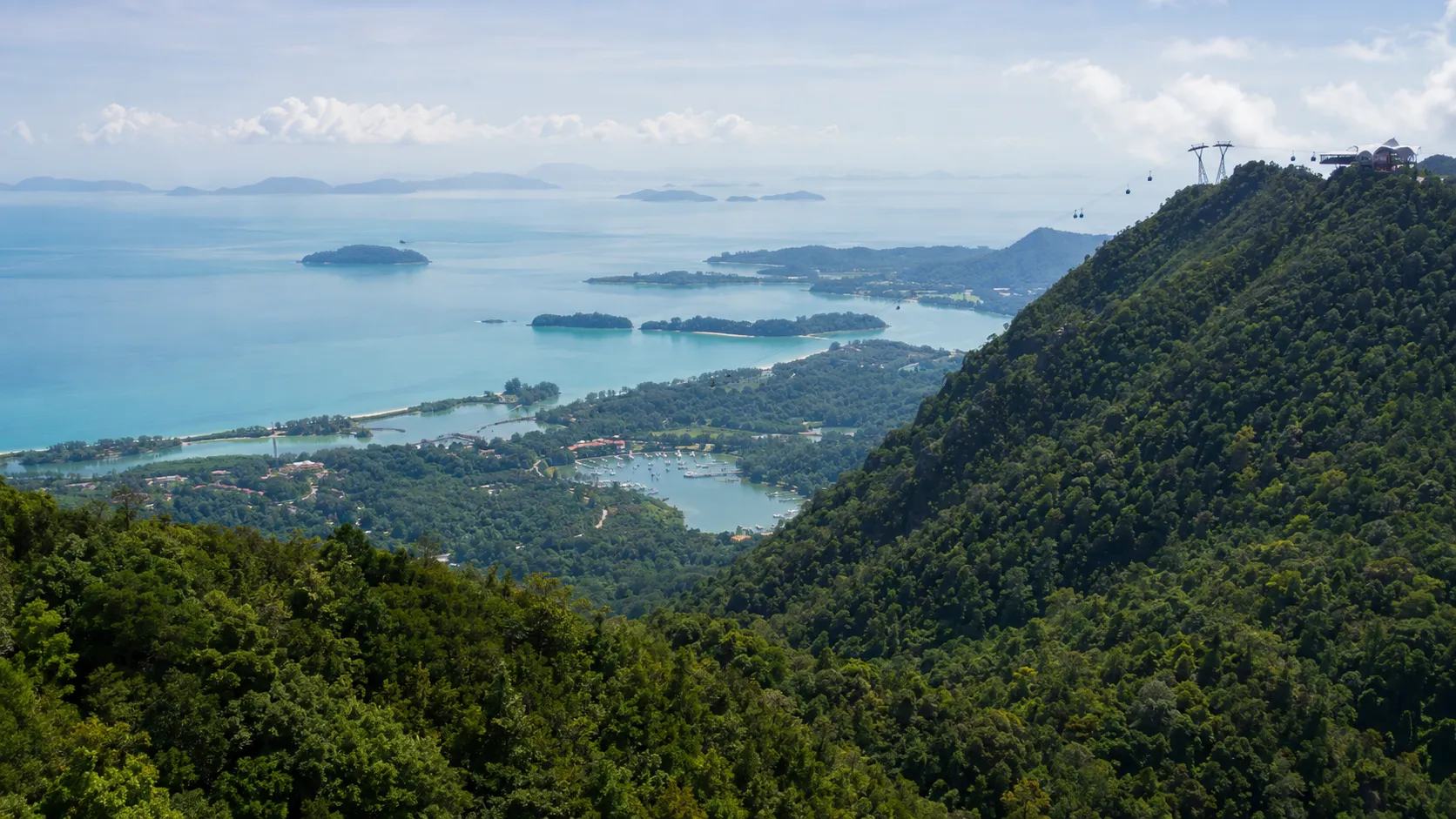
Before arriving in Langkawi, I had far too many attractions saved on Google Maps. Beaches, waterfalls, the SkyCab, mangrove tours, island hopping, viewpoints, markets—I had treated almost everything as equally important.
That was my first planning mistake.
After a few days on the island, my priorities became much clearer. The best things to do in Langkawi were not necessarily the places appearing on the longest attraction lists. The experiences I remembered most were the ones that showed me a different side of the island: riding above the rainforest on the SkyCab, moving through Kilim’s mangroves, exploring the southern islands, driving quieter northern roads, and ending a hot day beside the sea.
I visited Langkawi in February 2026, when the mostly dry, warm weather made it easy to combine beaches, boat trips, and outdoor sightseeing. Even with the tropical heat, having several clear days made exploring the island much easier.
Langkawi also turned out to be much more than a beach destination. The archipelago is a UNESCO Global Geopark, with ancient rock formations, limestone karst, mangrove forests, rainforest-covered mountains, and offshore islands. The UNESCO Langkawi Global Geopark overview highlights landscapes around Kilim, Machinchang, Gunung Raya, and Dayang Bunting as important parts of the geopark.
Best Things to Do in Langkawi at a Glance
This is how I ranked the main Langkawi attractions after seeing how much time they actually took and what each one added to the trip.
| Experience | Best For | Time to Allow | Cost Level | My Take |
|---|---|---|---|---|
| SkyCab + Sky Bridge | Views, first visits | 2–3 hours | $$ | One of the essentials |
| Kilim mangrove tour | Nature, wildlife, geology | Half day | $$ | One of my favorites |
| Tanjung Rhu Beach | Quiet beach time | 1–3 hours | Free | Better than Cenang for relaxing |
| Seven Wells Waterfall | Hiking, rainforest | 1.5–2.5 hours | $ | Worth the climb |
| Island hopping | Swimming, island scenery | Half day | $$ | Worth doing once |
| Pantai Cenang | Sunset, food, activity | 2–4 hours | Free–$$ | Best for atmosphere |
| Night market | Local food | 1–2 hours | $ | Easy, inexpensive evening |
| Gunung Raya | Forest and scenery | 1–2 hours | $ | Better with extra time |
| Eagle Square | Landmark, photos | 20–40 minutes | Free | Keep the visit short |
| Sunset cruise | Couples, slow evenings | 3–4 hours | $$$ | Enjoyable splurge |
| Temurun Waterfall | Nature | 1–2 hours | $ | Better after rainfall |
| Underwater World | Families, rainy days | 1.5–2.5 hours | $$ | Useful backup plan |
1. Ride the Langkawi SkyCab Up Gunung Machinchang
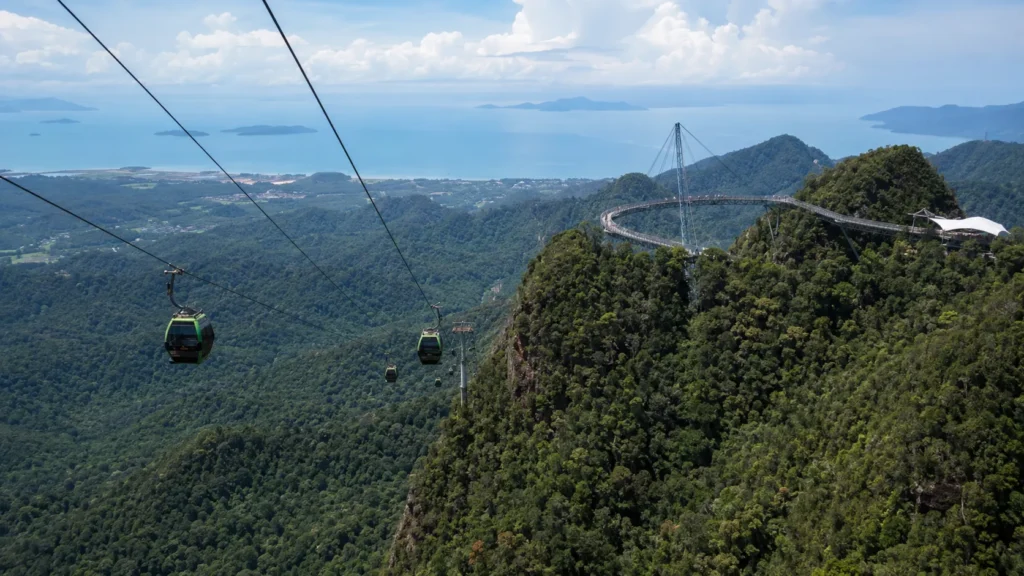
The Langkawi SkyCab was the attraction I least wanted bad weather to spoil.
The ride begins at Oriental Village and climbs above dense tropical rainforest toward Gunung Machinchang. Roads and buildings quickly disappeared beneath the gondola, replaced by steep green ridges and increasingly wide views over Langkawi’s coastline and offshore islands.
What surprised me most was how much visibility changed the experience. On a reasonably clear day, the height gives you a completely different sense of Langkawi’s geography. Heavy cloud can remove much of that payoff.
That made flexibility more useful than sticking rigidly to the itinerary.
The operating schedule is worth checking before making the journey across the island. Panorama Langkawi publishes an official SkyCab operation calendar showing normal operating periods, maintenance days, and closures. The schedule can change, and SkyBridge access can also be affected when SkyCab is closed.
Best for: First-time visitors, photography and panoramic views
Time needed: About 2–3 hours with the Sky Bridge
Best time: When visibility is reasonably clear
My take: One of the paid Langkawi attractions I prioritized even on a short trip.
2. Walk Across the Langkawi Sky Bridge
The SkyCab and Langkawi Sky Bridge belong in the same outing, but the bridge was the part that made the journey up Gunung Machinchang feel complete.
From the bridge, rainforest drops away beneath you while mountains, coastline, and islands stretch out in different directions. The curved design means the view changes as you walk rather than opening from one fixed observation point.
The numbers sounded impressive before I arrived, but the surrounding landscape was what stayed with me. According to Tourism Malaysia’s official Panorama Langkawi guide, the Sky Bridge stretches about 125 meters and is supported by a single pylon. The SkyCab begins at Oriental Village and climbs toward viewing platforms near the mountain.
The height looked more intimidating in photographs than it felt once I was actually there. Anyone uncomfortable with heights can still get plenty from the viewing platforms without spending long on the bridge.
One mistake I made was focusing so much on reaching the bridge that I initially rushed the viewpoints. Those deserved more time.
3. Explore Kilim Karst Geoforest Park
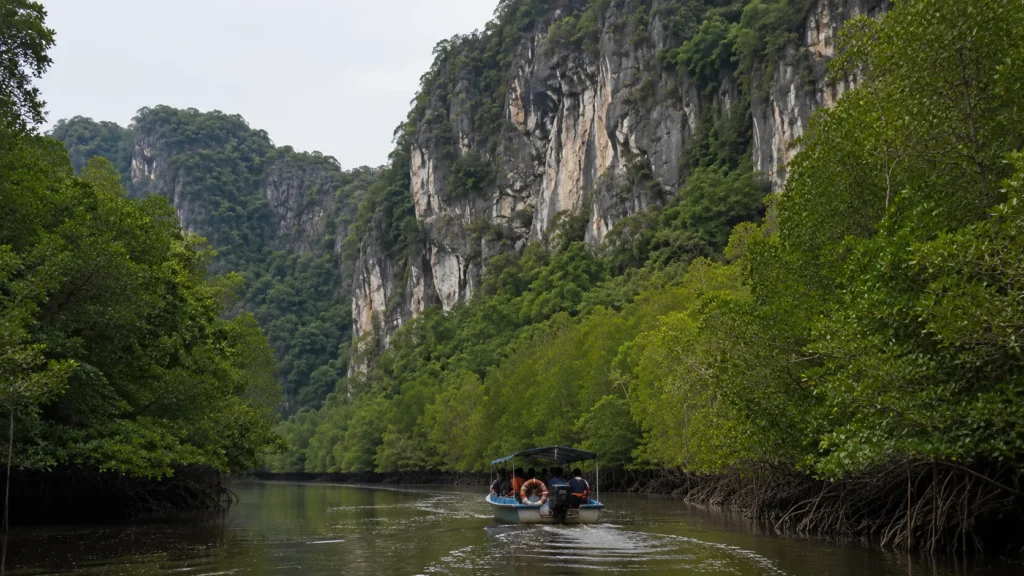
Of all the nature-based Langkawi activities I tried, Kilim Karst Geoforest Park was one of the easiest to justify.
I had expected a pleasant mangrove boat ride. What made it memorable was the combination of landscapes: steep limestone walls, tangled mangrove roots, narrow waterways, caves, forest, and sudden stretches of open water.
It felt completely different from Langkawi’s beach areas.
A good guide also changed the experience. Instead of simply pointing toward wildlife and moving on, the better parts of the tour explained how mangroves, tidal waterways, limestone formations, and animals fit into the same ecosystem.
Choose Your Mangrove Tour Carefully
This was one area where I stopped looking for the cheapest option.
Wildlife encounters are part of many Kilim tours, particularly sightings of birds, macaques, bats, and other animals around the mangroves. I preferred seeing wildlife behave naturally rather than watching animals being drawn close to boats for photographs.
Before booking, ask how an operator handles wildlife encounters and how much of the trip focuses on the geopark rather than quick tourist stops.
Best for: Nature, geology and wildlife
Time needed: Half a day
My take: If nature interests you more than swimming, I found this more distinctive than island hopping.
4. Slow Down at Tanjung Rhu Beach
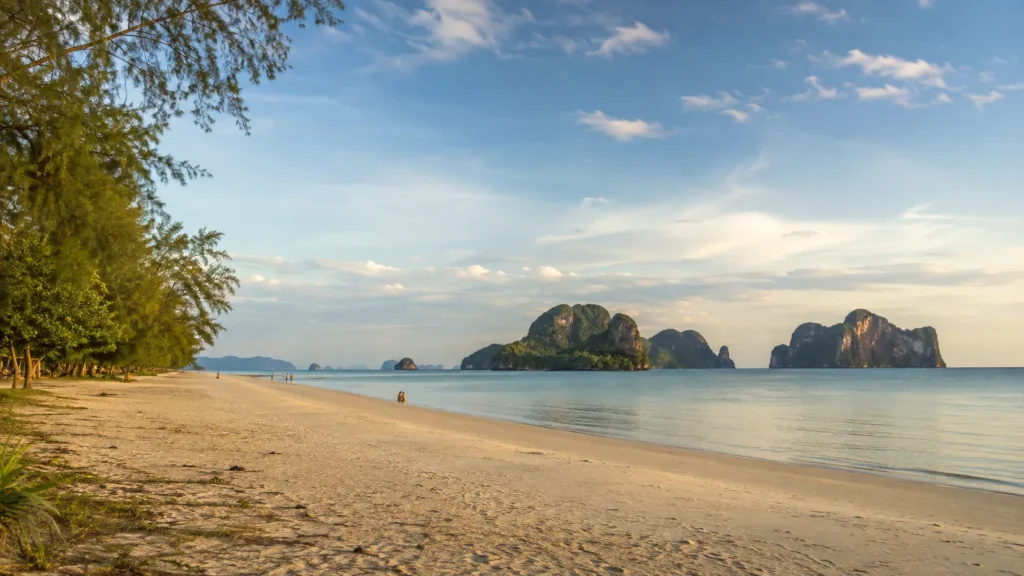
Tanjung Rhu changed my idea of what the “best beach in Langkawi” meant.
Pantai Cenang gets far more attention because restaurants, hotels, water sports, and evening activities are concentrated there. Tanjung Rhu felt almost like the opposite.
The northern coast was quieter, the beach felt less built-up, and limestone formations offshore gave the horizon more character.
I stayed longer than expected simply because there wasn’t much reason to hurry away.
Tanjung Rhu also fits naturally into the same day as a Kilim mangrove tour. That combination worked much better than crossing the island again on another afternoon.
Best for: Quiet beach time and scenery
Time needed: One hour to half a day
My take: My favorite beach when the goal was actually relaxing.
5. Climb to Telaga Tujuh, the Seven Wells Waterfall
I underestimated Telaga Tujuh, better known as Seven Wells Waterfall.
It looked like a straightforward stop to squeeze between other Langkawi attractions. The combination of stairs, tropical humidity, and heat made that plan optimistic.
The waterfall sits around the Machinchang area, so combining it with SkyCab, Sky Bridge, and Oriental Village saves unnecessary driving.
Conditions also depend on recent rainfall. Waterfalls photographed during a wet period can look very different during a prolonged dry spell.
Once I stopped treating Seven Wells as a quick photo stop and allowed enough time, I enjoyed it much more.
Best for: Hiking, rainforest and natural pools
Time needed: Around 1.5–2.5 hours, depending on how far you explore
My tip: Carry water and avoid making this your hottest midday activity.
6. Go Island Hopping Around Southern Langkawi
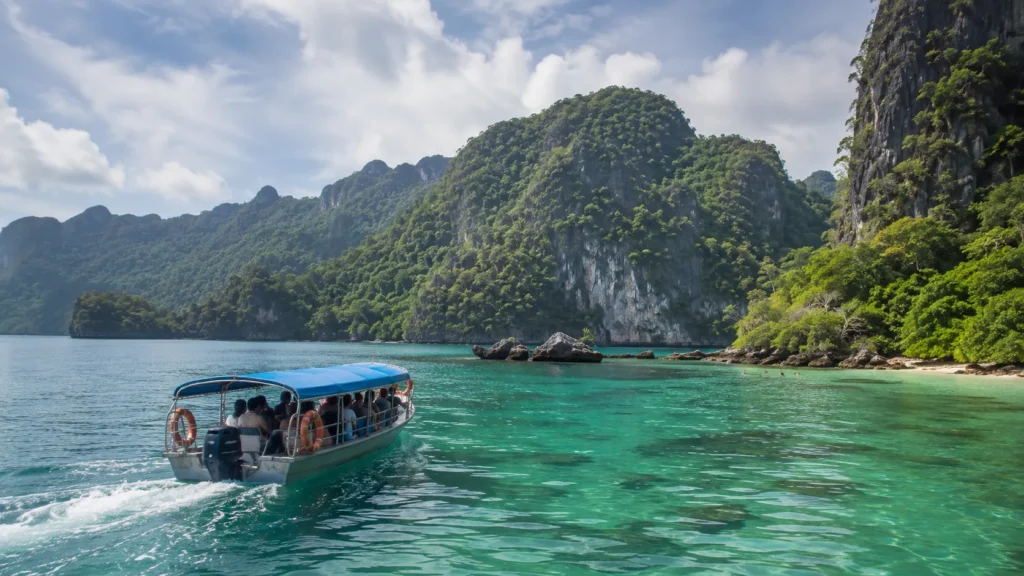
Langkawi island hopping appears on almost every list of places to visit in Langkawi, but knowing what the experience involved helped me set better expectations.
Many tours head south of the main island and include Dayang Bunting, often followed by beach or swimming stops around other islands such as Pulau Beras Basah.
The scenery was the biggest appeal for me. Being on the water also gave Langkawi a different scale than seeing the islands from shore.
Busy shared tours can feel rushed, though. Boats often arrive at similar times, and some stops become much less peaceful once several groups are there together.
Island hopping makes the most sense if swimming, beaches, boat time, and coastal scenery are priorities.
Mangrove Tour or Island Hopping: Which Is Better?
This was one of the questions I spent too much time researching before the trip.
They sound similar because both involve boats, but the experiences are quite different.
| Kilim Mangrove Tour | Island Hopping | |
|---|---|---|
| Best for | Nature, wildlife, geology | Beaches, swimming, island scenery |
| Landscape | Mangroves and limestone karst | Open sea and islands |
| Wildlife interest | Higher | Lower |
| Swimming | Usually secondary | Usually better |
| Educational value | Higher with a good guide | More recreational |
| Pace | Often slower | More stop-based |
| My pick if choosing one | Mangrove tour | Better for beach lovers |
With only three days in Langkawi, doing both isn’t essential.
7. Watch Sunset at Pantai Cenang
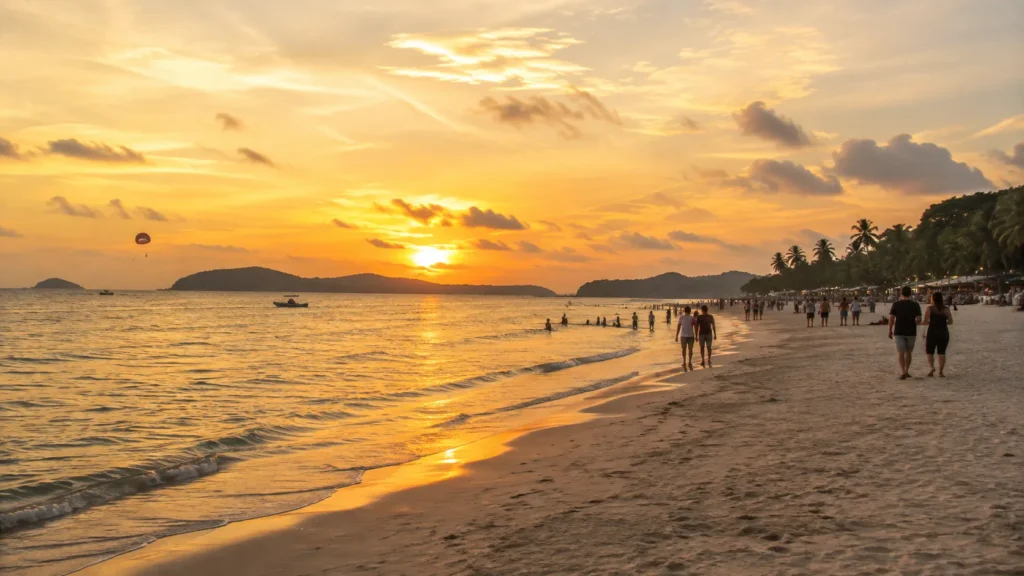
Pantai Cenang wasn’t my favorite Langkawi beach for sitting quietly, but it was the one I returned to most often.
The reason was everything surrounding it.
By late afternoon, the beach became more interesting. Water-sports activity slowed, people started gathering near the shoreline, restaurants became busier, and the daytime heat finally eased.
After sunset, I could walk straight toward food and drinks instead of arranging another journey.
That makes Cenang convenient rather than peaceful.
Best for: Sunset, restaurants, water sports and evening atmosphere
Not best for: Solitude.
8. Eat Your Way Through a Langkawi Night Market

One of my cheapest evenings became one of the more memorable.
Langkawi’s night markets worked better for me as casual dinner stops than formal tourist attractions. Smoke drifted from grills while people moved between stalls carrying takeaway containers, drinks, skewers, and bags of snacks.
Instead of hunting for one famous vendor, I tried whatever looked good: nasi lemak, satay, grilled seafood, rice dishes, sweets, and cold drinks after a humid day.
That felt far more natural than turning every meal into a restaurant checklist.
Night-market locations and schedules can change, so I checked locally rather than relying entirely on an old weekly timetable online.
Best for: Cheap food and a casual evening
My take: Worth doing at least once.
9. Escape Some of Cenang’s Crowds at Pantai Tengah
Pantai Tengah gave me a useful middle ground.
It sits close to Pantai Cenang, so restaurants and tourism facilities remain easy to reach, but it felt less concentrated than Cenang’s busiest stretch.
Before arriving, I had mentally treated Cenang and Tengah as almost interchangeable. They weren’t.
Cenang worked better when I wanted activity on the doorstep. Tengah made more sense when I wanted to stay in the same part of Langkawi without being directly in the busiest area.
That distinction is especially useful when choosing where to stay.
10. Take a Sunset Cruise if It Fits Your Budget
Langkawi sunset cruises are heavily marketed, and I initially wondered how much of the appeal came from glossy photographs rather than the experience itself.
Once I had spent several evenings beside the coast, the idea made more sense.
Being offshore changes the perspective, and a cruise turns sunset into a proper half-evening activity rather than something squeezed between sightseeing and dinner.
Still, this was a splurge rather than an essential Langkawi experience.
Travelers watching costs miss very little by enjoying sunset from Pantai Cenang, Tanjung Rhu, or another stretch of coast.
Best for: Couples and slower evenings
My take: Enjoyable when the budget allows; easy to skip when it doesn’t.
11. See Langkawi’s Greener Side Around Gunung Raya
Gunung Raya, Langkawi’s highest mountain, showed me a side of the island that was easy to miss around the beaches.
The route through the interior felt greener and quieter than the tourist areas along the coast. Tropical forest replaced resort buildings, and traffic thinned as I moved farther inland.
I didn’t rank Gunung Raya above SkyCab for a first visit, but it fitted nicely into a longer trip when I had enough time to explore beyond the headline attractions.
Best for: Forest scenery and slower exploration
My take: Better on a four- or five-day Langkawi itinerary than a rushed weekend.
12. Stop at Eagle Square Without Giving It Half a Day

Dataran Lang, better known as Eagle Square, is one of Langkawi’s most recognizable landmarks. The Langkawi Development Authority’s official Eagle Square page identifies the giant eagle monument as an icon of Langkawi overlooking the Kuah waterfront.
It was worth seeing while I was already exploring Kuah, but what surprised me was how quickly I felt finished.
This was a 20- to 40-minute stop for me, not a major sightseeing block. Generic lists of Langkawi attractions sometimes give Eagle Square the same visual importance as Kilim or SkyCab, but the time commitment isn’t comparable.
Pair it with Kuah instead of crossing the island solely for the monument.
13. Visit Temurun Waterfall, but Watch the Season
Temurun Waterfall reinforced something I had already learned at Seven Wells: waterfalls are highly dependent on recent weather.
The forest setting made the stop worthwhile, but water levels can look very different between wetter and drier periods.
Because Temurun lies toward western Langkawi, I grouped it with other attractions on that side of the island instead of making a separate journey.
With limited time, Seven Wells ranked higher for me. Temurun became more appealing once the main attractions were already covered.
14. Pick One or Two Water Sports Instead of Trying Everything
Around Pantai Cenang, water sports are difficult to miss.
Jet skis crossed the water, parasails appeared offshore, and operators promoted packages along the tourist strip.
There is plenty to choose from, including jet skiing, parasailing, kayaking, and snorkeling, but I didn’t want several days to become variations of the same type of activity.
Choosing one worked better.
Travelers particularly interested in snorkeling or diving can also investigate trips toward Pulau Payar Marine Park, depending on current sea conditions and tour availability.
15. Explore Kuah and Langkawi’s Duty-Free Side
Duty-free shopping is a visible part of Langkawi, particularly around Kuah.
Chocolate, perfume, cosmetics, souvenirs, and imported products fill shops around town.
I hadn’t come to Langkawi primarily to shop, so I kept this part of the trip short. Something being labeled duty-free doesn’t automatically make it worth spending vacation time shopping for it.
Kuah worked better as a combined outing with Eagle Square rather than a separate sightseeing day.
That left more time for the experiences I couldn’t replicate in a shopping center.
16. Look Beyond the Main Tourist Areas at Pulau Tuba
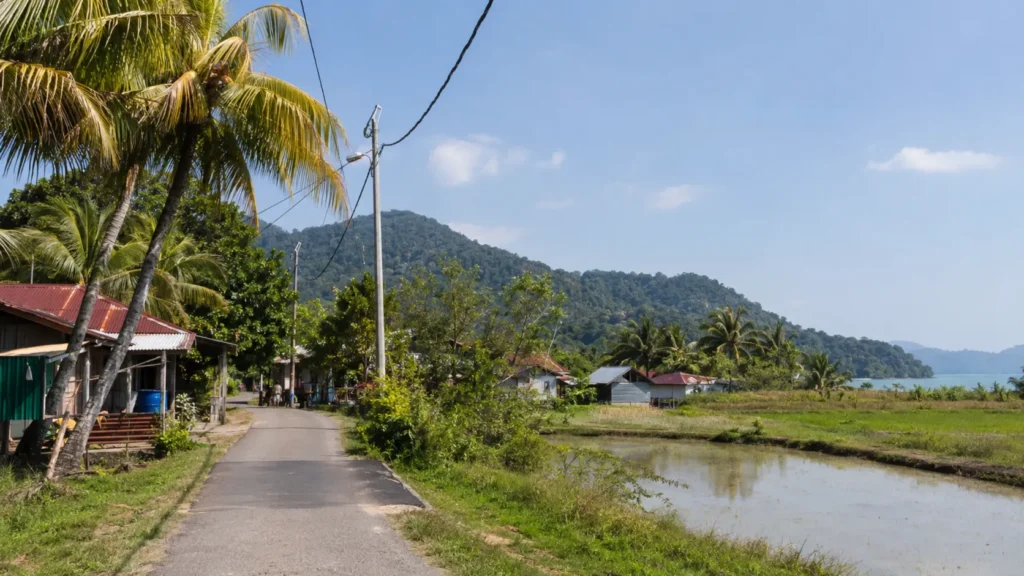
Travelers with four or five days can start looking beyond Langkawi’s most heavily promoted attractions.
Pulau Tuba offers a slower, more rural contrast to places such as Pantai Cenang. Village roads, tropical vegetation, modest homes, and agricultural landscapes give this part of Langkawi a noticeably different atmosphere from the island’s main resort areas.
On a two-day visit, I kept Pulau Tuba behind the major experiences. With four or five days, its slower pace becomes part of the appeal.
This is the kind of place that works better once there is room in the itinerary to stop counting attractions.
17. Keep Underwater World as a Rainy-Day Option
Tropical rain doesn’t automatically need to ruin a day in Langkawi.
Underwater World Langkawi is located at Pantai Cenang, making it one of the easiest indoor alternatives when beach or boat plans stop making sense.
For me, it belonged in the “useful backup” category rather than the essential first-trip category. Families with children may rank it much higher.
Admission prices and operating times can change, so I wouldn’t hard-code them into a travel plan months in advance. The attraction keeps its current hours, admission information, and visitor updates on the official Underwater World Langkawi visitor information page.
18. Leave Space to Simply Drive Around Langkawi
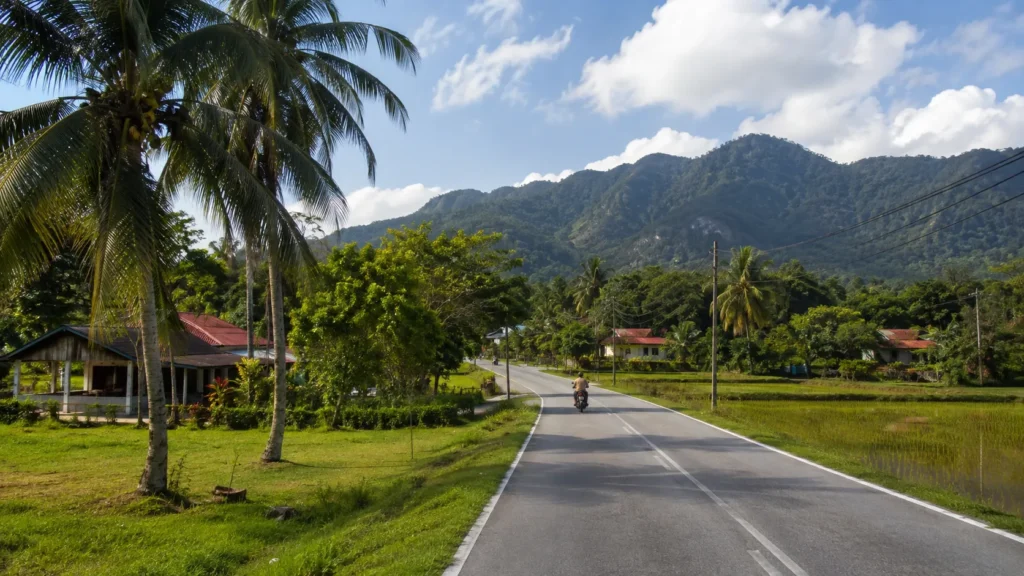
This sounds less exciting than another ticketed attraction, but leaving empty space in the itinerary was one of the best corrections I made.
Langkawi changes quickly once you leave Pantai Cenang.
Roads pass tropical forest, villages, small food stalls, paddy landscapes, quieter coastlines, and areas where the tourism infrastructure almost disappears from view.
My original plan had too many Google Maps pins and too little empty time. Once I stopped treating every unscheduled hour as something that needed filling, the trip became much better.
Not every worthwhile experience in Langkawi comes with an entrance ticket.
Which Langkawi Beach Is Best?
There isn’t one best beach for every purpose.
The beach that worked best for sunset and dinner wasn’t the one I preferred when I wanted quiet sand and fewer people.
| Beach | Best For | Atmosphere | My Take |
|---|---|---|---|
| Pantai Cenang | Food, sunset, water sports | Busy | Best overall convenience |
| Pantai Tengah | Staying near Cenang with less bustle | Moderate | Better balance |
| Tanjung Rhu | Quiet scenery and beach time | Relaxed | My favorite for slowing down |
| Pantai Kok | Peaceful coastal scenery | Quiet | Easy with a western Langkawi day |
| Pasir Tengkorak | Smaller beach stop | Quieter | Easier with independent transport |
Cenang won on convenience.
Tanjung Rhu won when I actually wanted to spend time on the beach.
How to Group Langkawi Attractions Without Wasting Time
This was probably my most useful practical lesson: plan Langkawi geographically rather than attraction by attraction.
Northwest and West Langkawi
Group:
- SkyCab
- Sky Bridge
- Oriental Village
- Telaga Tujuh
- Pantai Kok
- Temurun Waterfall
North and Northeast Langkawi
Group:
- Kilim Karst Geoforest Park
- Tanjung Rhu
- quieter northern beaches
Pantai Cenang and Pantai Tengah
Group:
- beach time
- Underwater World
- water sports
- restaurants
- sunset
- evening activities
Kuah
Group:
- Eagle Square
- waterfront
- duty-free shopping
Langkawi isn’t enormous, but repeatedly crossing the island wastes enough time to make a relaxed destination feel rushed.
Getting Around Langkawi: Grab, Rental Car, or Scooter?
Walking worked within individual beach areas, but it wasn’t how I explored Langkawi as a whole.
The main attractions are spread around the island.
| Transport | Advantages | Drawbacks | Best For |
|---|---|---|---|
| Grab/e-hailing | Easy, no parking | Less flexible for multi-stop days | Short stays |
| Rental car | Flexible, comfortable in heat and rain | Requires driving and parking | 3–5 day trips |
| Scooter | Flexible and inexpensive | Greater road and weather exposure | Experienced riders |
| Taxi/private driver | Convenient | Costs rise across multiple trips | Families and groups |
Independent transport became most useful on days involving waterfalls, northern beaches, and several stops in different areas.
My mistake was looking only at individual driving times. The real time loss came from repeatedly moving between different parts of the island.
What I Kept Short or Skipped With Only Three Days
A short Langkawi itinerary needs priorities more than it needs another attraction.
Eagle Square needs minutes rather than hours.
Duty-free shopping isn’t worth sacrificing half a day unless shopping genuinely interests you.
Underwater World makes more sense for families or rainy weather.
Gunung Raya, Pulau Tuba, and secondary waterfalls become more attractive once you have more than three days.
The experiences I protected time for were harder to replace elsewhere: Machinchang and Sky Bridge, Kilim’s mangrove and karst landscape, the southern islands, and the quieter northern coast.
That gave me a much better trip than chasing attraction number 25 on a checklist.
How Many Days Do You Need in Langkawi?
Three full days are enough to cover the major highlights without turning every day into a race.
With four days, the pace becomes noticeably easier. There is enough room for both mangrove and island-hopping experiences while still leaving proper beach time.
Five days works better if you want waterfalls, Gunung Raya, Pulau Tuba, additional beaches, or simply mornings without alarms.
The biggest lesson from my planning was simple: Langkawi improved when I stopped trying to fill every hour.
Things to Do in Langkawi at Night
Langkawi’s evenings felt relaxed rather than intense.
Pantai Cenang was the easiest option for sunset followed by dinner or drinks. Night markets worked better when I wanted inexpensive local food and a casual atmosphere. A sunset cruise turned an evening into a larger paid experience.
Travelers expecting the nightlife intensity of some other Southeast Asian beach destinations may find Langkawi quiet.
That wasn’t a downside for me.
After full days outside in the heat, slower dinners and beach evenings felt about right.
Best Free Things to Do in Langkawi
Some of my easiest Langkawi experiences cost little or nothing.
Good free or low-cost options included:
- Pantai Cenang
- Pantai Tengah
- Tanjung Rhu
- Pantai Kok
- Eagle Square
- watching sunset
- exploring Kuah
- browsing a night market
- driving through quieter parts of the island
This balance helped because SkyCab tickets, boat excursions, cruises, and water sports can push activity spending higher quite quickly.
What Surprised Me Most About Langkawi
Before arriving, I associated Langkawi mainly with beaches and resorts.
That changed quickly.
The landscapes I remembered most clearly were the limestone cliffs around Kilim, rainforest below the SkyCab, mountains behind the coast, and the contrast between busy Pantai Cenang and quieter roads farther north.
The other surprise was how little time some famous attractions actually needed.
Not every place with thousands of photographs online deserves half a day.
Once I began ranking attractions by experience and time value rather than popularity, planning Langkawi became much easier.
Final Thoughts
Langkawi became much easier to enjoy once I stopped trying to see everything.
SkyCab showed me the scale of the island. Kilim explained why its mangrove and karst landscapes deserved more attention than I had initially given them. Tanjung Rhu delivered the quieter beach experience I had imagined before arriving, while Pantai Cenang worked better for sunset, food, and evening atmosphere.
The places I kept short weren’t necessarily bad. Most simply didn’t deserve as much time as long attraction lists implied.
For a first trip, three or four well-planned days with room to slow down beat a packed checklist of 25 Langkawi attractions.
That was the version of Langkawi I enjoyed most.