



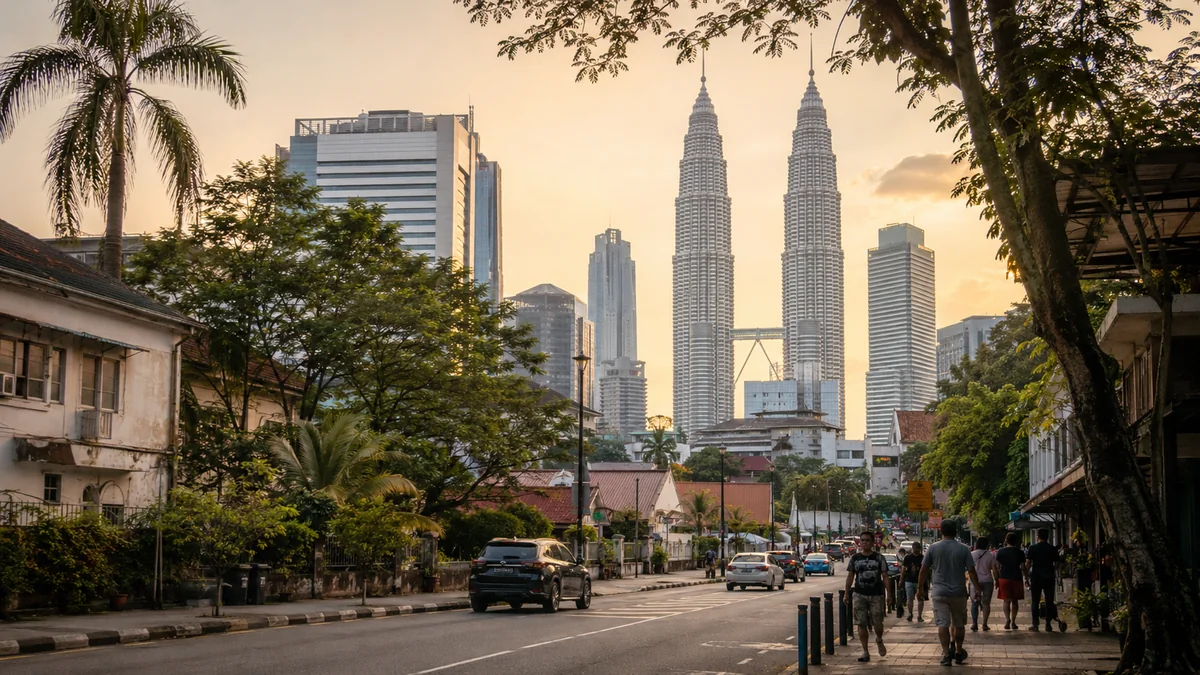
Yes, Malaysia is worth visiting, especially if food, cultural variety, tropical scenery, islands, and independent travel matter more to you than building a trip around one famous attraction.
What surprised me most was how different each part of the country felt. Kuala Lumpur was busy, modern, and humid. The Cameron Highlands were cooler and slower. George Town made me rearrange plans around food. Langkawi felt easy and developed, while the Perhentian Islands offered a much simpler beach experience.
The harder part was planning the route. Malaysia looks manageable on a map, but trying to combine Kuala Lumpur, Penang, the highlands, several islands, Sabah, and Sarawak can turn a good trip into a sequence of transfers.
I visited Malaysia in June 2026, when the east-coast islands were in season and the tropical heat and humidity were part of everyday travel. The timing worked especially well for combining cities, the highlands, and island time.
After visiting, my main lesson was simple: Malaysia was better when I tried to see less of it.
For a first trip, I found 10 to 14 days enough for a rewarding Peninsular Malaysia itinerary. Borneo deserves more time rather than being squeezed into the final few days.
This guide covers what I found worth doing, what I would skip, how long I would spend in each place, Langkawi versus the Perhentian Islands, Peninsular Malaysia versus Borneo, food, transport, weather, costs, and the mistakes I would avoid next time.
Why I Think Malaysia Is Worth Visiting
Malaysia did not win me over through one spectacular landmark.
It was the contrast between places that made the trip memorable.
In Kuala Lumpur, modern towers stood surprisingly close to temples, mosques, old shopping streets, and food stalls. A few days later, the landscape changed to tea-covered hills and mist in the Cameron Highlands. Penang felt different again, with old shophouses, hawker food, temples, street art, and neighborhoods that were far more enjoyable on foot than I had expected.
Then there were the islands.
Langkawi was convenient and offered plenty to do beyond the beach. The Perhentian Islands were less about sightseeing and more about clear water, snorkeling, and slowing down.
Malaysia also suited independent travel better than I expected. Trains, buses, domestic flights, ferries, urban rail, and Grab covered most of the journeys I needed.
The real challenge was not getting around. It was resisting the temptation to add another destination simply because it looked close on the map.
For travelers comparing Malaysia with Thailand, Bali, or Singapore, I think Malaysia is especially appealing when food, cultural variety, nature, wildlife, and a mix of cities and islands are priorities.
Where Should You Go in Malaysia for the First Time?
Not every famous stop deserves space in the same itinerary.
This is how I would divide my time after seeing how the destinations actually fit together.
| Place | Best For | Time I’d Allow | Main Drawback | My Take |
|---|---|---|---|---|
| Kuala Lumpur | Food, city life, landmarks | 2–3 days | Heat and spread-out sights | Essential first stop |
| Melaka | History, old streets, food | 1–2 days | Busy central areas | Better overnight |
| Cameron Highlands | Tea, hiking, cooler weather | 2 days | Traffic can slow plans | Worth the change of pace |
| George Town, Penang | Food, heritage, street life | 3 days | Hot afternoons | One of my favorite stops |
| Langkawi | Easy island break, resorts | 3 days | More developed | Best for convenience |
| Perhentian Islands | Snorkeling, beaches | 3–4 days | Seasonal and slower to reach | Better for island time |
| Taman Negara | Rainforest and outdoor activities | 2–3 days | Transfer time | Best for nature-focused trips |
| Sabah or Sarawak | Wildlife, rainforest, culture | 5–8+ days | Extra flights and logistics | Give Borneo proper time |
Kuala Lumpur Was Worth Seeing, but I Did Not Need a Week
Kuala Lumpur was my introduction to Malaysia, and it immediately exposed one of my planning mistakes.
I had looked at walking distances on a map without properly accounting for the heat.
A route that seemed easy from my hotel felt very different under the afternoon sun and humidity. After that, I kept longer walks for mornings and evenings and used rail or Grab when it saved unnecessary effort.
The Petronas Twin Towers looked better in person than I expected, particularly after dark. Still, they did not need a huge portion of the itinerary.
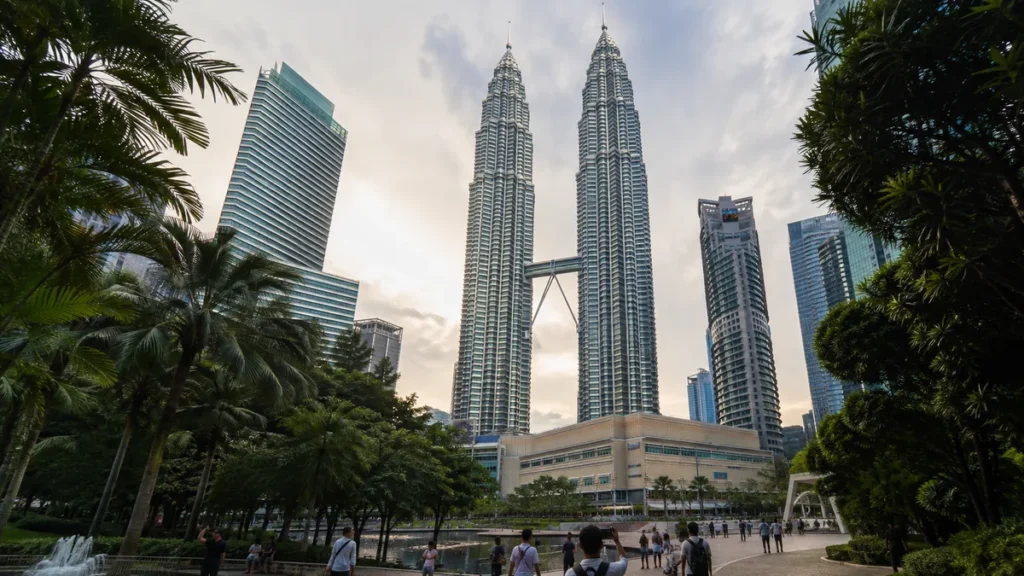
What interested me more was moving between different parts of Kuala Lumpur.
KLCC felt polished and modern. Bukit Bintang was busier, with malls, restaurants, traffic, and activity continuing well into the evening. Around Chinatown and Petaling Street, the city felt older and more layered.
That variety was more memorable than trying to complete a long checklist of attractions.
Was Batu Caves Worth Visiting?
For me, yes.
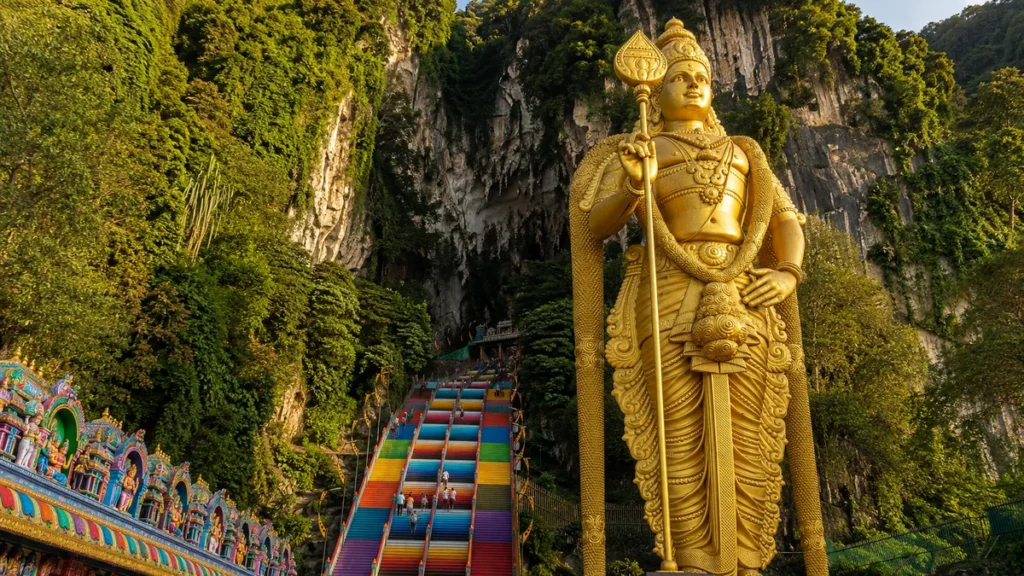
Batu Caves was popular for a reason, although arriving at a sensible time made a difference.
The staircase was much easier before the strongest afternoon heat, and I enjoyed the visit more because I had not packed several other attractions immediately around it.
It did not require most of the day, but I would still keep Batu Caves in a first-time Kuala Lumpur itinerary.
What Felt Overrated in Kuala Lumpur?
Jalan Alor was fun for the evening atmosphere, but I did not treat it as the definitive place to experience Malaysian food.
It was worth walking through once.
Some of the meals I remembered more clearly came from much less polished places that I had not bookmarked before the trip.
That became a useful lesson throughout Malaysia: the most heavily promoted food street was not automatically where I ate best.
Melaka Was Better When I Stopped Rushing
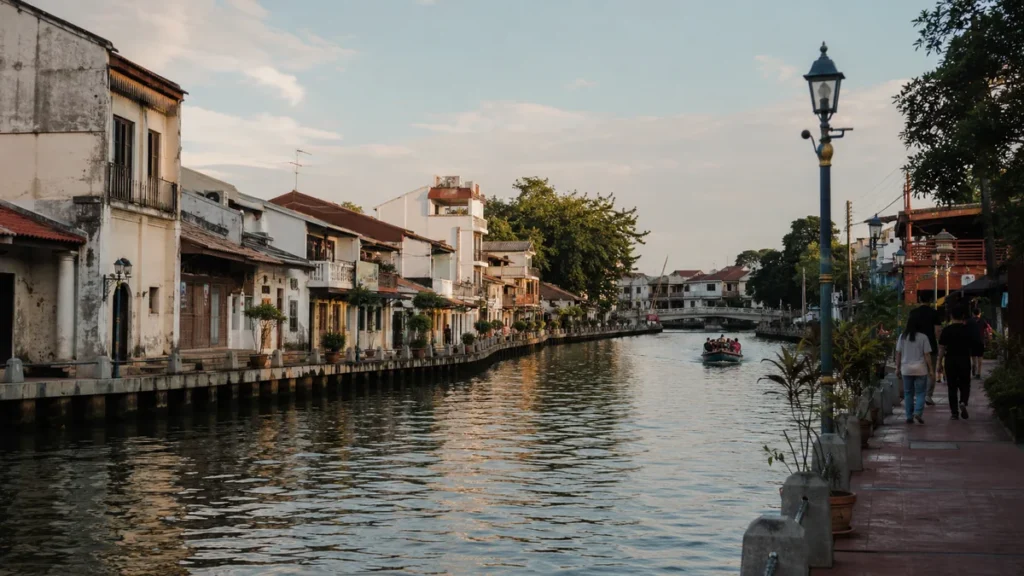
Melaka initially looked like somewhere I could complete in a quick day trip.
That almost made me plan it badly.
The historic center is fairly compact, but the city became more enjoyable when I stopped moving directly from one landmark to another.
Dutch Square was colorful and busy. Jonker Street had plenty of activity, particularly around market periods, but neither was the whole story.
I preferred having time to walk near the river, take quieter side streets, notice old shophouses, and see the layers of Malay, Chinese, Indian, and European influence that shaped the city.
Melaka and George Town share UNESCO World Heritage recognition as the Historic Cities of the Straits of Malacca, but that history made more sense to me while walking than while reading plaques between rushed photo stops.
A day trip from Kuala Lumpur is possible. I preferred staying overnight because it removed the pressure to see everything before getting back on the road.
Cameron Highlands Gave Me the Change of Pace I Needed
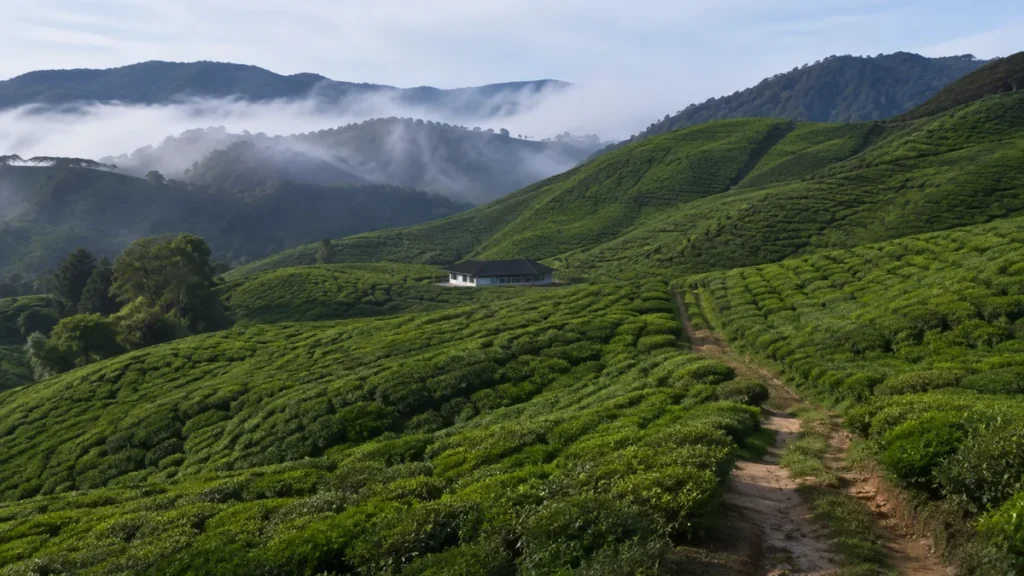
The temperature change was one of the first things I noticed in the Cameron Highlands.
After the heat farther south, the cooler air around Tanah Rata felt almost strange.
Tea plantations were the obvious reason for visiting, and the green hills around the BOH tea-growing areas were impressive. Still, what I appreciated most was the wider change in landscape.
Cities gave way to farms, forest, winding roads, mist, and hills.
This was also where I learned that short distances did not always mean quick journeys.
Traffic can build around popular areas, especially at busy times. An itinerary packed with tea plantations, strawberry farms, viewpoints, the Mossy Forest, and hiking looked productive on paper but would have left me spending too much time in vehicles.
Two nights felt right.
With only seven days in Malaysia, I could understand skipping the highlands. With 10 to 14 days, I thought the contrast justified the transfer.
Penang Was the Place I Wanted More Time
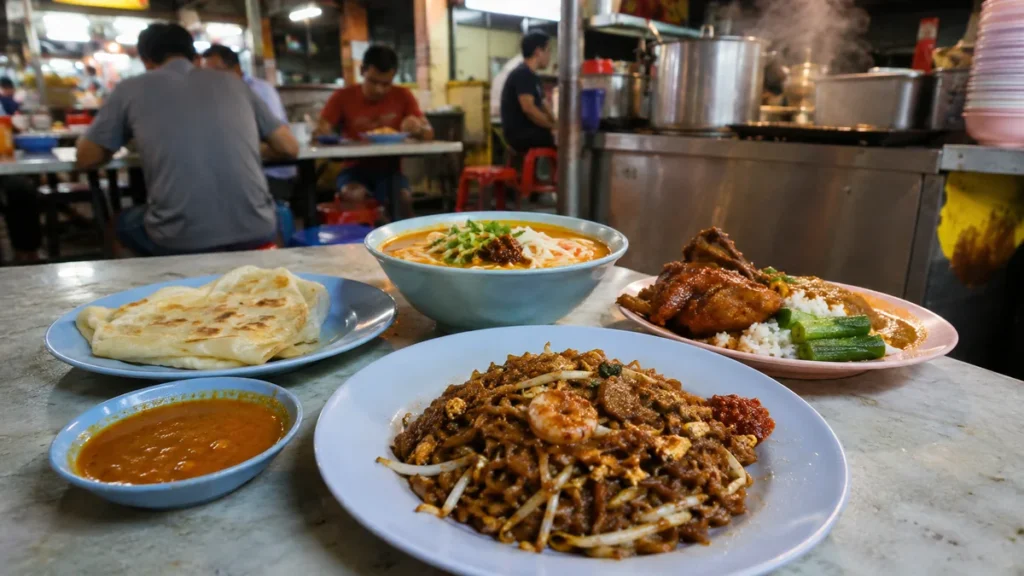
Penang was one of the easiest places to stay longer than planned.
I expected good food.
I did not expect to enjoy walking around George Town quite as much as I did.
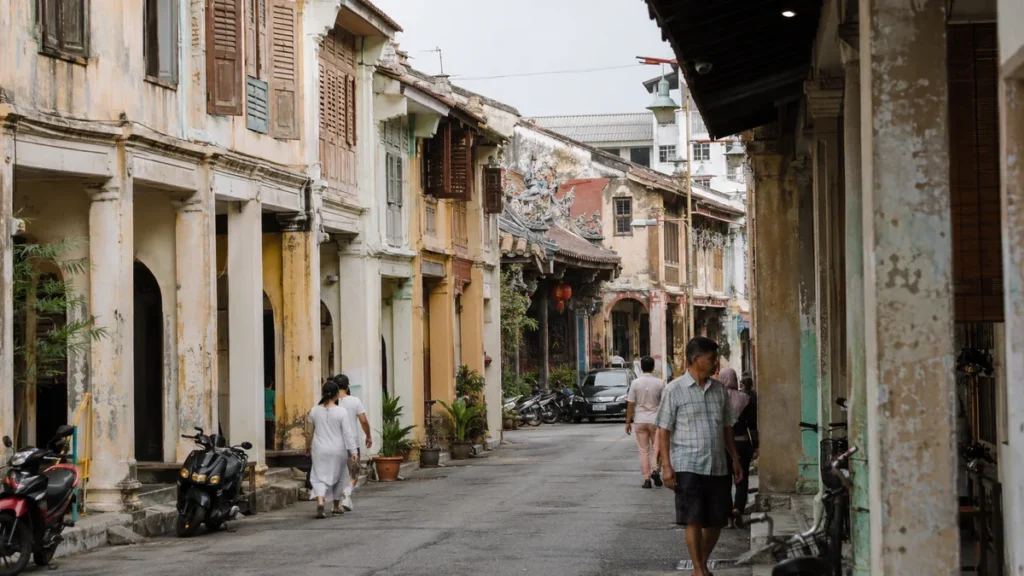
Some streets were busy with visitors photographing murals. A few turns away, things often became quieter. Old shophouses, temples, mosques, clan buildings, cafés, workshops, and food stalls kept slowing me down.
The heat was the main limitation.
By early afternoon, shade or air-conditioning became much more attractive. Staying close to central George Town helped because I could explore early, return during the hottest part of the day, and head out again for dinner.
Penang Earned Its Food Reputation
Food was the strongest reason I wanted more time here.
I tried char kway teow, laksa, nasi kandar, roti canai, and enough snacks that several restaurants I had researched never made it into the trip.
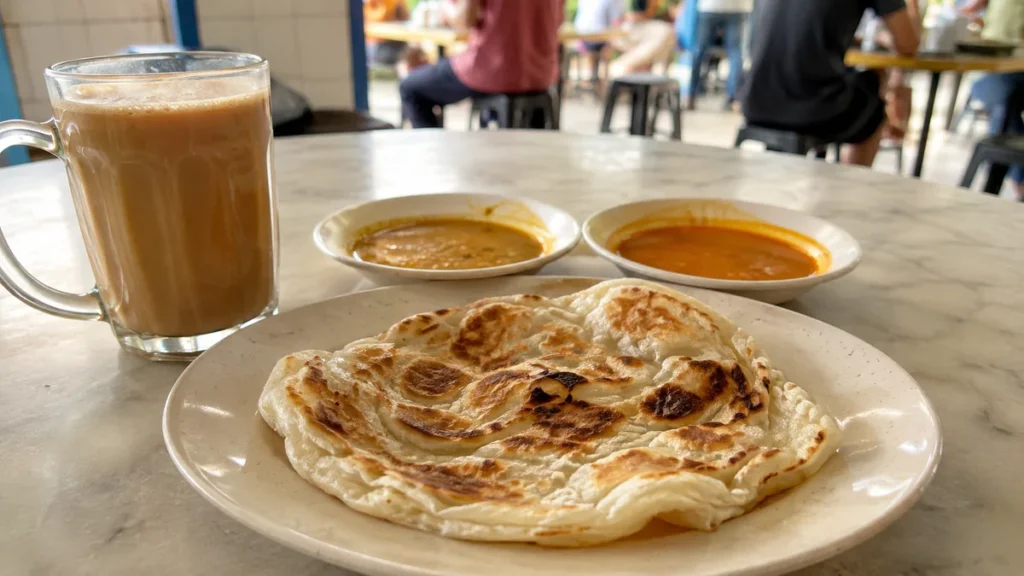
The biggest lesson was not to judge a food stall by appearance.
Some of the simplest meals were more memorable than places with polished interiors and long online descriptions.
Penang also helped me understand why defining “Malaysian food” as one cuisine is difficult.
Malay, Chinese, Indian, and Peranakan influences overlap across hawker centers, kopitiams, markets, restaurants, and neighborhoods.
Three days did not feel excessive. It felt like the minimum I wanted.
Langkawi vs Perhentian Islands: Which One Should You Choose?
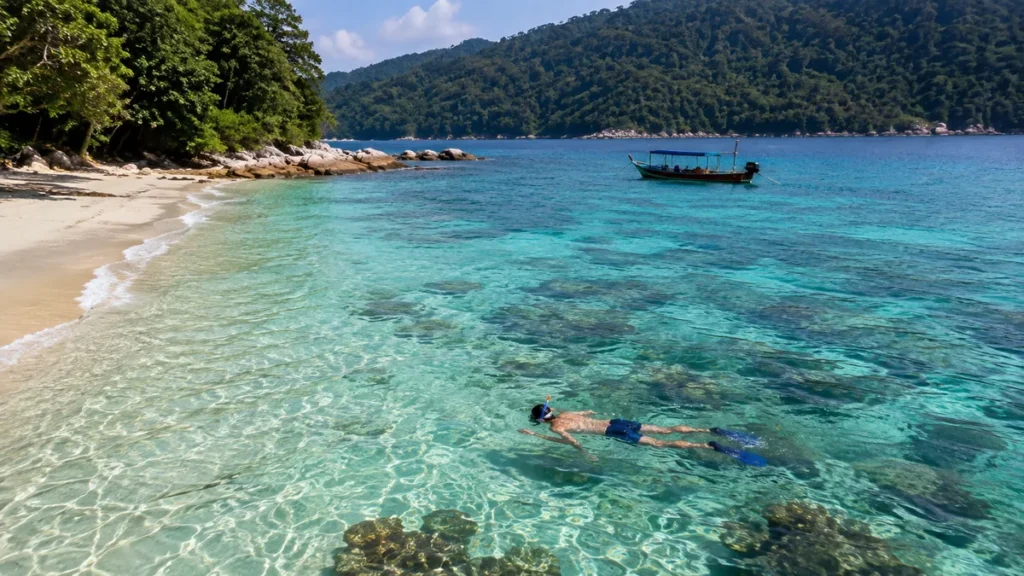
This is one Malaysia travel decision that deserves more thought than simply comparing beach photographs.
Langkawi and the Perhentian Islands offer very different trips.
| Langkawi | Perhentian Islands | |
|---|---|---|
| Best for | Easy island holiday | Beaches and snorkeling |
| Access | Easier | More involved |
| Accommodation | Wide choice | Generally simpler |
| Restaurants | More variety | More limited |
| Sightseeing | Plenty beyond beaches | Limited |
| Snorkeling | Available | Bigger part of the trip |
| Nightlife | More options | Low-key |
| Getting around | Roads and vehicles matter | Much less important |
| Seasonality | Less restrictive | Very important |
| Overall feel | Developed and convenient | Slower and simpler |
Why Langkawi Was Easier
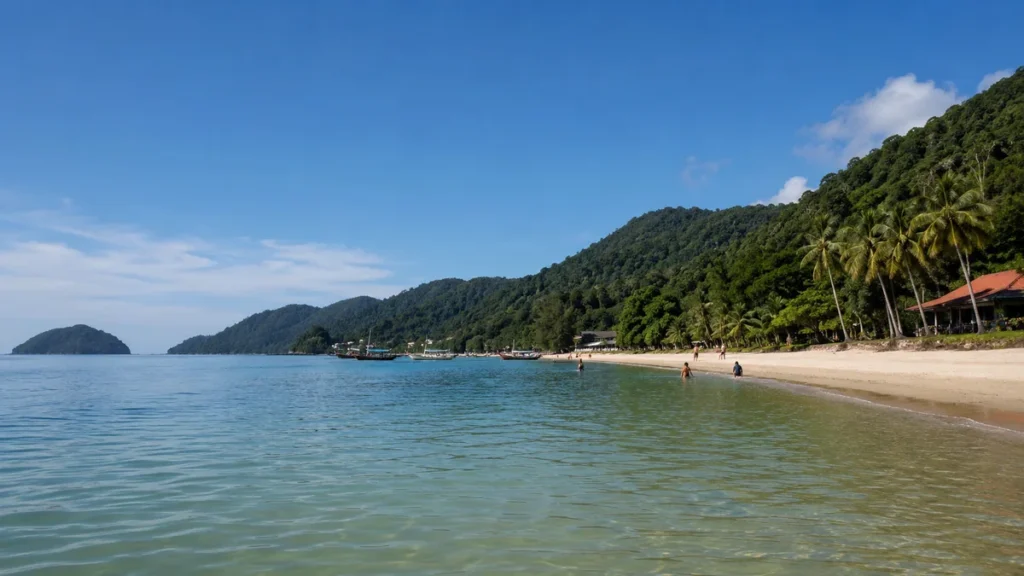
Langkawi required much less logistical effort.
Hotels, restaurants, roads, beaches, tours, and attractions were easy to combine.
Pantai Cenang was practical for restaurants and activity, although travelers searching for a quiet tropical beach may find other parts of the island more appealing.
The Langkawi Sky Bridge, cable car, and mangrove landscapes around Kilim Geoforest Park also meant I was not relying entirely on beach weather.
Langkawi made the most sense when convenience mattered.
The downside was that it felt more developed.
Why the Perhentian Islands Felt More Like an Escape
The Perhentian Islands required more planning but gave me a simpler beach experience.
Clear water and snorkeling were stronger reasons for going than sightseeing.
The choice between Perhentian Kecil and Perhentian Besar also matters. Kecil generally suits a more social and casual trip, while Besar is better aligned with a quieter stay.
Season is the bigger issue.
Current Tourism Malaysia guidance identifies roughly March to October as the main period for east-coast islands such as Perhentian, Redang, and Tioman. The northeast monsoon affects this coast from around November to February, bringing rougher seas and causing many island businesses to close for the season.
Before planning an island transfer, I check the latest official seasonal information and ferry conditions rather than relying on a general “best time to visit Malaysia” article. Tourism Malaysia travel information
That distinction is important.
The best Malaysian island depends partly on when you are traveling.
The Weather Mistake I Would Avoid in Malaysia
I originally thought Malaysia had one broad tropical travel season.
That was too simplistic.
Malaysia is generally warm and humid, but rainfall patterns vary by region. For trip planning, the distinction between the east and west coasts of Peninsular Malaysia is particularly important.
A rainy afternoon in Kuala Lumpur might change sightseeing plans.
Rough seas around an island can change the entire trip.
| Travel Period | Where I’d Look First | Main Consideration |
|---|---|---|
| November–February | Kuala Lumpur, Penang, Langkawi, west coast | Northeast monsoon affects the east coast |
| March–April | Many regions | Heat and changing rainfall |
| May–August | Perhentian, Redang, Tioman | Strong east-coast island period |
| September–October | Keep plans flexible | Conditions become more variable |
| Year-round city trips | Kuala Lumpur, Melaka, Penang | Expect tropical heat and showers |
I stopped trying to find a month with zero rain.
A more useful question was:
Could the weather disrupt access to the destination I am choosing?
That mattered far more than the possibility of an afternoon shower.
Peninsular Malaysia or Borneo?
This is where many first-time Malaysia itineraries become too ambitious.
Peninsular Malaysia contains most of the classic introductory route: Kuala Lumpur, Melaka, Ipoh, Cameron Highlands, Penang, Taman Negara, Langkawi, and the east-coast islands.
Across the South China Sea, Malaysian Borneo includes Sabah and Sarawak, along with the Federal Territory of Labuan.
I would not treat Sabah or Sarawak as a casual two-day extension.
Peninsular Malaysia Made More Sense for My First Route
I would focus on Peninsular Malaysia for a first trip centered on:
- Kuala Lumpur
- George Town and Penang food
- Melaka and cultural history
- Cameron Highlands
- Easier overland transport
- Langkawi
- Perhentian, Redang, or Tioman
- A 10-to-14-day itinerary
Borneo Makes More Sense When Wildlife and Nature Are the Priority

Borneo changes the trip completely.
In Sabah, places such as Sepilok, the Kinabatangan River, Kota Kinabalu, and Mount Kinabalu become major reasons to visit.
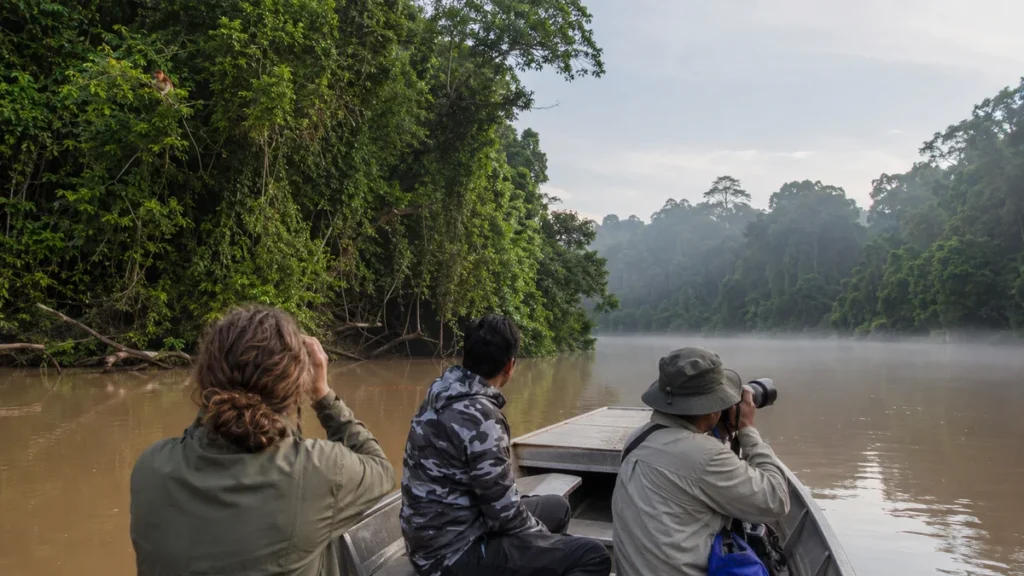
Sarawak adds Kuching, Bako National Park, Gunung Mulu National Park, indigenous cultures, caves, rainforest, and wildlife.
For travelers interested mainly in orangutans, rainforest, wildlife cruises, serious diving, or mountain landscapes, Borneo may actually be more rewarding than trying to follow the standard Kuala Lumpur–Penang–Langkawi route.
What I would not do is combine Kuala Lumpur, Penang, Langkawi, Sabah, and Sarawak in a 10-day trip.
That looks exciting as an itinerary list and exhausting once airport transfers are included.
Getting Around Malaysia Was Easier Than I Expected
Transport rarely caused the problems I had anticipated.
My mistakes came from underestimating the time around the journey.
Grab and Public Transport
Grab became particularly useful in cities.
Sometimes public transport was the obvious option. At other times, paying for a short Grab journey saved a sweaty walk with luggage or an awkward connection.
Kuala Lumpur also has extensive rail-based public transport, making it unnecessary to rely on cars for every journey.
Trains
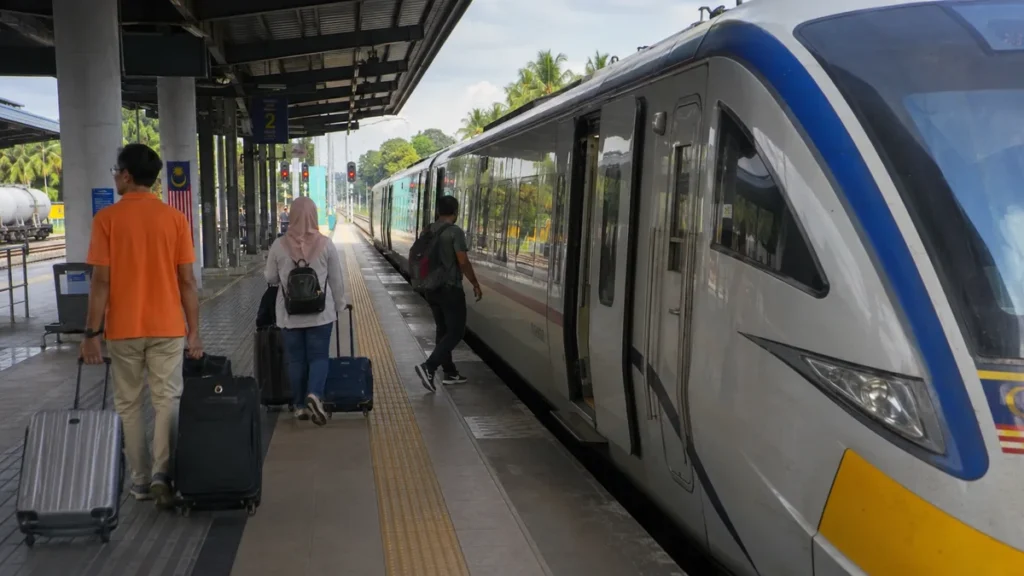
The ETS rail network is useful for several routes on the western side of Peninsular Malaysia.
One detail worth knowing before planning Penang is that long-distance rail passengers generally use Butterworth on the mainland rather than arriving in the middle of George Town.
For schedules, I checked close to my actual travel date instead of building the trip around times quoted in old articles.
Buses
Buses covered routes where trains were less useful, including journeys involving the Cameron Highlands.
This was where I learned to separate scheduled journey time from actual travel-day time.
A transfer usually involved:
checking out → reaching the terminal → waiting → traveling → arriving → getting to the next hotel → checking in
Once I counted the whole process, several days that had looked half-free on my itinerary were clearly transport days.
Domestic Flights
Flights make more sense once Sabah or Sarawak enters the trip.
The peninsula and Malaysian Borneo are separated by the South China Sea, so trying to think of Malaysia as one continuous overland journey quickly stops working.
Ferries
I became more cautious when ferries were involved.
Weather and sea conditions can affect schedules, particularly around seasonal island routes.
I would not plan a tight international flight connection immediately after a weather-sensitive boat journey.
The few hours saved on paper are not worth the stress.
Is Malaysia Expensive?
Malaysia felt good value to me, particularly for local food and everyday transport.
But I would not attach one fixed daily budget to the country.
A traveler eating at hawker stalls and using buses can spend very differently from someone staying in beach resorts, booking diving trips, flying domestically, or arranging wildlife experiences in Borneo.
| Expense | My General Experience |
|---|---|
| Hawker and local food | Excellent value |
| Urban public transport | Inexpensive relative to many destinations |
| Grab | Useful for selective short trips |
| Mid-range city hotels | Often good value |
| Island accommodation | Much more variable |
| Domestic flights | Depends heavily on dates |
| Diving and boat excursions | Worth budgeting separately |
| Borneo wildlife experiences | Can become a major trip cost |
Food was the easiest place for me to keep costs down without feeling like I was compromising the trip.
Transport was different.
Saving a small amount was rarely worthwhile if a better connection gave me several additional hours at the destination.
I also carried Malaysian Ringgit in cash. Cashless payment was easy to find in developed areas, but smaller food stalls and businesses were a good reason not to rely entirely on a card.
What I Ate in Malaysia
Food became one of my strongest memories of the trip.
The more I ate, the less useful the phrase “Malaysian cuisine” seemed as a single category.
Malay, Chinese, Indian, Peranakan, and regional traditions overlap constantly.
Some of the dishes and drinks that became part of the trip included:
- Nasi lemak – coconut rice with sambal and various accompaniments
- Roti canai – flaky flatbread that became an easy breakfast choice
- Char kway teow – stir-fried flat rice noodles closely associated with Penang
- Laksa – several very different regional styles of noodle soup
- Nasi kandar – rice served with a choice of curries and side dishes
- Satay – grilled skewers commonly served with peanut sauce
- Teh tarik – sweet pulled milk tea
- Ipoh white coffee – an obvious food stop if Ipoh is on the route
George Town gave me the most consistently enjoyable food experience.
Kuala Lumpur offered more variety than I could cover in a few days.
Melaka added another layer through Peranakan and Nyonya influences.
The food was one of the clearest reasons I was glad I had not rushed from attraction to attraction.
Where I Would Stay on a First Malaysia Trip
Location mattered more to me than hotel category.
Kuala Lumpur
Bukit Bintang made sense for restaurants, shopping, and a busy central atmosphere.
KLCC suited the modern side of the city and easy access to the Petronas Twin Towers area.
Around Chinatown and Pasar Seni, I preferred the older streets and access to heritage areas.
George Town
Staying close to central George Town made a noticeable difference.
I could explore early, return during the hottest hours, and walk back out when evening temperatures became more comfortable.
Cameron Highlands
Tanah Rata was the most practical base for my style of trip because accommodation, restaurants, and transport were concentrated nearby.
Langkawi
Pantai Cenang was easiest for restaurants, tours, and activity.
For more peace, I would look elsewhere on the island rather than assuming Cenang represents all of Langkawi.
Perhentian Islands
Choosing the right island mattered more than finding the fanciest accommodation.
Perhentian Kecil suited a more social trip.
Perhentian Besar suited a quieter one.
Things I Wish I Had Known Before Visiting Malaysia
The Heat Changes Walking Distances
Twenty minutes on a map did not always feel like twenty minutes on the street.
Morning and evening became my preferred times for longer walks.
Air-Conditioning Can Feel Surprisingly Cold
After spending time outside in the humidity, some trains, malls, buses, and cafés felt almost too cool.
A lightweight extra layer ended up being more useful than expected.
Famous Attractions Do Not Always Need Half a Day
Some of the best-known landmarks took much less time than I had allocated.
My trip improved once I stopped assigning time based on how famous a place was.
Islands Require More Planning Than Cities
Kuala Lumpur and George Town allowed plenty of improvisation.
Island accommodation, boats, weather, and seasonal operations rewarded earlier planning.
Cultural Context Matters
Malaysia is culturally and religiously diverse.
I kept clothing that covered my shoulders and knees available for religious sites instead of arriving and then worrying about whether I was dressed appropriately.
Around religious holidays and Ramadan, I also preferred checking current opening arrangements rather than assuming every business operated normally.
Malaysia Entry Requirements and MDAC
This is the part of a travel article that can become outdated fastest.
Visa requirements depend on nationality, and entry procedures can change.
Malaysia currently operates the Malaysia Digital Arrival Card (MDAC) system for foreign travelers, with rules and exemptions set by the Malaysian Immigration Department. Its official MDAC information currently tells eligible travelers to submit the card within the stated pre-arrival period.
I would not rely on an old blog post, social-media comment, or even an older version of this article for entry rules.
Before departure, I check the official immigration information again. Malaysian Immigration Department
That is especially important before paying for non-refundable bookings.
What Felt Overrated and What Was Worth the Time
Not every popular experience delivered equally.
Worth More Time Than I Expected
George Town
I went mainly expecting good food and ended up enjoying the streets just as much.
Cameron Highlands
The cooler climate and different landscape provided a useful break between cities.
Perhentian snorkeling
This was one of the cases where the main reason for traveling there genuinely justified the effort.
Everyday Malaysian food
Some of my favorite meals involved the least planning.
Things I Would Not Overplan Again
Walking everywhere in Kuala Lumpur
The heat and road layout made some theoretically walkable journeys less enjoyable than using public transport or Grab.
Tourist-famous food streets
They were good for atmosphere but were not automatically where I ate best.
Packed Cameron Highlands sightseeing days
Adding more stops did not make the experience better.
Too many one-night stays
Constantly unpacking, repacking, and transferring took more out of the trip than expected.
A Realistic First-Time Malaysia Itinerary
The best route depends on how much time you have and which coast makes sense for your travel dates.
10 Days: Cities, Food, and Highlands
Days 1–3: Kuala Lumpur
Allow time for the main landmarks, neighborhoods, food, and Batu Caves.
Days 4–5: Melaka
An overnight stay gives the historic center more breathing room.
Days 6–7: Cameron Highlands
Two nights make the transfer worthwhile.
Days 8–10: George Town, Penang
Finish with heritage streets and food rather than adding another rushed destination.
This route worked better for me than trying to squeeze in an island simply because ten days sounded long.
14 Days: A West-Coast Route With Langkawi
A straightforward first-time route is:
Days 1–3: Kuala Lumpur
Days 4–5: Melaka
Days 6–7: Cameron Highlands
Days 8–10: George Town
Days 11–14: Langkawi
Langkawi fits naturally after Penang and keeps the route relatively simple.
What If You Want the Perhentian Islands Instead?
I would not simply replace Langkawi with Perhentian in the itinerary above and assume the logistics remain the same.
The Perhentians are on the opposite side of Peninsular Malaysia.
If they were a priority, I would build the route around the east-coast transfer, reduce unnecessary backtracking, and check current boat connections before fixing the order of the trip.
That extra planning is worthwhile when snorkeling and quieter island time matter more than convenience.
If Borneo Is the Main Reason for Going
I would remove destinations rather than add Sabah or Sarawak to an already full peninsula itinerary.
A Sabah-focused route could concentrate on Kota Kinabalu, Kinabalu Park, Sepilok, and the Kinabatangan River.
A Sarawak trip could give proper time to Kuching, Bako National Park, Gunung Mulu, and other parts of the state.
Borneo deserves to be one of the main reasons for visiting Malaysia, not something squeezed into the final 48 hours.
Malaysia Travel Mistakes I Would Avoid Next Time
The biggest mistakes were small planning decisions rather than major disasters.
- Trying to fit too many destinations into 10 days.
- Ignoring east-coast monsoon conditions when choosing an island.
- Treating Borneo as a quick extension to an already full itinerary.
- Counting scheduled journey time instead of door-to-door transfer time.
- Planning long walks during the hottest part of the day.
- Giving Penang too little time.
- Assuming Langkawi and the Perhentian Islands offer the same type of holiday.
- Building tight flight connections around ferries.
- Assuming the most famous food street has the best food.
- Using old travel articles for current immigration requirements.
Final Thoughts
My trip improved once I stopped treating Malaysia like a list of places I needed to complete.
The moments I remembered were simpler: walking through George Town before the afternoon heat became uncomfortable, ordering another dish because the table beside me had something that looked better, watching mist settle across the Cameron Highlands, and realizing that an island transfer deserved proper space in the itinerary.
For a first visit, I would keep the route smaller than instinct suggests.
Kuala Lumpur, Melaka, the highlands, Penang, and one carefully chosen island already create a trip with cities, food, history, landscapes, and beaches.
Sabah and Sarawak can wait until Borneo has enough time to become the trip rather than an exhausting addition to it.
That is the planning decision I wish I had understood from the beginning.