



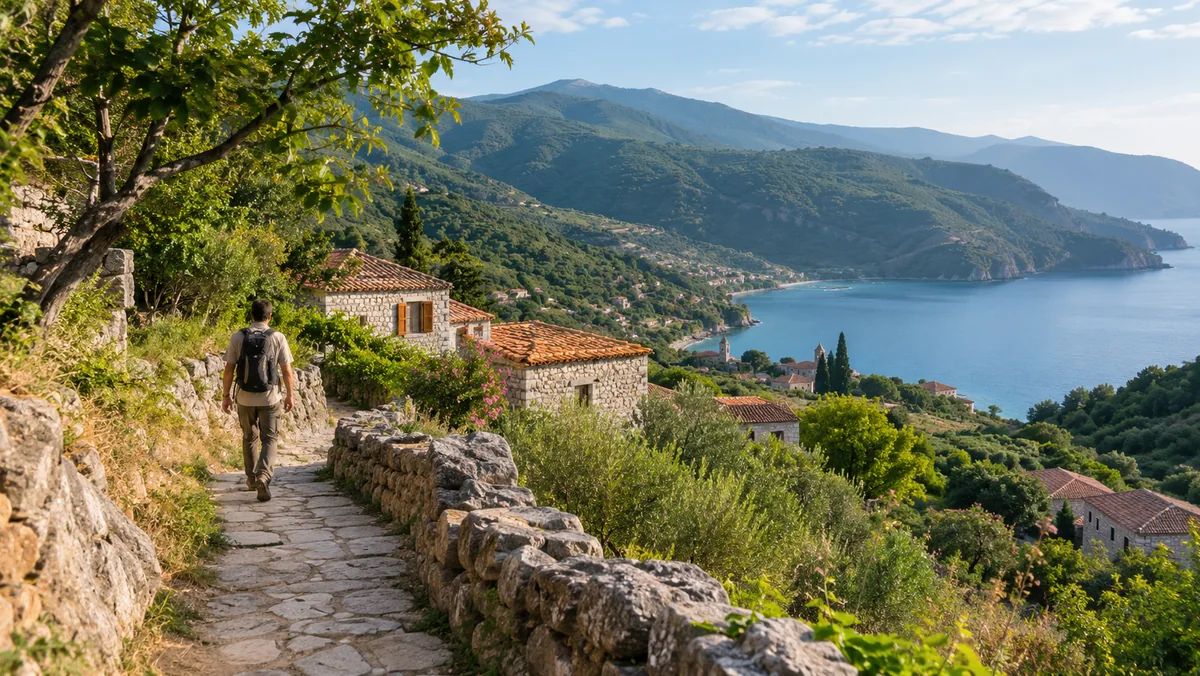
Some of the best underrated travel destinations aren’t completely undiscovered. They’re the mountain towns, historic cities, quiet islands, and beautiful regions that travelers often overlook while heading toward more famous attractions.
For this guide, I looked beyond the usual vacation hotspots and compared 25 places across Europe, Asia, the Americas, Africa, and Oceania. I focused on what makes each destination special, how easy it is to reach, what a trip might cost, and the drawbacks worth knowing about.
For affordable travel, my strongest picks are Albania, Uzbekistan, Laos, and Bolivia. Montenegro, Georgia, and Kyrgyzstan stand out for mountain adventures. For peaceful waterside escapes, Bacalar in Mexico, Camiguin in the Philippines, and Lake Ohrid in North Macedonia deserve attention.
I updated this research in November 2026. Rather than treating every destination as a personal travel diary, I’ve kept the recommendations grounded in researched attractions, practical planning details, and clear comparisons.
Not every underrated place is cheap or easy to reach. Some require long journeys, rental cars, or basic accommodation. The goal is to help you find somewhere that matches your interests, available time, and budget.
The Best Underrated Travel Destinations at a Glance
Before choosing a destination, I like to compare the time and money involved. A place with inexpensive hotels can still be costly if reaching it requires additional flights or a private transfer.
These daily budgets are approximate planning estimates in US dollars per person. They assume two people sharing a modest private room, eating mainly at local restaurants, and paying for ordinary sightseeing and local transportation. International flights, insurance, major guided excursions, and expensive intercity transfers aren’t included.
| Destination | Best Months | Est. Daily Budget | Ideal Stay |
|---|---|---|---|
| Bucovina, Romania | May–October | $55–85 | 3–4 days |
| Përmet, Albania | May–June, September | $45–75 | 2–3 days |
| Durmitor, Montenegro | June–September | $65–110 | 3–4 days |
| Lake Ohrid, North Macedonia | May–June, September | $50–90 | 3–4 days |
| Jajce, Bosnia and Herzegovina | May–September | $50–85 | 2 days |
| Soča Valley, Slovenia | June–September | $105–170 | 3–5 days |
| Svaneti, Georgia | June–September | $60–105 | 4–6 days |
| Rhodope Mountains, Bulgaria | May–October | $50–85 | 3–4 days |
| Song-Kul Lake, Kyrgyzstan | June–September | $70–130 | 2–3 days |
| Khiva, Uzbekistan | April–May, September–October | $45–80 | 2–3 days |
| Nong Khiaw, Laos | November–February | $35–65 | 3–4 days |
| Quy Nhon, Vietnam | February–August | $40–75 | 3–4 days |
| Camiguin, Philippines | March–May | $45–85 | 4–5 days |
| Flores, Indonesia | May–October | $65–115 | 4–6 days |
| Kuching, Malaysia | March–September | $50–90 | 4–5 days |
| Bacalar, Mexico | November–April | $65–115 | 3–4 days |
| Minca, Colombia | December–March | $45–85 | 2–3 days |
| Sucre, Bolivia | April–October | $35–70 | 3–4 days |
| Rupununi, Guyana | September–April* | $180–320+ | 4–6 days |
| Great Basin National Park, USA | June–September | $100–175 | 2–3 days |
| Bighorn Mountains, USA | June–September | $110–185 | 3–5 days |
| São Tomé and Príncipe | June–September | $90–160 | 6–8 days |
| Santo Antão, Cape Verde | November–May | $70–125 | 4–6 days |
| Damaraland, Namibia | May–October | $150–300 | 3–5 days |
| West Coast Tasmania, Australia | December–March | $120–220 | 4–6 days |
Rupununi travel conditions depend heavily on rainfall and the specific location. Guyana also has a US Level 3 travel advisory, discussed below.
These are broad estimates for comparing destinations, not verified hotel quotations. Remote expeditions, specialized wildlife tours, and private transfers can increase the total considerably.
Underrated Destinations in Europe
Europe has no shortage of famous vacation spots, but some of its most rewarding places sit away from the busiest tourist routes. I focused on smaller towns, mountain regions, and places where local culture is as interesting as the scenery.
1. Bucovina, Romania — Painted Monasteries and Traditional Villages
Bucovina caught my attention because of its painted monasteries, countryside scenery, and traditional villages.
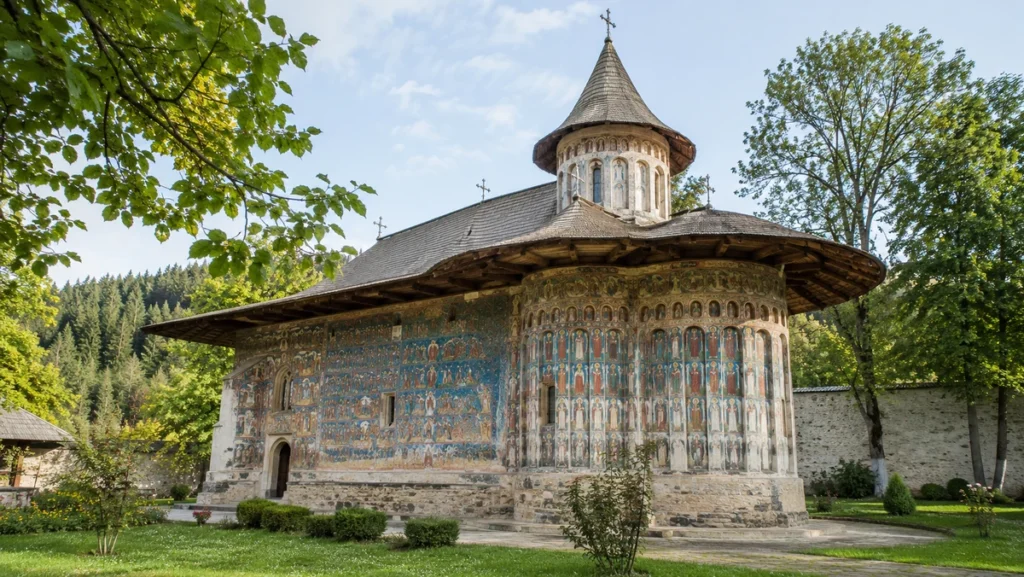
Voroneț, Moldovița, and Sucevița are among the region’s best-known monasteries. Their walls display religious paintings that have survived for centuries. UNESCO recognizes the Churches of Moldavia for their exceptional artistic and cultural value.
For a first visit, Gura Humorului makes a practical base. I would allow three or four days to explore the monasteries and surrounding countryside without rushing.
A rental car is particularly useful because the attractions are spread across the region.
Best for: History, photography, couples, and slow travel.
What to know: Public transportation between smaller villages is limited. Spring and autumn can also be wet and cool.
2. Përmet, Albania — Thermal Springs and Mountain Scenery
Albania’s Riviera receives plenty of attention, but the inland town of Përmet offers a different experience.
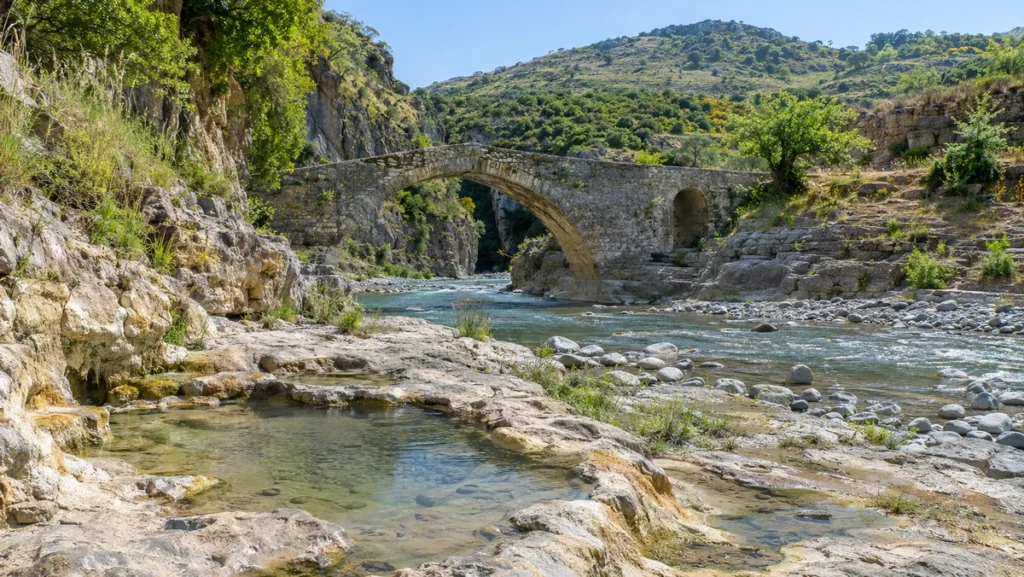
The town sits near the Vjosa River, surrounded by mountain scenery. The Benjë thermal baths and Langarica Canyon are two reasons to explore the area.
Përmet is also known for gliko, a traditional preserved-fruit sweet. Local foods like this are part of what makes slower travel appealing.
I’d combine Përmet with Gjirokastër on a southern Albania road trip rather than planning an entire vacation around one town.
Two or three days should be enough for the main experiences.
Best for: Budget travelers, couples, and nature lovers.
What to know: Rural transport is limited, and river or canyon activities depend on weather and water conditions.
3. Durmitor National Park, Montenegro — An Alpine Escape
Durmitor is one of the first places I’d investigate for a mountain vacation away from Europe’s most expensive Alpine resorts.
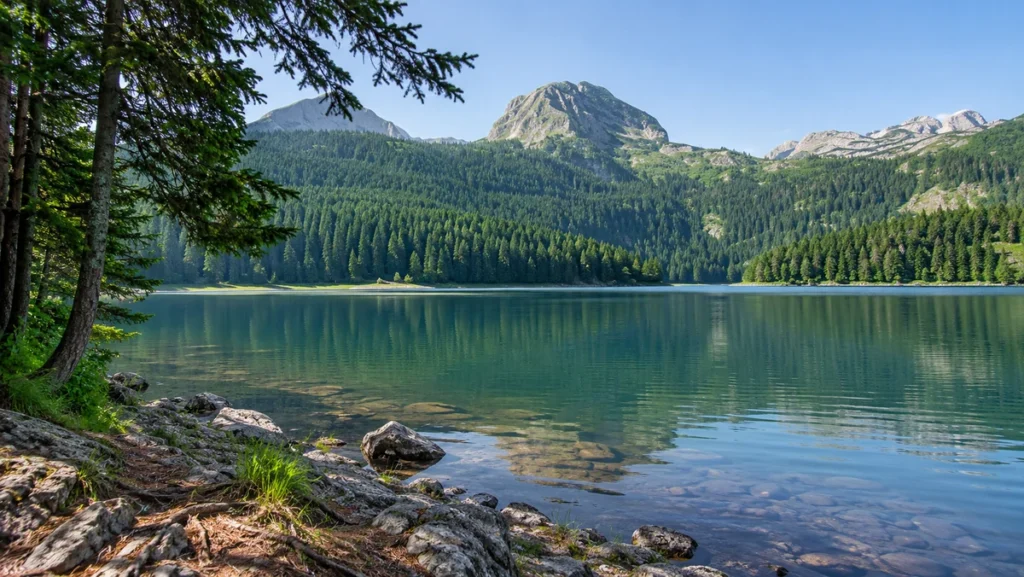
The park has high peaks, forests, and beautiful lakes. Black Lake is an accessible starting point, while the trails around Žabljak provide options for more experienced hikers.
The Tara River Canyon adds opportunities for rafting and sightseeing.
For a three-day trip, I’d keep one day for the lake, another for hiking, and a third for exploring the surrounding area.
Best for: Hiking, scenic drives, adventure, and photography.
What to know: Mountain weather can change quickly. High-elevation trails may remain snowy outside summer, so check conditions before setting out.
4. Lake Ohrid, North Macedonia — History and Peaceful Lakeside Views
Lake Ohrid is an appealing alternative to Europe’s more expensive lake destinations.
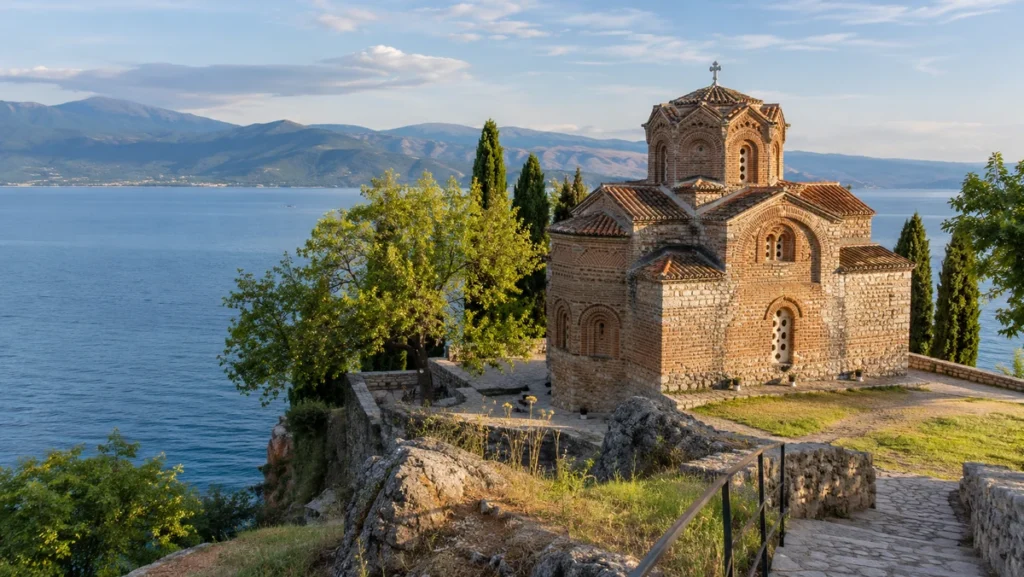
The old town has narrow streets, traditional houses, churches, and views across the lake. The Church of St. John at Kaneo is one of its most recognizable landmarks.
The wider Ohrid region is recognized by UNESCO for its natural and cultural heritage.
For a relaxed visit, I’d stay near the old town for three or four nights. That provides time for historic sights, lakeside walks, and an excursion into the surrounding countryside.
Best for: Couples, history lovers, and affordable European vacations.
What to know: Ohrid is already popular with regional tourists. July and August can be busy, making June and September attractive alternatives.
5. Jajce, Bosnia and Herzegovina — A Waterfall Beside the Old Town
Jajce stands out for an unusual reason: a dramatic waterfall sits beside its historic center.
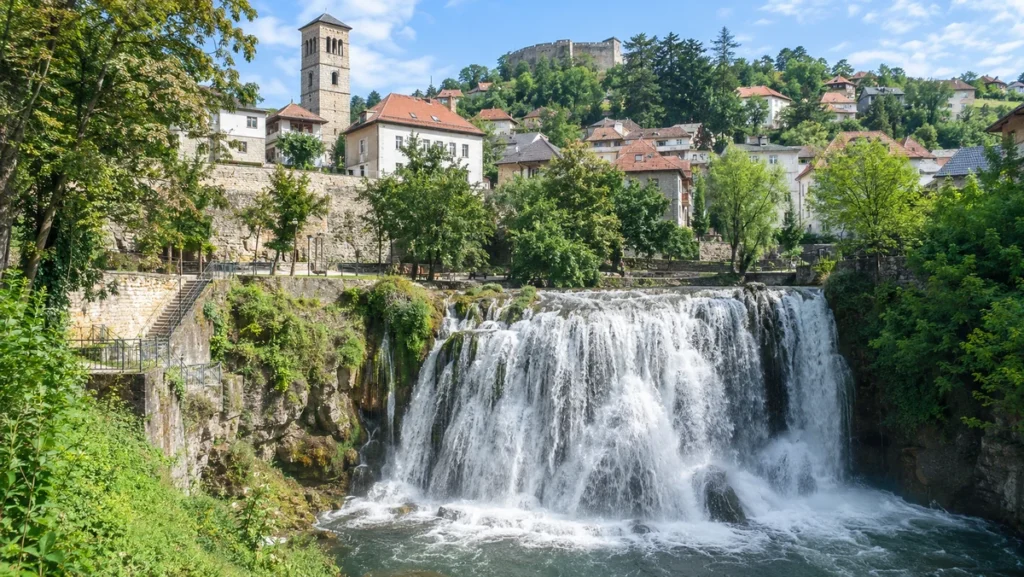
The town also has an old fortress, traditional streets, and the nearby Pliva Lakes. The small wooden watermills near the lakes are among the area’s most recognizable sights.
I think Jajce works particularly well as part of a longer trip through Bosnia and Herzegovina.
Two days provide enough time to explore the center and enjoy the lakes without turning the visit into a quick photo stop.
Best for: History, photography, affordable travel, and road trips.
What to know: Accommodation choices and public transport connections are more limited than in larger cities.
6. Soča Valley, Slovenia — Emerald Rivers and Outdoor Adventures
For travelers who prefer hiking and outdoor activities to conventional city sightseeing, the Soča Valley is an excellent option.
The Soča River runs through a beautiful Alpine landscape near Bovec, Kobarid, and Tolmin.
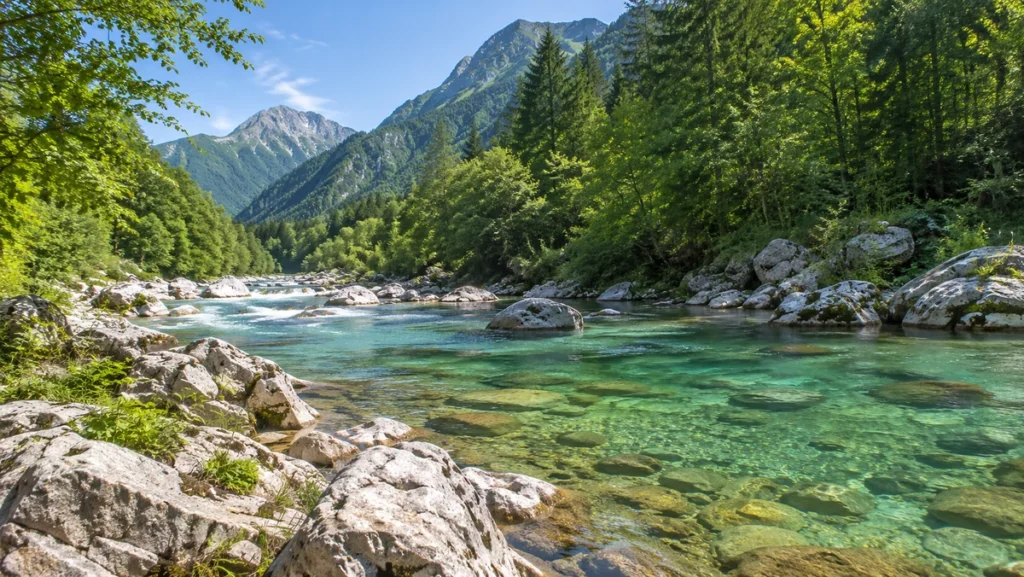
Rafting, kayaking, hiking, and scenic drives are popular here. Kobarid also has important World War I history.
Three to five days would provide a comfortable amount of time for the main activities, particularly if you’re planning guided river excursions.
Best for: Outdoor adventure, active couples, and landscape photography.
What to know: Slovenia isn’t necessarily a budget destination. Rental cars, summer accommodation, and organized activities can be expensive.
7. Svaneti, Georgia — Stone Towers and Caucasus Mountains
Svaneti is one of the most distinctive mountain regions on this list.
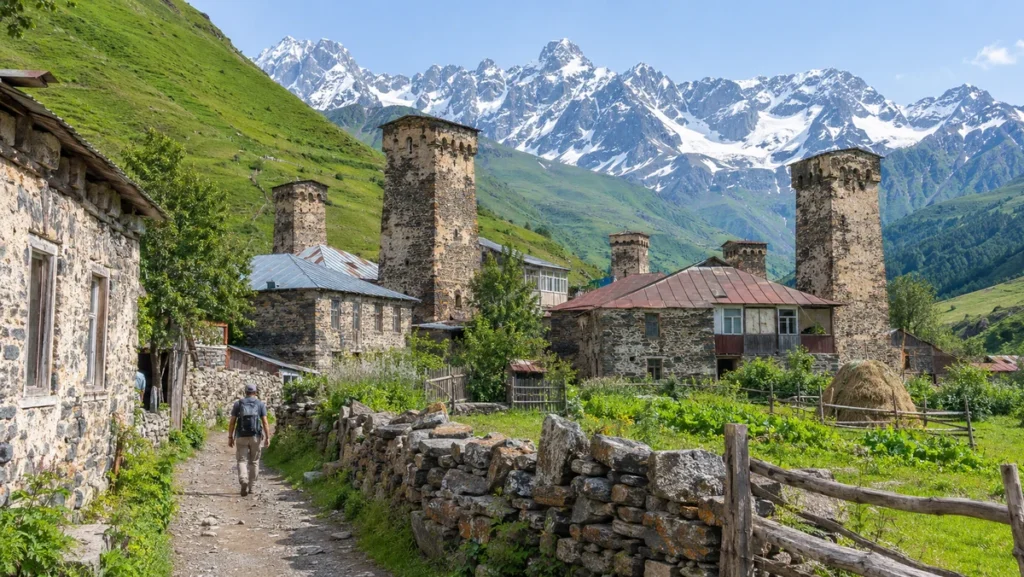
Mestia is the main visitor base, known for traditional stone defense towers and hiking opportunities. Farther into the mountains, Ushguli offers remarkable village scenery beneath the Caucasus peaks.
Staying in a traditional guesthouse can also be a rewarding part of the experience, particularly for travelers interested in Georgian food and local culture.
I’d allow four to six days because reaching the region takes time, and mountain weather can disrupt plans.
Best for: Hiking, traditional culture, and mountain photography.
What to know: Roads can be rough, and remote services are limited. Since January 1, 2026, Georgia has also required tourists to carry health and accident insurance with at least GEL 30,000 in coverage for their stay, according to US State Department guidance. Check the current entry rules before traveling.
8. Rhodope Mountains, Bulgaria — Traditional Villages and Dramatic Gorges
The Rhodope Mountains are a good match for anyone who enjoys a quiet European road trip.
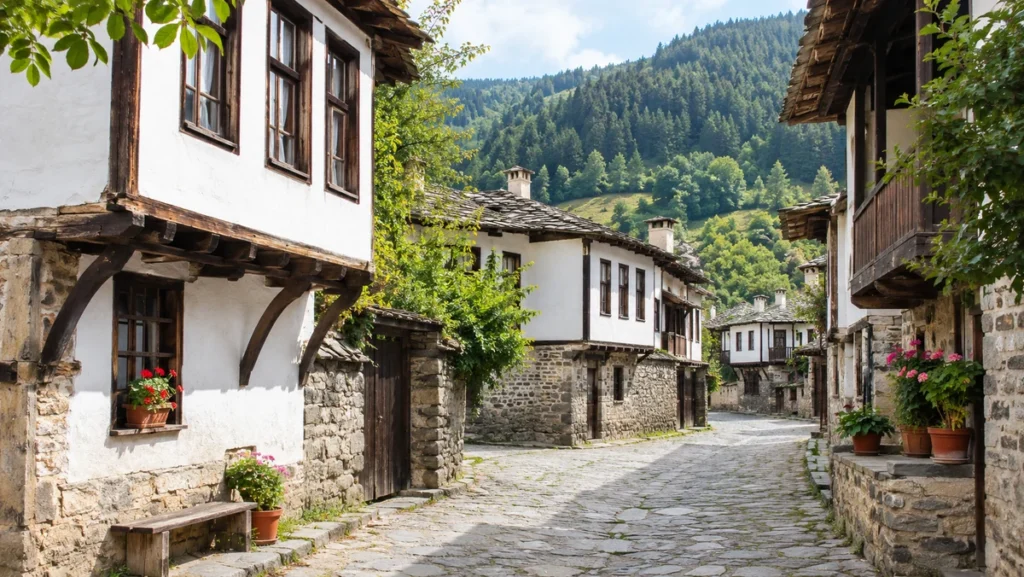
Shiroka Laka has traditional stone-and-wood buildings, while Trigrad Gorge and Devil’s Throat Cave add natural attractions.
The region also has forests, mountain villages, and restaurants serving traditional Bulgarian food.
Plovdiv is a sensible starting point for a three- or four-day trip. I’d rent a car rather than relying on rural bus connections.
Best for: Rural scenery, traditional food, photography, and road trips.
What to know: Mountain roads are winding, so journeys can take longer than expected. Cave access may also be affected by seasonal conditions.
Underrated Destinations in Asia
Asia offers some of the strongest choices for travelers interested in culture, nature, and affordable independent travel. The challenge is often deciding how much time to allow for reaching smaller towns or remote landscapes.
9. Song-Kul Lake, Kyrgyzstan — Yurt Stays in the Mountains
Song-Kul Lake is one of the more adventurous places on my shortlist.
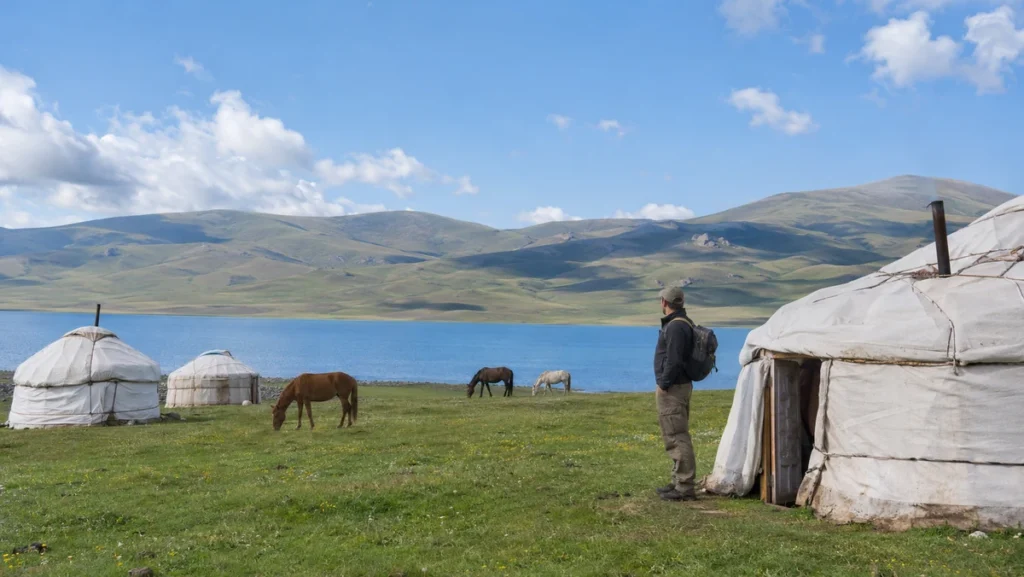
Located roughly 3,000 meters above sea level, the lake is surrounded by mountain pastures where travelers can stay in traditional yurts during the warmer months.
Horse riding, walking, and learning about local pastoral traditions are central to the experience.
Kochkor is a common starting point, with onward travel generally arranged by suitable vehicle or guided trek.
Two nights near the lake would make the long journey more worthwhile.
Best for: Adventure travelers, traditional culture, and remote landscapes.
What to know: Facilities are basic, nights can be cold, and altitude may affect some visitors. Access is mainly seasonal.
10. Khiva, Uzbekistan — A Historic Silk Road City
Khiva is one of the best choices on this list for travelers interested in architecture and history.
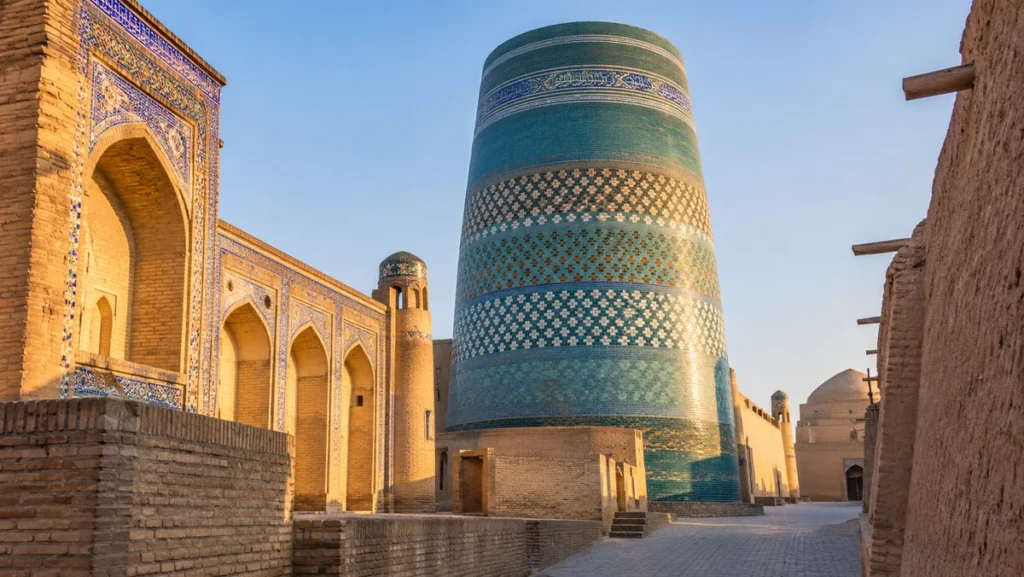
Its walled inner city, Itchan Kala, contains mosques, minarets, traditional courtyards, and narrow streets. Kalta Minor and Juma Mosque are among the major sights.
UNESCO recognizes Itchan Kala as a World Heritage Site.
I’d spend two or three days here, staying near the old town so there’s time to explore outside the hottest afternoon hours.
April, May, September, and October are generally better for walking than the intense summer months.
Best for: Silk Road history, architecture, and photography.
What to know: Khiva is not unknown to international cultural travelers. Entry tickets and guided tours can also increase costs beyond the basic daily budget.
11. Nong Khiaw, Laos — Limestone Mountains and Riverside Life
Nong Khiaw is one of my strongest budget-friendly picks for travelers who enjoy natural scenery.
The town sits beside the Nam Ou River, surrounded by steep limestone mountains.
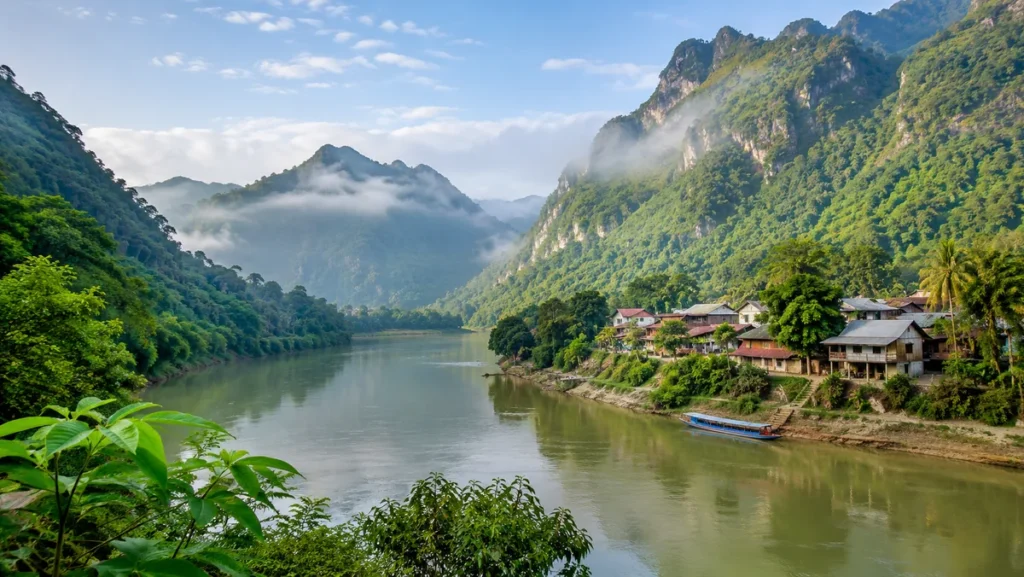
Hiking to viewpoints, exploring nearby villages, and taking river excursions are among the main activities.
Most visitors arrive by road from Luang Prabang, typically allowing around three to four hours.
I would stay three nights to avoid rushing between a viewpoint hike and a river trip.
Best for: Budget backpacking, hiking, and slow travel.
What to know: Some trails are steep and slippery, especially after rain. River activities depend on local conditions.
12. Quy Nhon, Vietnam — Beaches and Local Seafood
Quy Nhon is worth considering if you want a Vietnamese beach vacation without centering the trip on a major international resort.
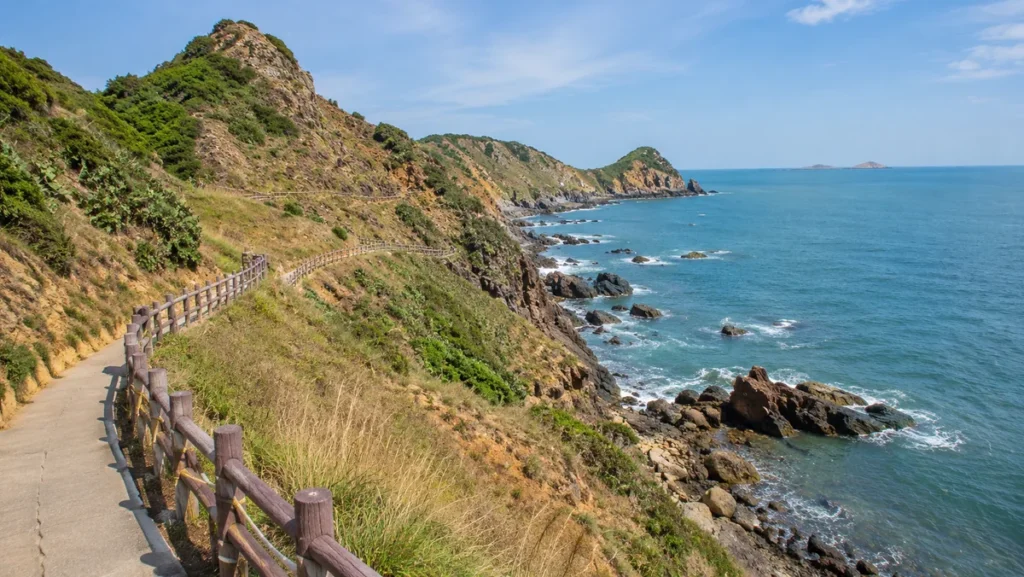
The city has sandy beaches, seafood restaurants, and attractive coastal scenery. Ky Co Beach and Eo Gio are among the best-known nearby attractions.
The region also has Cham towers for visitors interested in local history.
Phu Cat Airport provides domestic connections, helping travelers include Quy Nhon in a wider Vietnam itinerary.
Three or four days should be enough for beaches, food, and a few excursions.
Best for: Beach vacations, seafood, and affordable accommodation.
What to know: Popular coastal attractions can become crowded during domestic holidays and weekends.
13. Camiguin, Philippines — Volcanoes and Waterfalls
Camiguin stands out because it combines island scenery with waterfalls, volcanic landscapes, and natural attractions.
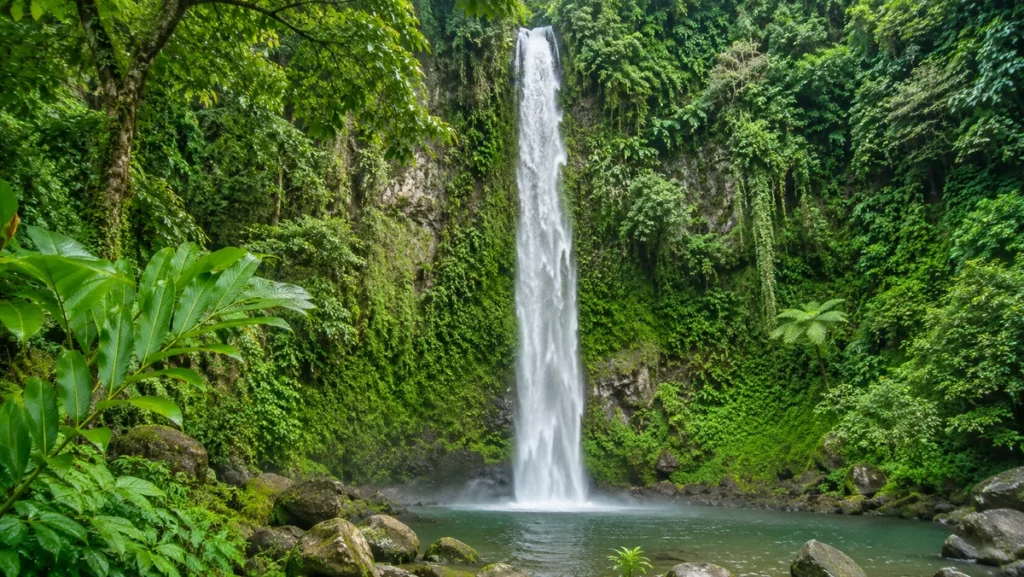
Katibawasan Falls, the Sunken Cemetery viewpoint, and White Island are among the main places to explore.
The island has small resorts, guesthouses, and local restaurants, making it appealing to travelers who prefer modest accommodation over large hotel complexes.
I’d allow four or five days, including some flexibility around weather-dependent excursions.
Best for: Couples, waterfalls, island exploration, and nature.
What to know: Flights and ferries are less frequent than in the Philippines’ main tourism hubs. Rough weather can affect transport.
14. Flores, Indonesia — Volcanic Lakes and Traditional Villages
Flores deserves attention from travelers who want to explore Indonesia beyond Bali.
The island has volcanic scenery, traditional villages, and long scenic drives.
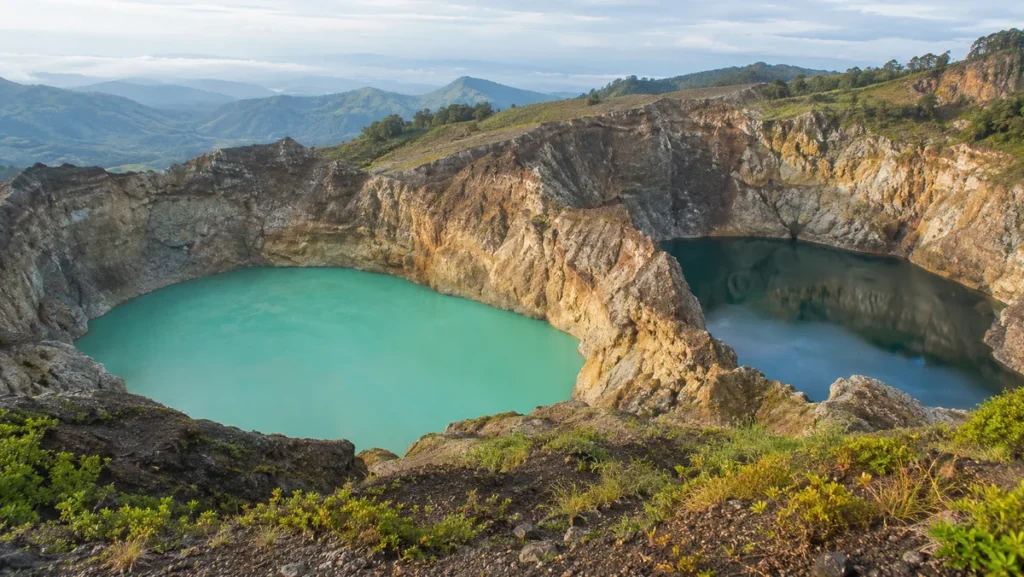
Mount Kelimutu is one of its best-known attractions, with crater lakes whose colors can change because of natural chemical processes.
Moni is a common base for visiting Kelimutu, while Ende provides transport connections.
I’d avoid trying to explore the whole island in a few days. Flores is large, and driving times can be surprisingly long.
Best for: Volcanoes, culture, landscapes, and road trips.
What to know: Mountain roads are winding, and traveling between major attractions requires patience.
15. Kuching, Malaysia — Rainforests and Wildlife
Kuching is one of the more accessible options for travelers interested in Malaysian Borneo.
The city has waterfront walks, museums, markets, and local food. Sarawak laksa and kolo mee are two dishes worth looking for.
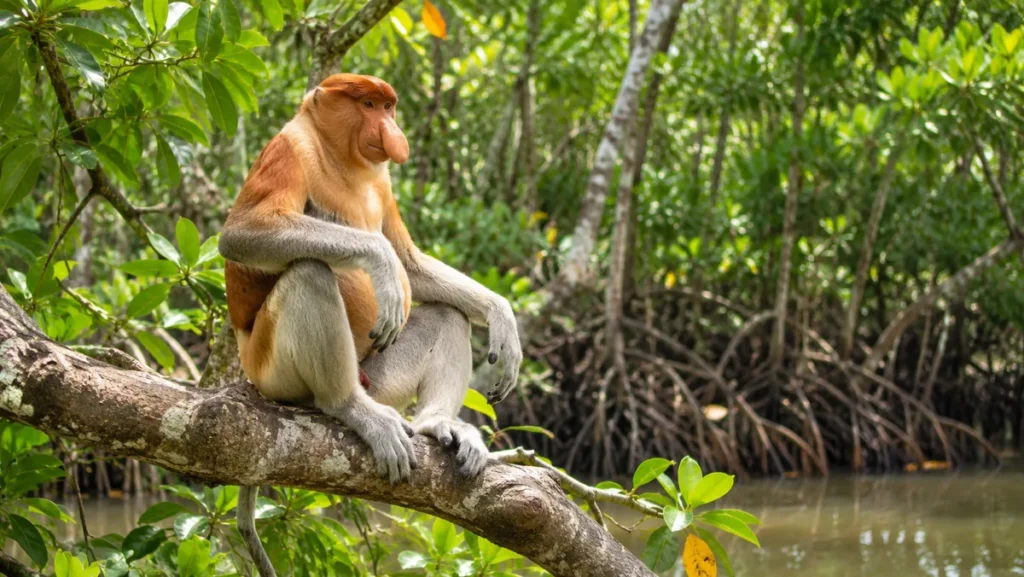
Nearby Semenggoh Nature Reserve is associated with orangutan conservation, while Bako National Park provides opportunities to observe proboscis monkeys and other wildlife.
Bako is reached by road from Kuching, followed by a boat ride that commonly takes around 20 minutes in suitable conditions.
Four or five days provide time for the city and several nature excursions.
Best for: Wildlife, food, local culture, and rainforest experiences.
What to know: Wildlife sightings aren’t guaranteed. Weather and sea conditions may also affect boat access to Bako.
Underrated Destinations in the Americas
For US travelers, the Americas offer a useful mix of relatively accessible vacation spots and more demanding adventures.
I included both because the experience of visiting a quiet Mexican town is very different from arranging a wildlife trip deep in Guyana.
16. Bacalar, Mexico — A Lagoon Instead of a Beach Resort
Bacalar is an appealing option for travelers who prefer quiet waterside activities to nightlife.
The town sits beside the Lagoon of Seven Colors, known for its beautiful shades of blue.
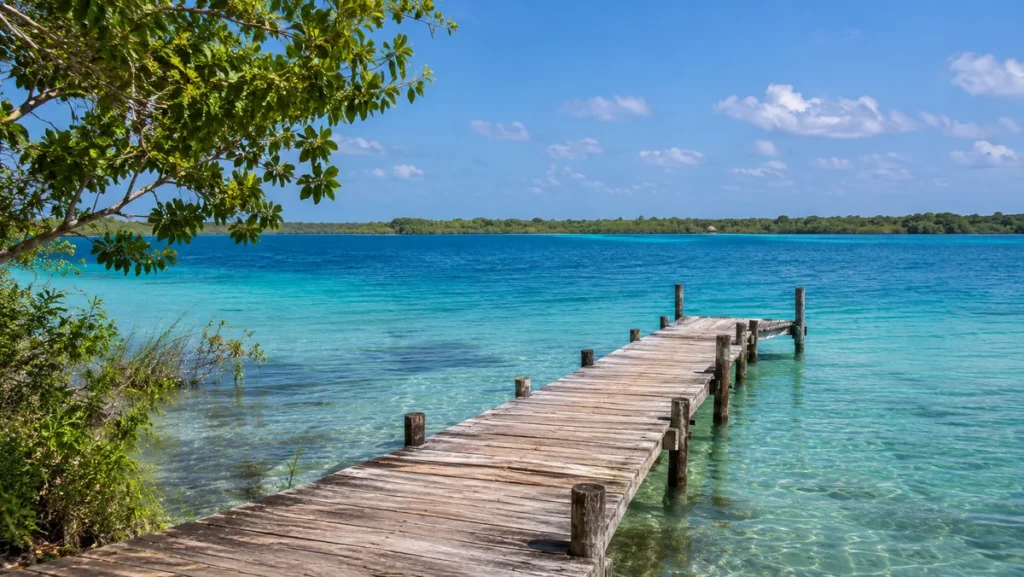
Kayaking, paddleboarding, and responsible lagoon tours are popular activities. Fort San Felipe adds an interesting historical stop.
Bacalar is usually reached by road from Chetumal or other parts of the Yucatán Peninsula.
I’d allow three or four days, with enough time to enjoy the lagoon without scheduling every hour.
Best for: Couples, kayaking, photography, and relaxed vacations.
What to know: Bacalar is increasingly popular and isn’t completely crowd-free. Its freshwater ecosystem is sensitive, so follow local environmental rules.
17. Minca, Colombia — Coffee Farms and Mountain Views
Minca is a good change of pace from Colombia’s Caribbean coast.
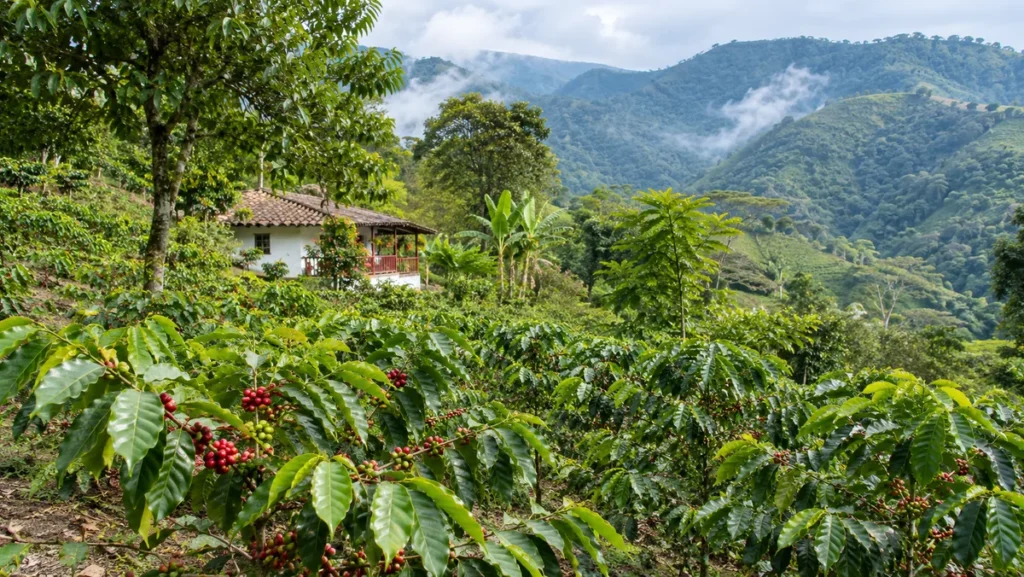
Located in the Sierra Nevada de Santa Marta mountains, the village is known for coffee farms, waterfalls, forest scenery, and hillside lodges.
Pozo Azul and Marinka Falls are popular stops, while coffee tours provide a closer look at regional agriculture.
Minca is relatively close to Santa Marta, making it convenient to include in a broader itinerary.
I’d stay at least two nights rather than rushing through on a day trip.
Best for: Coffee, nature, couples, and mountain retreats.
What to know: Popular attractions attract backpackers and day visitors. Some accommodation roads are steep or rough.
18. Sucre, Bolivia — Historic Streets and Affordable Travel
Sucre is one of the most appealing choices for travelers who enjoy historic cities at relatively modest prices.
The city has whitewashed buildings, traditional markets, churches, and public squares.
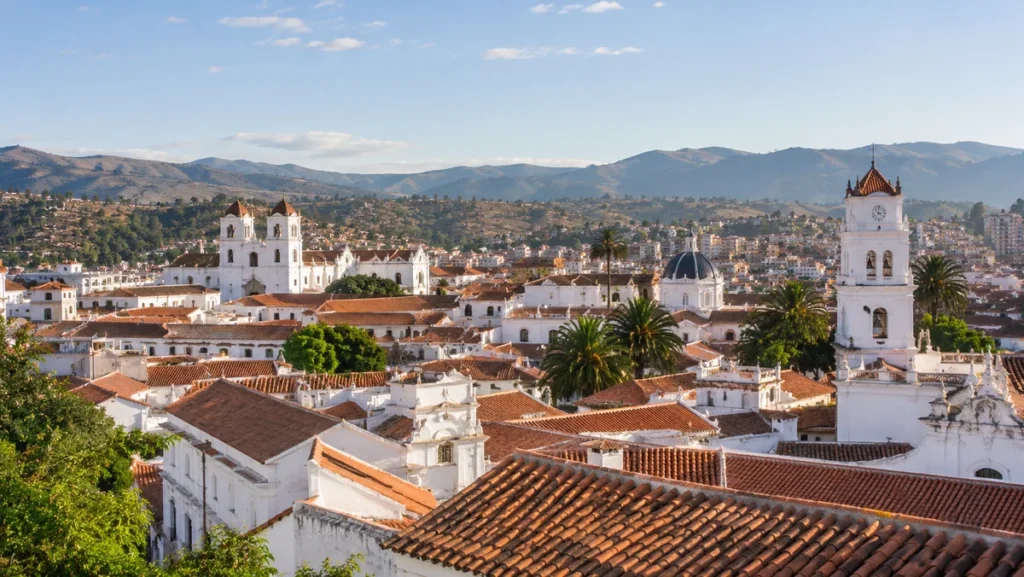
Casa de la Libertad is an important historical attraction, while the Recoleta area offers views over the city. Nearby Cal Orck’o is known for fossilized dinosaur footprints.
Three days would allow enough time for the main sights and a relaxed walk through the historic center.
Best for: Budget travel, architecture, history, and longer South American trips.
What to know: Sucre is around 2,800 meters above sea level. Visitors arriving from much lower elevations may need time to adjust.
19. Rupununi, Guyana — Savannah Wildlife and Community Tourism
The Rupununi is among the most adventurous destinations in this article.
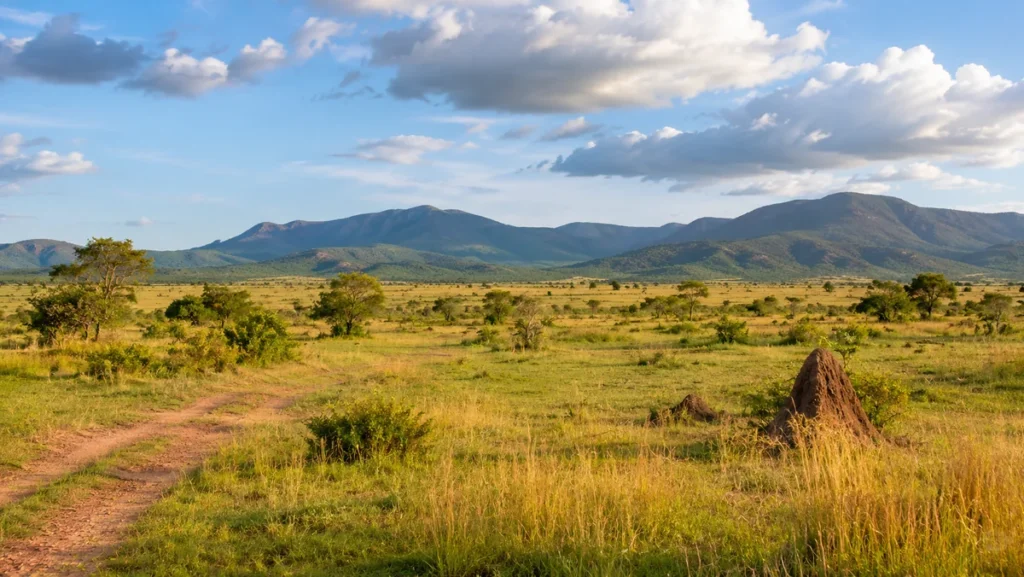
Its landscapes include open savannah, forests, rivers, and remote communities. Travelers may arrange guided wildlife excursions, birdwatching, and stays at community-operated lodges.
I find this destination most suitable for experienced travelers who are comfortable with limited infrastructure and carefully arranged transport.
Access may involve flights toward Lethem, long road journeys, or specialized lodge transfers.
Best for: Wildlife enthusiasts, birdwatchers, and experienced adventure travelers.
What to know: This destination requires additional safety consideration. As of November 2026, the US Department of State advises travelers to reconsider travel to Guyana because of crime, under a Level 3 advisory issued August 26, 2026. Remote medical access can also be difficult. Anyone considering the trip should review the official Guyana travel advisory, use Guyana Tourism Authority-approved operators, and consider medical evacuation insurance.
20. Great Basin National Park, Nevada — Dark Skies and Ancient Trees
Great Basin is an excellent US alternative for travelers interested in national parks beyond the famous southwestern routes.
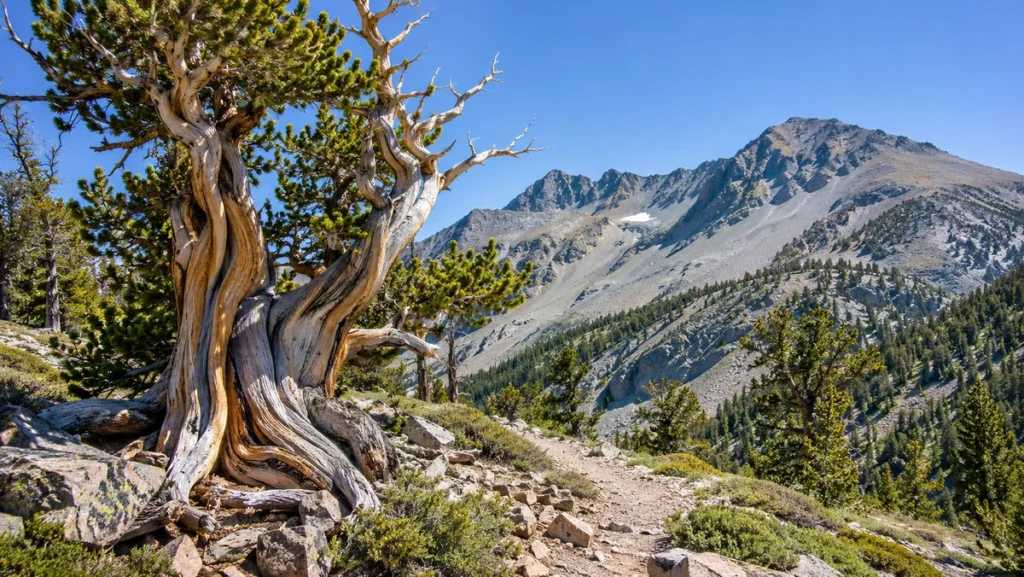
The park has high mountains, ancient bristlecone pines, limestone caves, and excellent conditions for stargazing.
Lehman Caves is a major attraction, and cave tours require reservations through Recreation.gov.
I’d spend two or three days here, allowing time for a cave tour, mountain scenery, and at least one clear evening beneath the stars.
The National Park Service provides current information about roads, facilities, and seasonal conditions.
Best for: Stargazing, hiking, geology, and road trips.
What to know: The park is remote, services are limited, and high mountain roads can close because of snow.
21. Bighorn Mountains, Wyoming — Wide-Open Mountain Scenery
The Bighorn Mountains are worth considering if you enjoy the American West but want an alternative to the most visited national parks.
The region has alpine lakes, forests, scenic roads, and hiking routes.
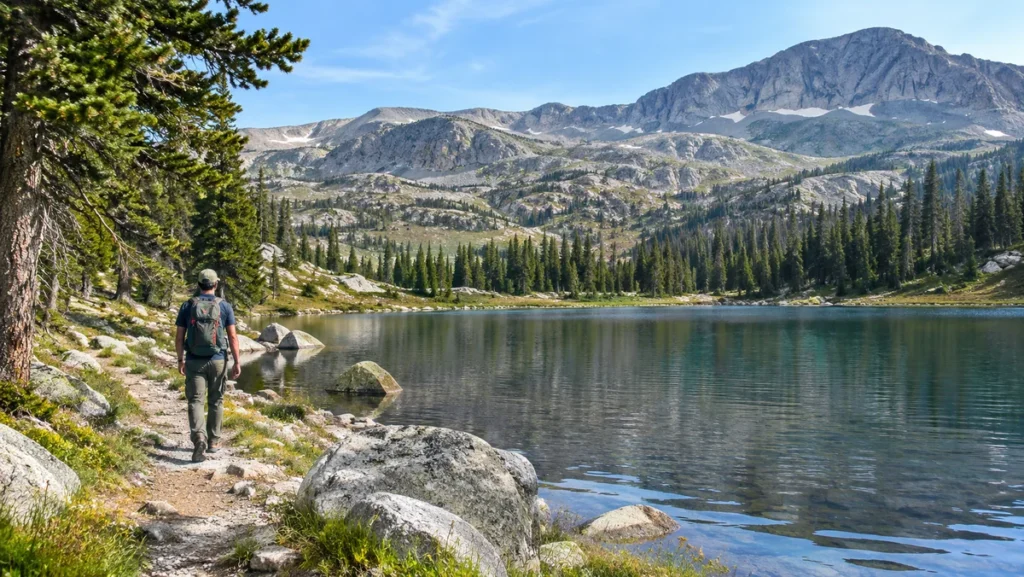
Buffalo and Sheridan make practical bases, while Cloud Peak Wilderness offers more demanding hiking opportunities.
I’d plan three to five days, especially if combining scenic drives and longer walks.
Best for: Hiking, camping, road trips, and mountain landscapes.
What to know: A car is essential for most visitors. High-elevation weather can change quickly, and some trails are remote.
Underrated Destinations in Africa
Africa has some remarkable lesser-known destinations, but I wouldn’t automatically classify them as inexpensive.
Remote islands, specialized wildlife lodges, and long ground transfers can make these trips costlier than a conventional beach holiday.
22. São Tomé and Príncipe — Tropical Forests and Quiet Beaches
São Tomé and Príncipe is one of the more unusual island destinations I’ve researched.
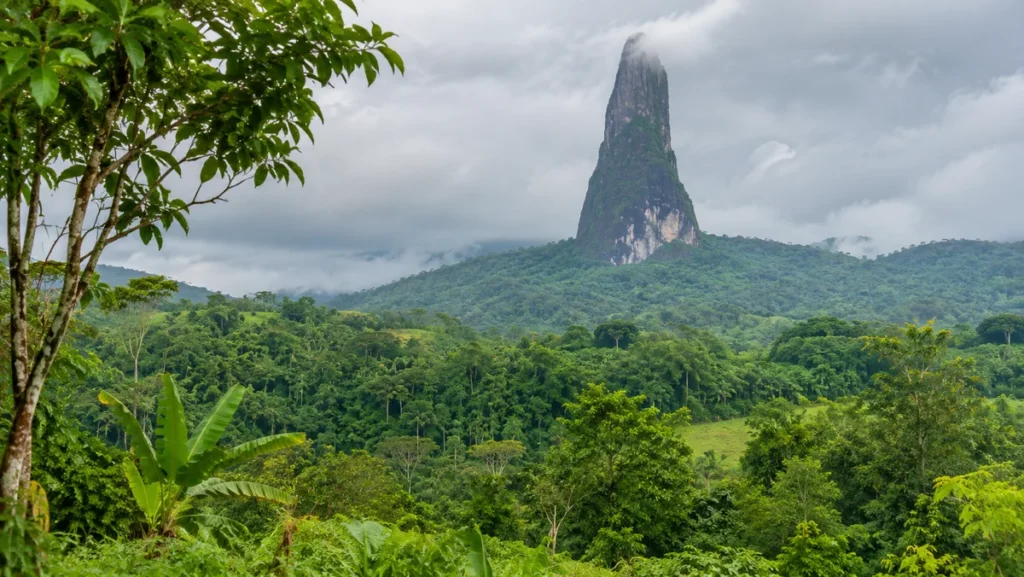
The small country lies in the Gulf of Guinea and has volcanic scenery, tropical forests, cacao plantations, and coastal villages.
Pico Cão Grande is one of its most recognizable natural landmarks.
Visitors can explore historic plantation estates, spend time on quiet beaches, and arrange guided rainforest walks.
Given the travel connections, I’d allow at least six days rather than planning a rushed island break.
Best for: Nature, photography, couples, and tropical landscapes.
What to know: International flights are limited, and some roads are challenging. Travel costs can increase quickly once transfers and guided activities are included. US visitors should also review the country’s current travel and health advisory.
23. Santo Antão, Cape Verde — Mountain Trails and Rural Villages
Santo Antão is one of the strongest destinations on this list for hiking.
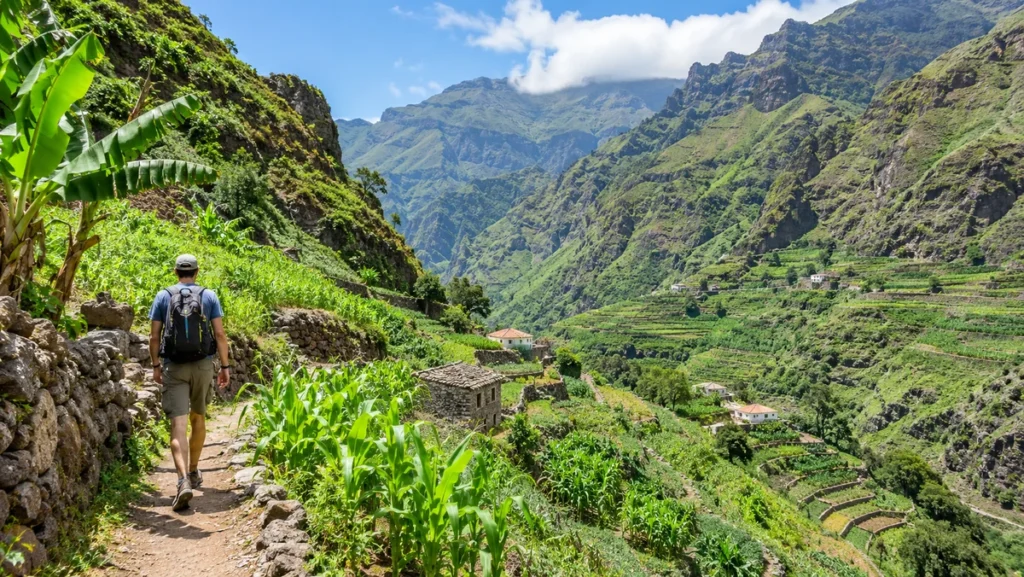
The island has steep valleys, dramatic mountains, and traditional villages. Paul Valley is particularly well known for its greenery and walking routes.
Ponta do Sol and Ribeira Grande provide useful places to explore and stay.
Travelers normally reach Santo Antão by ferry from neighboring São Vicente. The crossing typically takes about an hour, although schedules and sea conditions can change.
I’d allow four to six days for walking and exploring the villages.
Best for: Hiking, photography, traditional culture, and active holidays.
What to know: Some trails are steep and physically demanding. Ferry disruptions can affect onward connections.
24. Damaraland, Namibia — Desert Landscapes and Ancient Rock Art
Damaraland is one of the destinations I’d prioritize for a Namibia road trip.
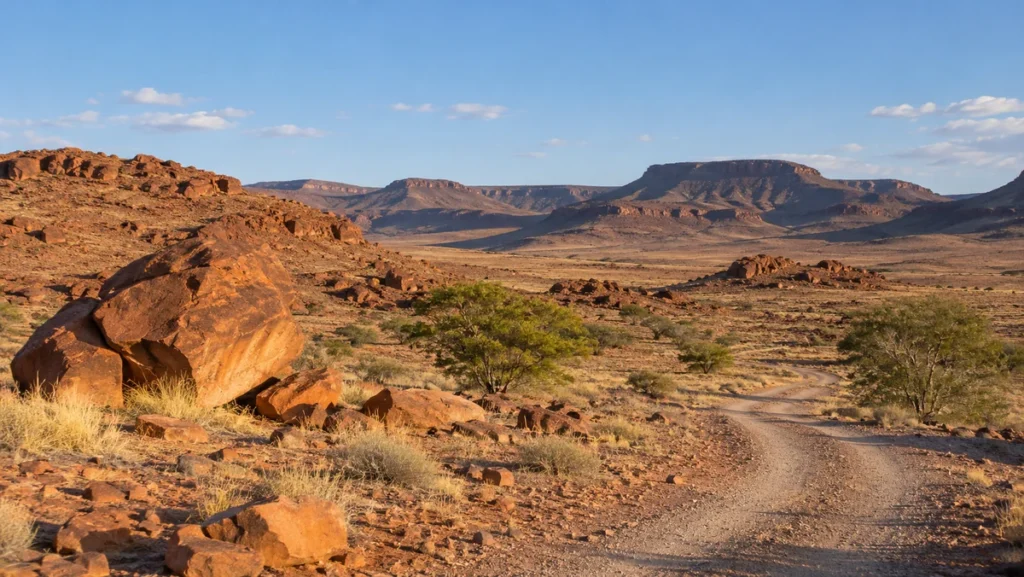
The region has rugged mountains, open desert landscapes, and unusual geological formations.
Twyfelfontein is known for its ancient rock engravings, while guided wildlife excursions may provide opportunities to observe desert-adapted elephants.
Damaraland fits naturally into a longer route connecting Namibia’s coast and Etosha National Park.
Three to five days would provide time for selected attractions without rushing between lodges.
Best for: Road trips, desert scenery, wildlife, and photography.
What to know: Gravel roads, long distances, limited fuel stops, and remote accommodation demand careful planning.
Underrated Destinations in Oceania
25. West Coast Tasmania, Australia — Rainforests and Wild Rivers
Tasmania’s west coast offers a different Australian experience from big cities and tropical beaches.
Strahan is a practical base for exploring the Gordon River and surrounding wilderness.
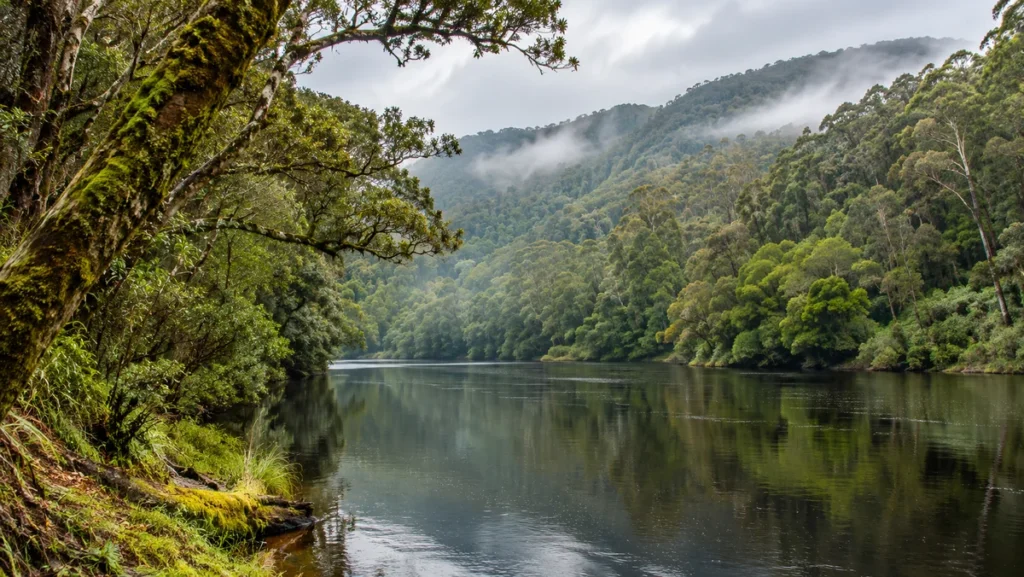
Queenstown has an interesting mining history, while the region’s roads pass through mountains, forests, and dramatic landscapes.
The area connects with the Tasmanian Wilderness World Heritage Area, adding to its appeal for nature lovers.
I’d spend four to six days exploring by car rather than trying to cover the region in a short stop.
Best for: Nature, scenic drives, rainforest walks, and photography.
What to know: Rain is common, driving takes time, and accommodation or organized cruises can be expensive during busy periods.
Underrated Alternatives to Famous Vacation Spots
One thing I find missing from many destination lists is a clear explanation of why someone should choose an unfamiliar place over a more famous one.
Instead of comparing popularity alone, I prefer to compare the experience.
| Famous Destination | Alternative | Why I’d Consider It | Main Trade-Off |
|---|---|---|---|
| Lake Como, Italy | Lake Ohrid, North Macedonia | Historic lakeside towns at generally lower prices | Fewer luxury tourism services |
| Swiss Alps | Soča Valley, Slovenia | Alpine scenery, hiking, and rafting | Guided activities can be expensive |
| Albanian Riviera resorts | Përmet, Albania | Mountains, rural culture, and thermal springs | No beach resort experience |
| Tulum, Mexico | Bacalar, Mexico | Relaxed lagoon activities | Freshwater lagoon instead of an ocean beach |
| Bali, Indonesia | Flores, Indonesia | Volcanic scenery and traditional villages | Slower road travel |
| Famous US national parks | Great Basin, Nevada | Dark skies, ancient trees, and caves | Remote location and limited facilities |
These places aren’t interchangeable.
For example, someone who enjoys Tulum’s nightlife may find Bacalar too quiet. A traveler looking for luxury mountain hotels might prefer Switzerland over a small Balkan town.
The better destination is the one that matches the experience you want, not simply the place with fewer visitors.
The Cheapest Underrated Destinations for Budget Travelers
Daily travel costs can be misleading, especially when international flights are expensive.
A destination where food and accommodation are inexpensive may still require a costly flight, an additional domestic connection, or a long private transfer.
To make the comparison easier, I calculated approximate seven-day spending from the daily budget estimates used earlier.
| Destination | Estimated Local Spending for 7 Days |
|---|---|
| Nong Khiaw, Laos | $245–455 |
| Sucre, Bolivia | $245–490 |
| Quy Nhon, Vietnam | $280–525 |
| Përmet, Albania | $315–525 |
| Khiva, Uzbekistan | $315–560 |
| Bucovina, Romania | $385–595 |
These totals assume shared accommodation, local meals, ordinary sightseeing, and basic daily transport. They exclude international airfare and major transfers.
If I were planning a one-week trip from the United States, I’d compare the full cost before choosing the destination with the cheapest daily rate.
Sometimes a slightly more expensive place with easier flight connections offers better overall value.
The Best Time to Visit Underrated Destinations
Seasonal conditions can shape the trip more than people expect.
I pay particular attention to mountain access, rainfall, sea conditions, and how busy a destination becomes during local holidays.
| Travel Season | Destinations I’d Consider | Main Advantage |
|---|---|---|
| December–February | Nong Khiaw, Bacalar, Santo Antão | Often favorable conditions for outdoor activities |
| March–May | Khiva, Albania, Lake Ohrid, Camiguin | Spring weather or favorable island conditions |
| June–August | Song-Kul, Durmitor, Svaneti, Bucovina | Better access to mountain regions |
| September–November | Khiva, Lake Ohrid, Bucovina, Sucre | Generally comfortable sightseeing periods |
These are seasonal planning guides rather than weather guarantees.
In mountain regions, I would check trail conditions before arranging demanding hikes. On islands, I would leave some flexibility around boat trips and flights.
How I Choose an Underrated Travel Destination
Finding somewhere beautiful is easy. Deciding whether it suits your travel style takes more thought.
When comparing lesser-known destinations, these are the factors I prioritize.
Total Travel Time
I start by looking at flight connections and the journey from the nearest major airport.
A cheap destination isn’t always good value if reaching it takes two days in each direction.
For a one-week vacation, I prefer places with manageable transfers. Remote regions such as the Rupununi and Damaraland make more sense when there’s time to explore them properly.
Local Transportation
Next, I check whether the attractions can be reached on foot, by public transport, or only with a rental car.
Khiva’s historic center is compact and walkable. Rural Romania and Bulgaria’s mountain regions are much easier with a car.
Distance on a map can also be misleading. Mountain roads and ferry connections may turn a short-looking journey into a lengthy transfer.
Accommodation and Food Costs
I compare total expenses rather than focusing on the cheapest hotel.
A low-cost room outside town may require expensive taxi rides. A guesthouse that includes meals can offer better value in a remote area.
I also consider whether restaurants, shops, and transport stops are within walking distance.
Safety and Entry Requirements
Before booking, I review official entry requirements, travel advisories, and any mandatory insurance rules.
For US travelers, the Department of State’s travel advisories are an important starting point.
Remote destinations require extra consideration, especially where medical care, phone coverage, or reliable transportation may be difficult to access.
The Destination’s Drawbacks
This is one of the most important things I consider.
Song-Kul isn’t suitable for someone expecting luxury accommodation. Damaraland requires careful transport planning. Bacalar is not a substitute for an ocean beach, and Minca is not always the peaceful retreat that photographs suggest.
Knowing what a place doesn’t offer can be just as useful as knowing its highlights.
Responsible Travel
Lesser-known destinations can change quickly when visitor numbers increase.
I look for locally operated guesthouses, responsible wildlife excursions, and businesses that support surrounding communities.
Respecting local customs, staying on established trails, and protecting fragile natural environments are equally important.
Traveling somewhere less famous should not come at the expense of the people or environment that make it special.
Final Thoughts
After comparing these 25 underrated travel destinations, I’ve come back to one simple conclusion: the best destination isn’t necessarily the most remote or least visited. It’s the place that offers the experience you’re looking for without unreasonable costs or travel complications.
For a relatively straightforward trip, I’d start with Lake Ohrid, Bucovina, Khiva, or Bacalar.
For mountain adventures, Durmitor, Svaneti, and Song-Kul stand out. Travelers with more time, a flexible budget, and experience planning remote trips may be drawn to Santo Antão or Damaraland.
The biggest decision I’d make before booking is how much time the journey itself will take. A destination can look extraordinary in photographs, but transportation, weather, and accommodation often determine how enjoyable the vacation becomes.
Sometimes going beyond the familiar tourist trail is worth the extra effort. Other times, a quieter town only a few hours from a popular destination is exactly what you need.