




Vietnam, Laos, India, Nepal, and Cambodia are among the cheapest countries to visit, with basic travel budgets starting around $25–45 per day. Albania, Bolivia, Morocco, and Mexico also offer excellent value. But for Americans, the cheapest country on the ground isn’t always the cheapest country to reach.
A week in Vietnam might cost just $245 after arrival, while a week in Mexico could cost $385. Once international flights are added, however, Mexico may be the more affordable vacation.
To make this comparison useful, I looked beyond hostel prices and cheap meals. This guide covers 20 affordable countries, estimated daily expenses, flight-inclusive budget examples, entry requirements, the best-value travel seasons, and hidden costs.
The estimates were reviewed in November 2026 and are intended as realistic planning ranges, not fixed prices.
Cheapest Countries to Visit at a Glance
| Country | Daily budget | 7-day local cost | Best for |
|---|---|---|---|
| India | $25–45 | $175–315 | Culture and food |
| Laos | $25–40 | $175–280 | Nature and slow travel |
| Nepal | $25–45 | $175–315 | Mountains and trekking |
| Vietnam | $25–45 | $175–315 | Food and scenery |
| Cambodia | $25–45 | $175–315 | Temples and history |
| Bolivia | $30–55 | $210–385 | Salt flats and landscapes |
| Sri Lanka | $30–55 | $210–385 | Trains, beaches, wildlife |
| Georgia | $35–60 | $245–420 | Mountains and cuisine |
| Indonesia | $35–60 | $245–420 | Islands and volcanoes |
| Malaysia | $35–60 | $245–420 | Street food and cities |
| Thailand | $35–60 | $245–420 | Beaches and easy travel |
| Guatemala | $35–60 | $245–420 | Lakes and Mayan heritage |
| Albania | $40–65 | $280–455 | Affordable European beaches |
| Bosnia and Herzegovina | $40–65 | $280–455 | History and mountain scenery |
| North Macedonia | $40–65 | $280–455 | Lakes and small cities |
| Morocco | $40–65 | $280–455 | Markets and desert scenery |
| Mexico | $40–70 | $280–490 | Food and shorter trips from the USA |
| Philippines | $40–70 | $280–490 | Tropical islands |
| Peru | $40–70 | $280–490 | Ancient sites and hiking |
| Romania | $45–75 | $315–525 | Castles and historic towns |
About these prices: Daily budgets are per person and assume hostels or basic guesthouses, inexpensive local food, public transportation, and limited paid sightseeing. The seven-day totals include seven nights of basic accommodation.
International flights, visa fees, travel insurance, and expensive tours are excluded. These countries are listed by approximate low-end spending rather than a definitive worldwide affordability ranking.
Guatemala currently has a US Level 3 Reconsider Travel advisory, so its inclusion reflects low travel costs rather than a general safety recommendation.
1. Vietnam — Best Overall for Cheap Travel
Estimated daily budget: $25–45
Vietnam combines inexpensive food, affordable accommodation, and remarkable scenery.
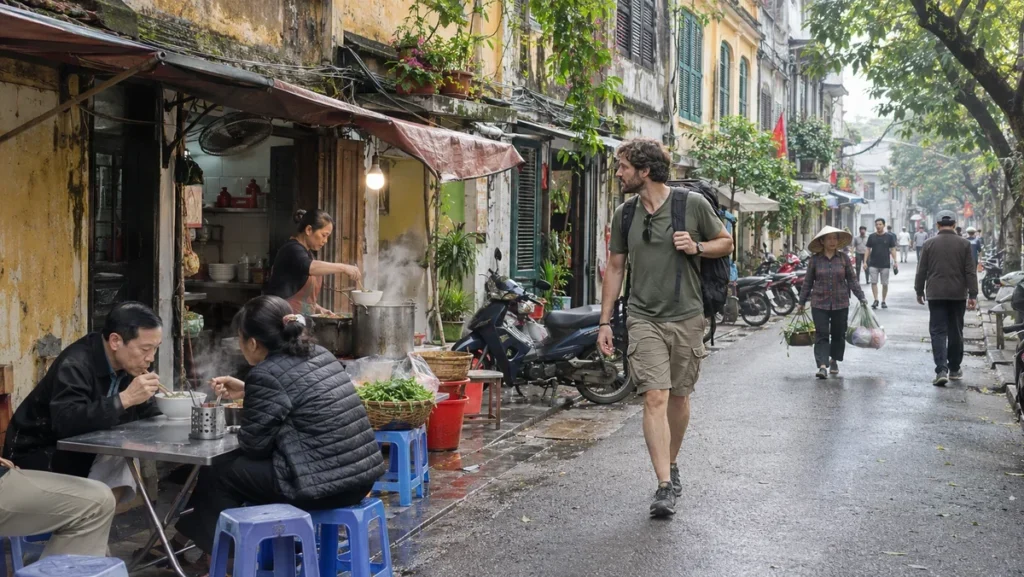
Hanoi is a practical starting point. The Old Quarter has small restaurants, street stalls, and budget guesthouses. A banh mi or bowl of pho often costs around 25,000–60,000 VND (approximately $1–2.50).
Ninh Binh is known for its limestone mountains and river scenery. Hoi An offers historic streets, while Da Nang has access to beaches and coastal attractions.
Budget accommodation commonly costs $7–20 per night. Buses and trains help keep transportation expenses manageable.
Best-value months: March–April and selected autumn months, depending on the region.
The downside: Vietnam is long and narrow. Traveling between Hanoi, Da Nang, and Ho Chi Minh City takes time and money.
For a one-week vacation, exploring northern or central Vietnam makes more sense than trying to see the entire country.
US citizens can apply through Vietnam’s official eVisa portal. Electronic visas may be issued for up to 90 days.
2. Laos — Best for Slow Travel and Nature
Estimated daily budget: $25–40
Laos is an appealing destination for travelers who prefer waterfalls, mountains, and riverside towns over busy resorts.
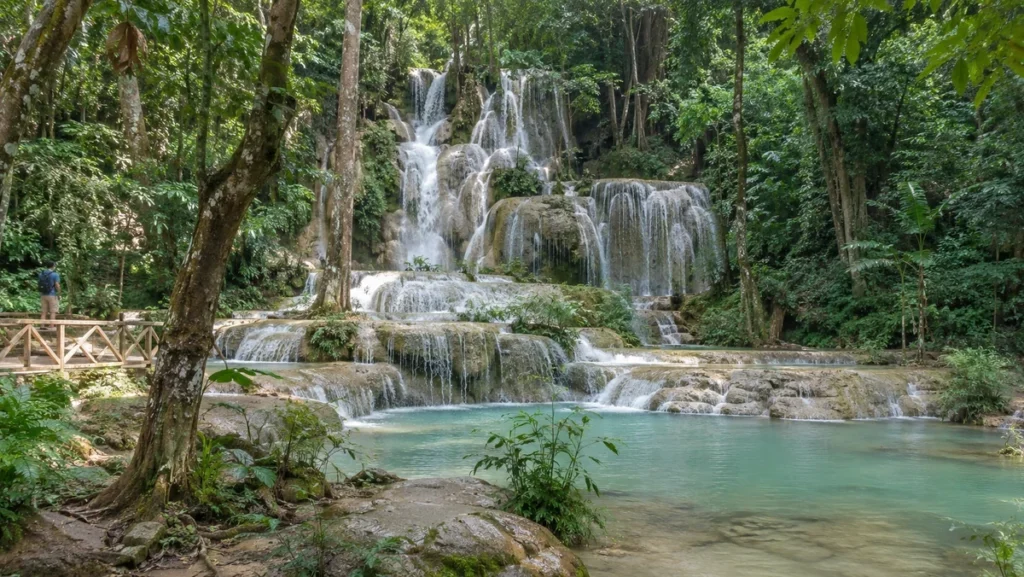
Luang Prabang has historic temples and nearby Kuang Si Waterfall. Vang Vieng is known for kayaking, caves, and limestone scenery. Don Det attracts travelers looking for a relaxed island atmosphere.
Basic guesthouses often cost $8–18 per night, while local meals commonly cost $2–5.
Public transportation is affordable, although road journeys can be slow.
Best-value months: November–February generally offers pleasant conditions.
The downside: Organized activities and long transfers can increase spending. Traveling too quickly also reduces the appeal of Laos.
The country is particularly suitable for travelers who can stay several nights in each destination rather than constantly moving.
3. India — Best for Culture and Extremely Low Daily Costs
Estimated daily budget: $25–45
India offers tremendous variety at relatively low prices.
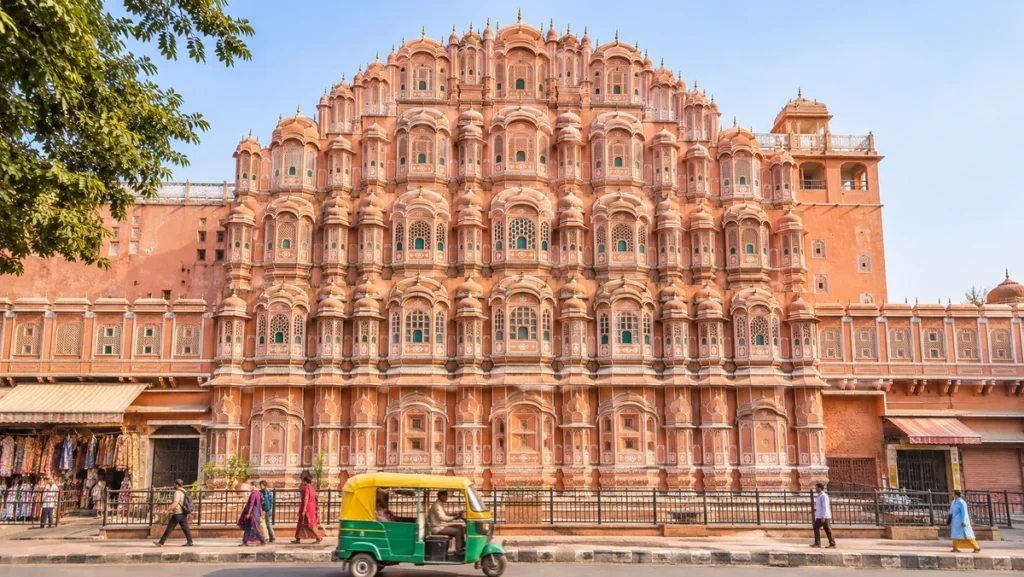
Rajasthan has historic forts and palaces. Kerala offers waterways and coastal towns, while Rishikesh attracts visitors interested in yoga and mountain scenery.
Simple hostel beds can cost approximately 300–900 INR ($3–10) per night. Local vegetarian meals often range from 100–300 INR ($1–3.50).
Trains can be an economical way to travel long distances, particularly when booked in advance.
Best-value months: October–March for many northern destinations. Southern regions and mountain areas have different seasons.
The downside: India is enormous. Long journeys can consume more vacation time than expected, and some major attractions charge foreign visitors higher entrance fees.
For a first visit, choose one region rather than attempting to combine Delhi, Rajasthan, Goa, and Kerala in a single week.
4. Nepal — Best for Affordable Mountain Adventures
Estimated daily budget: $25–45
Nepal is an excellent option for travelers who love mountain scenery.
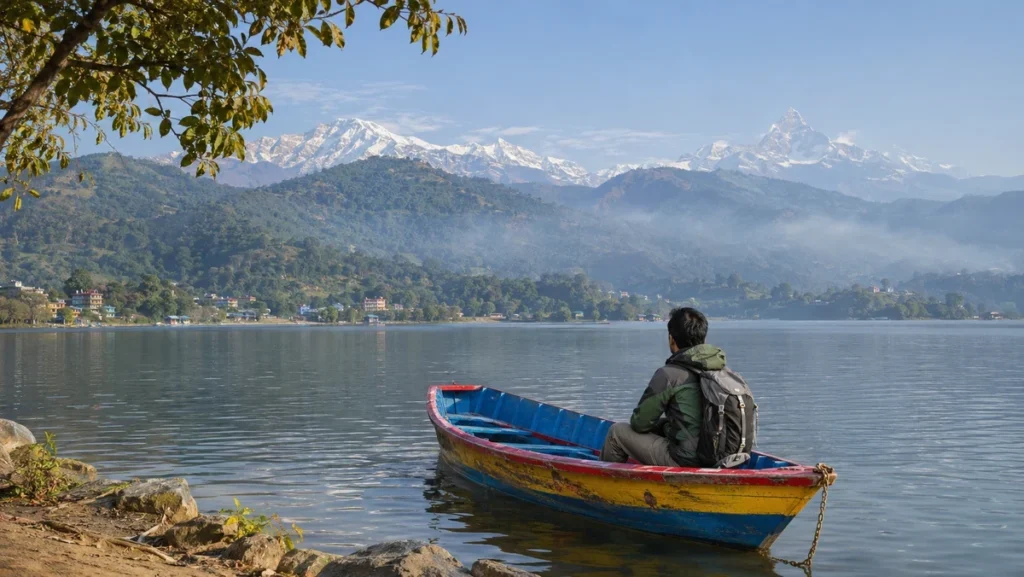
Kathmandu has historic temples, traditional markets, and inexpensive guesthouses. Pokhara offers lakeside accommodation and access to the Annapurna region.
Simple rooms commonly cost $8–20 per night. Local dishes such as dal bhat and momos may cost $2–5.
Local buses help reduce expenses, although mountain journeys can be slow.
Best-value months: March–April and October–November for many trekking destinations.
The downside: Mountain trekking can cost considerably more than ordinary city travel. Guides, permits, accommodation, and domestic flights must be calculated separately.
American tourists can generally obtain a paid visa on arrival. Nepal’s standard tourist visa fees are $30 for 15 days, $50 for 30 days, or $125 for 90 days, according to the Nepal Tourism Board.
A relaxed week in Kathmandu and Pokhara is far less expensive than an organized Everest Base Camp trek.
5. Cambodia — Best for Temples and History
Estimated daily budget: $25–45
Cambodia combines affordable everyday expenses with some of Southeast Asia’s most important historical attractions.

Siem Reap is the main base for visiting Angkor Wat. Phnom Penh offers museums and historical sites, while Kampot is a quieter alternative.
Budget guesthouses commonly cost $8–20 per night. Simple local meals often cost $2–5.
The biggest attraction-related expense is Angkor Archaeological Park. A one-day pass costs $37, while a three-day pass costs $62 through Angkor Enterprise.
Best-value months: November–February.
The downside: Temple tickets, local transport, and guides can make sightseeing days much more expensive than ordinary days.
Cambodia remains affordable, but the main attractions deserve a separate allowance. US tourists generally need a tourist visa, with a standard eVisa costing approximately $30.
6. Bolivia — Best for Dramatic Landscapes
Estimated daily budget: $30–55
Bolivia is one of South America’s more affordable countries for independent travelers.

La Paz has markets, museums, and a cable-car transport system. Sucre offers colonial architecture, while Lake Titicaca provides beautiful high-altitude scenery.
Budget guesthouses often cost $10–25 per night. Inexpensive local meals commonly range from $3–6.
The country’s most famous attraction is Salar de Uyuni, an enormous salt flat known for its striking scenery.
Best-value months: May–October for generally drier conditions.
The downside: Multi-day salt-flat excursions can cost substantially more than everyday backpacking. High altitude also requires careful preparation.
As of November 2026, US citizens generally do not need a visa for tourism or business visits of less than 90 days in a year.
Bolivia is excellent value for travelers who enjoy natural landscapes, but major excursions should be budgeted separately.
7. Sri Lanka — Best for Scenic Train Journeys
Estimated daily budget: $30–55
Sri Lanka packs beaches, tea-growing hills, wildlife, and historic towns into a relatively small island.

Kandy and Ella are popular for scenic train journeys. Galle has a historic coastal fort, while Mirissa attracts beach travelers.
Budget guesthouses often cost around $10–25 per night. Local rice-and-curry meals can be inexpensive, particularly away from tourist-focused restaurants.
Trains and buses usually cost much less than hiring a private driver.
Best-value months: December–March for much of the south and west. The east coast has a different weather pattern.
The downside: Wildlife safaris, major heritage attractions, and private transfers can increase spending quickly.
Sri Lanka rewards slower travel. Choosing two or three connected destinations is usually more economical than moving to a new town every day.
8. Georgia — Best for Mountains and Traditional Food
Estimated daily budget: $35–60
Georgia, the country in the Caucasus, combines mountain scenery, historic streets, and traditional cuisine.
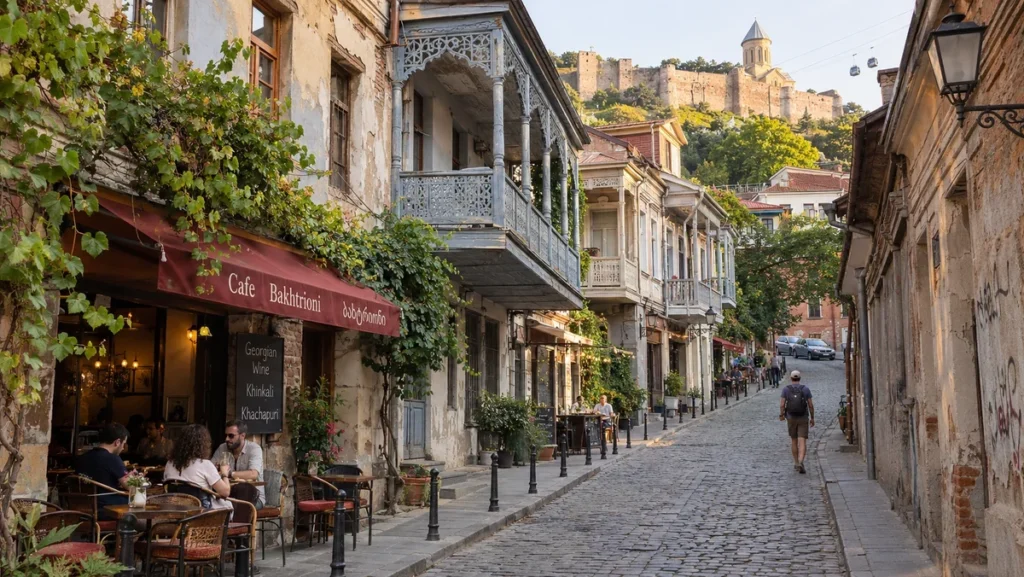
Tbilisi has old neighborhoods, sulfur baths, and affordable restaurants. Kutaisi provides another city base, while Kazbegi is popular for mountain scenery.
Basic guesthouses commonly cost $12–30 per night. Traditional dishes such as khinkali and khachapuri can provide filling meals at reasonable prices.
Shared minibuses, known as marshrutkas, help keep intercity transport affordable.
Best-value months: May–June and September–October.
The downside: Private mountain excursions, winter transportation, and accommodation in popular tourist areas can increase costs.
Since January 1, 2026, tourists entering Georgia have been required to hold valid health and accident insurance. The Georgian National Tourism Administration provides official guidance.
9. Indonesia — Best for Affordable Island Adventures
Estimated daily budget: $35–60
Indonesia can be inexpensive, but choosing the right island makes a considerable difference.
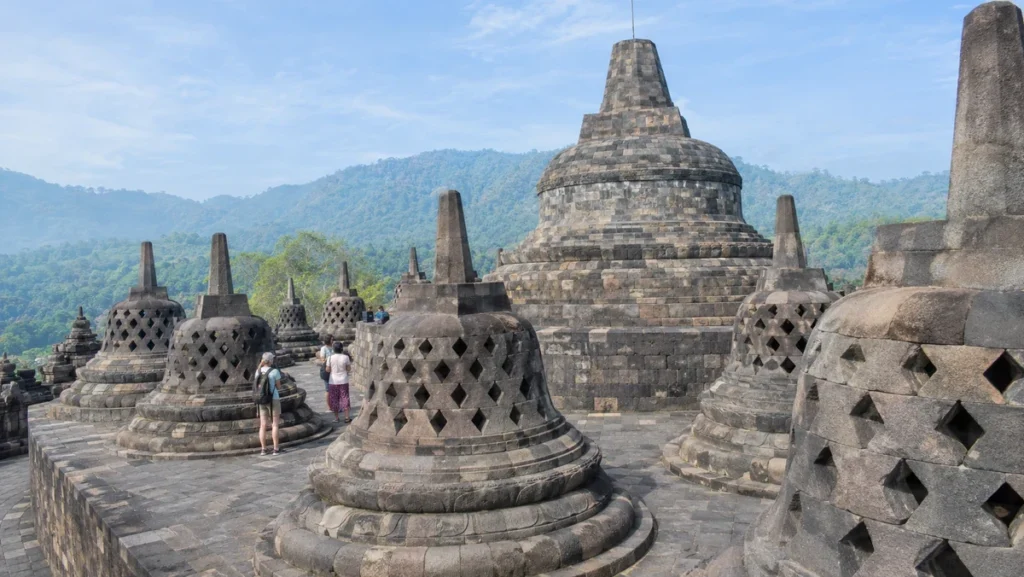
Bali offers many accommodation options, although popular areas such as Canggu and Seminyak are not always cheap.
Yogyakarta, parts of Java, and Lombok can offer better value.
Basic guesthouses commonly cost $10–25 per night. Meals at local warungs often cost $2–5.
Yogyakarta is a particularly useful base for travelers interested in traditional food, markets, and nearby temples.
Best-value months: April–June and September–October for many popular destinations.
The downside: Domestic flights, ferries, diving, and organized activities can make island hopping expensive.
For a short budget vacation, staying on one island is usually more economical than visiting several distant destinations.
10. Malaysia — Best for Food and Public Transportation
Estimated daily budget: $35–60
Malaysia is a practical choice for travelers who want good infrastructure without spending Western European prices.

Kuala Lumpur has affordable hotels, trains, shopping districts, and major attractions. Penang is especially appealing for food, while Melaka offers historic streets and colonial-era architecture.
Meals at hawker centers commonly cost RM 6–15 (approximately $1.50–4).
Budget accommodation often ranges from $10–30 per night.
Best-value months: February–April for many west-coast destinations, although weather differs by region.
The downside: Alcohol, diving, private island resorts, and tourist taxes can increase the budget.
For food lovers, Kuala Lumpur and Penang offer a particularly good combination of convenience and affordability.
11. Thailand — Best for First-Time Budget Travelers
Estimated daily budget: $35–60
Thailand is not always Southeast Asia’s cheapest destination, but its established tourism network makes independent travel relatively straightforward.

Bangkok has affordable public transport, markets, and accommodation. Chiang Mai is popular for temples and northern Thai food.
Koh Chang and Koh Lanta are worth considering for beach vacations, although island expenses can exceed mainland budgets.
Simple local meals often cost 60–150 THB (approximately $2–4.50). Basic guesthouses commonly range from $12–30 per night.
Best-value months: November–February for much of the country, with potential savings during shoulder periods.
The downside: Island ferries, diving, nightlife, and beach clubs can raise daily spending substantially.
As of September 15, 2026, US citizens can generally enter Thailand without a tourist visa for up to 30 days, subject to entry conditions. Travelers must also complete the Thailand Digital Arrival Card.
The Royal Thai Embassy publishes current entry guidance.
12. Guatemala — Affordable, but Safety Requires Careful Consideration
Estimated daily budget: $35–60
Guatemala has impressive cultural and natural attractions.
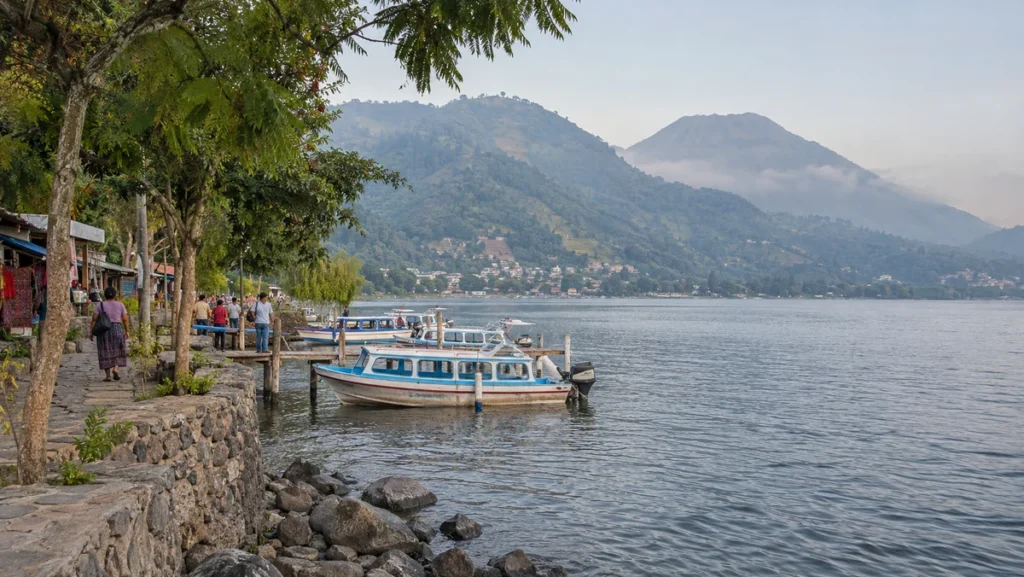
Antigua is known for historic architecture and surrounding volcanoes. Lake Atitlán has mountain scenery and lakeside villages, while Tikal is an important Mayan archaeological site.
Basic guesthouses commonly cost $12–25 per night. Inexpensive local meals often range from $3–7.
Best-value months: May–October can bring lower accommodation prices in some areas, although this is also the rainy season.
The downside: Guatemala was under a US State Department Level 3 Reconsider Travel advisory in November 2026 due to security concerns.
That warning is an important part of deciding whether the destination is suitable, regardless of its low prices.
Review the official Guatemala Travel Advisory and any regional restrictions before making travel plans.
13. Albania — Best for Affordable European Beaches
Estimated daily budget: $40–65
Albania offers Mediterranean scenery without the usual prices associated with some of Europe’s famous coastal destinations.
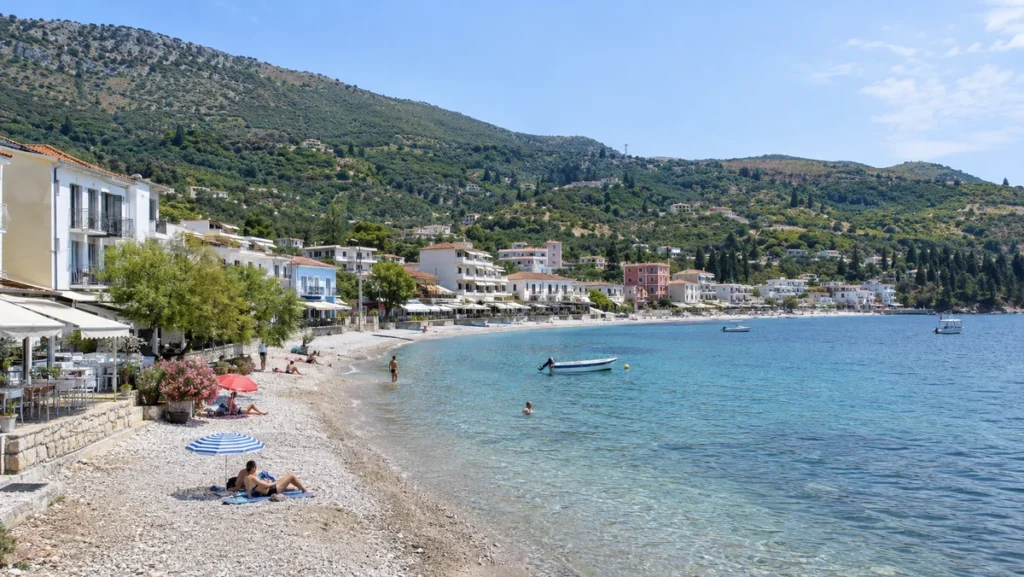
Tirana has cafés, museums, and inexpensive restaurants. Berat is known for its historic houses, while Himarë provides access to the Albanian Riviera.
Outside peak summer periods, basic rooms often cost around $15–35 per night.
Local buses and shared transportation can reduce expenses, although journeys are not always fast.
Best-value months: May–June and September.
The downside: Ksamil and other popular coastal areas become considerably more expensive in July and August.
Albania is especially attractive during the shoulder season, when accommodation can be cheaper and beaches less crowded.
US citizens generally do not need a visa for stays of up to one year, subject to entry conditions.
14. Bosnia and Herzegovina — Best for History and Scenic Towns
Estimated daily budget: $40–65
Bosnia and Herzegovina offers historic cities, mountain landscapes, and relatively affordable accommodation.

Sarajevo is a compelling destination for learning about the country’s history. Mostar is known for its old bridge and Ottoman-era architecture.
Simple guesthouses often cost around $12–30 per night. Casual meals commonly range from $5–10.
Intercity buses connect many destinations, although journey times can be longer than expected.
Best-value months: May–June and September–October.
The downside: Public transportation is less convenient in some rural areas, and reaching remote mountain destinations can require additional planning.
For a one-week vacation, splitting time between Sarajevo and Mostar is a practical starting point.
15. North Macedonia — Best for Lakeside Travel
Estimated daily budget: $40–65
North Macedonia is one of Europe’s less expensive destinations.

Skopje has museums, historic neighborhoods, and markets. Ohrid is known for its lake, historic churches, and waterfront scenery.
Basic guesthouses commonly cost $15–30 per night, while meals at casual restaurants may cost $5–10.
Buses are generally inexpensive, and the country’s compact size helps reduce travel costs.
Best-value months: May–June and September.
The downside: Lake Ohrid attracts more visitors during summer, when accommodation rates tend to rise.
A seven-day trip divided between Skopje and Ohrid is a manageable option for travelers interested in affordable European travel.
16. Morocco — Best for Markets and Desert Landscapes
Estimated daily budget: $40–65
Morocco combines traditional markets, historic medinas, mountain scenery, and coastal towns.
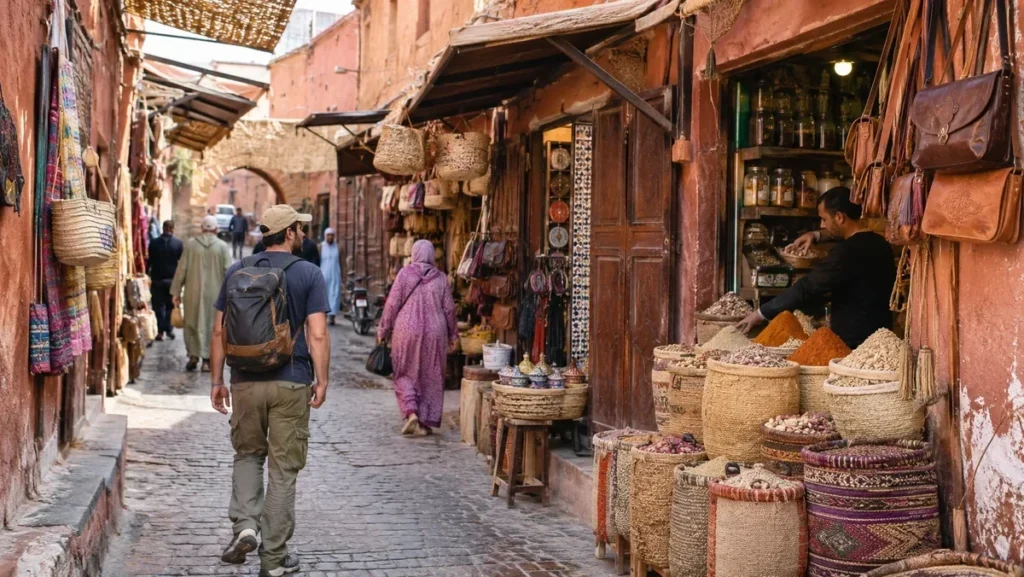
Marrakech has busy souks and historic architecture. Fez is known for its old medina, while Essaouira offers a more relaxed coastal experience.
Basic riads and guesthouses commonly cost $15–35 per night.
Local dishes such as tagine and couscous often cost around 35–80 MAD (approximately $4–9).
Trains connect several major cities, making independent travel practical.
Best-value months: March–May and September–November.
The downside: Sahara Desert tours, private drivers, and tourist-oriented restaurants can raise expenses considerably.
For a short budget vacation, combining Marrakech and Essaouira is simpler than trying to cover the Sahara, Fez, and several coastal destinations in one week.
17. Mexico — Best for Affordable Trips From the USA
Estimated daily budget: $40–70
Mexico deserves special attention from American travelers because its total vacation cost can be lower than that of distant countries with cheaper everyday expenses.

Mexico City has an extensive metro system, museums, markets, and historic neighborhoods.
Oaxaca is known for food and traditional culture, while Mérida provides access to attractions in the Yucatán Peninsula.
Street tacos often cost around MXN 20–40 each (approximately $1–2.25). Basic accommodation commonly ranges from $15–35 per night.
Best-value months: April–May and October–November for many inland destinations.
The downside: Cancún, Tulum, and upscale coastal resorts can cost considerably more than Mexico City or smaller inland towns.
US citizens generally do not need a tourist visa for visits of up to 180 days, although the actual period of admission is determined by Mexican immigration authorities.
Safety varies significantly by state. Research your specific destination rather than treating the entire country as equally suitable for travel.
18. Philippines — Best for Tropical Beaches
Estimated daily budget: $40–70
The Philippines is appealing to travelers who prioritize beaches, snorkeling, and island scenery.
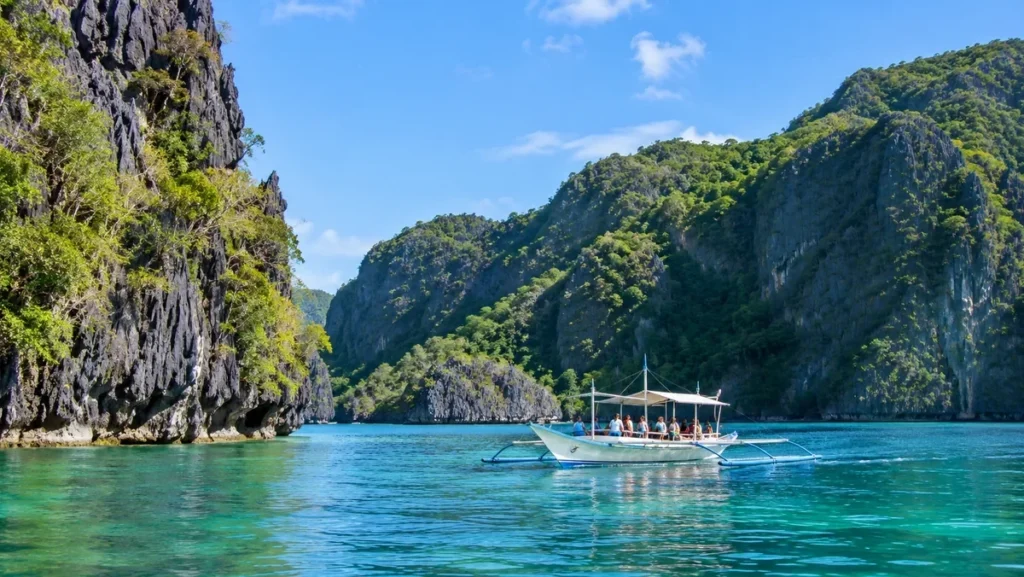
Bohol, Cebu, Siquijor, and Palawan all provide different coastal experiences.
Budget guesthouses commonly cost $12–30 per night, while simple meals often range from $3–7.
Accommodation and everyday food can be inexpensive outside the most popular resort areas.
Best-value months: December–April for many destinations, with regional differences.
The downside: Domestic flights, ferries, island-hopping tours, and weather-related delays can make the final budget unpredictable.
For a short trip, choose one island group instead of constantly moving between airports and ferry terminals.
19. Peru — Best for Ancient Sites and Hiking
Estimated daily budget: $40–70
Peru combines ancient history, mountain scenery, and excellent regional food.
Cusco is the main starting point for visiting the Sacred Valley and Machu Picchu.

Arequipa provides access to Colca Canyon, while Lima offers museums, historic neighborhoods, and a notable food scene.
Budget accommodation commonly costs $12–30 per night. Simple local lunches may cost around 12–25 PEN (approximately $3–7).
Best-value months: May–September for many Andean destinations, although this is also a popular tourist season.
The downside: Machu Picchu tickets, trains, guided hikes, and organized excursions can add hundreds of dollars.
A low-cost hotel in Cusco does not make an entire Machu Picchu itinerary inexpensive. Calculate major attraction costs before booking.
20. Romania — Best for Castles and Historic Towns
Estimated daily budget: $45–75
Romania is a good option for travelers interested in medieval towns, mountain scenery, and European history.

Brașov is a useful base for exploring Transylvania. Sibiu has an attractive historic center, while Bucharest offers museums, parks, and urban attractions.
Budget accommodation commonly costs $15–35 per night. Casual restaurant meals may range from $6–12.
Trains and buses connect many major destinations, although some routes are slower than expected.
Best-value months: May–June and September–October.
The downside: Popular mountain resorts, centrally located hotels, and major attractions can increase spending.
Romania is generally more affordable than many Western European destinations, but its cheapest towns and most popular tourist areas can have very different prices.
Cheapest Countries to Visit From the USA, Including Flights
International airfare can completely change which country offers the cheapest vacation.
A destination costing $30 per day may be more expensive for a one-week trip than another costing $55 per day if the flight is substantially more expensive.
Here are five illustrative seven-night vacation scenarios.
| Country | Example round-trip flight budget | Daily local budget | Total for 7 nights |
|---|---|---|---|
| Mexico | $400 | $55 | $785 |
| Vietnam | $900 | $35 | $1,145 |
| Albania | $800 | $50 | $1,150 |
| Thailand | $950 | $45 | $1,265 |
| Morocco | $750 | $50 | $1,100 |
These airfare amounts are planning assumptions, not live flight quotes. They illustrate the effect of airfare on the final trip cost. Actual prices depend on departure airport, destination, travel dates, demand, baggage allowance, and connection times.
The totals include seven nights of estimated local spending but exclude visa fees, insurance, and major excursions.
For American travelers planning shorter vacations, Mexico may have a clear advantage because of its proximity and range of flight connections.
For longer trips, countries with lower daily expenses become increasingly attractive.
How Trip Length Changes the Budget
Longer vacations can make distant budget destinations more economical.
Using the same illustrative airfare and daily-spending assumptions, here’s how Mexico and Vietnam compare.
| Trip length | Mexico | Vietnam |
|---|---|---|
| 7 nights | $785 | $1,145 |
| 14 nights | $1,170 | $1,390 |
| 21 nights | $1,555 | $1,635 |
| 28 nights | $1,940 | $1,880 |
In this example, Vietnam becomes cheaper after 25 nights because its lower daily spending eventually offsets the higher assumed airfare.
This doesn’t mean Vietnam is always cheaper for a month. It demonstrates why travelers should consider the full length of a trip before comparing destinations.
Cheapest Countries to Visit With a $1,000 Budget
An international vacation for less than $1,000 is possible, but airfare usually determines whether the numbers work.
Mexico is one of the first destinations worth comparing, particularly when inexpensive flights are available.
Here is an illustrative seven-night Mexico City budget for one person.
| Expense | Example budget |
|---|---|
| Round-trip economy flight | $400 |
| Seven nights of budget accommodation | $175 |
| Food | $126 |
| Local transportation | $35 |
| Sightseeing | $49 |
| Subtotal | $785 |
| Extra spending allowance | $115 |
| Total planning budget | $900 |
This is a sample budget, not a guaranteed booking price. The airfare is assumed rather than quoted, and optional tours, checked baggage, insurance, and emergencies may require extra funds.
The example also assumes inexpensive accommodation, local meals, and public transportation.
For destinations such as Vietnam, Thailand, or Albania, staying below $1,000 including flights may be possible with an unusually favorable ticket price, but it should not be assumed.
A budget of $1,500 provides considerably more flexibility.
Cheapest Countries by Travel Style
The best affordable destination depends on what you want from the trip.
| Traveler type | Countries worth considering | Main advantage |
|---|---|---|
| Solo backpackers | Vietnam, Laos, India, Nepal | Low everyday expenses |
| Couples | Albania, Mexico, Thailand, Morocco | Shared accommodation costs |
| First-time travelers | Malaysia, Thailand, selected areas of Mexico | Established tourism infrastructure |
| Beach lovers | Albania, Sri Lanka, Thailand, Philippines | Affordable coastal options |
| History enthusiasts | Cambodia, Peru, Romania, Bosnia and Herzegovina | Historic attractions |
| Mountain lovers | Nepal, Georgia, Bolivia | Hiking and scenery |
| Long-stay travelers | India, Laos, Vietnam | Lower daily costs over time |
These suggestions describe budget and travel-style suitability, not universal safety guarantees.
Best Cheap Countries for Couples
Couples can save money by sharing accommodation.
Albania is appealing for Mediterranean-style vacations outside peak summer. Morocco has affordable guesthouses and historic cities, while Thailand combines beaches with reasonably priced inland destinations.
However, couples wanting private hotels and frequent paid activities should budget more than the hostel-based figures in the main table.
Best Cheap Countries for First-Time Travelers
Malaysia and Thailand are good starting points for travelers who value established tourism services and transportation.
Selected destinations in Mexico can also be convenient for Americans because of shorter flights.
Comfort and convenience still need to be balanced against current entry requirements and destination-specific safety conditions.
Cheapest Countries by Region
Cheapest Countries in Asia
India, Laos, Nepal, Vietnam, and Cambodia are among the strongest options for low daily expenses.
Thailand, Indonesia, Malaysia, and Sri Lanka can offer a different balance of comfort, transport, beaches, and cultural attractions.
Cheapest Countries in Europe
Albania, Bosnia and Herzegovina, North Macedonia, and Romania are worth comparing.
All four can be considerably cheaper than many popular destinations in Western and Northern Europe, particularly outside the busiest tourist periods.
Cheapest Countries in Latin America
Bolivia and selected destinations in Mexico and Peru can offer good value.
For US travelers, Mexico’s flight connections may make it the more economical choice for shorter vacations.
Affordable Countries in Africa
Morocco is an appealing option for historic cities, markets, inexpensive food, and guesthouse accommodation.
Desert tours and private transportation, however, can increase the overall cost substantially.
Best Time to Visit Cheap Countries
The cheapest season isn’t always the most enjoyable.
A hotel room may cost less during the rainy season, but difficult weather can interfere with hiking, sightseeing, ferry services, and beach activities.
| Region | Often good-value periods | Main consideration |
|---|---|---|
| Southeast Asia | Shoulder seasons around popular dry periods | Rainfall differs by country and coast |
| South Asia | Outside major holidays and peak tourist periods | Monsoons and extreme temperatures |
| Balkans | May–June and September | Higher coastal prices in July and August |
| Morocco | Spring and autumn | Summer heat in inland cities |
| Mexico | Shoulder periods outside major holidays | Regional rain and hurricane risks |
| Andes | Depends on elevation and activity | Wet-season access and trekking conditions |
For Albania, September can provide a better balance of prices and weather than August.
For Vietnam, the best season depends on whether you’re visiting Hanoi, Hoi An, or the south.
For Thailand, the northern mountains and southern islands don’t always share the same ideal travel dates.
The most useful approach is to compare weather and accommodation prices for the specific region you plan to visit.
Hidden Costs That Make Cheap Countries Expensive
A basic daily travel budget rarely includes every expense.
International flights: Long-haul airfare can outweigh several weeks of savings on food and accommodation.
Visa and entry fees: Some countries require electronic visas, tourist visas, or other travel documentation.
Travel insurance: Medical care and emergency transportation can create large unexpected expenses.
Airport transfers: Late arrivals and airports far from city centers can make transportation more expensive.
Baggage fees: Budget airline tickets may exclude checked luggage or full-size cabin bags.
Major attractions: Angkor Wat, Machu Picchu, wildlife safaris, and guided trekking trips can cost much more than ordinary sightseeing.
Currency exchange fees: ATM charges, foreign transaction fees, and poor exchange rates gradually increase spending.
Frequent transfers: Moving to a new hotel or city every day can waste money and valuable vacation time.
Tourist taxes: Some destinations charge accommodation taxes or separate visitor fees.
For an ordinary budget trip, adding approximately 10–15% to your initial estimate provides a useful cushion for small unexpected expenses. Keep a separate emergency reserve when possible.
Before booking, check the latest US State Department Travel Advisories. Low prices alone do not make a destination suitable for every traveler.
A Realistic Seven-Day Budget Itinerary in Mexico City
Mexico City is a useful example of how a short international vacation can be planned without constantly changing accommodation.
| Day | Plan | Money-saving approach |
|---|---|---|
| 1 | Arrive and explore the Historic Center | Walk locally and eat at casual restaurants |
| 2 | Visit Chapultepec Park and a museum | Use the metro |
| 3 | Explore Coyoacán and its markets | Choose inexpensive local food |
| 4 | Visit Teotihuacan | Compare public transport with organized tours |
| 5 | Walk around Roma and Condesa | Enjoy parks and neighborhood streets |
| 6 | Visit another museum and local market | Avoid unnecessary taxis |
| 7 | Have breakfast and return to the airport | Allow enough time for the transfer |
An allowance of around $40–70 per person per day is a reasonable starting point for basic accommodation, local meals, transportation, and modest sightseeing.
Teotihuacan deserves a separate allowance for transportation and admission.
The main advantage of this itinerary is simplicity. Using one accommodation base avoids repeated hotel changes and expensive intercity travel.
How These Travel Budgets Were Estimated
The daily budgets in this guide are approximate planning ranges for independent travelers, informed by published 2026 budget-travel comparisons and typical low-cost accommodation, food, and transport expenses.
They are not official national averages, guaranteed prices, or records of a single firsthand trip through all 20 countries.
The figures assume basic accommodation, inexpensive local meals, public transportation, and limited paid activities.
Seven-day local totals are calculated by multiplying the daily estimates by seven. International flights are excluded from the country rankings because prices vary significantly by US departure airport and travel dates.
Airfare examples are mathematical planning scenarios rather than verified live ticket offers.
Actual spending may be higher during peak seasons, in popular resorts, or when choosing private rooms, guided excursions, and domestic flights.
Entry rules, safety conditions, exchange rates, and accommodation prices can change after publication.
Final Thoughts
The cheapest countries to visit aren’t necessarily the ones with the lowest hotel or meal prices.
For a short vacation from the United States, Mexico deserves consideration because airfare can be comparatively manageable.
For longer trips, Vietnam, Laos, Nepal, and India offer strong value through lower everyday expenses.
Albania, Morocco, and parts of Eastern Europe are also appealing alternatives for travelers who want history, scenery, and affordable accommodation.
Before booking, calculate the complete cost: flights, accommodation, food, local transportation, entry requirements, insurance, and the attractions you actually want to experience.
The best budget destination is the one that gives you a memorable trip without stretching your finances beyond what you’re comfortable spending.