



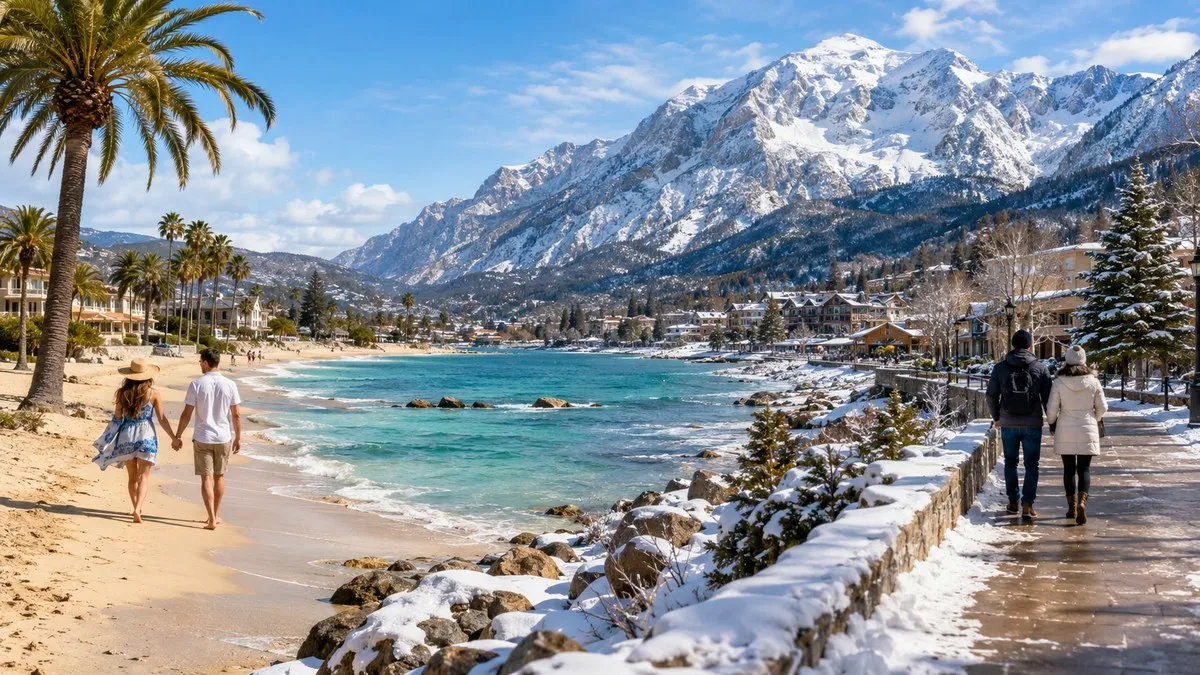
Winter travel in the USA turned out to be much more varied than I first expected.
I used to think a winter vacation meant making one simple choice: fly somewhere warm enough to forget about winter or embrace the cold at a snowy mountain town. Once I started comparing destinations more closely, I found a much better middle ground.
Some places gave me palm trees, sunshine, and long afternoons outside. Others were mild rather than hot, which actually made walking and sightseeing easier. Then there were snowy places where freezing temperatures were not a downside at all. They were part of the experience.
What surprised me most was how much the season changed familiar destinations.
Florida felt less humid. Southern cities became easier to explore on foot. Coastal towns slowed down after their summer crowds disappeared. In the mountains, the first real snowfall completely changed the atmosphere.
I also learned a few practical lessons along the way. I stopped assuming that “warm” meant beach-swimming weather. I became much more careful with mountain road conditions. And I quit trying to cram five neighborhoods into a two-day weekend.
Those small adjustments made my winter trips much more enjoyable.
So, instead of ranking twenty random vacation spots, I narrowed this guide down to 20 of the best places to visit in winter in the USA, including warm winter getaways, short winter trips, weekend escapes, and proper snowy vacations.
Best Winter Destinations in the USA at a Glance
| Destination | Winter Style | Best For | Ideal Stay | What Stood Out |
|---|---|---|---|---|
| Key West, Florida | Warm | Couples, sunshine | 3–4 days | Tropical winter feel |
| Islamorada, Florida | Warm | Quiet coastal trip | 2–3 days | Slow Florida Keys pace |
| Miami, Florida | Warm | Beaches, food, nightlife | 3–4 days | City and beach together |
| Siesta Key, Florida | Warm | Relaxation | 3 days | Quiet Gulf Coast beaches |
| San Diego, California | Mild/Warm | Couples, families | 3–4 days | Comfortable outdoor weather |
| Los Angeles, California | Mild | Coast, food, city | 3–4 days | Better sightseeing weather |
| Avila Beach, California | Mild | Couples | 1–2 nights | Quiet Central Coast escape |
| Waikiki, Hawaii | Warm | Beach vacation | 5–7 days | Most reliable warmth |
| Charleston, South Carolina | Mild | Couples, food | 2–3 days | Great walking weather |
| Gulf Shores, Alabama | Mild | Quiet coast | 2–3 days | Peaceful off-season beaches |
| New Orleans, Louisiana | Mild | Food, music | 3 days | Excellent winter city trip |
| Austin, Texas | Mild | Food, music | 2–3 days | Easy long weekend |
| Myrtle Beach, South Carolina | Mild | Families, budget | 2–3 days | Quieter than summer |
| Asheville, North Carolina | Cool | Food, mountains | 2–3 days | Cozy mountain atmosphere |
| New York City | Cold | Christmas, city | 3–4 days | Holiday energy |
| Park City, Utah | Snow | Skiing, couples | 3–4 days | Polished ski-town experience |
| Telluride, Colorado | Snow | Skiing, scenery | 4 days | Dramatic mountain setting |
| Whitefish, Montana | Snow | Outdoor adventure | 4 days | Big wilderness feel |
| Lake Tahoe | Snow | Skiing, scenery | 3–4 days | Snow beside blue water |
| Stowe, Vermont | Snow | Couples | 3 days | Classic New England winter |
Best Warm Winter Getaways in the USA
I learned fairly quickly that a warm winter getaway did not always mean shorts and swimming.
Key West and Hawaii came closest to true winter warmth. San Diego was more about sunshine and comfortable afternoons. Southern cities such as Charleston were mild enough to spend hours outside but could still get chilly after dark.
Once I adjusted those expectations, I enjoyed the destinations much more.
1. Key West, Florida
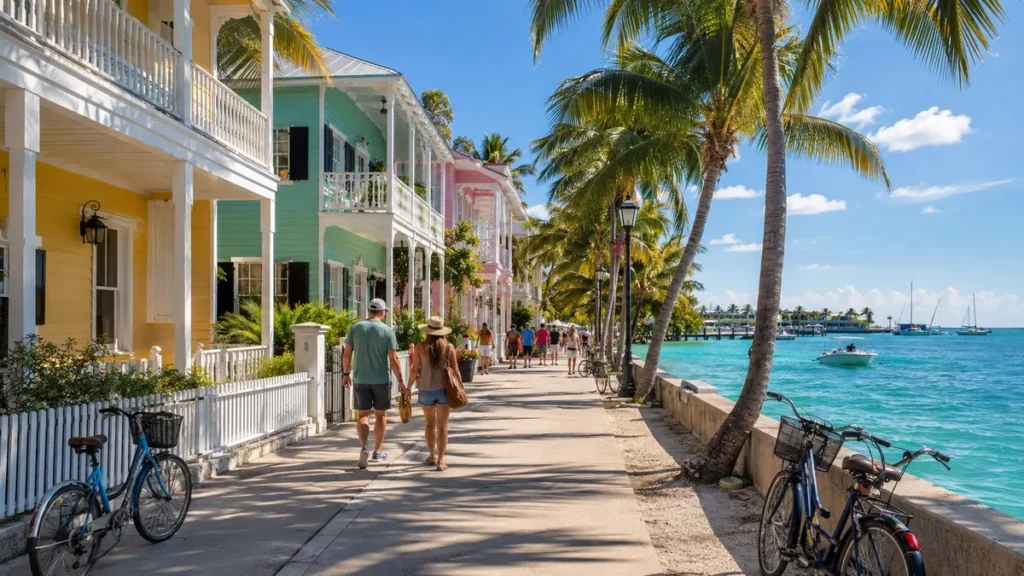
Key West came closest to making winter disappear.
Even the drive through the Florida Keys changed the mood. The water became brighter, palms appeared beside the road, and outdoor restaurants looked completely normal in the middle of January.
There was a good reason for that. The National Weather Service’s Florida Keys climate data describes the Keys as having a mild tropical-maritime climate shaped by the surrounding warm water.
I expected Duval Street to be the part that stayed with me, but it was actually the slower side of Key West that made more sense.
Old Town was better when I wandered without trying to hit every attraction. Sunset was worth making time for, but I did not need to turn it into a complicated event. Just being close to the water as the light changed felt like enough.
One thing I would not do is pack as though it were July.
The afternoon could feel genuinely warm, but the breeze after sunset made a light layer useful.
The other reality was price. Winter sunshine is exactly why so many people come to Key West, so this is not the place I looked for a bargain in January.
Best for: Couples and winter sunshine
Ideal stay: 3–4 days
Worth the time: Old Town and sunset
Watch out for: Higher winter prices
2. Islamorada, Florida
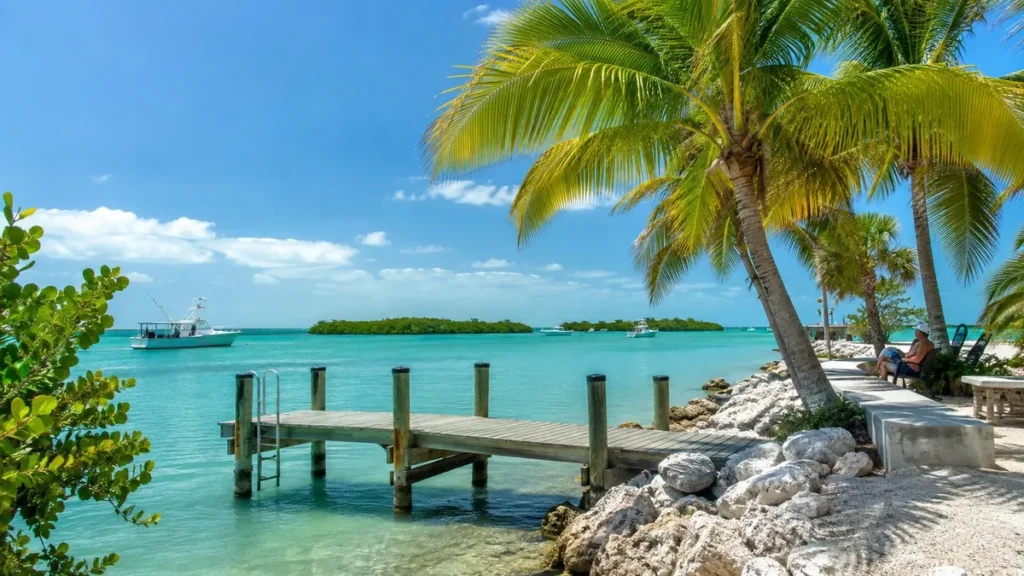
Islamorada made me slow down.
That was the main reason I liked it.
I had originally looked at the Florida Keys as a series of places to stop, but after a while the schedule began to feel completely wrong for the setting.
Islamorada worked better when I left empty spaces in the day.
There were docks, calm water, seafood spots, and enough little roadside views that stopping for no particular reason became part of the trip.
It also felt noticeably less hectic than Key West.
For a short winter weekend getaway, two or three days seemed about right. I could enjoy the slower rhythm without reaching the point where I needed a long list of attractions.
Best for: Couples and road trips
Ideal stay: 2–3 days
What stood out: The slower Florida Keys atmosphere
Best strategy: Leave part of each day unplanned
3. Miami, Florida
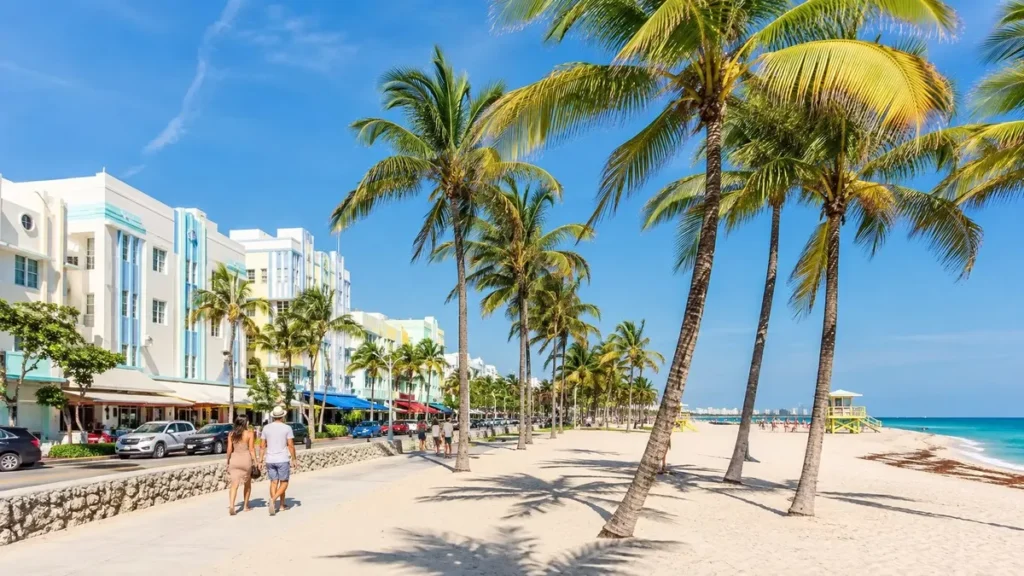
Miami was completely different.
This was not where I wanted to do nothing.
The beach was an obvious starting point, but the city became more interesting when I moved beyond South Beach. Little Havana, Cuban food, Art Deco streets, waterfront areas, and neighborhood cafés added much more personality to the trip.
My biggest planning mistake was thinking Miami was compact.
A couple of places could look close on the map and still chew through a surprising amount of time once traffic became part of the day.
After that, I planned by neighborhood instead of attraction.
That changed everything.
I kept South Beach together, gave Little Havana proper time, and stopped crossing half the city because I had saved one restaurant online.
Winter made the walking easier too. The lower heat and humidity made me far more willing to stay outside.
Best for: Beaches, food and nightlife
Ideal stay: 3–4 days
Biggest mistake: Trying to cover too much in one day
Best strategy: Group stops by neighborhood
4. Siesta Key, Florida
Siesta Key felt like the opposite of Miami.
The pace was slower from the beginning.
I did not feel the need to create a complicated itinerary. Most days worked perfectly well with a beach walk, a relaxed lunch, some time doing almost nothing, and sunset.
The pale sand was the first thing I noticed.
It looked good in photos, but seeing that broad stretch of bright beach in winter without peak summer crowds made it much more appealing.
This was one of those places where I realized that travel did not always have to be productive.
I did less and enjoyed it more.
Best for: Couples and relaxing beach vacations
Ideal stay: 3 days
Best part: Slow Gulf Coast days
Skip it if: Nightlife is a priority
5. San Diego, California
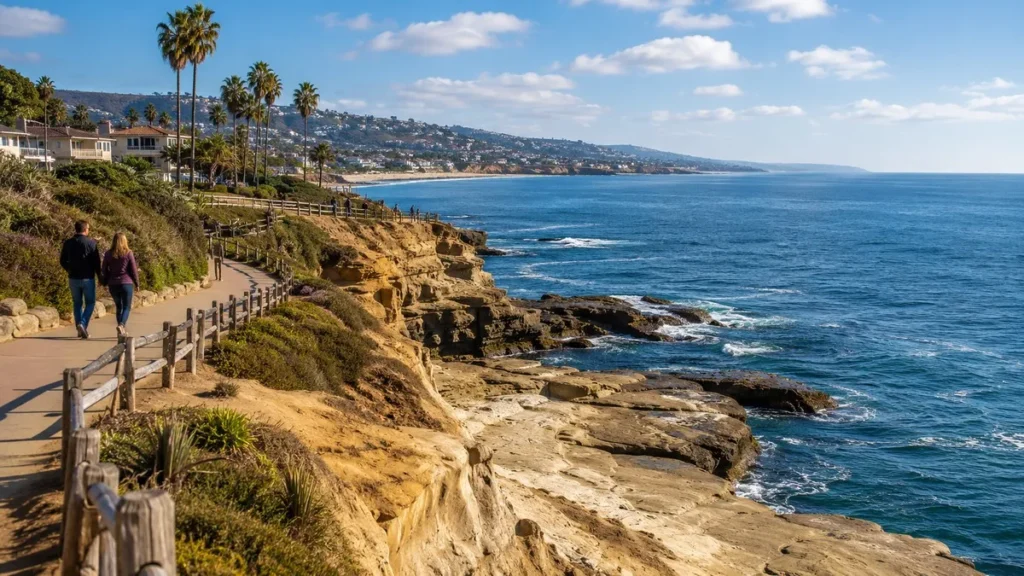
San Diego taught me to stop confusing sunshine with heat.
A blue sky could look like perfect beach weather while the Pacific breeze reminded me that it was still winter.
Once I stopped expecting tropical temperatures, I appreciated San Diego more.
Walking around La Jolla, spending time beside the coast, eating outside when the sun was out, and exploring neighborhoods felt easy without the summer heat.
I also liked how manageable the city felt compared with Los Angeles.
There was plenty to do, but moving between areas did not feel like a full-time job.
San Diego became less about swimming and more about enjoying the coast.
That was a much better way to approach it.
Best for: Couples and families
Ideal stay: 3–4 days
What surprised me: The coast was still worth it without hot beach weather
Pack: A light jacket
6. Los Angeles, California
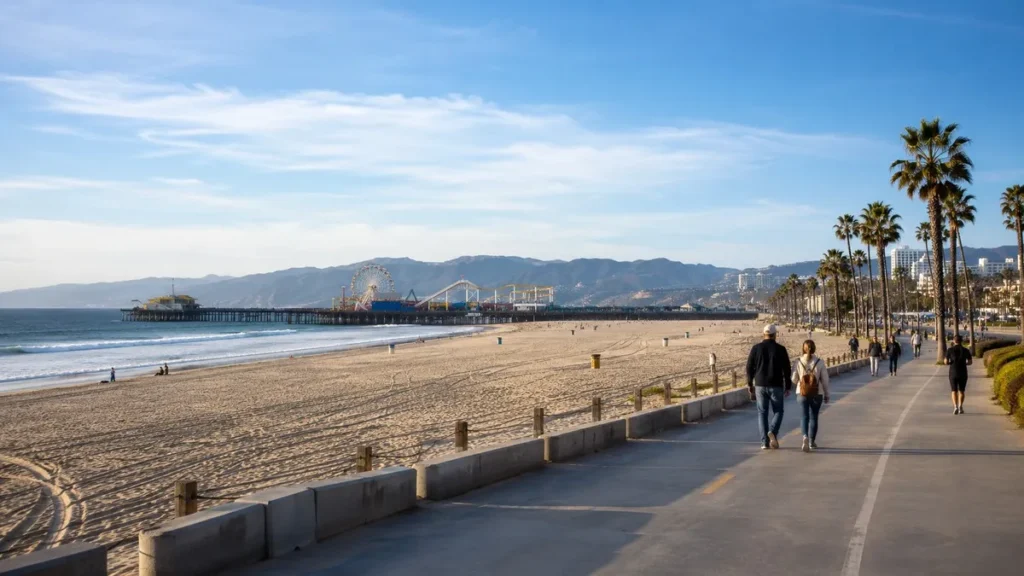
Los Angeles exposed my bad itinerary planning very quickly.
I made the classic mistake of treating distance as travel time.
A day that looked sensible on the map became far less sensible once traffic started.
After that, I changed the way I explored the city.
Santa Monica and Venice could share a day. Crossing Los Angeles just because I wanted lunch at one particular restaurant was not worth it.
Winter made the city easier in another way.
I could walk longer, spend more time near the coast, and explore without the heat wearing me down.
Los Angeles improved as soon as I stopped trying to “finish” it.
Best for: Food, coast and sightseeing
Ideal stay: 3–4 days
Biggest lesson: Plan by area
Better in winter because: Outdoor sightseeing feels easier
7. Avila Beach, California
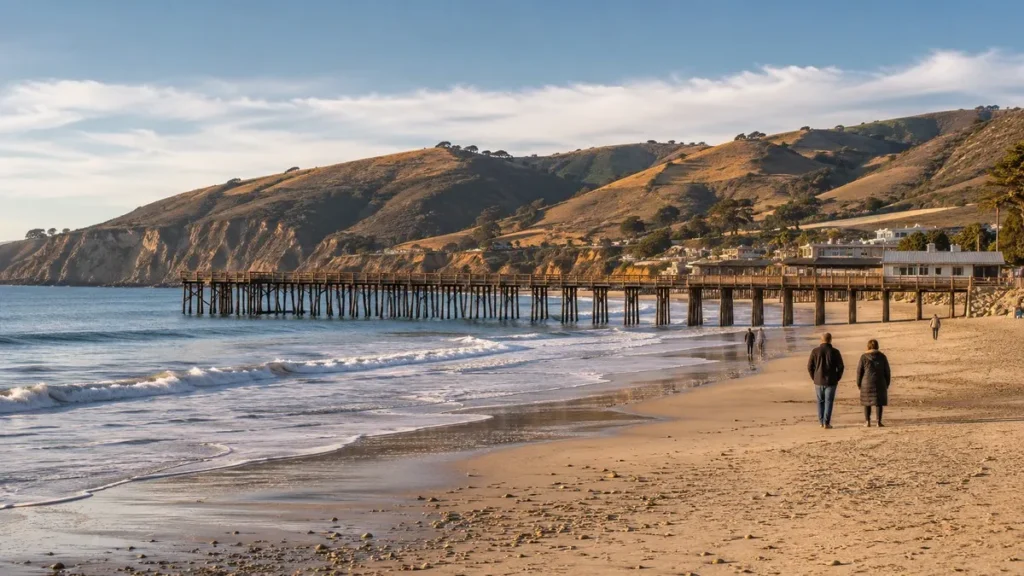
Avila Beach was small enough that I stopped looking for things to do.
That turned out to be a good thing.
I walked beside the water, ate slowly, and left plenty of the day unplanned.
The cooler Central Coast weather changed the purpose of the beach. It was more about scenery and fresh air than swimming.
I probably would have become restless after four or five days, but for one or two nights it felt right.
Avila Beach made even more sense as part of a California Central Coast road trip.
Best for: Couples and road trips
Ideal stay: 1–2 nights
Best feature: Quiet coastal atmosphere
8. Waikiki, Hawaii
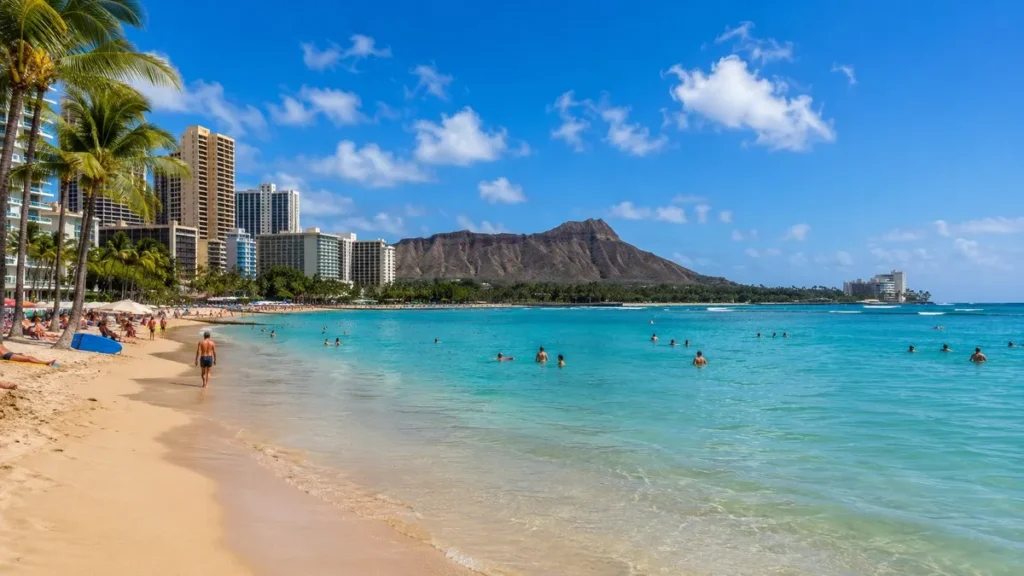
Waikiki was the place where winter stopped feeling like winter.
The official GoHawaii weather guide puts the average daytime winter temperature at sea level at about 78°F, with nights roughly 10°F cooler.
That kind of warmth changed my routine.
I did not need to plan the whole day around the warmest afternoon hours. Beach time could happen in the morning, lunch could stretch out, and I was not carrying an extra jacket everywhere.
What surprised me more was Waikiki itself.
I knew Honolulu was a city, but I had still pictured something quieter.
Waikiki was busy, convenient, commercial, and full of energy.
At first, that felt less relaxing than I expected. Then I started appreciating how easy everything was. Beach, food, shops, and hotels were all close together.
When I wanted a quieter version of Oʻahu, I simply spent time outside Waikiki.
Best for: Reliable winter warmth
Ideal stay: 5–7 days
What surprised me: How urban it felt
Budget: Higher than most mainland options
Best Mild Winter Weekend Getaways
I did not always need 80°F weather.
Sometimes I simply wanted a place where winter felt easier.
These cities and coastal destinations worked particularly well for short trips because I could spend most of the day outside without dealing with extreme heat or deep snow.
9. Charleston, South Carolina
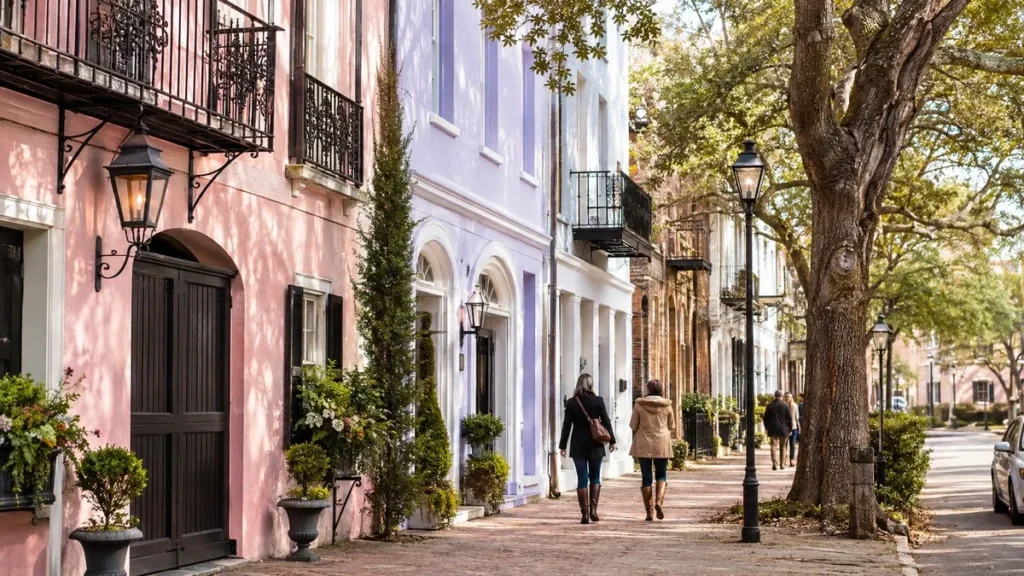
Charleston got better as soon as I stopped rushing.
I started with too many landmarks saved and eventually realized that walking through the historic streets was one of the best parts of the city.
I noticed more when I slowed down: old gates, pastel homes, ironwork, quiet side streets, and little glimpses toward the water.
Cooler weather made that easier.
I could walk much longer than I probably would have during a humid summer afternoon.
The mistake was trusting the daytime temperature too much.
A mild afternoon did not guarantee a warm evening.
Once the sun went down, I was glad I had another layer.
Best for: Couples and food
Ideal stay: 2–3 days
Best way to explore: On foot
Pack: Layers
10. Gulf Shores, Alabama
Gulf Shores changed what I expected from a beach trip.
I did not need to swim.
The Gulf was still beautiful, and without peak-season crowds the beach became somewhere I wanted to walk rather than somewhere I had to claim a spot.
It felt peaceful in a way summer beach destinations rarely do.
The key was managing expectations.
This was not South Florida. A winter day could be mild without being hot.
Once I accepted that, Gulf Shores made sense as a quiet coastal reset.
Best for: Budget-conscious couples and families
Ideal stay: 2–3 days
Best for: Beach walks and seafood
Expect: Mild rather than tropical weather
11. New Orleans, Louisiana
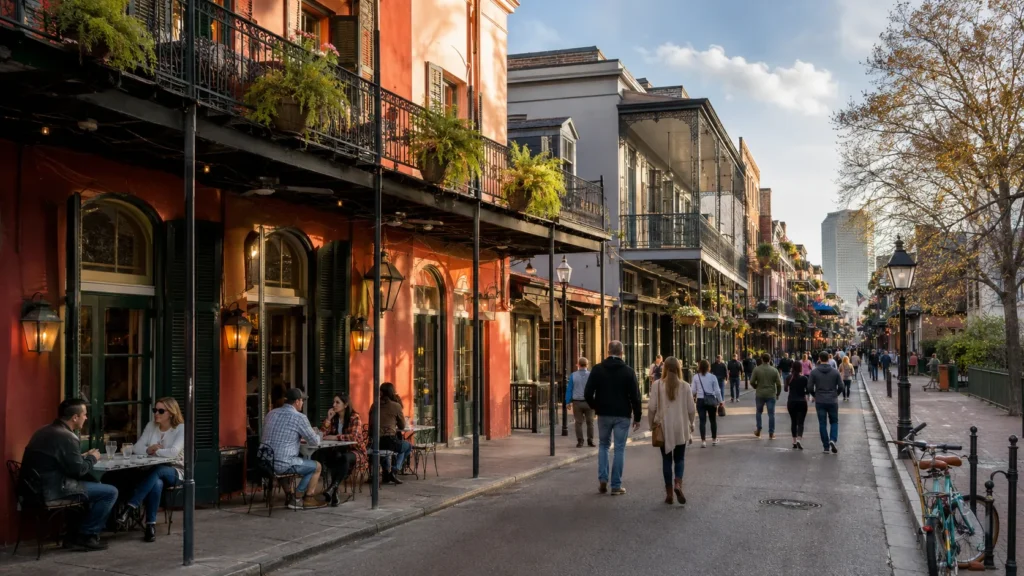
New Orleans was one of the easiest cities to let derail my schedule.
Usually, food did it.
I might be walking toward one place, smell something coming from somewhere else, and suddenly the plan no longer mattered.
The cooler winter weather made those long walks much more enjoyable.
I noticed the balconies, worn doors, tiny details on buildings, and how the sound of music changed from street to street.
Bourbon Street was worth seeing once, but I did not need to spend the whole evening there.
The quieter parts of the French Quarter and the food away from the biggest crowds interested me more.
That was one of the better surprises of the trip.
Best for: Food, music and friends
Ideal stay: 3 days
Overrated: Spending the entire trip around Bourbon Street
Worth it: Wandering beyond the busiest blocks
12. Austin, Texas
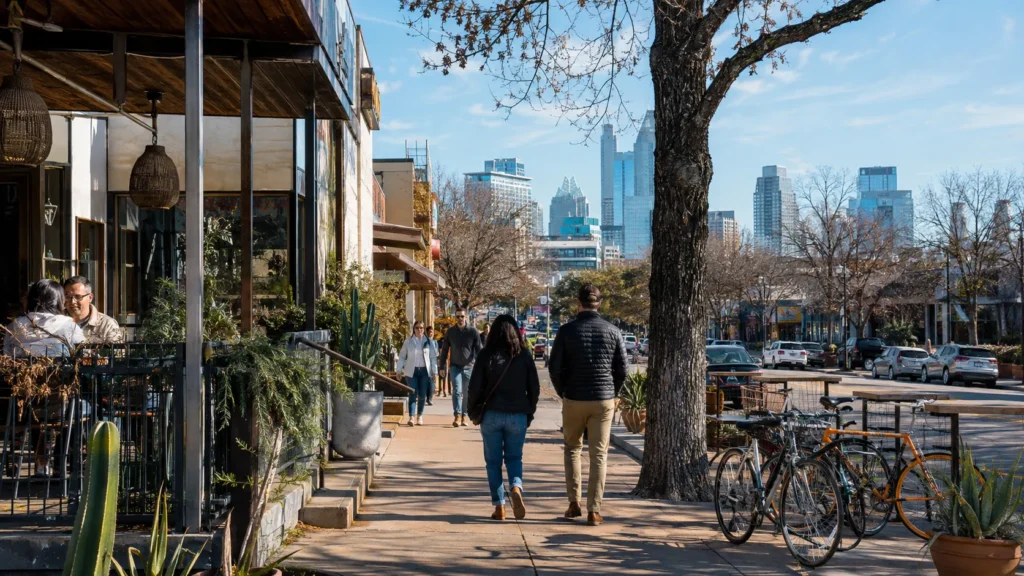
Austin was easy to fit into a weekend.
I did not need a long checklist.
Good food, live music, a couple of neighborhoods, cafés, and some time outside filled two or three days quickly.
The weather was the only thing I learned not to trust completely.
One afternoon could feel warm enough for a T-shirt and then become jacket weather after dark.
I started keeping an extra layer nearby rather than dressing for one expected temperature.
Austin also worked well when people in the same group wanted different things.
Someone could care about barbecue, someone else about music, and another person could simply want a mild-weather city break.
Best for: Friends, food and music
Ideal stay: 2–3 days
Pack: Layers
13. Myrtle Beach, South Carolina
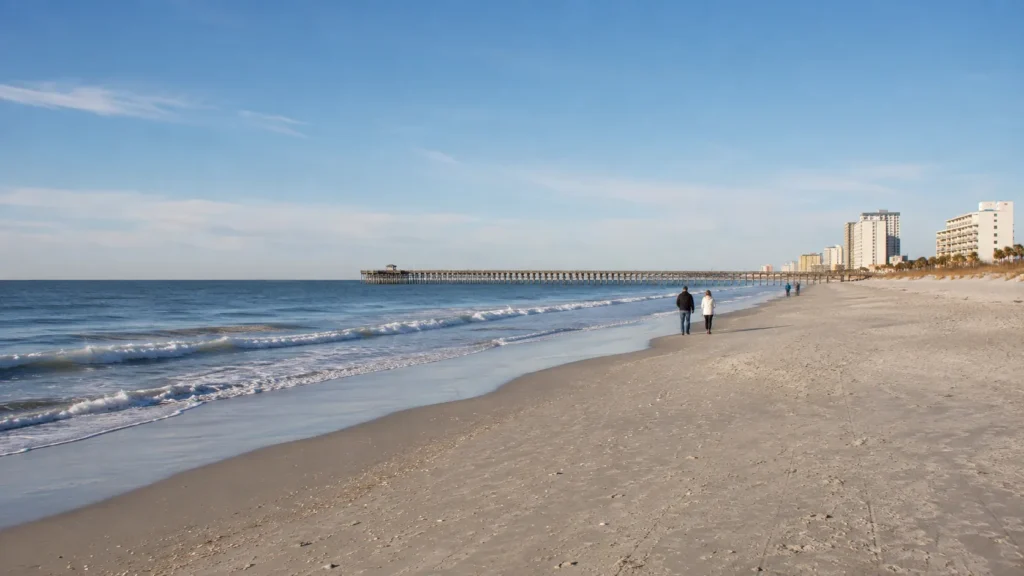
Myrtle Beach in winter barely resembled the summer version I had in mind.
The beach was still huge.
The Atlantic was still there.
But much of the noise had disappeared.
That was the part I enjoyed.
I did not come expecting to swim, so colder ocean temperatures did not feel disappointing. Instead, I spent more time walking, watching the water, and enjoying the fact that the beach felt so open.
For travelers watching their budget, winter can also make this kind of coastal trip easier than peak summer.
Best for: Families and budget trips
Ideal stay: Weekend
Best part: The quieter coast
14. Asheville, North Carolina
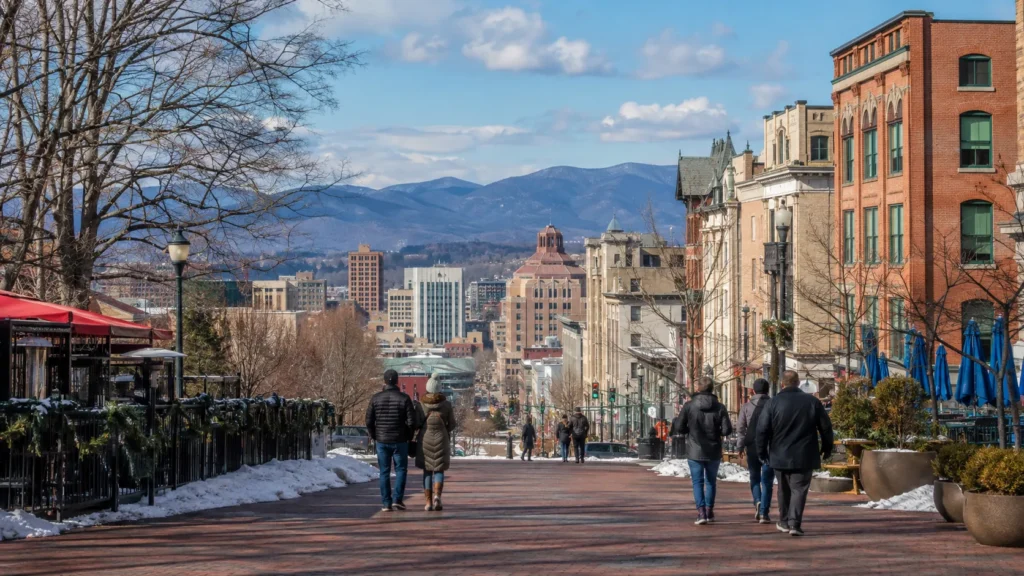
Asheville gave me a cozy winter trip without requiring me to ski.
I spent more time eating, walking around town, visiting indoor attractions, and warming up with something hot than chasing snow activities.
The Blue Ridge Mountains were still an important part of the setting, but winter road conditions made me much less rigid about scenic drives.
That was another lesson I learned the hard way with winter travel: a plan that worked perfectly in summer might not work at all in January.
Instead of letting a road closure ruin the day, I learned to keep a second option.
Asheville was interesting enough that the backup plan often turned out just as well.
Best for: Couples, food and mountain atmosphere
Ideal stay: 2–3 days
Important: Keep scenic-drive plans flexible
Best Snowy Winter Trips in the USA
There were other trips when sunshine was the last thing I wanted.
I wanted snow-covered streets, mountains, ski days, cold air, and somewhere warm to disappear into at night.
These were the destinations where winter itself became the attraction.
15. New York City
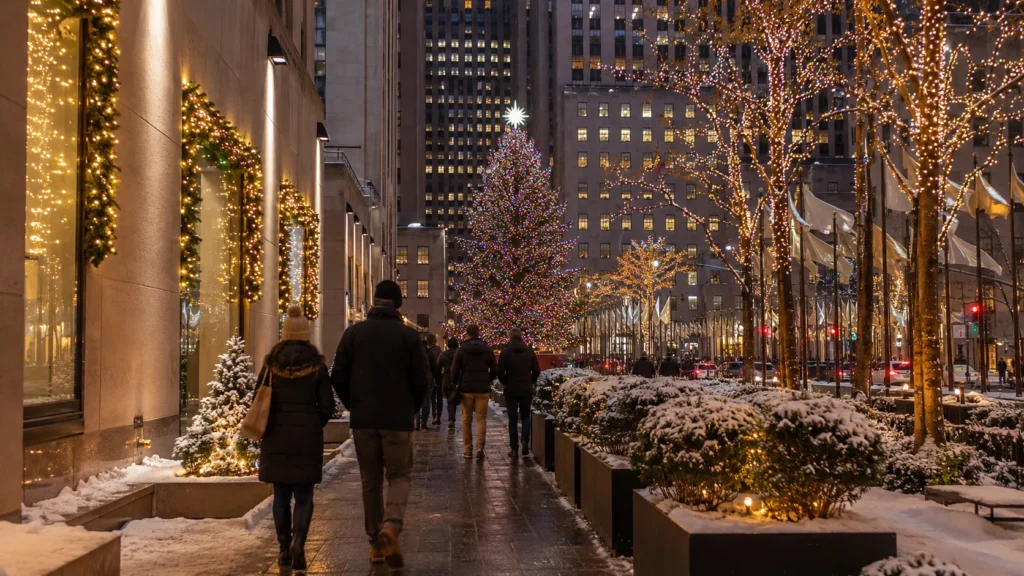
New York tested my tolerance for cold.
There were moments when taking my gloves off just to use my phone felt like a terrible decision.
Still, December in the city had an atmosphere that was difficult to ignore.
Holiday lights, store windows, skating rinks, markets, and crowded sidewalks made Manhattan feel more theatrical than usual. The official NYC Tourism website is useful for checking current seasonal events rather than relying on an old list from a previous winter.
Rockefeller Center gave me mixed feelings.
It was absolutely worth seeing.
It was also so busy that I did not want to spend half the evening standing there.
That became my strategy: see the famous holiday spots, enjoy them, and then move somewhere quieter.
Best for: Christmas atmosphere and city breaks
Ideal stay: 3–4 days
Worth it: Holiday decorations and seasonal atmosphere
Overrated: Spending too long inside the biggest crowds
16. Park City, Utah
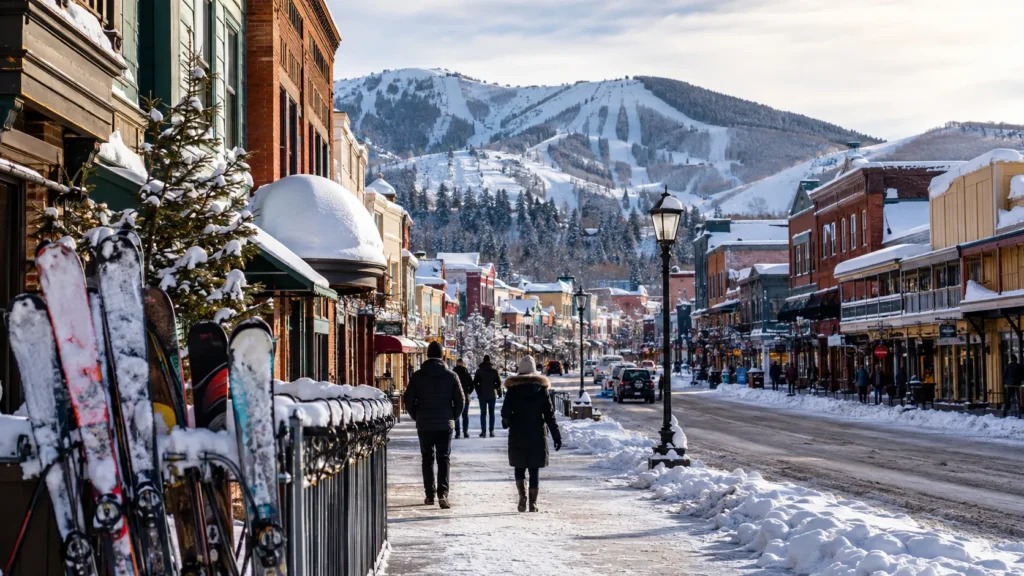
Park City felt polished from the beginning.
Ski gear, mountain lodges, restaurants, and après-ski culture all blended together into exactly the kind of winter-resort atmosphere I expected.
The surprise was how much I enjoyed slowing the ski days down.
At first, taking time away from the mountain felt like wasting expensive ski time.
Then I stopped thinking that way.
A long lunch, walking around town, or ending the day early could be just as enjoyable as squeezing in another run when my legs were already tired.
The downside was cost.
Good snow and a popular ski town are not a recipe for bargain winter travel.
Best for: Skiing and couples
Ideal stay: 3–4 days
Budget: $$$
Lesson: Do not overschedule every ski day
17. Telluride, Colorado
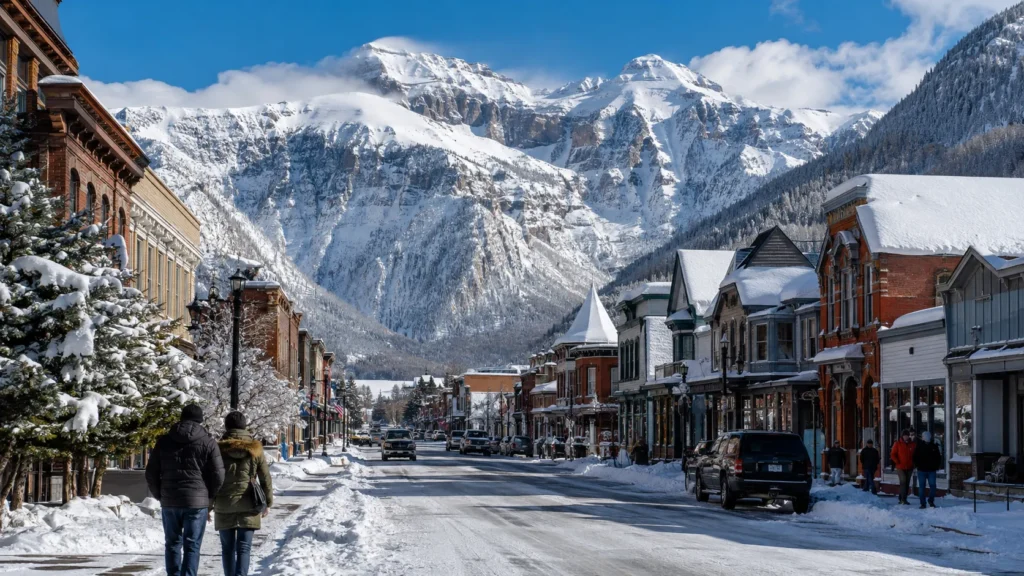
Telluride was one of those destinations where I kept looking up.
The San Juan Mountains felt unusually close.
Even if skiing was the original reason to go, the scenery quickly became part of the experience.
The town also worked because winter was not only about downhill runs. Snowshoeing, snowmobiling, and other snow activities gave the days more variety.
What I underestimated was access.
Telluride requires more effort than some mountain destinations, and I would not try to squeeze it into a rushed two-night trip.
Once I had made the journey, I wanted enough time to enjoy it.
Best for: Mountain scenery and skiing
Ideal stay: 4 days
Biggest consideration: Getting there
18. Whitefish, Montana
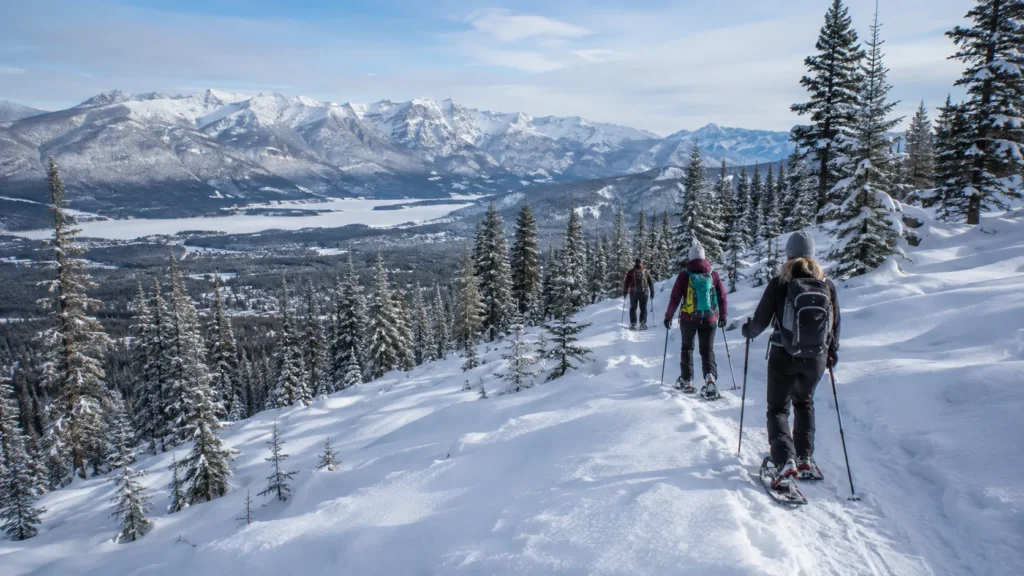
Whitefish felt more spacious than the resort towns I normally associated with winter trips.
There was more sky, more wilderness, and less sense that everything existed for visitors.
That was what stayed with me.
Skiing was only part of the appeal. The proximity to Glacier National Park and the range of winter outdoor activities gave Whitefish a much broader mountain feel.
The cold was also serious enough that I stopped treating the weather forecast casually.
Checking conditions became part of the morning routine.
That was not an inconvenience. It was simply part of traveling through Montana in winter.
Best for: Outdoor travelers
Ideal stay: 4 days
What stood out: Wilderness and space
19. Lake Tahoe
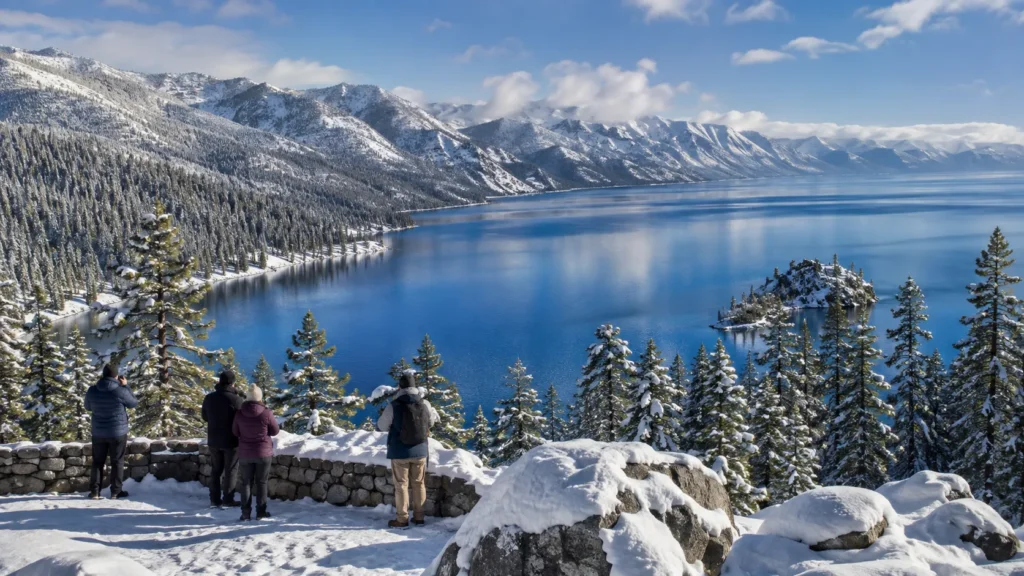
Lake Tahoe had one of the most unusual winter landscapes on this list.
Snow-covered mountains beside deep blue water looked almost wrong together, in the best possible way.
The scenery was easy.
The driving required more thought.
I stopped treating winter drive times as fixed because snow and chain controls could completely change the day.
Before heading into the Sierra during winter weather, the official Caltrans chain-control guide explains California’s R1, R2 and R3 chain-control levels and which vehicles require traction devices.
That became much more useful than simply looking at distance on a map.
If conditions looked poor, I adjusted the plan.
Tahoe was much better when I allowed the weather to dictate part of the itinerary.
Best for: Skiing and scenery
Ideal stay: 3–4 days
Important: Check road and chain conditions
Do not assume: Normal summer drive times
20. Stowe, Vermont
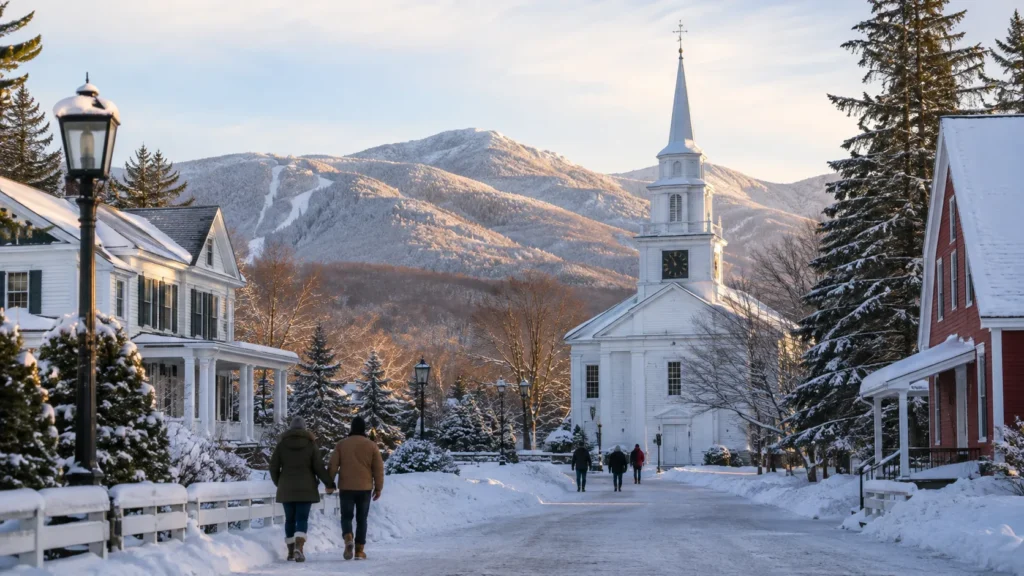
Stowe looked like the version of winter I had seen on postcards.
Snow, wooden buildings, warm lights, mountain scenery, and cozy places to retreat indoors all fit together almost too neatly.
What made the trip work was the rhythm.
Daytime was for being outside.
Evenings were for getting warm again.
That contrast made winter feel enjoyable rather than inconvenient.
A warm room felt better after hours outside. Food tasted better after the cold. Even something simple like sitting with a hot drink felt like part of the trip.
Stowe was not where I went to escape winter.
It was where I went to enjoy it.
Best for: Couples and romantic weekends
Ideal stay: 3 days
Best feeling: Warming up after a snowy day
Warm Winter Getaways vs. Snowy Winter Trips
| If You Want… | Best Choices |
| Reliable warmth | Hawaii, Key West |
| Beach + nightlife | Miami |
| Sunshine + city sightseeing | San Diego |
| Quiet tropical atmosphere | Islamorada |
| Relaxing Gulf Coast beach | Siesta Key |
| Affordable coastal weekend | Gulf Shores |
| Food-focused weekend | New Orleans |
| Romantic mild-weather trip | Charleston |
| Cozy mountain city | Asheville |
| Skiing + après-ski | Park City |
| Dramatic mountain scenery | Telluride |
| Snow + wilderness | Whitefish |
| Skiing beside a lake | Lake Tahoe |
| Classic New England winter | Stowe |
| Christmas atmosphere | New York City |
Best Places to Visit in Winter by Month
Timing mattered more than I originally expected.
December, January, and February could completely change the experience even within the same destination.
Best Places to Visit in December
December worked best when the holiday atmosphere was part of the reason for traveling.
New York City was the obvious choice for lights, skating, decorations, and Christmas energy.
Stowe worked better when I wanted something smaller, quieter, and snowier.
Warm-weather destinations were still excellent, but Christmas and New Year could push prices much higher.
That made December a month where I paid more attention to dates than usual.
Best Places to Visit in January
January was when warm winter vacations in the USA started sounding especially good.
The holidays were over, winter at home had settled in, and a few days of sunshine suddenly felt much more valuable.
Key West, Miami, Hawaii, and San Diego made the strongest case for escaping the cold.
At the same time, Utah, Colorado, Vermont, Montana, and Lake Tahoe were fully in winter mode.
January worked whichever direction I wanted to go.
Best Places to Visit in February
February was particularly good for short winter trips.
Charleston, New Orleans, Austin, and San Diego could all fit nicely into a long weekend.
The major ski destinations were still in season, while Hawaii and South Florida continued to offer warmth.
By late winter, I found that I did not always need a full seven-day vacation.
Sometimes three days somewhere different did the job.
What I Learned About Winter Trips in the USA
The best winter trips became much easier once I stopped planning them like summer vacations.
Warm Did Not Always Mean Hot
This was my most common mistake.
San Diego could be sunny without being tropical.
Charleston could give me a beautiful afternoon and a chilly evening.
Gulf Shores could be perfect for walking on the beach without being warm enough for a long swim.
I eventually stopped packing for a destination’s reputation.
I packed for the forecast.
Winter Road and Trail Conditions Mattered
Snowy trips needed much more flexibility.
Tahoe, Colorado, Utah, Montana, Vermont, and mountain areas of North Carolina could all involve ice, snow, closures, or rapidly changing conditions.
The National Park Service winter hiking guide recommends checking forecasts, wearing proper layers, carrying navigation tools, and using traction devices or snowshoes where conditions require them.
That advice also reflected the biggest change in the way I approached winter travel.
I stopped assuming the route would work just because I had planned it.
A backup plan was not optional in the mountains.
Weekend Trips Worked Better With Fewer Stops
I used to think a successful weekend meant fitting in as much as possible.
Usually, that just meant I spent more time moving.
Miami improved when I stayed within one neighborhood for longer.
Charleston improved when I stopped checking my list.
New Orleans improved when I allowed food to derail the itinerary.
A winter weekend getaway needed less transportation, not more attractions.
Winter Was Not Automatically Cheap
This was another assumption I had to drop.
Some coastal towns became much cheaper outside summer.
Key West did not.
Hawaii did not necessarily.
Neither did Park City, Telluride, or other major ski destinations when the snow was good.
Winter could be the low season, shoulder season, or peak season depending on what people came there to do.
That distinction mattered far more than the month written on the calendar.
Which Winter Destination Should You Choose?
After comparing warm beaches, mild cities, mountain towns, and proper snow destinations, I stopped trying to choose one place as the universal winner.
The answer depended on what I wanted from winter.
When I wanted real warmth, Hawaii and Key West stood out.
For warm weather with more city life, Miami worked better.
When I wanted sunshine without tropical heat, San Diego made sense.
For a winter weekend getaway, Charleston, New Orleans, Austin, and Asheville were much easier to enjoy without turning the trip into a race.
And when I actually wanted winter, Park City, Telluride, Whitefish, Lake Tahoe, and Stowe made the snow worth every layer I had packed.
The question I eventually started asking was simple:
Did I want to escape winter, soften it, or actually enjoy it?
Once I answered that, choosing where to go became much easier.
A warm afternoon in the Florida Keys and a snowy morning in Montana could not have felt more different.
Both still belonged on my list of the best places to visit in winter in the USA.