



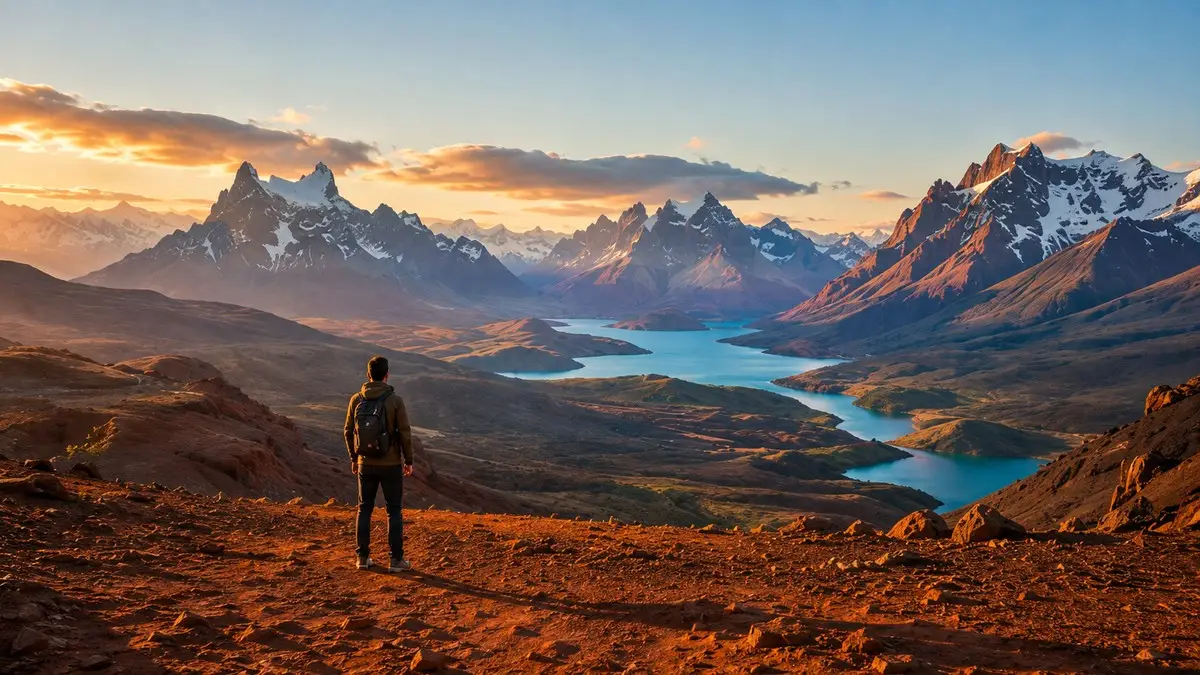
Chile looked surprisingly simple when I first opened the map.
It was long and narrow, which somehow made traveling from north to south look straightforward. That impression disappeared as soon as I checked the actual distances.
San Pedro de Atacama was far north. Santiago and Valparaíso sat around the center. Torres del Paine and Puerto Natales were deep in Patagonia. Rapa Nui was thousands of kilometers away in the Pacific.
My first Chile itinerary quickly turned into a mess of flights, hotel changes, transfers, and places that looked close only because the country is so narrow on a map.
That became the first big lesson of the trip: planning Chile was less about deciding what to see and more about deciding what to leave out.
For a first visit, 14 days gave me the best balance. It was enough time for Santiago, Valparaíso, the Atacama Desert, and Chilean Patagonia without turning the trip into a race between airports.
This Chile travel guide follows that route. It also covers the planning mistakes that slowed me down, the places that surprised me, how I moved between regions, what felt worth the effort, and how the itinerary changes when you have more or less time.
Chile at a Glance
These were the practical details that mattered most while planning the trip.
| Trip detail | What to know |
|---|---|
| Capital | Santiago |
| Currency | Chilean peso (CLP) |
| Main language | Spanish |
| Good length for a first trip | 10–14 days |
| Better for slower travel | 3 weeks |
| Main first-trip regions | Santiago, Valparaíso, Atacama, Patagonia |
| Main Atacama base | San Pedro de Atacama |
| Main Torres del Paine base | Puerto Natales |
| Best transport for long distances | Domestic flights |
| Useful for regional travel | Buses, transfers, rental cars |
| Main international gateway | Santiago |
Chile made much more sense once I stopped thinking about it as one continuous route and started treating it as a collection of regions.
The country’s official tourism site divides Chile into areas such as the Atacama Desert and Altiplano, Santiago and Central Chile, forests and lakes, Patagonia, and Rapa Nui.
For current destination information, Chile Travel is the official tourism website.
How Many Days Do You Need in Chile?
Ten days can work, but 14 days gave the trip much better breathing room.
My earliest plan included Santiago, Valparaíso, Atacama, Patagonia, the Lake District, Chiloé, and Rapa Nui.
It looked fantastic on a spreadsheet.
It would have been exhausting on the ground.
Once I added airport transfers, domestic flights, check-in times, road journeys, and weather-sensitive activities, every extra destination started costing more than another night in a hotel.
This was the balance that made the most sense.
| Time in Chile | Realistic route | Pace |
| 7 days | Santiago + Atacama or Patagonia | Fast |
| 10 days | Santiago + two main regions | Busy but possible |
| 14 days | Santiago + Valparaíso + Atacama + Patagonia | Best balance |
| 3 weeks | Add the Lake District or Chiloé | Comfortable |
| 4+ weeks | Add Carretera Austral or another remote region | Slow and immersive |
For most first-time visitors, two weeks is enough to understand Chile’s contrasts without spending every second day in transit.
My 14-Day Chile Itinerary
This route gave me the mix I wanted: city life, Pacific coast, desert landscapes, and Patagonia.
| Days | Destination | Main focus |
| 1–2 | Santiago | Neighborhoods, food, city views |
| 3 | Valparaíso | Street art and Pacific coast |
| 4–7 | San Pedro de Atacama | Desert, lagoons, geysers, stargazing |
| 8 | Travel south | Transit to Patagonia |
| 9–12 | Puerto Natales & Torres del Paine | Mountains, hiking, glaciers |
| 13 | Santiago | Buffer day |
| 14 | Departure | Fly home |
Days 1–2: Santiago Was More Than an Airport Stop
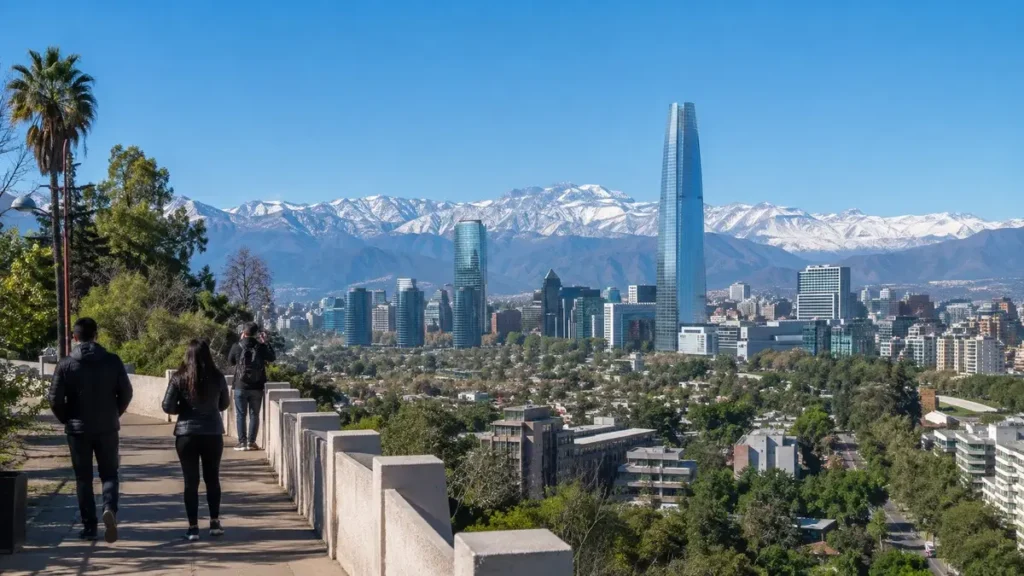
I nearly treated Santiago as somewhere to land, sleep, and leave.
That would have been a mistake.
What surprised me most was how much the Andes shaped the city. Santiago could feel busy and urban one moment, then I would look down a street and see mountains filling the horizon.
That contrast stayed with me.
I kept my first day deliberately simple.
Barrio Lastarria was easy to wander without a plan. I stopped for coffee, walked through the smaller streets, and tried an empanada that turned out to be much more filling than the quick snack I expected.
Cerro Santa Lucía was compact and easy to visit while exploring the center, but the wider views around Cerro San Cristóbal left the stronger impression.
I also spent time around Plaza de Armas and walked through parts of the historic center rather than jumping between attractions in taxis.
The slower start helped after the flight.
How Long Do You Need in Santiago?
Two days felt right for a first visit.
One day could cover the basics, but it would turn Santiago into another checklist. Three days made more sense for anyone especially interested in museums, food, neighborhoods, or a nearby wine valley.
| Time in Santiago | Best for |
| 1 day | Very tight itinerary |
| 2 days | First-time visit |
| 3 days | Food, museums and slower exploration |
One of my early assumptions was that Chile’s dramatic landscapes would automatically be more memorable than its cities.
Santiago proved more interesting than I expected and gave the rest of the trip useful context.
Day 3: Valparaíso Was Messy, Colorful and Worth the Detour
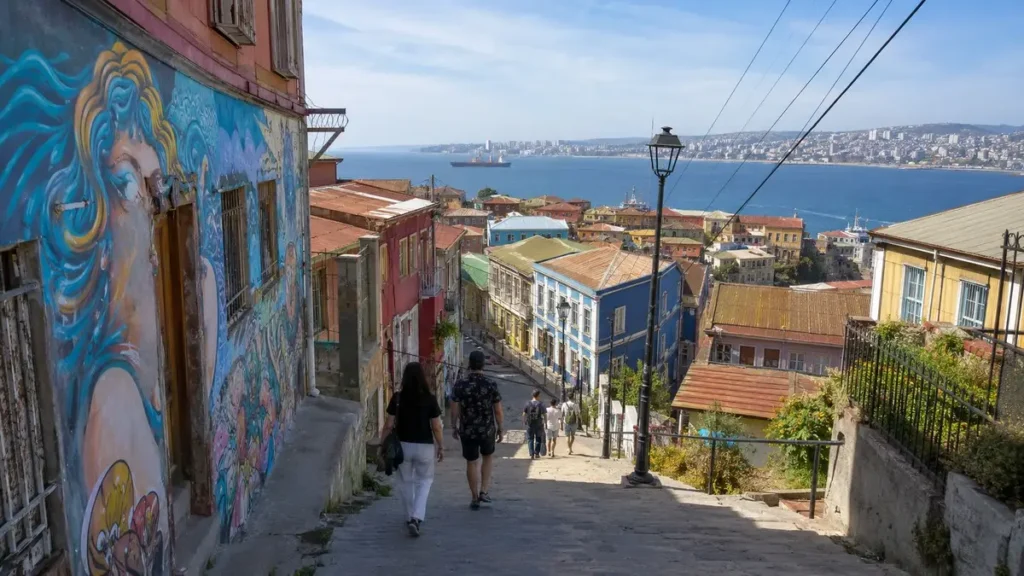
Valparaíso did not look polished.
That was part of its appeal.
The hills were steeper than they had looked in photos. Staircases disappeared between old buildings, murals covered entire walls, and glimpses of the Pacific appeared unexpectedly between streets.
Cerro Alegre and Cerro Concepción were the easiest areas to explore on foot.
I made one small mistake here: my shoes were comfortable enough for normal city walking but not ideal for several hours of steep hills.
By mid-afternoon, I noticed every staircase.
Valparaíso’s historic quarter is recognized by UNESCO for its importance as a Pacific port city. The UNESCO World Heritage listing for Valparaíso gives useful background on its history and architecture.
What I enjoyed most, though, was simply wandering.
Some murals covered huge walls. Others appeared on staircases, doorways, and narrow side streets. The city felt layered and slightly chaotic rather than designed around tourists.
Valparaíso: Day Trip or Overnight?
For a two-week Chile itinerary, a day trip worked well.
I got the experience without adding another hotel check-in and checkout.
| Valparaíso option | Best for | Trade-off |
| Day trip | Tight itinerary | Misses evening atmosphere |
| One night | Art, food and photography | Extra hotel change |
| Two nights | Slow travel | Harder to justify on a short trip |
For travelers who care deeply about street art, photography, or coastal atmosphere, staying overnight makes more sense.
For a broader first trip around Chile, one long day was enough for me.
Days 4–7: San Pedro de Atacama Felt Like Another World
The flight north was when Chile’s size became obvious.
Santiago disappeared, and the landscape around Calama became dry, open, and increasingly strange.
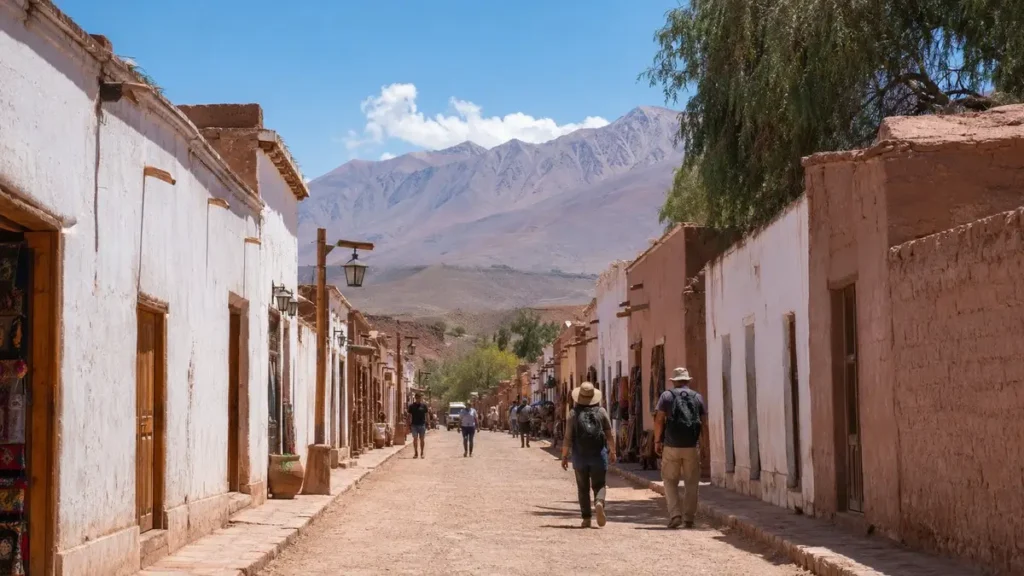
San Pedro de Atacama was smaller than I expected.
Dust followed me everywhere. Low adobe buildings lined the streets. The air felt dry almost immediately.
The town itself was pleasant, but the landscapes beyond it were the real reason I had come.
For current destination information, Chile Travel’s San Pedro de Atacama guide is useful.
Valle de la Luna Lived Up to the Photos
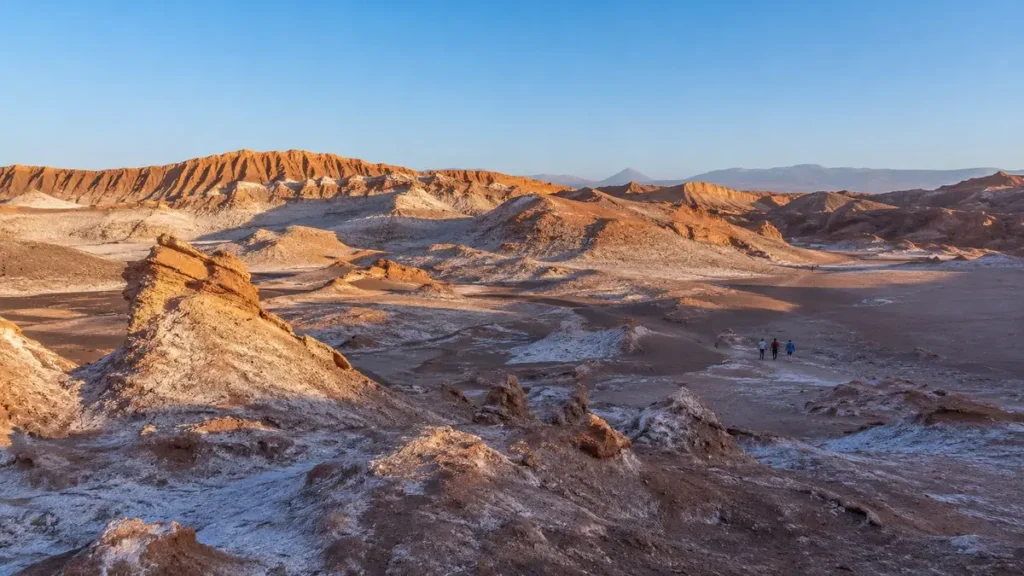
Some famous places feel smaller in person.
Valle de la Luna didn’t.
The landscape looked carved rather than naturally formed: salt, sand, ridges, and rock stretching into the distance.
What stayed with me most was the silence.
There were other visitors around, but whenever I stopped moving for a minute, the desert felt enormous.
It became one of those places where I eventually stopped taking photos because the camera was distracting me from looking.
I Planned the Altitude Badly
My first itinerary stacked several high-altitude excursions close together because it looked efficient.
My body disagreed.
The Altiplano changed how I felt, and rushing made it worse.
The trip became more comfortable once I slowed down, drank more water, and kept the easier excursions earlier in my stay.
That made the higher-altitude landscapes much more enjoyable.
Altitude isn’t a minor detail around San Pedro de Atacama. It can affect how the entire itinerary should be ordered.
El Tatio Was Beautiful but Brutally Early
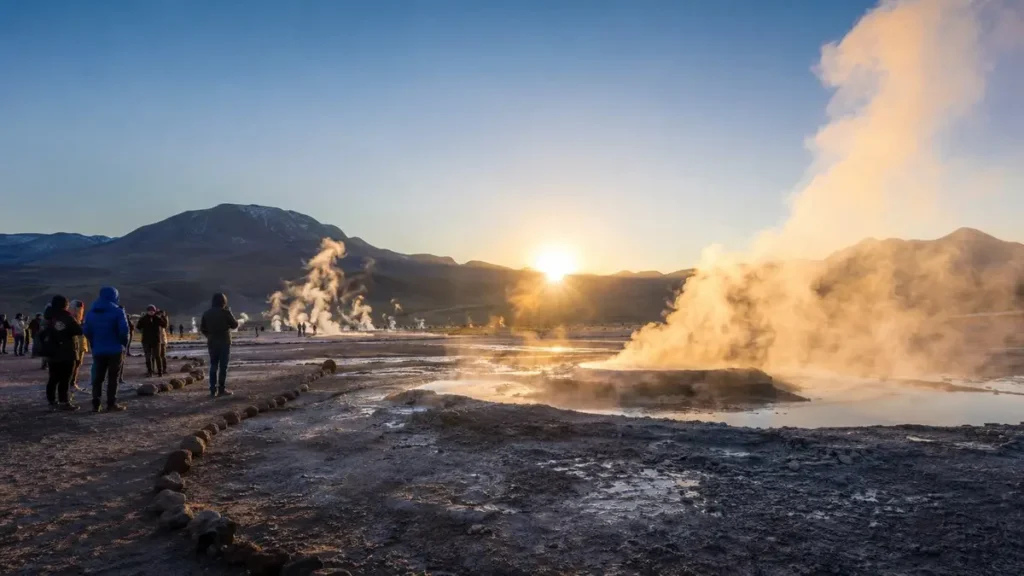
El Tatio sounded romantic before the trip.
Steam rising from geysers at sunrise. High Andes. Empty landscapes.
Then the alarm went off.
The pre-dawn start was painful, and the cold caught me off guard.
I had mentally connected the word “desert” with heat. Standing outside at altitude before sunrise corrected that assumption quickly.
Layers mattered.
The scenery made the early start worthwhile, but this wasn’t an excursion to place after a late night.
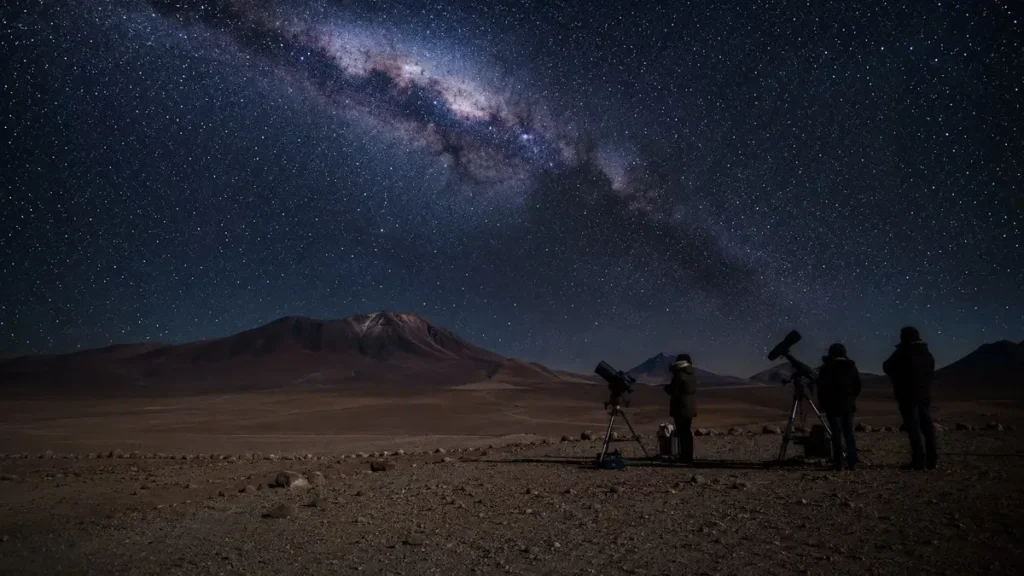
Stargazing Was One of My Favorite Atacama Experiences
The night sky became one of the quieter highlights of the trip.
After several days of large, dramatic landscapes, sitting still in the dark felt almost calming.
The Atacama Desert is strongly associated with astronomy because of its dry air, elevation, and exceptionally clear skies.
The stars looked far brighter than what I was used to seeing at home.
Four nights in San Pedro felt comfortable.
Three could work.
Two would have felt rushed.
Day 8: I Stopped Pretending a Travel Day Was a Sightseeing Day
This was one of the most useful lessons from the trip.
I originally planned Day 8 as though traveling from northern Chile toward Patagonia would somehow leave half a day for sightseeing.
That calculation only worked because I was counting flight time rather than travel time.
Checkout, transfers, airport waiting, baggage, the flight itself, another transfer, and checking into the next accommodation took most of the useful day.
Once I accepted that Day 8 was simply a travel day, the itinerary became much easier.
In Chile, travel days are part of the itinerary—not empty space between attractions.
Days 9–12: Puerto Natales and Torres del Paine
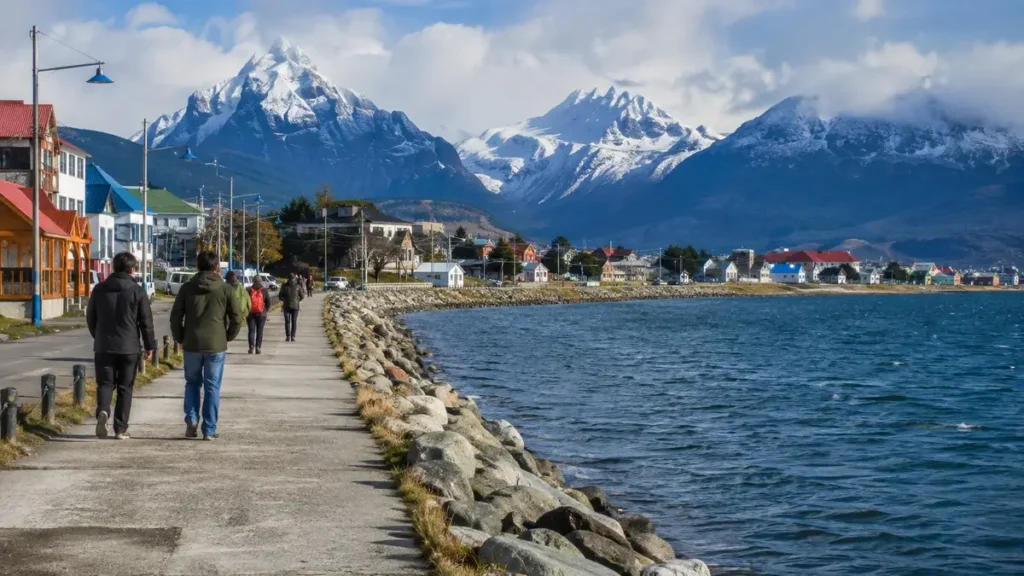
Patagonia felt completely different after the Atacama Desert.
The dry browns disappeared.
The air felt sharper. The weather moved faster. Lakes, mountains, and open land replaced desert.
Puerto Natales became my practical base.
It wasn’t the most exciting town on the itinerary, but that wasn’t what I needed from it.
I needed somewhere to eat properly, reorganize my day bag, check the weather, and sleep before heading into Torres del Paine.
Torres del Paine Made the Long Journey South Worth It
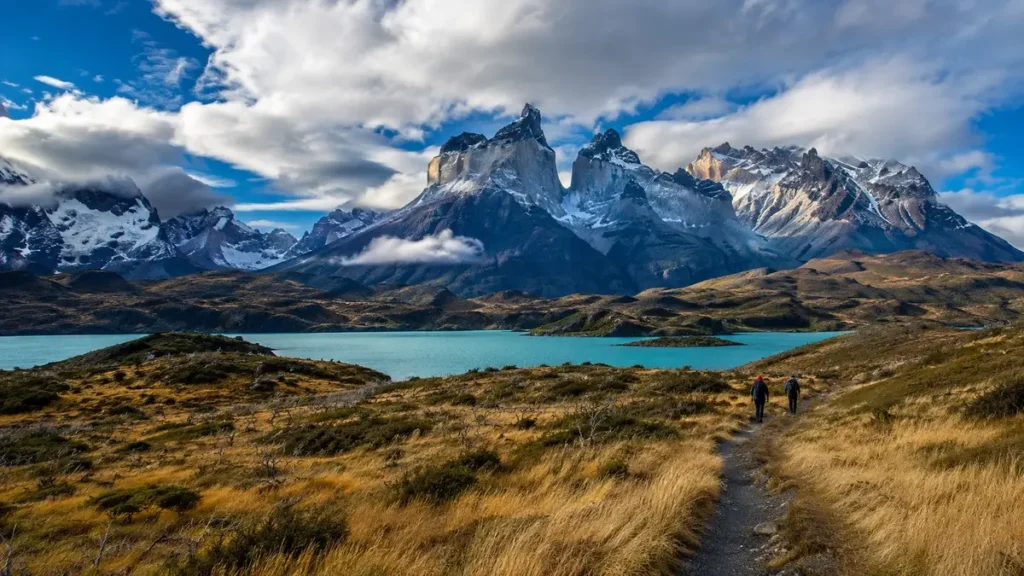
This was the landscape I had pictured before visiting Chile.
Granite peaks rose behind lakes. Clouds moved quickly enough to change the view while I was standing in the same place.
The wind surprised me most.
It wasn’t just background weather. At times, it affected how I walked.
Patagonia taught me not to build plans around perfect conditions.
A clear morning could turn grey quickly. A cloudy start could open into something spectacular.
That unpredictability became less frustrating once I stopped expecting complete control.
Before visiting, check the official Torres del Paine reservation information, especially when planning multi-day hikes or accommodation inside the park.
Park rules, reservations, and entry requirements can change.
Do You Need to Hike the W Trek?
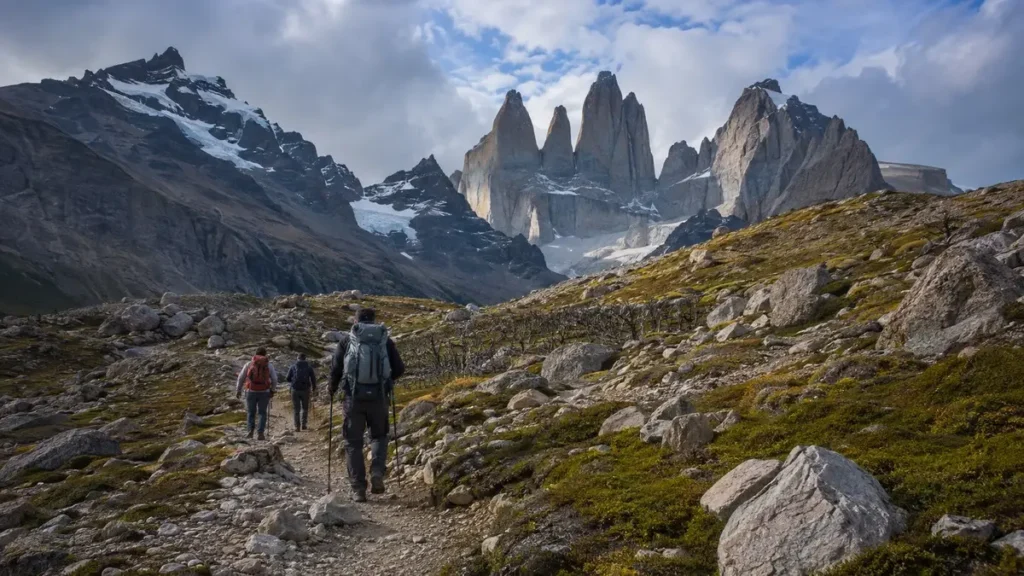
No.
This was one point I wish more Chile itineraries made clear.
Torres del Paine is not only for travelers doing the W Trek.
| Experience | Best for | Effort |
| Scenic day trip | Short visit | Low–moderate |
| Shorter day hikes | General outdoor travelers | Moderate |
| Base Torres hike | Strong hikers | High |
| W Trek | Hiking-focused trip | High |
| Longer circuit | Experienced trekkers | Very high |
The W Trek makes sense when hiking is one of the main reasons for traveling to Chile.
For a country-wide 14-day itinerary, day hikes and scenic exploration left enough time for Santiago and the Atacama Desert too.
Atacama vs Patagonia: Which Was Better?
People kept asking me this after the trip.
I never found a simple answer.
The two regions were too different.
| Atacama Desert | Patagonia |
| Desert and salt landscapes | Mountains, lakes and glaciers |
| Excellent stargazing | Excellent hiking |
| Easy organized day tours | More complicated logistics |
| High-altitude excursions | Rapidly changing weather |
| San Pedro is a convenient base | Puerto Natales is a practical gateway |
| 3–4 days works well | 4+ days feels better |
Atacama surprised me more. Patagonia overwhelmed me more.
Atacama felt stranger.
Patagonia felt bigger.
For hiking, Patagonia was the obvious choice.
For unusual landscapes, salt flats, lagoons, astronomy, and easy excursions from one compact base, Atacama had the edge.
Seeing both was what made the itinerary work.
The contrast became more memorable than either region alone.
Day 13: My Boring Buffer Day Was One of the Smartest Choices
Returning to Santiago before my international flight felt conservative when I planned it.
After Patagonia, it felt sensible.
I didn’t want a weather delay, transfer problem, or domestic flight disruption sitting directly in front of my journey home.
The extra night also gave me time for one final meal and a proper reset.
Nothing dramatic happened.
That was the point.
In a country this long, buffer time isn’t wasted time.
If You Have Three Weeks in Chile
With another week, adding several isolated flights would make less sense than slowing down and exploring one additional region.
The Chilean Lake District
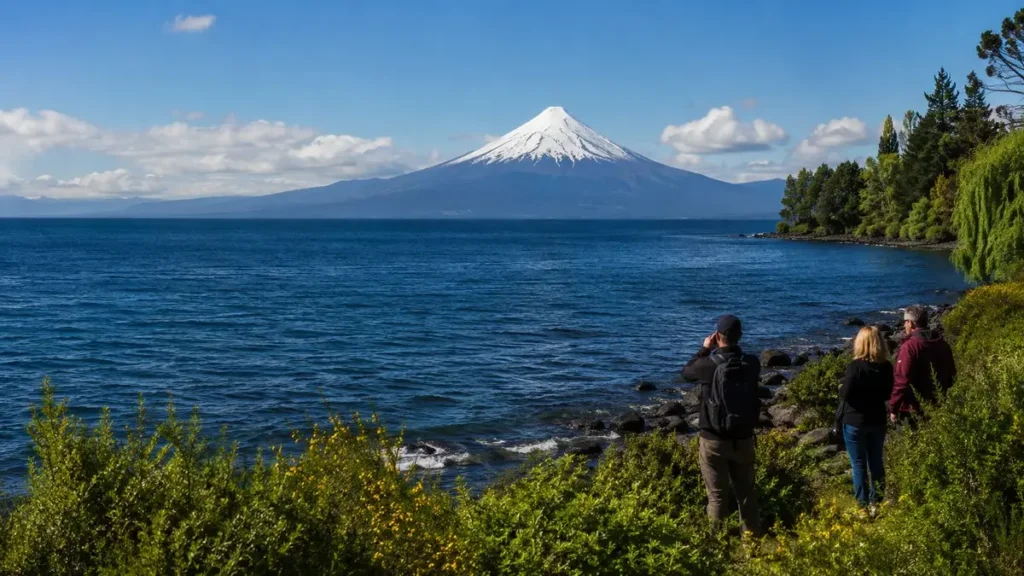
Puerto Varas was the most tempting extension.
Lake Llanquihue, Osorno Volcano, Petrohué Falls, and the surrounding landscape offered a greener side of Chile after the desert.
Pucón was another strong option for hiking, hot springs, rafting, and Villarrica Volcano.
This region deserved several days rather than a rushed stop.
Chiloé
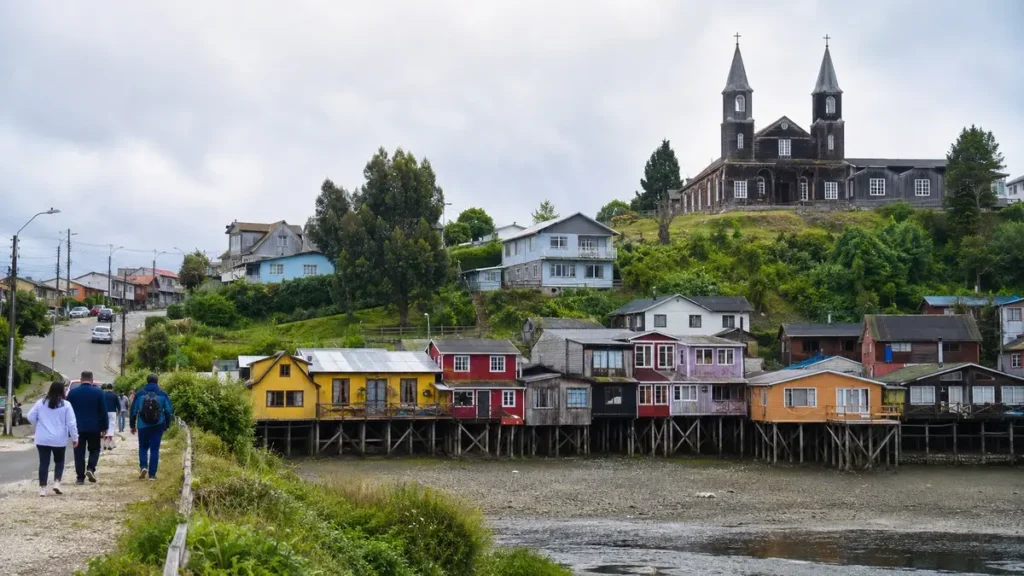
Chiloé interested me for different reasons.
It wasn’t simply another dramatic landscape.
The appeal came from its wooden churches, coastal villages, seafood, island traditions, and slower rhythm.
After the Atacama and Patagonia, it would add cultural variety rather than another major hiking destination.
A three-week route could look like this:
Santiago → Valparaíso → Atacama → Lake District or Chiloé → Patagonia → Santiago
What About Rapa Nui?
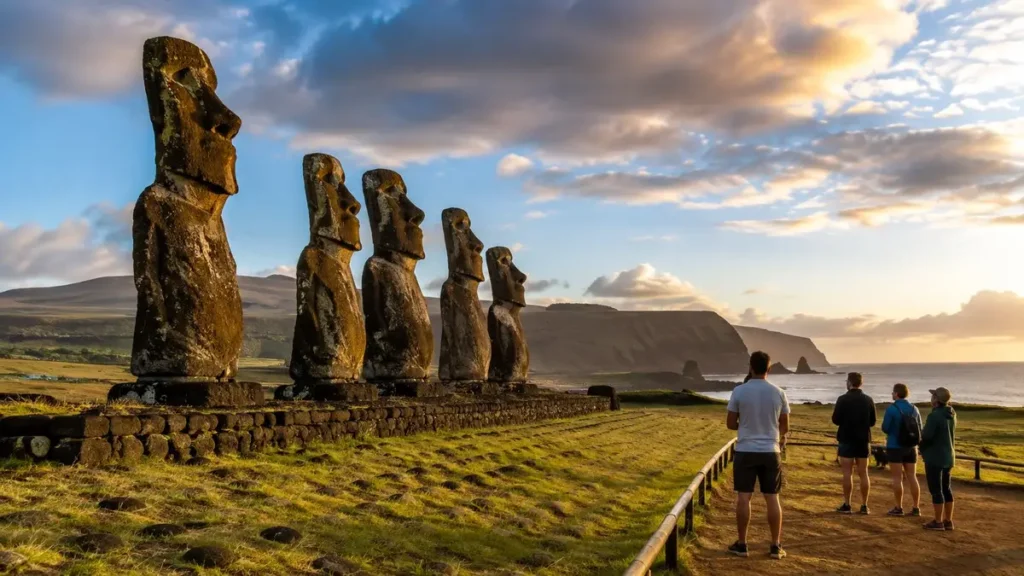
I deliberately left Rapa Nui off the two-week itinerary.
Not because it wasn’t worth visiting.
It deserved more time than I could give it.
Rapa Nui, also widely known as Easter Island, sits far out in the Pacific and has a very different cultural and geographical identity from mainland Chile.
The moai are only part of the experience.
Rano Raraku, Rano Kau, Orongo, Anakena, and the island’s wider Polynesian heritage make it a destination worth exploring properly.
The official Rapa Nui destination guide is a good starting point for planning.
On a longer Chile trip, Rapa Nui makes far more sense.
Trying to squeeze it between Atacama and Patagonia would create an itinerary that looks impressive on paper but feels rushed in reality.
When Is the Best Time to Visit Chile?
There isn’t one perfect month for every part of Chile.
That was another planning assumption I had to change.
Chile’s regions behave very differently.
| Region | What matters most |
| Santiago | Hotter, drier summers; cooler winters |
| Atacama | Large day/night temperature changes and altitude |
| Patagonia | Wind, changing weather and hiking conditions |
| Lake District | More rainfall |
| Rapa Nui | Different island climate |
For an itinerary combining Atacama and Patagonia, Patagonia should carry more weight when choosing travel dates because weather has a bigger effect on hiking and outdoor plans.
Instead of searching for the perfect month for all of Chile, I focused on the conditions in the most weather-sensitive part of my route.
How I Got Around Chile
Domestic flights made this itinerary practical.
Chile is simply too long to treat every famous destination as one continuous road trip.
| Route | Transport that made sense |
| Santiago → Valparaíso | Bus or car |
| Santiago → Calama | Flight |
| Calama → San Pedro de Atacama | Transfer |
| Santiago → Patagonia | Flight |
| Puerto Natales → Torres del Paine | Bus or transfer |
| Lake District | Rental car can be useful |
| Carretera Austral | Better suited to a road trip |
Long-distance buses still made sense between closer destinations.
The biggest change in my thinking was realizing that ground transportation wasn’t automatically the better or more authentic option.
Sometimes the cheapest ticket cost too many vacation hours.
What I Ate in Chile
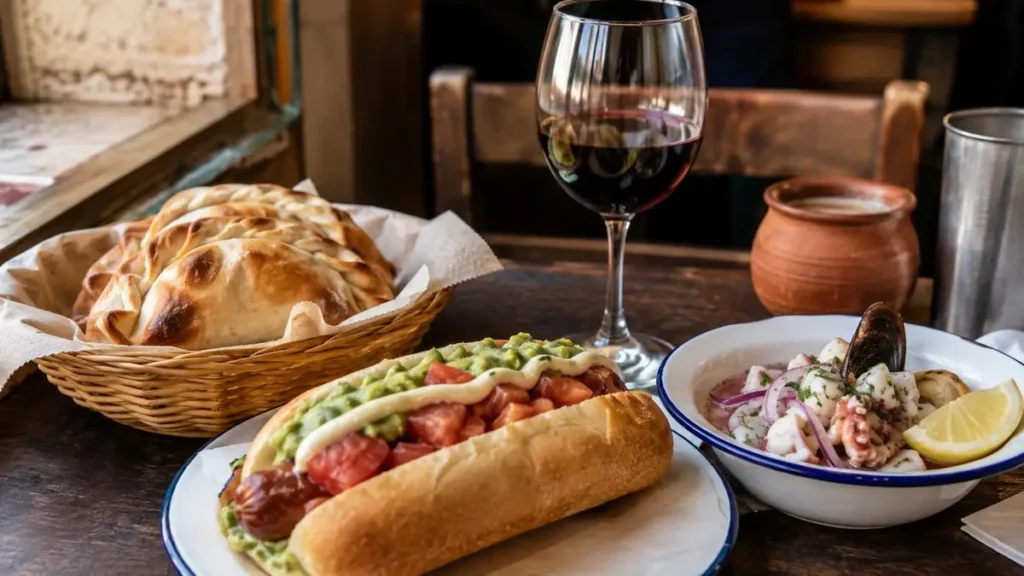
Food wasn’t the main reason for my trip, but it became part of how I remembered different places.
Empanadas were one of the easiest things to grab while walking around Santiago.
Some were much heavier than expected and easily replaced lunch.
Seafood became more noticeable toward the coast.
Chilean wine naturally appeared around central Chile, where several important wine valleys sit close to Santiago.
I also tried a completo, Chile’s heavily topped version of a hot dog.
It wasn’t the most sophisticated thing I ate, but ordinary food often gave me a better sense of everyday habits than formal restaurants.
Chiloé remains one of the places that interests me most for a future food-focused trip, particularly for its seafood and traditional curanto.
What I Packed Wrong
I packed for a country.
I should have packed for several climates.
San Pedro could feel warm under the daytime sun and cold after dark.
High-altitude excursions were colder again.
Patagonia added strong wind and possible rain.
The items that proved most useful were:
- lightweight base layers
- fleece
- waterproof outer layer
- comfortable walking shoes
- hiking footwear for Patagonia
- warm hat
- sun protection
- reusable water bottle
- small daypack
- portable charger
- lip balm
- moisturizer
Layers worked much better than trying to pack a completely different wardrobe for every region.
My Biggest Chile Travel Mistakes
Trying to See Too Much
This was the biggest one.
The trip improved as soon as I started removing destinations.
Underestimating Travel Time
A two-hour flight never meant only two hours of travel.
Transfers, airports, baggage, and check-ins added up quickly.
Planning Atacama Too Aggressively
Altitude forced me to slow down.
The itinerary became better once the highest excursions were not packed into the first couple of days.
Trusting Patagonia Weather Too Much
Forecasts were useful guidance, not promises.
Flexibility mattered.
Treating Santiago as a Stopover
Two days in Santiago gave the journey a much stronger beginning.
Packing for Temperature Instead of Conditions
Wind, dryness, altitude, and sun mattered almost as much as temperature.
Adding Rapa Nui Just Because It Was Part of Chile
It deserved its own time.
Removing it from the 14-day itinerary improved the trip.
Is Chile Expensive to Travel?
Chile didn’t feel like the cheapest destination I had considered in South America.
The largest costs came from distance and experiences rather than everyday meals.
Domestic flights, Atacama tours, Patagonia accommodation, transfers, and national park visits added up quickly.
Traveling more slowly was one of the easiest ways to control costs.
Every extra region created another set of transportation expenses.
That’s worth remembering when a cheap flight makes adding one more destination look harmless.
Entry Requirements for Chile
Entry rules are one part of a travel guide that should always be checked against an official source.
They can change.
Chile’s National Migration Service publishes current information about tourism and temporary entry under its Permanencia Transitoria system.
Before traveling, check the Servicio Nacional de Migraciones for the requirements that apply to your nationality.
The same approach works for national park fees, trekking reservations, and entry rules: official sources should take priority over old blog posts or screenshots.
The Chile Itinerary I’d Choose Again
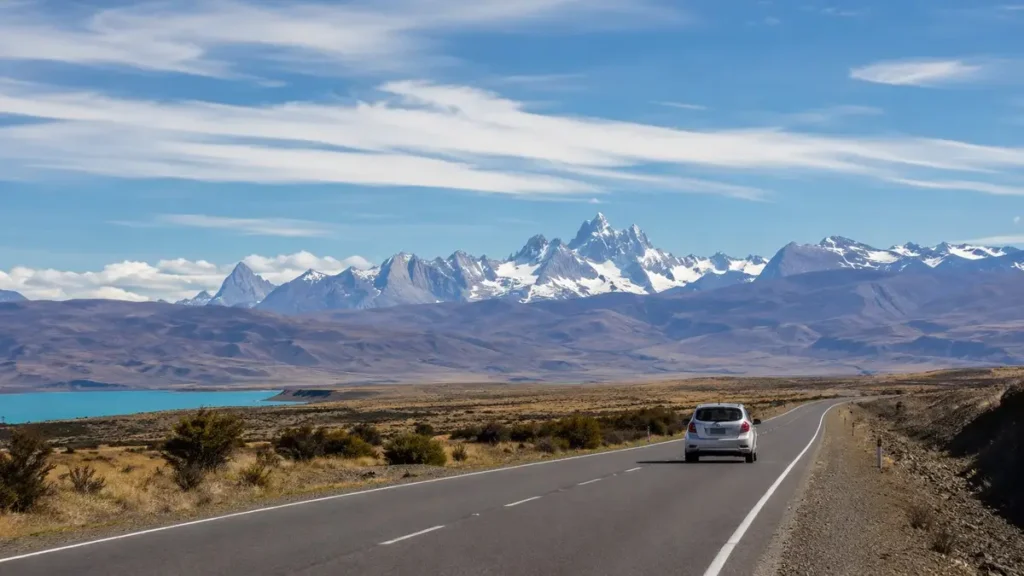
For a first trip, the same basic route still makes the most sense:
Santiago → Valparaíso → San Pedro de Atacama → Puerto Natales/Torres del Paine → Santiago
It wasn’t the route with the most destinations.
That was exactly why it worked.
Santiago gave me city life and the Andes.
Valparaíso added the Pacific coast, steep hills, and street art.
Atacama brought silence, altitude, salt, rock, and some of the clearest night skies of the trip.
Patagonia finished everything with mountains, lakes, wind, and the kind of scenery that made the long journey south feel worthwhile.
With 7 days, Santiago plus either Atacama or Patagonia makes sense.
With 10 days, Santiago and two major regions is more realistic.
With 14 days, this route gives the best balance.
With 3 weeks, the Lake District or Chiloé fits naturally.
And when Rapa Nui is one of the main reasons for visiting Chile, it deserves several proper days rather than whatever time happens to remain.
That became my biggest takeaway from Chile.
The country looked narrow on a map.
It never felt small once I started traveling through it.
Chile Travel Guide FAQ
Is 10 Days Enough for Chile?
Yes, if the itinerary stays focused. Ten days works far better for Santiago plus two regions than for trying to cover every famous destination in Chile.
Is Two Weeks Enough for Chile?
Yes. Two weeks gives first-time visitors enough time for Santiago, Valparaíso, the Atacama Desert, and Patagonia while still leaving room for essential travel days.
Can You Visit Atacama and Patagonia on the Same Trip?
Yes. Domestic flights make the combination practical, but the journey between northern and southern Chile needs to be treated as a proper travel day.
Should You Visit Atacama or Patagonia?
Choose Atacama for desert scenery, salt flats, stargazing, and organized excursions. Choose Patagonia for hiking, mountains, glaciers, and a more active outdoor trip.
How Many Days Do You Need in San Pedro de Atacama?
Four nights gave me a comfortable pace. Three can work, while two makes it difficult to fit Valle de la Luna, higher-altitude landscapes, El Tatio, and stargazing without rushing.
How Many Days Do You Need for Torres del Paine?
Two or three days can work for scenic visits and selected day hikes. The W Trek and longer circuits require considerably more time.
Do You Need a Car in Chile?
Not for this itinerary. Flights, buses, and transfers cover the main route well. A rental car becomes more useful in regions such as the Lake District or on a dedicated road trip.
Is Valparaíso Worth Visiting?
Yes. Its steep hills, Pacific views, historic architecture, and street art made it feel completely different from Santiago. A day trip worked well within a two-week itinerary.
Should You Add Rapa Nui to a Two-Week Chile Itinerary?
Not when the same trip already includes Santiago, Atacama, and Patagonia. Rapa Nui deserves several days and works much better within a longer itinerary.
What Was My Biggest Mistake When Planning Chile?
Trying to see too much. Removing destinations gave me more usable time, fewer exhausting transfers, and a much better trip.